
Pump prices continued to rise throughout June, though they remained relatively stable compared to the extreme volatility seen in wholesale markets.
On 12th June, Israel launched a series of strikes targeting Iran’s nuclear and military facilities, prompting a sharp reaction in global oil markets. Brent crude surged from $68 to $78 per barrel between the 12th and 19th June. Wholesale diesel (B7) prices spiked by over 10 pence per litre during the same period, while unleaded (E10) rose by around 4ppl. This widened the gap between the two fuel grades to more than 10ppl, up from under 3ppl at the start of the month.
Further escalation occurred on 22nd June when the United States conducted air strikes on three Iranian nuclear sites. However, tensions quickly cooled after Iran responded with a limited and largely symbolic missile attack on U.S. bases in Qatar. A tentative ceasefire followed, and oil markets fell back sharply.
By 24th June, wholesale prices had returned to pre-conflict levels, as market sentiment shifted back to concerns about oversupply and sluggish global economic growth. Diesel ended the month over 4ppl higher than it began, while unleaded remained flat, leaving the spread between the two grades still above 7ppl.
At the forecourt, motorists were largely shielded from the sharp swings in wholesale markets. Pump prices rose steadily, with diesel increasing by an average of 2.6ppl and unleaded by 3.5ppl across the month. Tesco passed on the lowest increases, raising diesel by just 0.7ppl and unleaded by 1.2ppl on average. Asda followed closely with increases of 0.8ppl for diesel and 1.3ppl for unleaded.
A strengthening British pound also helped cushion retail prices. Sterling rose from $1.35 to $1.37 during June, hitting a 44-month high of $1.3770 on 26th June. This 2-cent appreciation equated to a pump price saving of around 0.5ppl.
Early July Trends and Outlook
Early July has seen renewed upward pressure on both unleaded and diesel prices. Diesel margins are tightening, and sustained wholesale increases could translate into further pump price rises. The diesel-to-unleaded price gap may continue to widen, with wholesale spreads already back above 10ppl.
Sterling’s strength has also come under threat. The temporary 90-day delay on U.S. tariffs is due to expire soon, and growing optimism about trade negotiations could strengthen the dollar. At the same time, the UK’s fiscal outlook is facing scrutiny following the government’s reversal of planned welfare cuts, which could weaken the pound further.
However, OPEC+ has announced it will unwind 548,000 barrels per day (bpd) of voluntary production cuts in August, higher than the anticipated 411,000 bpd. The group has now restored 80% of its previous voluntary reductions, releasing more crude into the market, which could help reduce prices.
UK Supply Concerns Mount
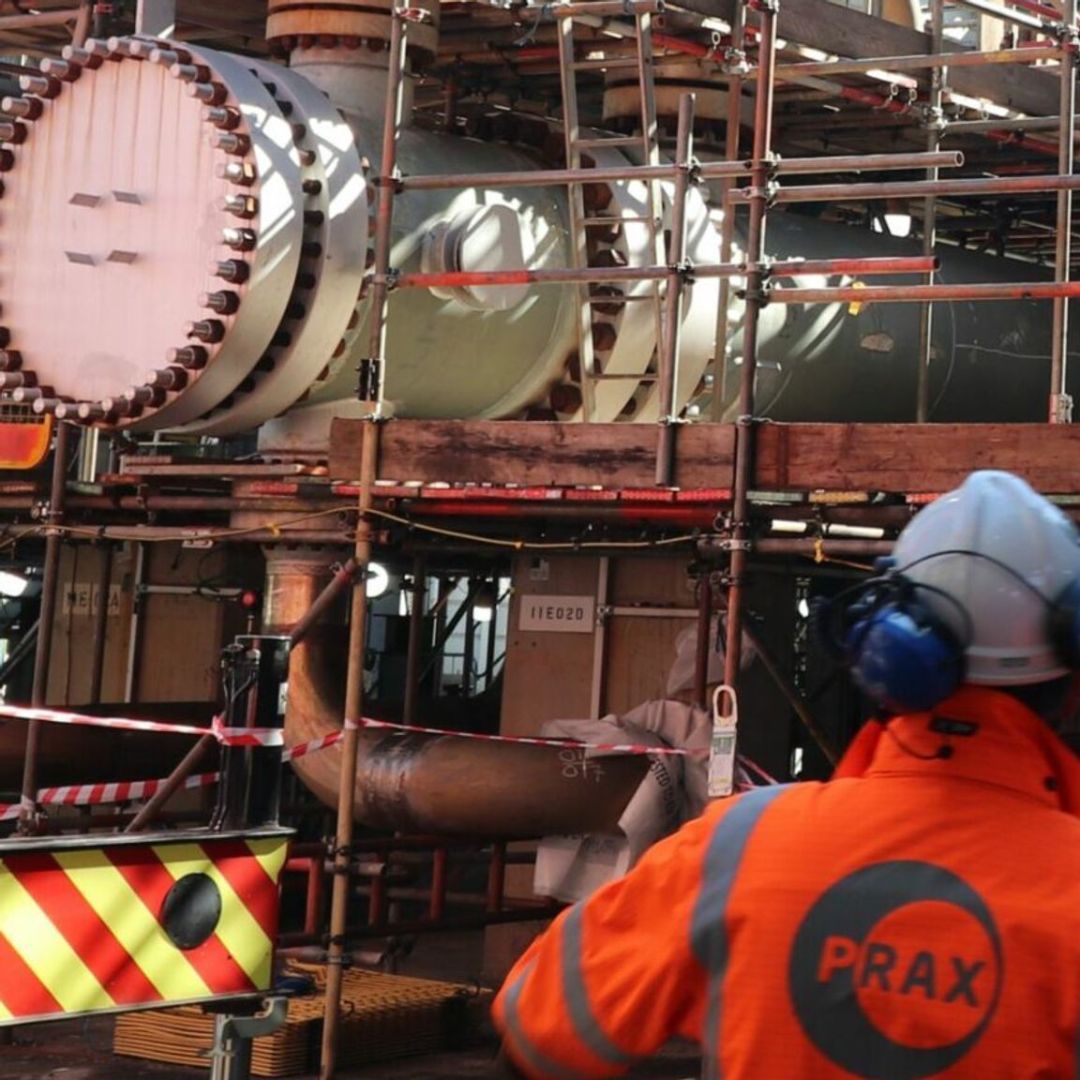
Domestically, the UK faces structural supply risks. At the end of June, State Oil, the owner of the Prax Group, entered insolvency, casting uncertainty over the future of the Lindsey Oil Refinery and placing over 440 jobs at risk. This development coincides with the winding down of Grangemouth Refinery, ahead of its closure, further tightening domestic refining capacity.
A government spokesperson from the Department for Energy Security and Net Zero (DESNZ) confirmed on 4th July:
“An agreement has been reached to resume deliveries in and out of the Prax Lindsey Oil Refinery. The official receiver is ensuring continued safe operations at the site.”
Where Next?
June reminded us that geopolitical tensions can quickly change the outlook for prices. However, as quickly as wholesale prices increased, they decreased as oversupply and low growth forecasts became the main drivers once again.
With diesel margins under pressure, we could see further increases at the pump. There are also renewed concerns about supply in the European diesel market as we enter the summer season. This could see diesel prices push higher.