
A new survey from us reveals that more than a third of UK motorists still don’t understand how much tax they pay on fuel, despite it being one of their most frequent household expenses.
The survey of 575 of our users, asked a simple question: Out of a typical £1.50 litre of fuel, how much goes to tax?
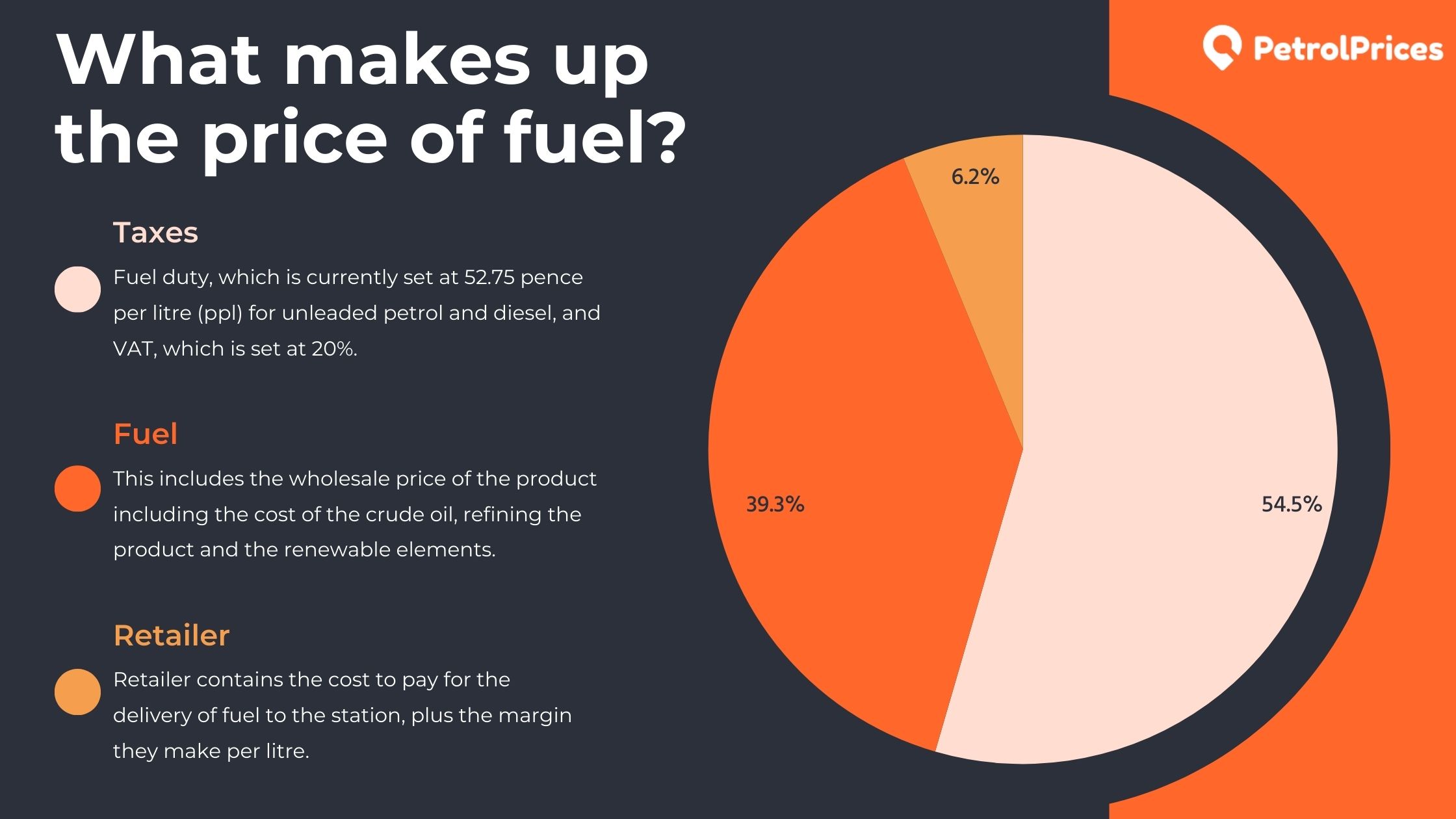
While 63% (365 motorists) correctly identified that tax accounts for 50–60% of the pump price, a significant 37% either underestimated the figure or said they didn’t know.
One in Three Drivers Still Get It Wrong Among those who missed the mark:
- 23% believed tax made up less than half the price (21–49%)
- 7% thought it was as low as 1–20%
- 7% admitted they were unsure
Among those who missed the mark, nearly a quarter believed tax made up less than half the price, while others thought it was significantly lower or admitted they were unsure. Even among regular drivers, the findings point to a persistent gap between paying for fuel and understanding how its price is built.
Should more be done to show motorists what makes up the price they pay? For example:
- Receipts could include a clear breakdown of tax vs. fuel cost.
- Pump screens could display how much of the price is duty, VAT, or wholesale.
- Forecourt pole signs could give drivers a quick, easy-to-read summary before they fill up.
“The Treasury is a major beneficiary of the oil crisis. This is unacceptable, and the Government will stand or fall at the next GE on how it deals with the situation.” Said one survey respondent.
Why Fuel Tax Cuts Don’t Always Feel Immediate
The findings come at a time when fuel prices remain politically sensitive, with frequent calls for cuts to fuel duty.
A fuel duty cut may not be the best way to ensure motorists see saving and the retail market remains competitive. Fuel duty is applied further up the supply chain meaning that fuel at petrol stations and some storage locations has already had duty applied. A duty cut would benefit stations with higher turnover and therefore disadvantage small, often independent stations. This could lead to reduced competition in certain areas.
Find out more what makes up the price of fuel here.
Why VAT Could Be a More Effective Lever
By contrast, a temporary cut to VAT would operate far more visibly. Since VAT is applied at the point of sale, any reduction would be reflected immediately in pump prices, giving drivers a clearer and more direct benefit.
It would also create a more level playing field across the UK’s mixed forecourt landscape. Fuel retailing is split between supermarkets, large fuel groups and independent operators, all of whom have different buying structures and stock cycles
A VAT cut being applied uniformly at the pump regardless of who owns the forecourt and ensuring that savings are passed on consistently.
A Persistent Knowledge Gap
Ultimately, the survey highlights more than just a lack of awareness. It points to a deeper disconnect between experience and understanding even those most exposed to fuel prices don’t always grasp how they are structured.
With over a third of motorists misjudging one of the most significant components of what they pay, that gap between perception and reality is unlikely to disappear any time soon – and may continue to shape how drivers respond to both prices and policy.
Methodology: PetrolPrices.com obtained data via a survey of their users between 20th March & 26th March 2026. Survey of 575 UK adults who regularly use PetrolPrices.com price comparison website or app.
Appalling! They’ve been getting away with this for too long.
It’s rip off Britain at its finest with vat on the tax already added to the price.
So the amount of tax overall is much higher than we think.
There’s no incentive for the government to reduce taxes on fuel. They are currently raking it in. How much more revenue has the government “earned” in the last month?