
Despite modern cars being equipped with technology, mostly designed to keep us safe, a new survey reveals that many drivers struggle to understand what their dashboard is trying to tell them.
Temporary car insurance experts Tempcover surveyed 2,000 UK drivers[1] to find out if they could correctly identify their car dashboard symbols, whether they’ve ignored them when illuminated, for how long, and their main reasons for doing so. The results show that many drivers are potentially putting their safety at risk by failing to address important warnings.
Survey Reveals 91% of Drivers Fail to Identify All Car Dashboard Symbols
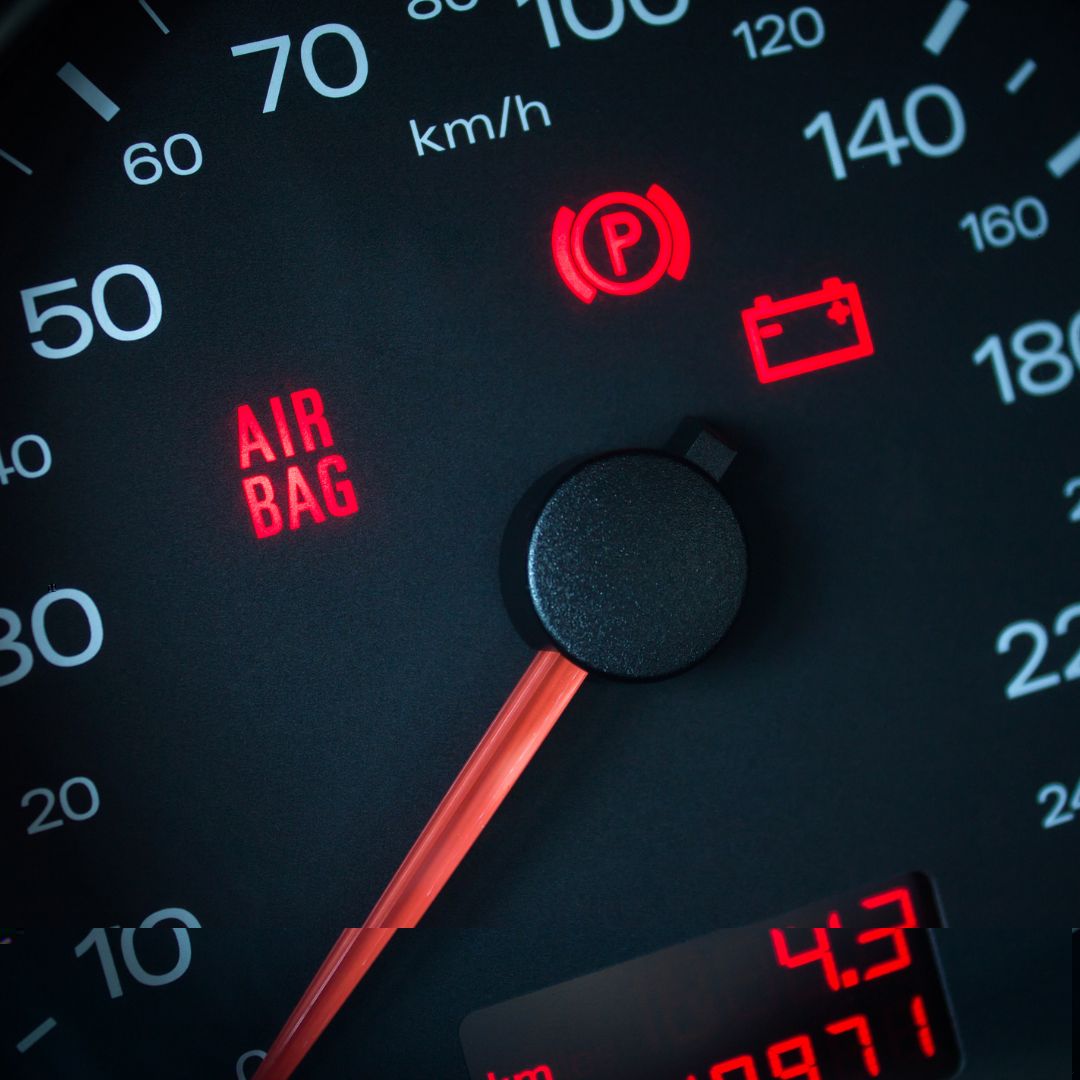
The survey asked respondents to correctly match an image of each dashboard symbol with its corresponding meaning, with 91% of drivers failing to correctly identify all symbols, highlighting a major gap in driver awareness.
The most commonly misidentified symbols include the Electronic Stability Programme (ESP) warning light, which helps prevent skidding, the Diesel Particulate Filter (DPF) symbol, designed to reduce harmful emissions, and the Tyre Pressure warning light, which alerts drivers to low tyre pressure.
|
Dashboard symbol |
% of respondents unable to correctly identify the meaning |
|
Electronic Stability Programme (ESP) warning light |
73% |
|
Diesel Particulate Filter (DPF) warning light |
62% |
|
Tyre pressure warning light |
57% |
|
Engine warning light |
39% |
|
Power steering warning light |
33% |
|
Engine temperature/Coolant light |
28% |
|
Oil pressure warning |
20% |
|
Airbag/Seatbelt warning light |
18% |
|
ABS/Brake warnings |
10% |
|
Battery warning light |
9% |
Nearly 4 in 10 respondents couldn’t correctly identify the engine warning light
39% of drivers failed to recognise the engine warning light on their dashboard, with 22% admitting to driving with the symbol illuminated. 37% of drivers then said it took them a week or more to have the warning light checked.
Claire Wills-Mckissick, temporary car insurance expert at Tempcover, advises: “If the engine warning light comes on, it’s important not to ignore it. Arrange to see a professional mechanic as soon as possible to resolve the issue. If the light is flashing or red whilst driving, park safely and call your breakdown provider immediately.”
One in three have continued to drive with the tyre pressure warning light illuminated
The engine light isn’t the only symbol respondents admitted to continuing to drive with when illuminated. Tyre pressure (33%), battery (10%), oil pressure (10%) and airbag/ seatbelt (9%) warning lights round off the top five.
The main reasons for continuing to drive with a dashboard sign illuminated were that the driver didn’t think it was serious or urgent (29%), and because they didn’t feel any immediate impact on the car’s performance (23%). One in 10 admitted it was because they didn’t know what the warning light meant.
Claire continues: “Serious risks to you and passengers are indicated by dashboard warning lights. These symbols often point to safety issues requiring immediate attention. By understanding what car dashboard warning lights mean through your car’s manual, you’ll know what’s happening and can take swift action if needed.
I often wonder how I managed to drive my car and ride my motor bike many hundreds of miles as I did in the late 50s and 60s without all these worry lights.
Me too! And the vehicles were far less reliable than they are now. Coincidentally, earlier today I was discussing this with my 80 year old brother. Hardly anybody I know (him included!) does a weekly check of tyres, engine oil, radiator water, hydraulic fluid and washer water (if you were lucky enough to have either or both in those early days!). Also a quick wipe of headlights and registration plate in the winter months. The number of illegible registration plates we see in the winter is testament to that! Lots of headlights have their own wash/wipe system these days, of course.
Maybe there should be a course on that when taking your driving test.
Maybe when the instructor is about to tell you “You’ve Passed” he whips out another test…! Before telling you, you have “FAILED”