Sainsbury’s commit to fuel price cap if they merge

Sainsbury’s commit to fuel price cap if they merge

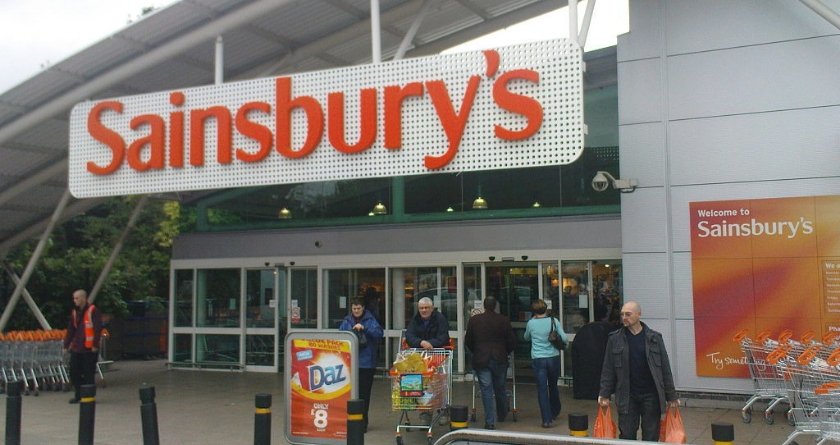
The proposed Sainsbury’s and Asda merger has been around for just under a year now, and on Tuesday 19th March they released a joint statement responding to the Competition and Markets Authority (CMA). Their response to the CMA’s Provisional Findings and Notice of Proposed Remedies included a nod to Asda’s fuel pricing, something we questioned before.

Along with their fuel prices comes news of an up to 10% reduction across the board, Argos entering Asda stores and more.

What issues does the CMA have?

In February, the CMA released their provisional findings and in it they raised concerns that at over 100 petrol stations petrol prices could be inflated and competitiveness in some areas would reduce if the merger went ahead.

They found a multitude of issues in the original documents, ranging from supplying to removing the competitive nature in areas where there are limited stores. The CMA proposed options to address their initial concerns, including blocking the deal or requiring the merging companies to sell off a significant number of stores and other assets – potentially including one of the Sainsbury’s or Asda brands – to recreate the competitive rivalry lost through the merger.

Stuart McIntosh, chair of the independent inquiry group carrying out the investigation, said: “These are two of the biggest supermarkets in the UK, with millions of people purchasing their products and services every day. We have provisionally found that, should the two merge, shoppers could face higher prices, reduced quality and choice, and a poorer overall shopping experience across the UK. We also have concerns that prices could rise at a large number of their petrol stations.

“These are our provisional findings, however, and the companies and others now have the opportunity to respond to the analysis we’ve set out today. It’s our responsibility to carry out a thorough assessment of the deal to make sure that the sector remains competitive and shoppers don’t lose out.”

New responses

Sainsbury’s and Asda released their report into the findings and heavily argued against the results. The main highlight for PetrolPrices was the statement about fuel profits.

Currently, Sainsbury’s are ordinarily second or third, tied with Morrisons, to drop fuel prices which are always led by Asda. Asda also has a price promise to be the cheapest petrol station of any station in a 3-mile radius of one of theirs. Back in May, we queried this in one of our articles, and it seems it has now been answered.

Sainsbury’s announced they would cap their gross profit margin on fuel at 3.5pppl for five years, showing that it is currently more than this. Asda confirmed they would keep their current fuel pricing strategy. These price commitments will be publicly annually verified by an independent body and released to all.

The interesting thing is perhaps the five-year limit on the profit margin limit, which implies that after five years, the prices could rise or could potentially fall.

Jason Lloyd, Managing Director of PetrolPrices.com, said “ASDA dominates the top 250 cheapest fuel locations in the UK, which was one reason why the CMA rejected the proposed merger. Although it’s a good thing for the newly combined group to guarantee their lowest price fuel strategy for ASDA and capping gross margin at Sainsbury’s forecourts at 3.5p a litre, it’s not clear if the CMA will accept the proposal, particularly being monitored by an independent 3rd party reviewer.

However it seems clear that Walmart really wants to sell ASDA off, so there could be an opportunity for the CMA to force the new group to guarantee lowest fuel price strategy for ASDA and Sainsbury’s combined. That would be very significant, and no doubt put them into UK market leader for petrol retail by volume sold for many years to come.”

Implications for consumer

Sainsbury’s currently own 311 forecourts (as of 2018) and Asda own 319 (2018). Combined the market share would be 17.6%, higher than Tesco, the current market leaders, share. This could potentially lower the other supermarket’s cost as they aim to compete with the market leader in both price and size.

Overall, prices could go down but if the share prices teeter any lower then they could drive up their prices slightly to compensate for any initial losses.

Sainsbury’s Chief Executive, Mike Coupe and Asda Chief Executive, Roger Burnley said:

“We are trying to bring our businesses together so that we can help millions of customers make significant savings on their shopping and their fuel costs, two of their biggest regular outgoings.

We are committing to reducing prices by £1 billion per year by the third year which would reduce prices by around 10% on everyday items. We are happy to be held to account for delivering on this commitment and to have our performance independently reviewed and to publish this annually.

We hope that the CMA will properly take account of the evidence we have presented and correct its errors. We have proposed a reasonable yet conservative remedy package and hope the CMA considers this so that we can deliver the cost savings for customers.”

What do you think of the merger? Do you think this will help lower fuel prices? Let us know below

Parking charge increases are another stealth tax on the motorist

Parking charge increases are another stealth tax on the motorist

£2,400,000, £2.4m, two million four hundred thousand … however you write it, it’s not an insignificant number, and yet that’s how much profit is being made each day through parking charges. Note the word profit, not revenue.

And despite that, some motorists are facing increases of up to 230% to park their vehicles from next month. The RAC Foundation are predicting that profits will clear £1bn for the year 2019/20.

That’s before we get to the whole ‘parking at work’ issue, and heaven help you if you happen to drive a diesel that’s a few years old. ‘Persecuted’ comes to mind, as does ‘cash cow’ and ‘stealth tax’.

Record profit, part II

Back in November 2018, we wrote an article about councils making record profits from parking, fines and charges for motorists daring to enter a city centre, we also noted that one in ten shops were empty, footfall in city centres fell by around 1.6% and out of town shopping was on the increase by a similar amount.

With that said, there was an element of at least a vague attempt by councils to assuage the concerns of the pro-motoring groups by keeping evening & Sunday rates lower; they couldn’t claim congestion was a problem, nor was there a need to limit church-goers from entering the city en masse. But come April, all pretence of ‘fairness’ ends.

Across the country, a number of councils are already planning on millions of pounds worth of extra revenue generation for the coming year and beyond, Edmund King, president of the AA says: “Some councils are already budgeting to make millions of pounds more from motorists, on top of the millions they already get, by increasing parking charges, extending restricted parking zones, enforcing new bus lanes and looking for new opportunities to catch drivers”.

Councillors are insisting that higher fees are necessary because of major budget cuts from central government, as well as “the need to tackle congestion”. Perhaps that’s the definitive proof that the motorist is seen as the answer to any budgetary shortfalls.

Transportation spending

Analysis from a money comparison site has shown that revenues from parking charges have increased by around £170m in the last five years, currently sitting around £867m per year, and yet the same analysis tells us that councils are spending approximately £400m less on road improvements than they were five years ago.
So where is that money going?

Some councils are on the verge of bankruptcy; in the early part of 2018, Northamptonshire County Council effectively went bankrupt, and a survey by the Local Government Information Unit thinktank found that typically, 8 out of 10 councils were gravely concerned by their finances.

On a completely unrelated note, Northampton council are trebling evening car parking charges, but it isn’t all bad news, Councillor Martin Tett, transport spokesman for the Local Government Association says that councils are on the side of the motorist and shoppers.

Residential parking

Perhaps the most significant blow to motorists is an upsurge in paying for their right to park at home, and some councils are looking to maximise what they feel is acceptable; Hampshire, Reading, Cambridge, Brighton and Exeter are all looking to raise residential parking prices, with Hampshire being the most … optimistic … with up to a 230% increase.

Residents of Camden should feel grateful that they’re only looking at a 70% increase in permit fees, and that in itself tells you that something is seriously wrong. When motorists are feeling relieved that a 70% increase in what amounts to an absurd stealth tax is the better option, you have to wonder just what happens next?

Indeed, residents in Romsey paying £50 per year to park at home doesn’t sound like the ending of the world, but an increase from £15 is significant, and once residents get used to £50, will that rise again by the same percentage? £50 becomes closer to £170.

The need for a car has never been greater; high parking costs have pushed traffic away from city centres, city stores raise their prices in a bid to survive lower footfall, shoppers can’t afford to spend more than necessary on their weekly shopping so drive out of town to their nearest supermarket where prices are cheaper. The statistics bear that out; there is no need to manipulate facts to give a pro-car viewpoint.

Yes, there are a number of people who agree that cars should be made to pay for air pollution, for damaging their environment, for bringing pestilence to the world, but a world without motorised personal transportation or the ability to deliver goods to the far corners of East Sussex or the wilds of the Highlands doesn’t make sense either. All we need is a balance.

Do you think this is just another shot at the motorist? Another stealth tax dressed up in green legislation? Or is it genuinely a good thing? Let us know in the comments.

Fuel prices on the rise once more, according to RAC

Fuel prices on the rise once more, according to RAC

Drivers across Britain have enjoyed lower fuel prices for three months in a row because of price reductions across the UK’s filling stations. This now appears to be at an end as both petrol and diesel prices increased last month.

Fuel retailers were swift to respond to the news of increasing oil prices by raising the price of their fuel, but the motoring organisation, the RAC, has hit out against retailers, accusing them of being slow to pass savings on to drivers when wholesale prices fall, yet hike up pump prices the instant their own costs rise.

Driving up costs

Since the start of November 2018, the average price of unleaded went down by 11 pence per litre (ppl), taking it from 130.61 ppl to 119.60 ppl at the end of January. The cost of diesel also dropped, by 8p per litre to 128.7 ppl.

Production cuts made by OPEC (Organisation of the Petroleum Exporting Countries) in partnership with Russia have driven up the price of crude oil by 5%. This added $3 to the barrel price across February, taking it up to $65.13 by the end of the month. At one point, the price of a barrel reached $67—the highest it’s been since November 2018.

The jump in the price of oil drove up prices across UK forecourts at the end of February after retailers incurred higher wholesale fees. According to the RAC, the UK average price of a litre of unleaded petrol rose by almost a penny (0.88p) to 120.42ppl, while diesel increased by just over a penny (1.24p) to 129.88ppl.

After over six weeks of keeping its prices the same, Asda was the first supermarket of ‘the big four’ to pass the rise in wholesale prices on to its customers with a slight increase in the price of its unleaded petrol.

The February price rise means an average 55-litre family car now costs £66.23 to fill up with petrol and costs £71.43 for a diesel car.

Rocket Fuel

RAC Media Relations Manager and fuel spokesman, Simon Williams said the price rise would disappoint drivers.

“What they probably aren’t aware of is that retailers, who held off cuts for weeks when they were warranted, instantly raised their prices when they saw the wholesale price go up very slightly,” said Mr Williams and added that this was “clear proof of the infamous ‘rocket and feather’ pricing strategy where prices go up like a rocket and fall like a feather.”

The forecourt industry denies making good profits from petrol sales and it’s true that most retailers make only a little on a litre of fuel; often just one or two pence profit per litre.

“That is hardly sustainable,” said Brian Madderson, Chairman of the Petrol Retailers Association (PRA), in the past when defending earlier prices rises.

He explained the only way most petrol stations survive is by having other facilities attached to them, such as shops, car washes and cash machines.

Mr Madderson added: “If they were making substantial margins, we would see more investment coming into the business, rather than going out of it.”

Saving you money

Even though drivers can’t control the price of petrol and diesel, it’s possible to reduce how much you use.

Figures by The Department for Transport show we use up to 9% more fuel driving at 70mph than at 60mph and up to 25% more fuel travelling at 80mph instead of 70mph. The faster you drive, the greater your fuel consumption.

Go gentle on the accelerator, brakes, and steering. The most energy-efficient way of driving is smooth. Focus in the distance on what’s coming up so you can make adjustments early to prevent a disruption to your flow.

On average, every extra 50kg increases fuel consumption by 2%, so don’t keep unnecessary items in your boot and only fill up half-way if you’re an urban driver. Don’t leave your roof racks on, either—they cause ‘drag’. Even empty roof racks increase fuel consumption by around 10%.

Your tyres and brake pads can affect the overall performance and fuel economy of your car so inflate your tyres to the correct pressure as stated in your owner’s manual and keep up with your car maintenance and servicing.

Download the PetrolPrices app. The average user saves over £220 a year from using the app or website. We receive around 8,500 data updates for 98% of the fuel market, enabling us to find you the cheapest available fuel wherever you are.

The big supermarkets often tempt customers into their shops by reducing their fuel prices. Sometimes they’ll offer money-off vouchers at the till, for use at their forecourts. Supermarkets and other fuel retailers often run loyalty card schemes, too. Collect points each time you fill up and spend the points on future fuel.

Has the cost of petrol or diesel gone up where you are? Are forecourts too quick to pass increased costs onto customers? Tell us your views in the comments.

Driving with loud music could now get you a £100 fine

Driving with loud music could now get you a £100 fine

With more and more cars getting high tech sound systems, hearing loud music while driving has become a daily occurrence for most people. One council is fighting back and has introduced a Public Space Protection Order (PSPO) which gives officers the ability to fine people £100 for anti-social vehicle use.

This could include loud noise, shouting or being sexually suggestive. The measure was introduced after two-thirds of Bradford said they felt unsafe on the roads and said that nuisance drivers were a problem.

PSPO in place

A PSPO is already in place in certain areas of Bradford for antisocial behaviour and between March 2017 and June 2018, alcohol in various forms was confiscated 497 times. Bradford residents seem to be in favour of further PSPOs.

In a consultation of Bradford residents on the roads, 70% of those surveyed said they felt unsafe on the roads and 76% supported a PSPO to help reduce the anti-social behaviour in roads.

How will a PSPO help?

The PSPO is an order that protects the natural environment of an area and keeps residents safe in the area. Certain council enforcement officers are authorised to act upon a PSPO for the purpose of keeping the peace. Police officers are also able to enforce PSPOs.

In this instance, the PSPO can be used to stop anti-social driving. Whether this is wheel spinning excessively, blasting loud music, shouting from windows or being overtly sexual from a car, the PSPO can be used with correct judgement to help with the issue of anti-social driving in the area.

Mr Burns-Williamson, West Yorkshire’s Police and Crime Commissioner, said: “I support the step that Bradford Council have approved in the use of Public Space Protection Orders, a move which I believe will help to tackle a number of anti-social behaviour and road safety related issues.”

“Road safety is clearly a significant area of interest in Bradford and for many communities across the county and remains a key focus in my Police and Crime Plan. The PSPO will complement the significant work already undertaken by West Yorkshire Police, the Council and other partners in the District such as Operation Steerside which targets wider road safety offences and behaviour.”

Draconian or desired?

Some have come against the PSPO suggestion, labelling it “a bit draconian” and questioning how personal this could become.

Local councillor in Bradford, Simon Cooke, said of the PSPO “Is there the justification of making criminal what wasn’t criminal before? What we seem to have is a bit of virtue signalling, so we are seen to be doing something about the problem. But it doesn’t really address the problem to any great extent.”

He also raised a valid point of determining what anti-social behaviour in a vehicle was bad enough to warrant a fine or order. One person’s attitude could be completely different from someone else’s on what constitutes anti-social behaviour. “When it comes to music being played too loud is there not a risk that personal music preference may decide if music being played is ‘good or bad’?” he added, showing the potentially highly personal nature of the issue at hand. How can one person decide that someone’s driving is anti-social when it may be a personal prejudice? While strict training and regulations will no doubt be given, both having evidence of the act and being able to justify the reasons for the fine could easily be swayed through personal judgement.

Will the days of people driving around blasting music slowly be going out of fashion or is it overly restricting peoples behaviour? In recent months there has been a lot of talk of driving becoming very big brother like, with cars able to limit top speed depending on the road area soon and next-generation speed cameras that can pick up multiple fineable offences.

Anti-social driving

There are not many people who would openly admit to cutting people up in traffic, blasting loud music or sitting around in a car park drinking. However, the people who use their vehicles for things that aren’t illegal but aren’t seen as proper use could soon be feeling the sharp end of a £100 fine.

One can see both sides of the argument, they aren’t doing anything technically illegal, but people don’t want to be surrounded by anti-social driving. On the other hand, the small minority that does use their vehicles for anti-social purposes are more at risk of breaking the law, such as speeding or distracted driving.

People in Bradford have said bad driving is an issue, but in many large towns and cities across the country, this will no doubt be a very prevalent issue as well. You only need to watch Police Interceptors on Channel 4 to see the amount of dangerous driving that takes place come nightfall. Protecting our roads from dangerous drivers is essential but is this taking it one step too far or is this the next best thing to happen to residential areas?

What do you think of the PSPO? Would you like to see one in your local area? Let us know below

Britons are overcharged £300 million a year on financing cars

Britons are overcharged £300 million a year on financing cars

A shocking investigation by a British watchdog has discovered that car dealers are manipulating customers’ interest payments to earn larger commission totalling an ‘unacceptable’ £300 million each year.

The report comes almost two years after the Financial Conduct Authority (FCA) declared they would carry out mystery shopping trials of the industry and analyse millions of credit files.

On a mission for commission

In 2018, UK motorists borrowed a staggering £37billion on car finance to buy new and used vehicles. The popularity of loans such as Hire Purchase (HP) and Personal Contract Purchase (PCP) enable motorists to buy their car by paying instalments and mean big business for both car dealerships and lenders. In fact, Brits buy about nine out of ten new cars this way.

Yet, a recent investigation by the FCA found that lenders aren’t satisfactorily controlling the ‘conflicts of interest’ that are occurring from the extensive use of commission models that enable car dealers to make more in commission by deciding the interest rate.

Under certain commission models, the regulator estimates motorists can pay around £1,100 extra in interest charges over a four-year period for a typical car finance agreement on a £10,000 vehicle.

About 560,000 drivers have signed contracts where the loan price has a link to the level of commission received by the dealer, yet the watchdog discovered the bulk of dealers neglected to tell their customers they would receive a commission for setting up the loan.

How many car dealerships disclosed they would receive a commission on the sale?

Franchised car dealers: One in 37
Independent car dealers: Four in 60
Car supermarkets: Two in 14
Online brokers: Four in 11

<!-- /283405443/PTP_Video_640x442 --><!-- [et_pb_line_break_holder] --><div id='div-gpt-ad-1549281272220-0'><!-- [et_pb_line_break_holder] --><script><!-- [et_pb_line_break_holder] -->googletag.cmd.push(function() { googletag.display('div-gpt-ad-1549281272220-0'); });<!-- [et_pb_line_break_holder] --></script><!-- [et_pb_line_break_holder] --></div><!-- [et_pb_line_break_holder] -->

‘Not good enough’

After uncovering serious concerns about car finance agreements from 20 lenders, making up about 60% of the market, the FCA has contacted car finance companies and says it’ll get tougher on the rules of car finance commission deals.

FCA Executive Director of Supervision – Retail and Authorisations, Jonathan Davidson, said:

“We also have concerns that firms may be failing to meet their existing obligations in relation to pre-contract disclosure and explanations and affordability assessments.”

The FCA found a few dealers were only concerned whether their customer was a credit risk.

“This is simply not good enough and we expect firms to review their operations to address our concerns,” added Mr Davidson.

The watchdog is considering strengthening existing FCA rules, limiting the discretion that brokers have to set interest rates, and banning certain commission models.

For those firms identified as failing customers, the FCA will pursue them and take any necessary action.

Although this sounds like earlier mis-selling scandals such as Payment Protection Insurance (PPI), the FCA isn’t intending to make finance companies pay compensation to those customers who paid more than they should have, nor does it plan to do anything about any existing loans.

The motor finance trade body, the Financial Leasing Association (FLA), criticised the FCA’s report.

Adrian Dally, Head of Motor Finance for the FLA, said:

“Regarding the FCA’s concerns about commission structures, their survey work is based largely on out-of-date information and therefore does not reflect the very considerable progress the market has already made in moving away from such structures.

“We look forward to working with the FCA as it modernises its regulations in line with market best practice.”

Navigating the options

If you’re planning on getting a new car, shop around using reputable retailers, compare finance deals, check the total amount you’ll need to pay back, and ask how much the broker or dealer will receive in commission.

If you can’t afford to pay for your next vehicle outright, the next cheapest option is to make a one-off payment using an unsecured personal loan but, unless you’ve got a great credit score, it’s doubtful that you’ll get approved and, by purchasing a vehicle this way instead of taking the finance offered by the finance arm of the manufacturer, you won’t get any money towards the car.

Personal car loans are both easy to understand and set up and you might also get the dealer to reduce the price due to being a cash buyer. Once you’ve paid the dealer, you own the car outright, although that also means you’re responsible for all the repairs!

HP and PCP deals work out more expensive and you don’t own the vehicle until you make the last— often large —payment.

If you buy a car using HP or PCP, try to pay off at least part of the balance with a credit card so you have the extra protection offered under Section 75 of the Consumer Credit Act, which states that the credit card company has joint responsibility with the retailer—useful if you make a future complaint.

What do you think of the FCA’s findings? Are drivers being ripped-off or pressured into finance they don’t understand and can’t afford? Tell us your views in the comments.

Half of used cars have a hidden history, warns RAC

Half of used cars have a hidden history, warns RAC

A study using data from the RAC’s Vehicle History Check service, covering more than 32,000 vehicles has shown that over half (52%) of the vehicles checked had a history that could be a potential problem for any purchaser.

Some of these issues could be minor – like a registration change for example, but others were more serious – stolen, scrapped and outstanding finance were just some of the other problems found. Understanding what you’re buying has never been more relevant.

Caveat emptor

Whether you’re looking to find your dream car, a classic from a bygone era, or something more practical, finding the right car can be time-consuming, and if there’s some emotional attachment to it, you’re much more likely to overlook the odd blemish, running fault or bald tyre.

You may even view a vehicle history check as money for old rope; providing you know what you’re looking for, then it’s plain sailing, but not every problem is that obvious … 17.6% of the vehicles were still in the process of being paid off, so technically they weren’t the ‘owners’ vehicle to sell, a small percentage (0.1%) had been officially scrapped, some were even listed as stolen.

By far the largest discrepancy was a change of registration – 27.5% of vehicles weren’t on the original registration, but for the main part, that doesn’t ring alarm bells – cherished registrations are commonplace now, so providing it has been correctly documented, then there shouldn’t be a problem.

<!-- /283405443/PTP_Video_640x442 --><!-- [et_pb_line_break_holder] --><div id='div-gpt-ad-1549281272220-0'><!-- [et_pb_line_break_holder] --><script><!-- [et_pb_line_break_holder] -->googletag.cmd.push(function() { googletag.display('div-gpt-ad-1549281272220-0'); });<!-- [et_pb_line_break_holder] --></script><!-- [et_pb_line_break_holder] --></div><!-- [et_pb_line_break_holder] -->

Potential problems

In theory, purchasing a car with hire-purchase, or PCP already registered against it is possible, some potential purchasers may even it see it as the finance company’s problem if their customer is selling the vehicle on, but the reality is that should they default on payment, the finance company could look to repossess the vehicle, regardless of whether it was purchased ‘in good faith’.

Another expensive mistake could be purchasing a car that has been written-off by an insurance company, as 14.2% of the vehicle checks showed. There’s absolutely nothing wrong with that, providing you’re aware of the situation, but some unscrupulous sellers don’t declare it, and they may not have had to prove the roadworthiness or quality of the repair afterward. This could mean that you’re paying over the odds, for an un-roadworthy or potentially dangerous car.

The importance of such vehicle checks cannot be overlooked; there have been numerous cases where a stolen vehicle was sold on to an unsuspecting or innocent third-party, and it’s only when they go to sell it on again does the identity of the vehicle and its history become apparent. In a case like that, the new owner would most likely lose the vehicle and any monies paid for it.

Protect yourself

If you’re looking to purchase a used vehicle, there are a number of ‘good practice’ measures that you can use to help identify any potential issues. With that said, these aren’t infallible, and for the checking services that offer a guarantee against such issues, you need to adhere to strict guidelines if you stand a chance of winning any money back.

Turning detective will only get you so far – a good rummage through the accompanying documentation such as service history and MOT certificates can paint a pretty clear picture, as can a full mechanical inspection, but unless you truly know what you’re looking for, it may be worth having the inspection done by a professional.

Check that the VIN number looks to be original and matches the documentation; factory numbers don’t get ‘mis-stamped’, are at an even depth and spacing and are located in places that any ‘accidental’ damage is difficult to explain.

Check for unusually high wear patterns across the steering wheel, pedal rubbers and switches – pedal rubbers are easily replaced, steering wheels can be covered but switches are more difficult to disguise or replace.

Look for abnormal wear patterns across all four tyres – this could be an indication of poor misalignment or a geometry problem.

Remove the oil filler cap and look for white sludge – this could indicate a water/oil problem, although be aware that lots of short trips could also cause this.

Look to see if the panel gaps are consistent – a misaligned panel may be an indicator to body work replacement or damage.

If it’s a significant purchase, you may want to think about contacting the previous owner to see if they can add to the history, likewise, any dealer involved in the servicing of the vehicle will have full records of what was done and when (service history books can be faked very easily).

While these measures may not give you a definitive answer, they help to build up a bigger picture of the seller, their attitude toward the car, and how well it’s been looked after. This can be used in conjunction with your own judgement to help you decide if the car is ‘right’.

Have you ever been caught out with a bad car purchase? Do you have any other buying tips to share? Let us know in the comments.

Volvo limit top speed of all new cars to try and stop deaths

On Monday (4th March,) Volvo announced plans to limit all cars manufactured from 2020 onwards to a max speed of 112mph. This is part of their plans to bring the number of people who die in a Volvo car to zero over the next coming years.

In a press release by the company they teased the launch of Vision 2020, “one of the most ambitious safety visions in the automotive industry.”

How will this work?

Most other manufacturers are using an Intelligent Speed Assistant (ISA), which earlier this year was revealed as near finalised that it would be mandatory for all new cars on the road from 2021. The European Transport Safety Council proposed the changes which were approved by a key group of MEPs and is hoped to come into force for all cars with the 21 plate and higher.

ISA will limit the speed of the car depending on the area the car is. It uses GPS and traffic sign recognition to limit and adjust the max speed. Drivers are able to override the max speed limit by pushing hard on the throttle, in case of overtaking cars or need to move out of the way sharply.

However, Volvo has gone a step further and will electronically limit the car from going no faster than 112 mph, or 180kph. For the Volvo XC90, the flagship SUV, this will reduce the top speed by 20mph, and many of the other new cars will have their top speeds chopped by 18mph.

<!-- /283405443/PTP_Video_640x442 --><!-- [et_pb_line_break_holder] --><div id='div-gpt-ad-1549281272220-0'><!-- [et_pb_line_break_holder] --><script><!-- [et_pb_line_break_holder] -->googletag.cmd.push(function() { googletag.display('div-gpt-ad-1549281272220-0'); });<!-- [et_pb_line_break_holder] --></script><!-- [et_pb_line_break_holder] --></div><!-- [et_pb_line_break_holder] -->

Zero deaths by 2020?

Volvo’s Vision 2020 is a definite jump in the car safety world. To suddenly go from quite basic systems not even under ten years ago to there now being plans to stop deaths in Volvo cars completely seems a huge leap. Volvo has often been a leader in the safety industry with its calls for a universal safety standard in autonomous vehicles.

However, nearly 1.25 million people a year die in a motor vehicle. Can this ambitious strategy really come to fruition? Volvo has admitted that on technology alone they cannot bring the number of deaths to zero. In light of this, they want to work to change user behaviour as well as improving their technological capabilities.

“Volvo is a leader in safety: we always have been, and we always will be,” said Håkan Samuelsson, president and chief executive of Volvo. “Because of our research, we know where the problem areas are when it comes to ending serious injuries and fatalities in our cars. And while a speed limitation is not a cure-all, it’s worth doing if we can even save one life.”

“We want to start a conversation about whether car makers have the right or maybe even an obligation to install technology in cars that changes their driver´s behaviour, to tackle things like speeding, intoxication or distraction,” said Mr Samuelsson. “We don’t have a firm answer to this question, but believe we should take leadership in the discussion and be a pioneer.”

People simply do not recognise the danger involved in speed, says Jan Ivarsson following on from Mr Samuelsson’s statement, one of Volvo Cars’ leading safety experts.

“As humans, we all understand the dangers with snakes, spiders and heights. With speeds, not so much,” said Mr Ivarsson. “People often drive too fast in a given traffic situation and have poor speed adaption in relation to that traffic situation and their own capabilities as a driver. We need to support better behaviour and help people realise and understand that speeding is dangerous.”

Other safety issues

In the research that Volvo did, they found that there were three gaps in their safety procedures. One being speeding, the other two intoxication and distracted driving. Both of these relate highly to user behaviour over the car, but at a special safety event on March 20th, they plan to reveal solutions for combating these two issues.

With these safety issues also comes the question of intrusiveness. As said earlier do carmakers “have the right or maybe even an obligation to install technology in cars that change their driver’s behaviour?” Is this something that we as people, want to have controlling our lives?

Is Big Brother kicking in or is it ok to have advanced safety features that can change our driving behaviour? The question here must be posed of if we all had perfect driving, these safety features wouldn’t be needed, and we would be able to drive without autonomy taking over.

However, unless a drastic change happens anytime soon, it seems unlikely that people will stop speeding anytime soon. In 2017, 203 people died in a road traffic collision as a direct result of exceeding the speed limit. Every year since 2013, over 200 people have died because of exceeding the speed limit. This anti-speeding advert from New Zealand shows the truly devastating consequences speeding has, we’d recommend watching it, but we will place a warning as it is quite triggering for those who may have been involved in such an incident before.

What do you think about Volvo’s plans? Where does technology stop being able to protect us? Let us know below

You could soon get a £50 fine for doing the school run

Last May, PetrolPrices wrote about how clean air campaigners wanted to ban the car-based school run. With figures showing that a quarter of all cars are on our roads during school drop-off and collection times, a new plan to reduce air pollution—and defend children against poisonous vehicle-related fumes—will now fine parents who drive their children to school.

Hundreds of head teachers are piloting schemes to stop drivers pulling up to the school gates, with £50 fines and even penalties leading to points on their licences for those who snub the ban.

Public health emergency

Schools in Hackney, East London and in Southampton, banned parents from parking at their school entrances just before Christmas, and thousands of other schools are preparing to join the pilot. While the scheme is voluntary at present, campaigners are calling for the ban to become mandatory at all schools and nurseries—something that the almost 2,000 schools and nurseries in areas with dangerous levels of air pollution will welcome.

To help transition parents and children from car to foot, various initiatives are taking place, such as, ‘park and stride’ schemes and the temporary closing of roads.

Some schools are going further to deliver their message, with schoolchildren handing out fake tickets to parents who arrive in cars and others even taking part in ‘playing dead’ protests. Police officers in Solihull, West Midlands are helping the cause by issuing fines to motorists who don’t follow the ban.

While the changes to the school run may anger many time-challenged parents, one cannot dispute the evidence showing the detrimental effect traffic pollution has on our health.

The World Health Organisation (WHO) has described air pollution as a ‘public health emergency’ and their latest figures attribute 4.2 million deaths worldwide every year to ambient air pollution with around 40,000 premature deaths in the UK each year.

The European Environment Agency (EEA) Executive Director Hans Bruyninckx described air pollution as ‘an invisible killer’ and explained that road transport emissions are often more dangerous than those from other sources, as they occur at ground level and in cities, near people. Experts say children are more at risk from pollution because toxins stay inside their bodies longer, and that a ban on parents sitting in their cars at the school gates would have a significant effect on reducing children’s exposure to pollution.

<!-- /283405443/PTP_Video_640x442 --><!-- [et_pb_line_break_holder] --><div id='div-gpt-ad-1549281272220-0' style='height:442px; width:650px;'><!-- [et_pb_line_break_holder] --><script><!-- [et_pb_line_break_holder] -->googletag.cmd.push(function() { googletag.display('div-gpt-ad-1549281272220-0'); });<!-- [et_pb_line_break_holder] --></script><!-- [et_pb_line_break_holder] --></div><!-- [et_pb_line_break_holder] -->

Tragic consequences

Experts know the level of air pollution to be a major risk factor for childhood asthma. In 2017, 1,320 people died of asthma in England and Wales—a 25% rise in one decade.

Alison Cook, Director of Policy and Communications for the British Lung Foundation, said:

“Toxic air is linked to asthma and chronic chest problems, and damage to the lungs in early age is irreversible.

“That’s why illegal levels of pollution around schools is hugely worrying.

“Banning cars from school gates will help reduce pollution in classrooms, but this is just a drop in the ocean. Action on [a] local and national level is needed to help people move to cleaner forms of transport such as walking, cycling and public transport.”

In February 2013, Rosamund Adoo-Kissi-Debrah’s nine-year-old daughter Ella died from an asthma attack.

Ms Kissi-Debrah says the high levels of air pollution where they lived and where Ella went to school, were to blame. The family lived next to one of London’s busiest roads 25 metres from the South Circular Road in Lewisham, South East London.

After Professor Stephen Holgate found spikes in air pollution corresponded with Ella’s 27 asthma-induced hospitalisations episodes, Rosamund campaigned hard and now has approval for a second inquest into her daughter’s death. If conclusive, Ms Kissi-Debrah wants air pollution added to the death certificate. If this happens, it will be the first time air pollution has appeared on a death certificate.

Last year we wrote about the Mayor of London’s plan to reduce vehicle emissions across the capital, by introducing a 24-hour Central London Ultra Low Emission Zone (ULEZ) this April.

Earlier this month, Mayor of London, Sadiq Khan spoke about his new green fund to help schools fight toxic air with ‘pollution barriers’ in the playground.

Mayor of London, Sadiq Khan, said:

“It is unacceptable that our filthy air is affecting the lung growth and respiratory health of our young children, especially those who go to school by busy, polluted roads.

“My funding will help create much needed new spaces for communities to enjoy and help reduce toxic pollution with green barriers in and around schools to protect our children from polluted air.”

‘Just get out and walk’

Many are worried that banning the school run as we know it will only shift the problem elsewhere, but as Jenny Wiles from the walking charity Living Streets said last summer; an awful lot of families live close enough to school to walk the whole way and so where possible they encourage people to ‘just get out and walk and solve the problem completely’.

Some parents might even consider applying for their pre-school children to go to their most local school, negating the need for a car to get there. For those children who live too far from their schools to walk or those in rural areas, free transport is often available.

One thing looks certain; if parents and caregivers don’t make changes to lessen the traffic pollution around schools, somebody else will and the consequences for not complying with the rules could get expensive.

What do you think about the ban on driving children to the school gates? Is it necessary? Are parents time-pressed or lazy? Tell us your views in the comments.

Latest diesels aren’t actually that dirty, new tests show

This is the tale of conflicting opinions, misinformation, financial burden and innovation; no, not the plot from the latest blockbuster, but the demonisation of diesel. Or perhaps the non-demonisation, and therein lies the problem.

Diesel was hailed as the saviour of the planet once, only for it to be proven to be quite the opposite, that it was directly responsible for health problems, poor air quality and premature deaths. Environmental groups looked to discredit it at every opportunity, while other organisations told us that it wasn’t actually that bad.

A raft of legislation was introduced to combat the scourge, and as such, diesel vehicles are all but dead and buried. Except here we are in 2019, and another independent study tells us that the one thing diesels are known for (NOx emissions) may not be a ‘thing’.

Confusion reigns

Just last year, we wrote that the business secretary, Greg Clark, said that despite the ongoing saga of diesel fuel, there is still a place for diesel vehicles, but just a few months later, we’re also reporting that the Ultra-low Emission Zones are being introduced and widened to encompass more of the City of London, particularly targeting diesel, including extra parking charges. It seems that not everyone got the message.

If you’re looking at a new car for the March registration, it would be a brave choice to consider diesel right now.

And yet, a new study by ADAC, Germany’s equivalent of the AA, looked at NOx emissions for 13 of the latest diesel cars available, and their findings suggest that NOx emissions are not just complying with Euro 6 legislation, they’re virtually non-existent.

All thirteen cars were tested at the ADAC laboratory, where they test hundreds of cars each year, and all thirteen were found to be significantly less than the legislation demands, in some cases there were no trace elements of NOx measurable. A number of diesel vehicles all produced less NOx than their petrol equivalent.

It’s worth noting that we aren’t talking about asthmatic, 3-cylinder sub-1 litre engines either – the cleanest vehicle was the Mercedes-Benz C-Class 220d with a 2.0 litre turbodiesel engine (0mg/km), closely followed by the BMW 520d Touring and Vauxhall Astra 1.6D, both 1mg/km.

<!-- /283405443/PTP_Video_640x442 --><!-- [et_pb_line_break_holder] --><div id='div-gpt-ad-1549281272220-0' style='height:442px; width:650px;'><!-- [et_pb_line_break_holder] --><script><!-- [et_pb_line_break_holder] -->googletag.cmd.push(function() { googletag.display('div-gpt-ad-1549281272220-0'); });<!-- [et_pb_line_break_holder] --></script><!-- [et_pb_line_break_holder] --></div><!-- [et_pb_line_break_holder] -->

Real world

Currently, the legal limit is 80mg/km for diesel NOx, but thanks to the 2.1x ‘conformity factor’ the permissible limit is set at 168mg/km until 2020, it will then drop to 1.5x the limit, although there are some legal wrangling’s that could have an impact on that.

As to what this means in the real world … it’s difficult to say. Opinions on diesel fuel have swung like a pendulum over the years, and we’re still waiting to see where that pendulum stops. It’s the uncertainty throughout the industry and government that has led to a decline in sales; thanks to unreasonable taxation due to emission misinformation mainly.

Admittedly, the manufacturers haven’t helped the situation with their knack of extending ranges and minimising emissions. There also seems to be a leaning toward seeing the motorist as easy prey, and the murkier the water, the harder it is to prove a clear case for using diesel vehicles, or at least for not punishing anyone taking the incentivised deals when the government invited them to.

If this new breed of diesel engined vehicles proves to be as clean as ADAC say they are, what would this mean to the ever-increasing charges – T-Zone, congestion charge, ULEZ, VED, parking and fuel? Would there be a relaxation of the relentless pursuit?

Purchasing

Diesel car sales have fallen significantly in the last few years; industry experts say sales dropped by at least 25% in 2018; buyers are being scared off by the unknown, and the extra cost. But could a diesel still work for you?

It’s true that indirect costs are rising, but a modern diesel will be ULEZ safe, and thanks to the fall in sales numbers, they’ve never been cheaper to purchase. Of course, there is a shift away from not just diesel, but internal combustion, so electric vehicles are on the rise, but they don’t quite work for all situations, and that’s before we look at cost implications.

There’s no simple answer as to whether a diesel vehicle is the right choice for you, but there are some considerations to think of – are you a high mileage driver? Are you towing a caravan or trailer regularly? Prefer a big SUV rather than a sporty saloon? Then a diesel could still work for you.

While PetrolPrices.com is, of course, a pro-motoring site, we understand the value of being impartial, of reporting on stories that could have conflicting opinions (diesel especially). It’s for this reason that you’ll find a range of articles regarding diesel, be they pro or anti; purely in the interest of bringing you a balanced view.

Would you consider purchasing a new diesel vehicle in March? Can the manufacturers be trusted to bring us new technology without exaggerating the benefit? Let us know in the comments.

Tax it or lose it as DVLA reinforces its policies

New DVLA stats released earlier in the week show that over 460,000 vehicles in 11 cities nationwide are clamped or fined yearly for failing to tax their cars.

The new advertising campaign targets 11 areas nationwide where the highest number of untaxed vehicles were found. It aims to raise awareness about what not taxing your vehicles will lead to, whether that is a fine, penalty or it being clamped and potentially towed.

Worst areas for clamping

The 11 areas chosen to be targeted for this advert are based on the numbers for enforcement actions taken in 2018, whether that is a penalty, fine or clamping.

Perhaps unsurprisingly, London was the worst for untaxed vehicles across the UK. Whether this is down to higher numbers of CCTV cameras, a higher proportion of people packed into the area, or merely because there simply are more people not taxing their cars in London it is very unknown.

However, the high contrast between London and the rest of the UK, over 50,000 more than anywhere else, shows the drastic need to crack down on untaxed motorists.

<!-- /283405443/PTP_Video_640x442 --><!-- [et_pb_line_break_holder] --><div id='div-gpt-ad-1549281272220-0' style='height:442px; width:650px;'><!-- [et_pb_line_break_holder] --><script><!-- [et_pb_line_break_holder] -->googletag.cmd.push(function() { googletag.display('div-gpt-ad-1549281272220-0'); });<!-- [et_pb_line_break_holder] --></script><!-- [et_pb_line_break_holder] --></div><!-- [et_pb_line_break_holder] -->
<table><!-- [et_pb_line_break_holder] --> <tr><!-- [et_pb_line_break_holder] --> <th>Area</th><!-- [et_pb_line_break_holder] --> <th>Clamped</th><!-- [et_pb_line_break_holder] --> <th>Fines or Penalties</th><!-- [et_pb_line_break_holder] --> <th>Totals</th><!-- [et_pb_line_break_holder] --> </tr><!-- [et_pb_line_break_holder] --> <tr><!-- [et_pb_line_break_holder] --> <td>London</td><!-- [et_pb_line_break_holder] --> <td>27,605</td><!-- [et_pb_line_break_holder] --> <td>94,550</td><!-- [et_pb_line_break_holder] --> <td>122,155</td><!-- [et_pb_line_break_holder] --> </tr><!-- [et_pb_line_break_holder] --> <tr><!-- [et_pb_line_break_holder] --> <td>Northern Ireland</td><!-- [et_pb_line_break_holder] --> <td>5,516</td><!-- [et_pb_line_break_holder] --> <td>67,944</td><!-- [et_pb_line_break_holder] --> <td>73,460</td><!-- [et_pb_line_break_holder] --> </tr><!-- [et_pb_line_break_holder] --> <tr><!-- [et_pb_line_break_holder] --> <td>Birmingham</td><!-- [et_pb_line_break_holder] --> <td>5,076</td><!-- [et_pb_line_break_holder] --> <td>50,045</td><!-- [et_pb_line_break_holder] --> <td>55,121</td><!-- [et_pb_line_break_holder] --> </tr><!-- [et_pb_line_break_holder] --> <tr><!-- [et_pb_line_break_holder] --> <td>Manchester</td><!-- [et_pb_line_break_holder] --> <td>7,573</td><!-- [et_pb_line_break_holder] --> <td>26,214</td><!-- [et_pb_line_break_holder] --> <td>33,787</td><!-- [et_pb_line_break_holder] --> </tr><!-- [et_pb_line_break_holder] --> <tr><!-- [et_pb_line_break_holder] --> <td>Glasgow</td><!-- [et_pb_line_break_holder] --> <td>2,666</td><!-- [et_pb_line_break_holder] --> <td>29,705</td><!-- [et_pb_line_break_holder] --> <td>32,371</td><!-- [et_pb_line_break_holder] --> </tr><!-- [et_pb_line_break_holder] --> <tr><!-- [et_pb_line_break_holder] --> <td>Sheffield</td><!-- [et_pb_line_break_holder] --> <td>3,987</td><!-- [et_pb_line_break_holder] --> <td>25,291</td><!-- [et_pb_line_break_holder] --> <td>29,278</td><!-- [et_pb_line_break_holder] --> </tr><!-- [et_pb_line_break_holder] --> <tr><!-- [et_pb_line_break_holder] --> <td>Cardiff</td><!-- [et_pb_line_break_holder] --> <td>3,021</td><!-- [et_pb_line_break_holder] --> <td>24,598</td><!-- [et_pb_line_break_holder] --> <td>27,619</td><!-- [et_pb_line_break_holder] --> </tr><!-- [et_pb_line_break_holder] --> <tr><!-- [et_pb_line_break_holder] --> <td>Nottingham</td><!-- [et_pb_line_break_holder] --> <td>3,507</td><!-- [et_pb_line_break_holder] --> <td>21,346</td><!-- [et_pb_line_break_holder] --> <td>24,853</td><!-- [et_pb_line_break_holder] --> </tr><!-- [et_pb_line_break_holder] --> <tr><!-- [et_pb_line_break_holder] --> <td>Bristol</td><!-- [et_pb_line_break_holder] --> <td>3,496</td><!-- [et_pb_line_break_holder] --> <td>20,412</td><!-- [et_pb_line_break_holder] --> <td>23,908</td><!-- [et_pb_line_break_holder] --> </tr><!-- [et_pb_line_break_holder] --> <tr><!-- [et_pb_line_break_holder] --> <td>Leicester</td><!-- [et_pb_line_break_holder] --> <td>3,344</td><!-- [et_pb_line_break_holder] --> <td>19,196</td><!-- [et_pb_line_break_holder] --> <td>22,540</td><!-- [et_pb_line_break_holder] --> </tr><!-- [et_pb_line_break_holder] --> <tr><!-- [et_pb_line_break_holder] --> <td>Coventry</td><!-- [et_pb_line_break_holder] --> <td>1,257</td><!-- [et_pb_line_break_holder] --> <td>18,193</td><!-- [et_pb_line_break_holder] --> <td>19,450</td><!-- [et_pb_line_break_holder] --> </tr><!-- [et_pb_line_break_holder] --></table><!-- [et_pb_line_break_holder] --><em> Data taken from DVLA website and used under Open Government Licence v3.0 for editorial purposes only.</em>

Removal of paper discs

Back in 2014, the DVLA removed paper tax discs, saying that an online database was a more cost-effective way forward, saving the Treasury around £10 million a year.

The lost revenue from the higher number of people not taxing their cars is predicted to be over £100 million, which is going to be a quarter of a million a year lost on average. Since 2014, experts approximate that the number of people not taxing their vehicles has increased by 28%.

Every two years the DVLA publish a report into Vehicle Excise Duty (VED) evasion statistics. The last report published in 2017 showed a drastic increase in vehicle stats compared to 2015, with a statistically significant increase of over 1%. Administrative factors such as the removal of paper tax discs were attributed along with the removal of automatic tax transfer when you the vehicle changes hands.

However, an increase from 0.6% untaxed in traffic figure in 2013 to 1.4% in 2015 and then 1.8% in 2017 shows that all the factors combined have not been as successful as perhaps thought. While these figures may seem small, 1.8% of the market equals around 755,000 vehicles on our roads.

Hence the reason for the new DVLA campaign. They’re hoping that by showing the stark consequences of not taxing your vehicle and reminding people how easy it is, they may be able to lower this figure.

Used under Open Government Licence v3.0 for editorial purposes only.

DVLA Head of Enforcement Tim Burton said: “This campaign has a clear message for anyone who flouts the law in this way – tax it or lose it. It’s never been easier to tax your car, so there really is no excuse. We would rather not have to clamp or remove vehicles, but this campaign highlights the consequences of not taxing a vehicle. Having your vehicle clamped is expensive and inconvenient – and you could end up losing your car.”

Tax changes recently

In April 2017, the DVLA changed tax figures by introducing higher rates for newly registered vehicles and in last years budget, they secretly announced that it would increase in line with RPI.

It was also announced that VED would be ringfenced for the Strategic Road Network, essentially building more smart motorways and major roads. This comes into effect on April 2019 and is the third year in a row that VED has increased.

What do you think of the findings? Do you think that less people have taxed their cars since the removal of tax discs? Will this new campaign help? Let us know what you think