
Diesel and unleaded prices moved in different directions during May, with diesel continuing to ease while unleaded edged higher. The average UK price of unleaded increased from 153.7ppl to 157.0ppl over the month, while diesel fell from 183.9ppl to 180.3ppl. As a result, the gap between the two fuels narrowed significantly from 30ppl to 23ppl, reversing some of the unusually wide diesel premium that emerged following the disruption to global middle distillate markets earlier in the spring.
Diesel saw the largest reductions at supermarket forecourts, where competition intensified as wholesale costs declined. Average supermarket diesel prices fell 5.7ppl during May, with Morrisons recording the largest reduction at 6.4ppl. The scale of these cuts reflected falling wholesale diesel costs and growing pressure on retailers to pass savings through to motorists.
Across the UK, there were almost seven times as many diesel price cuts as increases during May, highlighting the extent of downward pricing pressure. Unleaded told a different story, with 2.7 times more price increases than decreases.
Retailers have also come under increasing scrutiny from government and regulators following the sharp fuel price increases seen earlier in the year. The launch of the Fuel Finder scheme in February, alongside new powers for the Competition and Markets Authority (CMA) to investigate fuel retailers, coincided with the escalation of the US-Iran conflict and the subsequent volatility in wholesale markets.
In its latest Road Fuel Monitoring Report, published on 1 June, the CMA stated: “Our analysis indicates that elevated wholesale prices continue to explain most of the increase in pump prices in March and into April and we have not seen evidence of retailers actively changing their pricing strategies to take advantage of the crisis.”
The regulator added: “We will be monitoring this closely as we scrutinise data for May and June and will provide an update on our findings in our next report, with an expectation that any reductions in wholesale prices are rapidly and fully passed through in lower retail prices.”
Wholesale markets softened considerably through May. Diesel prices fell by almost 10ppl, while wholesale unleaded declined by nearly 11ppl. Much of the weakness came during the final third of the month as markets increasingly priced in the prospect of a diplomatic breakthrough between the United States and Iran. While no formal agreement was reached, hopes of a deal reduced fears of prolonged disruption in the Middle East and prompted traders to remove some of the geopolitical risk premium that had supported prices earlier in the year.
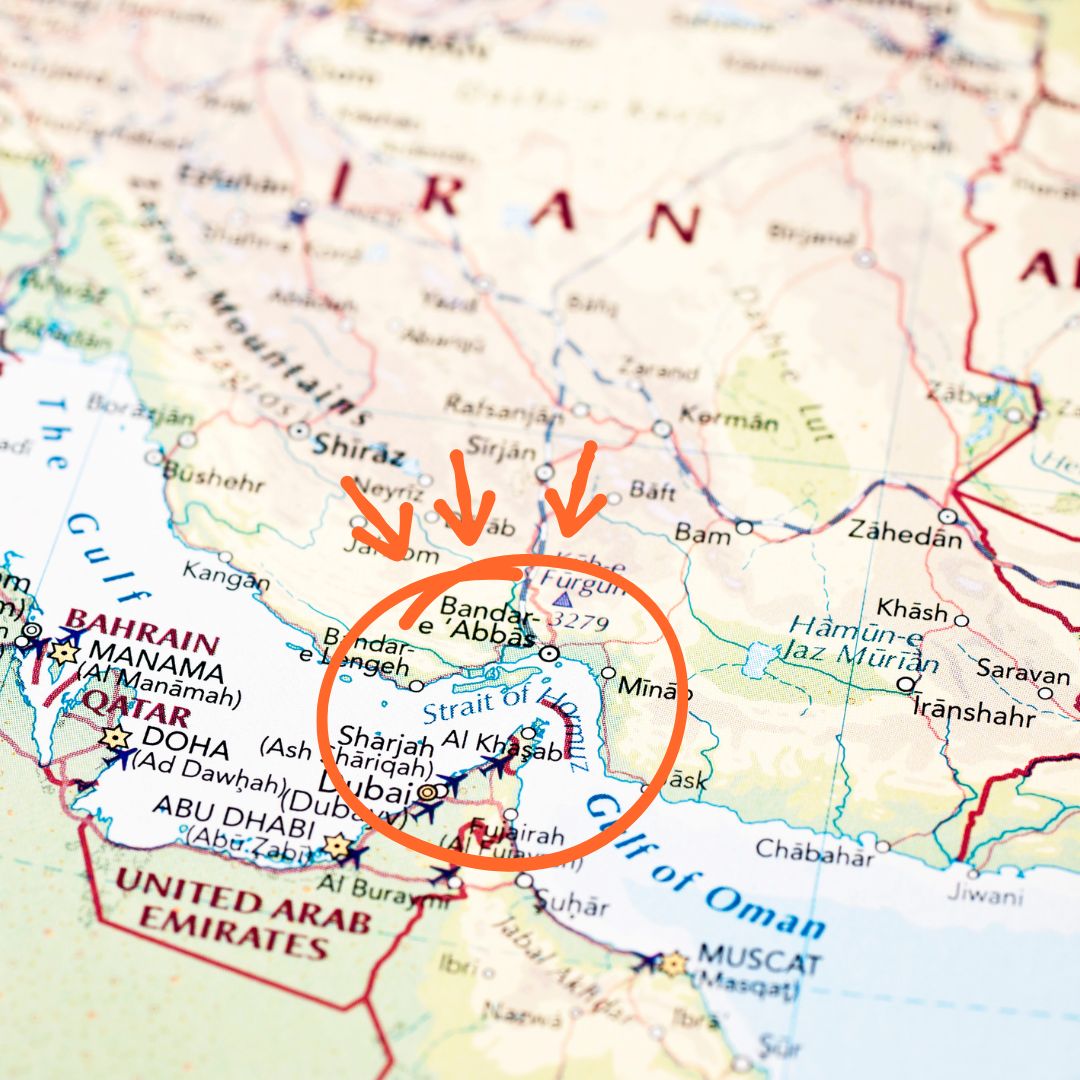
The same trend was evident in crude oil markets. Brent crude opened May at $108/bbl before easing steadily. The most significant decline came after the middle of the month, with Brent falling $11/bbl during the final third of May as concerns surrounding the Strait of Hormuz and wider regional supply disruptions began to ease.
Outlook
The outlook for June remains heavily dependent on developments in the Middle East. Wholesale fuel prices entered the month significantly below their April peaks and, should progress towards a US-Iran agreement continue, further downward pressure on wholesale markets is possible.
Both unleaded and diesel retail-to-wholesale spreads have moved above their six-month averages following the recent decline in wholesale costs. This suggests there remains scope for further reductions at the pump over the coming one to two weeks, particularly if wholesale prices remain stable.
However, the status of the US-Iran conflict and the ongoing disruption to shipping through the Strait of Hormuz remain the key drivers for fuel markets. While volatility has eased from the extreme levels seen in April, any deterioration in the geopolitical situation could quickly reverse recent gains and place renewed upward pressure on wholesale and retail fuel prices.
As usual even though wholesale prices have reduced there has been no sign of retail unleaded prices falling. Why do the prices rise so quickly but fall so slowly? Somebody must be making extra profits!!