
Rising fuel prices are continuing to put pressure on UK motorists, with new research revealing many drivers are cutting back on journeys and household spending to cope with higher costs at the pumps.
A survey of 2,000 petrol and diesel drivers commissioned by temporary car insurance experts, Tempcover, found motorists are now spending an average of £18.20 more to fill up their tanks, rising to £23.10 for diesel drivers, compared to before the fuel price surge in March 2026. With 88% admitting they are concerned about the continued increase in fuel costs, the survey highlights the growing financial strain facing motorists across the UK.
Drivers Cutting Back on Journeys To Combat Fuel Costs*
This financial pressure is already changing behaviour on the road, with over two in five drivers (44%) saying they are driving less as a direct result.
When asked how they are changing their travel habits, the most common responses focus on reducing unnecessary journeys and improving efficiency. Reducing non-essential trips is the most common change (62%), followed by walking or cycling more often (39%) and over one in four (26%) are using public transport more frequently.
Drivers are also adjusting how they plan journeys, with a third (33%) reducing long-distance travel and a similar proportion (33%) combining multiple trips into one. A further 24% say they are planning routes more carefully to reduce mileage.
Everyday Spending Cut Backs To Cover Fuel Costs**
Nearly half of respondents (49%) say they have reduced at least one area of household spending in order to continue paying for fuel. Eating out or ordering takeaways is the most common cutback, with 28% saying they have reduced spending in this area.
Clothing and other non-essential shopping has been cut by 23% of drivers, while 21% have scaled back on social activities, including nights out, events and hobbies. One in six (16%) have reduced spending on holidays or travel, and 13% say they have dipped into savings or investments to manage higher fuel costs.
Essential budgets are also being affected, with 12% of motorists reporting reduced grocery spending as they adjust to rising fuel prices.
Drivers Keep a Close Eye on Fuel Usage*
Motorists are also changing how they buy fuel. More than a quarter (28%) now monitor their fuel usage more closely than before. One in five (20%) are delaying refuelling until absolutely necessary, and 19% are actively choosing cheaper forecourts over their usual station. Around one in six (17%) are making greater efforts to improve fuel efficiency such as checking tyre pressure or reducing vehicle load, and the same proportion are buying smaller amounts of fuel at a time rather than filling up completely.
Fuel price comparison apps and tools are gaining traction, with 14% of drivers now using them to track down the cheapest prices nearby.
Fuel Costs Accelerating the Shift to Electric
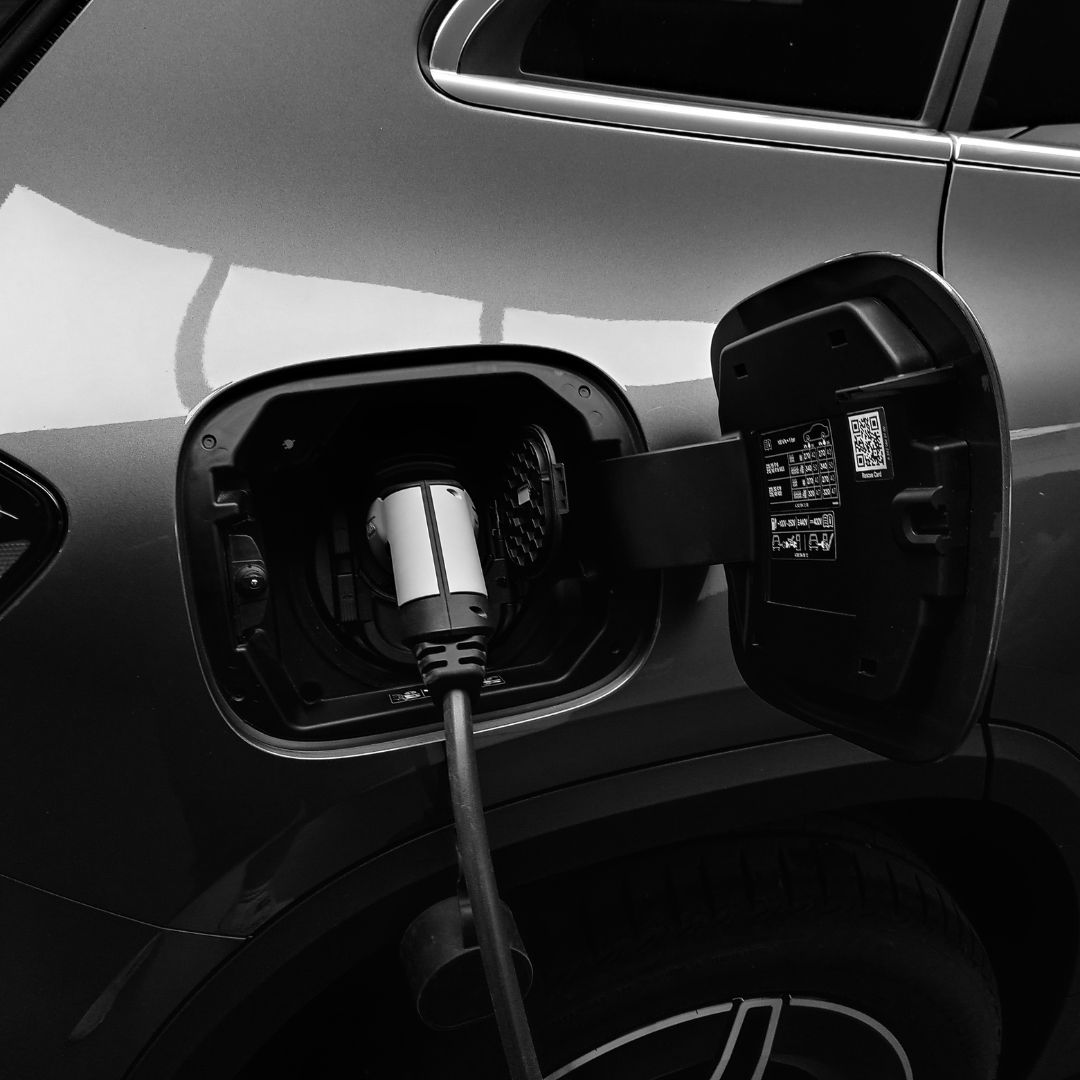
The survey suggests that rising fuel costs are becoming a primary catalyst for the UK’s electric transition. Nearly a quarter of drivers (24%) say they are now likely to switch to an electric vehicle (EV) if fuel prices remain high – a sentiment that aligns with record-breaking adoption across the country. The UK celebrated a major milestone in April 2026 as the two-millionth fully electric car hit the road**.
While a further 28% of survey respondents are eyeing a hybrid vehicle as their next move, very few are willing to abandon car ownership entirely. Only 9% say they would consider parting with their vehicle altogether, compared with 44% who say they would definitely not give up their car.
Overall, the findings suggest that while rising fuel prices are putting immense financial pressure on motorists, car ownership remains a central part of everyday life for most UK households – even if the way those cars are powered is changing.
Claire Wills-Mckissick, temporary car insurance expert at Tempcover adds:
“Rising fuel prices are putting real pressure on household budgets, leading many drivers to change everyday behaviour behind the wheel. We’re seeing a shift towards more conscious driving – combining journeys or cutting back where they can to help manage the cost of getting from A to B.
“In this climate, flexibility is key and drivers are increasingly looking for ways to make their money go further. This includes using comparison sites to track down the cheapest fuel prices nearby or more competitive rates.
“Other options such as temporary car insurance also enable motorists to adapt to these changing circumstances, whether that’s sharing the driving on long trips, borrowing a car when needed, or adding flexible cover for occasional use. It’s about making every mile, and every pound, count.”
Sources & Methodology
This online survey of 2,000 UK petrol and diesel drivers was commissioned by RVU on behalf of Tempcover and conducted by market research company OnePoll, in accordance with the Market Research Society’s code of conduct. Data was collected between 5th May and 12th May 2026. All participants are double-opted in to take part in research and are paid an amount depending on the length and complexity of the survey. This survey was overseen and edited by the OnePoll research team. OnePoll are MRS Company Partners, corporate membership of ESOMAR and Members of the British Polling Council. Unless otherwise specified, all insights are drawn directly from this survey’s results.
*Respondents could select more than one answer option
**https://www.smmt.co.uk/two-millionth-electric-car-registered-as-market-rebounds-strongly-from-tax-changes/
As its government policy to rid the roads of ICE cars, they’re quite happy at the high cost of fuel plus their tax returns are better. Surely no-one expects the crooks to improve matters for the motorists?
Indeed so.
Already Ridiculously Extortionate VED(tax) cost Rises every year.
Road Maintenance is not happening – intentionally – to cause severe damage.
Any, slightest, excuse for siezing(theft) of vehicles.
No action being taken regards offences/crimes commited to vehicles.
Nil Respect is shown to motorists by, pedestrians, or those on less than four wheels.