Drivers to be paid “cash not to drive” in new UK pilot scheme
A £20 million Department for Transport award for ‘future mobility’ schemes has allowed the West Midlands Combined Authority to be the first to introduce the radical concept; an incentive to give up the car, rather than punitive stealth taxation to force us off the road.
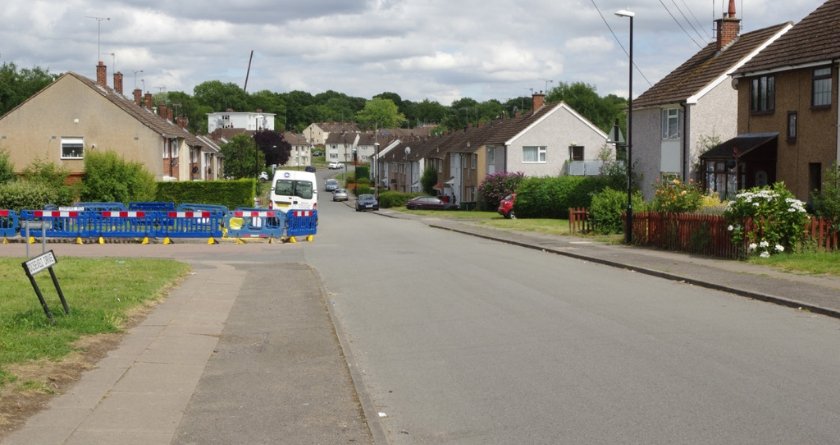
It’s set to launch in Coventry later this year, but if successful, it will be rolled out to other parts of the West Midlands, and then nationwide.
Future mobility scheme
There will be an element of surrendering the car for a period of time (of which hasn’t yet been published), and the idea behind the scheme is to “stimulate a long-term sustainable shift in travel behaviour”, in a bid to reduce pollution and congestion, although some environmental groups doubt that it will have an influence on air quality.
Around 100 people will take part in the scheme initially, and although the pilot stages will be tax-payer funded, it’s thought that if the scheme’s successful, funding will come from private companies, including bus and train operators, and perhaps electric-car clubs.
The pitfalls
Putting aside issues such as the length of time that you’ll need to surrender your car for, whether the vehicle will be removed from your possession, or how it will be stored if it is, we need to look at the bigger picture. This is the first scheme of its type where the motorist has been considered, where incentivisation has been used rather than underhand ‘green’ taxes.
John Seddon, head of transport & innovation at Coventry City Council views it as an update to the scrappage schemes that have been used in the past, but “rather than trading in an older car for a newer one, it is trading in the car for the ability to use other modes of transport”.
It should also be noted that it won’t cost you money (as it would to purchase a newer car), nor are you selling/scrapping or giving up your car permanently – you’ll still have an asset at the end of the period. Effectively what you’re getting is free public transport at the cost of giving up your car for some time.
Congestion & charging
There’s no denying that measures need to be put in place to ease the flow of traffic, and up until now, the responsibility (and therefore the costs) have been directed toward the individual motorist. The argument is that we should leave the cars at home, and use expensive & unreliable public transport – all while paying to park our cars at home.
If successful, the ‘paid to stop driving’ scheme is a complete about-turn in respect of giving up the car, it’s almost like we’re being asked nicely to stop, rather than being told that we will stop, and that’s a marked change in strategy from the government and local authorities and a much-needed one.
Of course, some details need to be clarified – does surrendering the car mean 24/7 car-free? Or just commuting into the city? Will the car remain in our care? What would happen in an emergency?
It’s been said that some anti-car campaigners may not like the idea of actually paying motorists not to use their car. Surely, if they’re as committed to being as green as they say, that’s a small price to pay for helping to reduce pollution, re-educate motorists and bring about a step-change in the reliance of individual transportation?