
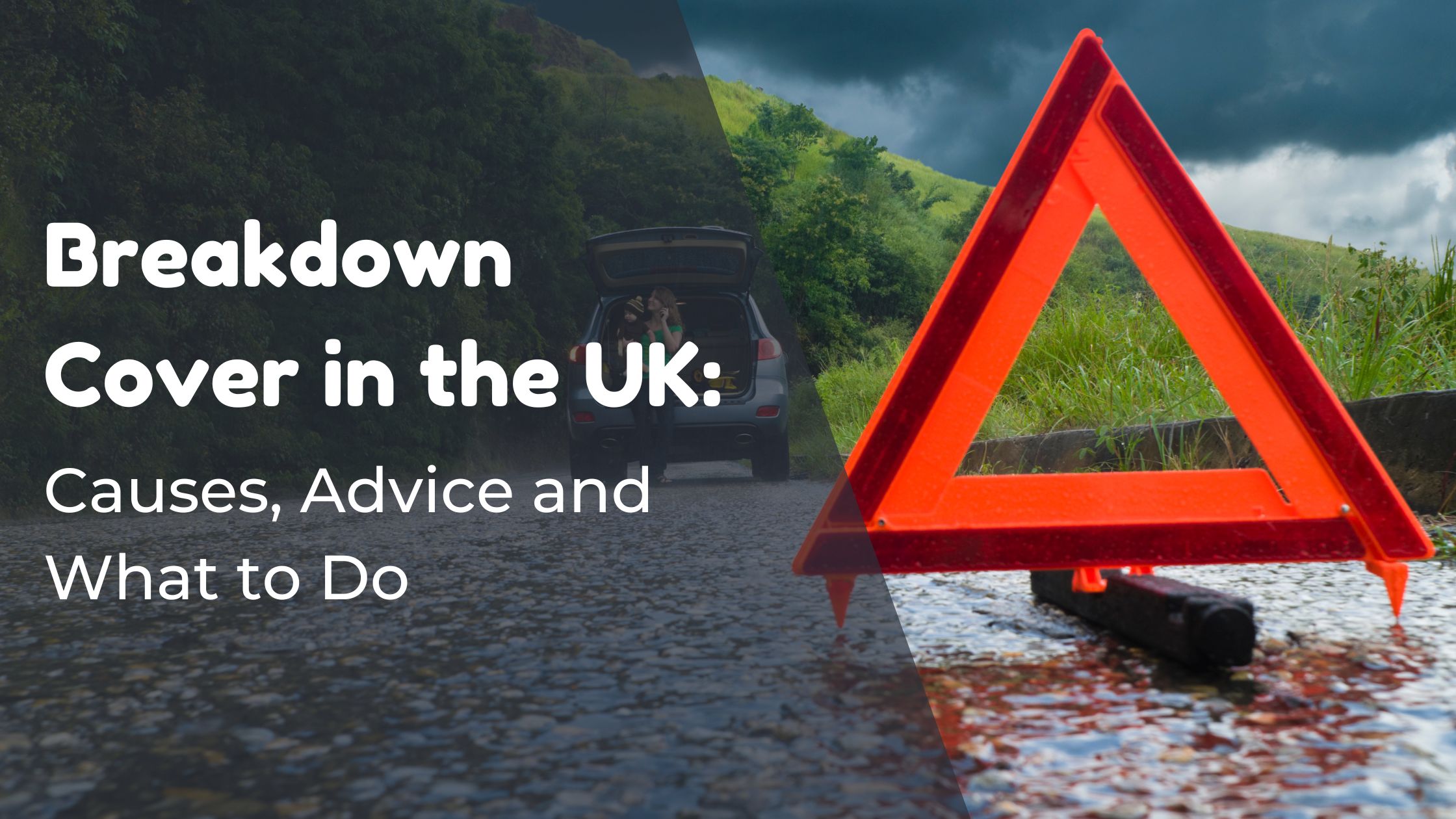
Breakdown Cover in the UK: Causes, advice and what to do
Some content on this page may be sponsored. You can read more on our Editorial Code here.
Around 20-25% of UK drivers do not have breakdown cover for their vehicles. This can open them up to unexpected, and sometimes expensive, additional costs for the household budget. In addition to unforeseen expenses, breaking down without coverage can be stressful, especially if it happens on a busy road in the winter months. According to the AA*, the most breakdowns occur in winter.
Here we look at common reasons for vehicle breakdowns, what you should do if one occurs, and how to prevent it and make the experience as stress-free as possible if it does.
What are the most common reasons for a car breakdown?
The most common causes of vehicle breakdowns include flat or faulty batteries, tyre punctures, engine issues, electrical faults and running out of fuel. Warning lights can also indicate problems that require immediate attention. As expected, the older the car, the more likely it is to break down, and these can occur without warning.
What should you do first if your car breaks down?
The first step is to stop in a safe place, ideally on the left-hand side of the road or in a lay-by. Drivers should switch on hazard lights, turn the wheels away from traffic, and exit the vehicle on the left if it is safe to do so. If you carry a hi-vis vest in your car, put it on when outside the broken-down vehicle so that other traffic can see and avoid you.
Who can you call for breakdown support?
If you have breakdown cover, contact your provider for assistance. If you don’t have cover, options such as the AA, RAC and Green Flag can assist, offering 24/7 roadside assistance nationwide. Organisations like the AA* offer instant cover if you have broken down and don’t have a breakdown plan in place. These providers can help with battery problems, tyre changes, fuel issues or recover the vehicle to a garage if necessary.
Can breakdown services fix the issue at the roadside?
Many faults can be repaired on the spot, depending on the nature of the issue and the tools the patrol carries. If the problem can’t be resolved at the roadside, the vehicle will usually be recovered to a garage or a destination permitted under the specific policy. Drivers should check their cover details for any distance or location limits.
Is breakdown cover necessary?
Breakdown cover is optional, but many drivers find it reassuring, especially for longer journeys or older vehicles. Providers such as The AA* offer different levels of cover, including roadside assistance, home start, recovery or onward travel. As with any regulated product, drivers should review the policy terms carefully to ensure they meet their needs.
The AA is regulated by the Financial Conduct Authority (FCA) and is a long-standing UK breakdown provider offering nationwide patrol coverage.
How can drivers reduce the risk of a breakdown?
Simple maintenance reduces risk significantly. Checks should include oil and coolant levels, tyre pressures, battery condition, lights and fuel levels. Regular service and responding quickly to dashboard warnings can also help prevent unexpected issues.
Read the latest motoring news

Car Gods Snow Foam 500ml & Cannon Bundle – Tried and Tested
Winter brings the usual mix of grit, grime and gloomy roads and if you’re anything like me, that means the car gets dirty fast. I normally give mine...

Will Pump Prices Follow Wholesale Costs Up in November?
Pump prices edged slightly lower through October, with the average price of unleaded at 134.8ppl and diesel at 142.4ppl. But that trend may soon...

1 in 4 drivers now avoid night drives
With the clocks going back an hour this Sunday (26th Oct), darker evenings are upon us until 29th March when the days officially become longer than...
© Copyright 2025 Automate App Limited, 8th Floor South, Reading Bridge House, George Street, Reading, RG1 8LS