
What is Diesel?
A Complete Guide for UK Motorists
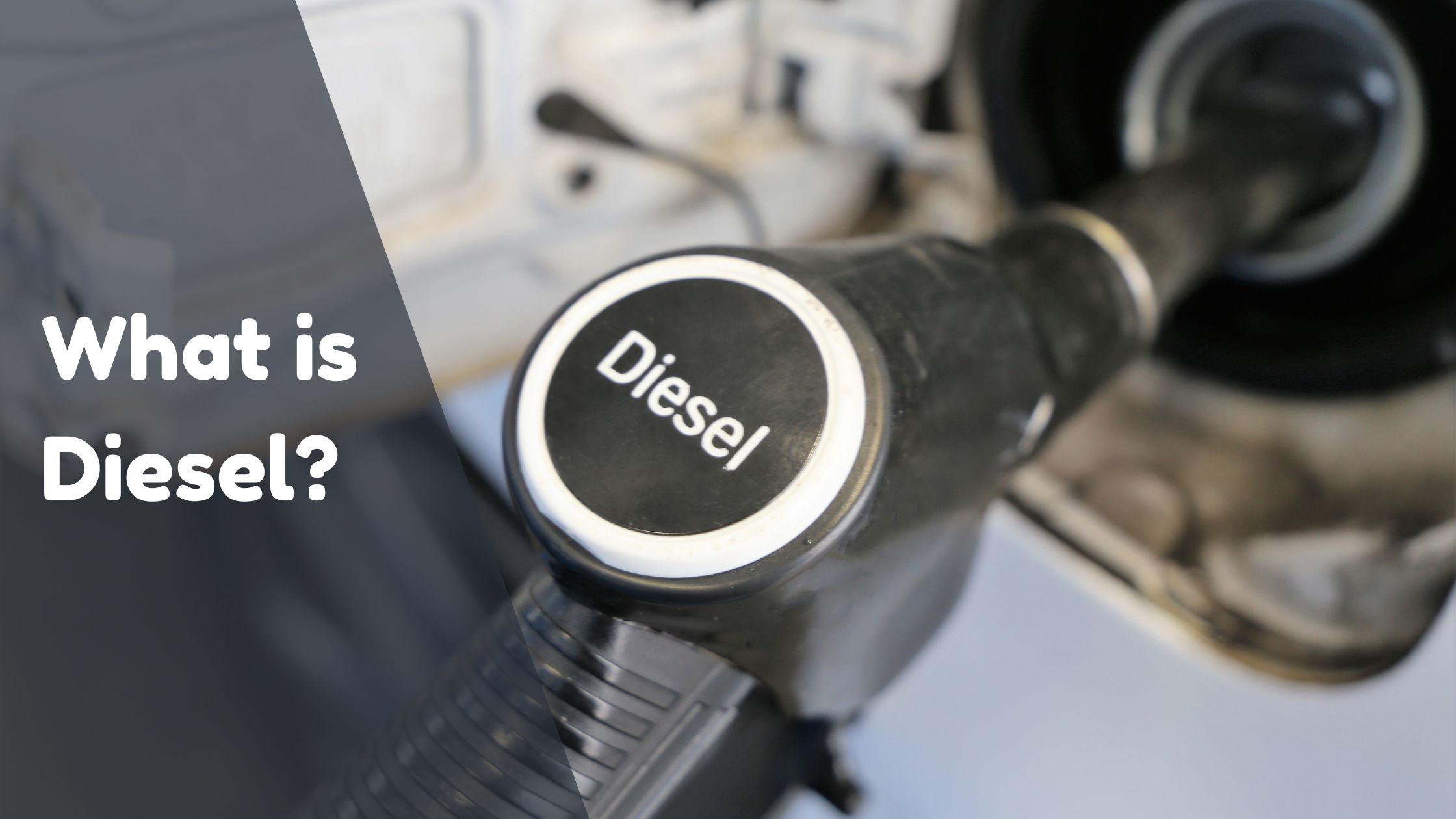
Diesel is one of the most widely used fuels in the world, powering everything from cars and vans to lorries, buses, trains, and ships. Despite its reputation as a workhorse fuel, many drivers are unsure how diesel differs from petrol, or why it has played such a major role in transport and industry.
This guide explains what diesel is, how it differs from petrol, its history globally and in the UK, and how modern biodiesel and renewable fuels are shaping its future.
What is Diesel Fuel?
Diesel is a liquid fuel derived from crude oil through a process called fractional distillation. This process separates crude oil into different components based on their boiling points, with diesel being a heavier fraction than petrol.
Key properties of diesel:
- Ignition method: Diesel engines use compression ignition, meaning fuel ignites when injected into highly compressed hot air. Unlike petrol no spark plugs are needed.
- Energy content: Diesel has a higher energy density than petrol, meaning it delivers better fuel efficiency for long-distance driving.
- Composition: Modern UK diesel is Ultra-Low Sulphur Diesel (ULSD), containing minimal sulphur to reduce emissions.
Diesel vs Petrol: What’s the Difference?
While both fuels come from crude oil, they behave very differently in engines:
| Feature | Diesel | Petrol |
|---|---|---|
| Ignition | Compression ignition | Spark ignition |
| Fuel rating | Centance number | Octane rating (RON) |
| Energy efficiency | More efficient, higher MPG | Less efficient, lower MPG |
| Performance | Performance High torque, better for towing | High revs, smoother acceleration |
| Environmental impact | Lower CO2, but higher NOx emissions | Higher CO2, but lower NOx emissions |
| Price (UK) | Often slightly higher than Petrol | Typically slightly cheaper |
In short:
- Diesel cars are better for long-distance and heavy driving.
- Petrol cars are better for short trips and city driving.
Cetane Number vs RON (Octane Rating)
Petrol and diesel are rated differently because of the way they ignite:
- Petrol is rated by Research Octane Number (RON), which measures resistance to knocking (uncontrolled early ignition). A higher RON means the fuel can handle higher compression without pre-igniting.
- Diesel is rated by Cetane Number, which measures how quickly and efficiently it ignites after injection. A higher cetane number means smoother, quieter, and more efficient combustion.
UK Diesel Fuel Standards
- Standard diesel (EN 590) requires a minimum cetane number of 51.
- Premium diesel can reach 55–60 cetane, offering better cold starts and reduced engine noise.
In contrast, UK petrol is typically 95 RON (regular) or 97–99 RON (premium).
The History of Diesel
The Invention of Diesel Engines
- 1890s: German engineer Rudolf Diesel developed the first successful compression ignition engine, which became the foundation for diesel engines.
- Early 20th century: Diesel engines were adopted in shipping, trains, and industry due to their fuel efficiency and durability.
Diesel as a Fuel Globally
- World War I & II: Diesel became critical for military vehicles, submarines, and tanks because of its efficiency and storage stability.
- Post-war period: Heavy goods vehicles, buses, and eventually cars in Europe increasingly switched to diesel.
- Modern era: Diesel accounts for over 40% of transport fuel in Europe but less than 30% in the US, where petrol dominates.
Diesel in the UK
- 1950s-1980s: Diesel was mainly for commercial and agricultural vehicles.
- 1990s-2000s: UK governments promoted diesel cars as a low-CO₂ alternative to petrol, offering tax incentives.
- 2015 Dieselgate scandal: A turning point that damaged diesel’s reputation.
The Dieselgate Scandal
The Dieselgate scandal erupted in September 2015, when the US Environmental Protection Agency (EPA) discovered that Volkswagen had installed “defeat devices” in millions of diesel cars.
These devices detected emissions tests and temporarily reduced nitrogen oxide (NOx) emissions, making the cars appear compliant. However, in real-world driving, emissions were up to 40 times higher than legal limits.
Impact on Diesel Globally
- Over 11 million vehicles affected worldwide (including VW, Audi, Seat, Skoda).
- Billions in fines and compensation for affected owners.
- Collapse of consumer trust in diesel engines.
- Governments accelerated the shift toward electric and hybrid vehicles.
In the UK, diesel car sales plummeted, and London’s ULEZ expansion targeted older diesels to improve air quality.
Biodiesel and the RTFO
With growing concerns over emissions, biodiesel and renewable fuels have become increasingly important in the UK fuel mix.
What is Biodiesel?
Biodiesel is a renewable, plant- or waste-based alternative to conventional diesel. It can be made from:
- Rapeseed oil
- Sunflower oil
- Used cooking oils
- Animal fats or algae
Modern biodiesel is usually blended with standard diesel in small proportions, such as B7 (7% biodiesel) or B10 (10% biodiesel), which are compatible with most vehicles.
Benefits of biodiesel include:
- Lower CO₂ emissions
- Reduced reliance on fossil fuels
- Supports UK agriculture and waste recycling
However, high-percentage blends like B20 or B85 require vehicles specifically approved for biodiesel use.
The UK’s Renewable Transport Fuel Obligation (RTFO)
The RTFO is a government policy introduced in 2008 to increase the use of renewable fuels in the UK.
Key points:
- Fuel suppliers must ensure a minimum percentage of renewable content across road fuels.
- Standard UK diesel contains up to 7% biodiesel (B7) to help meet RTFO requirements.
- The RTFO helps the UK reduce greenhouse gas emissions and meet net-zero transport targets.
Environmental Considerations
While diesel engines produce less CO₂ per mile than petrol engines, they emit:
- Nitrogen oxides (NOx) – harmful to air quality
- Particulate matter (PM) – fine particles that can affect health
This environmental impact has led to:
- Low Emission Zones (LEZs) and Ultra-Low Emission Zones (ULEZs) in UK cities
- Plans to ban the sale of new petrol and diesel cars by 2035
- Growing support for renewable and biodiesel blends under the RTFO
Key Takeaways for Motorists
- Diesel is a heavier, more energy-dense fuel than petrol, ideal for long journeys and heavy vehicles.
- Cetane rating measures diesel ignition speed, unlike petrol’s RON rating for knock resistance.
- Dieselgate shifted public perception, accelerating the move toward EVs and cleaner fuels.
- Biodiesel and the RTFO are shaping the future of diesel in the UK, making it cleaner and more sustainable.
Read the latest motoring news

Fined and Frustrated: 47% of Drivers Report Unfair Fines While Using Parking Apps
Parking apps are falling short of drivers’ expectations, according to new research from temporary car insurance experts Uswitch. Though designed to...

EG On The Move Bedworth
The Services King FeatureFollow Rich on LinkedInAfter a brief hiatus to take a family holiday to Cornwall, I was back on the road at the end of July...

July Fuel Price Update: Stability Returns to the Forecourt
Fuel prices remained relatively stable throughout July, with unleaded and diesel trading within a narrow range. The average pump price for unleaded...
© Copyright 2025 Automate App Limited, 8th Floor South, Reading Bridge House, George Street, Reading, RG1 8LS