
Six Most Common Reasons for Vehicle Breakdown

There are multiple reasons why a vehicle breakdown can occur. However, there are six common causes for breakdown that you should be aware of, not only to recognise in the event of an emergency, but also to prevent them from happening to you.
Some content on this page may be sponsored. As an Amazon Associate we earn from qualifying purchases. You can read more on our Editorial Code here.
Flat or Faulty Battery
Probably the most common cause of a vehicle breakdown, a flat battery often occurs due to infrequent use. Other causes include only using your car for short journeys, leaving lights or air conditioning on when the car is idle, poor battery maintenance, or simply old age.
If you do not regularly use your car for long journeys, the battery will not have the chance to charge. To combat this and avoid breakdowns, charge your battery every fortnight with a battery maintainer*. You can also improve your vehicle’s battery health by turning off the lights, radio, and air conditioning when you leave the car, plus regularly servicing* your car, when mechanics can check the battery’s condition.
Tyre Problems
Flat tyres are a common cause of breakdown and are often created by a puncture thanks to debris or potholes on the road. Tyres can also lead to breakdowns when they are under or over inflated, worn out, or if the wheel has been damaged. Fortunately, there are ways to care for your tyres that will reduce the chance of incident.
Regularly check your tyre pressure*, particularly if you are about to embark on a long journey. Whilst checking the pressure, be sure to also look at the wear on your tyre tread and take your car to the garage for a replacement if there are signs of damage. When you are driving, take care to avoid hitting curbs and potholes, as these can easily cause punctures. Finally, keep a spare tyre in your car and learn how to change it. A puncture repair kit* is also handy to keep in your vehicle.
Alternator Fault
An alternator keeps your car’s battery working by using energy from the engine. Without it, your battery cannot charge and will become flat, so it is vital that the alternator works properly. If it is faulty, this is a job for a mechanic, so take your car to a garage* to get it fixed.
There are a few warning signs that indicate the alternator is not working correctly. Certain features will not be as powerful as they should be: headlights may be dimmed, windshield wipers may slow down, and your ignition light will turn on. If these warnings occur, contact a local garage or roadside assistance.
Misfuelling
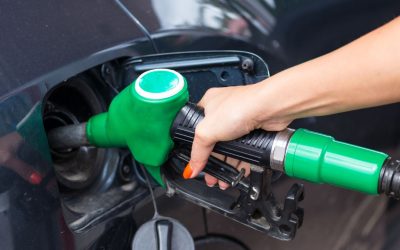
Thousands of people put the wrong fuel in their car every year, so if this happens to you, you are not alone! It is a common mistake but can be a pricey one to fix due to the damage it can inflict on the car’s engine.
If you do put the wrong fuel in your car, do not start the vehicle. Instead, put your car in neutral and push it to a safe place in the fuel station forecourt before calling for roadside assistance. If you have started the engine before realising your mistake, it will be trickier to fix the problem but pull over as soon as you can and phone for help.
Overheating
Hot weather can exacerbate a hard-working engine, leading to a breakdown. Typically, the temperature icon will light up on your dashboard to warn you that your car has overheated, although it is best to catch high temperatures before this occurs.
Keep an eye on your coolant and get your car serviced regularly. Most modern cars do not need their coolant added to between services, so if your coolant level drops unexpectedly, this could be as sign of a leak. Pay attention to your fan system too, as inefficiency here can also be a sign that your car’s cooling ability is insufficient.
Incorrect Engine Oil Levels
Too much or too little engine oil can cause a breakdown. In the case of too little engine oil, your car will cease to work as the oil is needed to lubricate the engine and keep it running smoothly. A low engine oil light may appear on your car dashboard, but you can also do a manual check using a dipstick.
Use the dipstick to check the engine oil: the level should sit between the two markers on the dipstick (you can also check the correct levels in your vehicle’s handbook). If the reading is too high or too low, contact your garage for an oil change.
Read the latest motoring news

The Services King heads to Scotland: The Places to Refuel on a Scottish Road Trip
The Services King FeatureFollow Rich on LinkedInLate September saw me head ‘north of the border’ for my annual Scottish pilgrimage to visit many...

Our Top 10 Gifts for Car Lovers in 2025
Buying gifts for a car lover can feel like a challenge. Car enthusiasts are passionate about their vehicles, often very particular about their tools...
Pressure Builds on Fuel Margins Through September
UK motorists are starting to see pump prices rise after months of stability, as retailers finally respond to sustained increases in wholesale costs....
© Copyright 2025 Automate App Limited, 8th Floor South, Reading Bridge House, George Street, Reading, RG1 8LS