
Brent crude ended December under sustained downward pressure, with prices trading in the low $60’s/bbl for much of the month and dropping to $58.85/bbl on the 16th. Increased drone attacks on Russia’s oil infrastructure and the latest sanctions on Russia’s oil sector helped support prices and gave temporary relief but structural oversupply dominated market sentiment. OPEC+ continued unwinding voluntary production cuts, reinforcing its strategic pivot toward defending market share. At the same time, non-OPEC supply growth from the United States remained strong, adding further weight to prices. The US output increased by 800K bpd year-on-year.
Refined product prices also fell over the month, with wholesale diesel (B7) prices dropping by 7ppl and unleaded (E10) by 5ppl.
The average retail unleaded price closed the month 2.3ppl lower, at 135.1ppl. With most of the price reduction taking place in the second half of the month as price reductions gathered momentum from 11th December onwards. Unleaded reductions outnumbering increases by ten to one post 11th.
The largest reductions were at the major brands; bp, Shell and Esso. Prices at the top of the market fell more aggressively than supermarket retailers, narrowing the premium charged by branded sites. Supermarkets lowered unleaded prices by an average of 2ppl and diesel by 1.7ppl. By month-end, the spread between the four main supermarket unleaded prices had tightened to 0.5ppl, compared with 1ppl at the start of December.
Wholesale pricing trends strongly support further retail price adjustment. Wholesale unleaded prices have fallen by 8ppl since 13th November, driven by ample product availability and subdued demand. In contrast, retail prices remained largely unchanged through early December following an increase at the end of November, before the later reductions took hold. As a result, the retail-to-wholesale spread, which spent much of October and November below its six-month average, has reversed and now sits 4ppl above the average, indicating the opportunity for further potential price cuts at the pump.
Diesel markets followed a similar trajectory. European distillate supply remained comfortable, and mild winter conditions limited seasonal demand.
Sterling traded in a narrow range throughout December, leaving crude and wholesale fundamentals as the primary drivers of UK fuel pricing. Sterling has been supported recently as analyst forecast different approaches to rates cuts between the Bank of England and Federal Reserve in 2026.
Outlook for 2026
The outlook for 2026 remains firmly bearish. The US Energy Information Administration (EIA) forecasts Brent crude to average $55/bbl through 2026, compared with prices near $60/bbl at the end of 2025 and the $60–$65/bbl range that defined much of the year. They also forecast that global oil inventory builds will exceed 2 million barrels per day (b/d) in 2026.
Persistent oversupply, cautious demand growth and OPEC+’s market-share strategy point to sustained pressure across crude and refined products.
With retail margins currently elevated, continued reductions in UK unleaded and diesel prices are expected as wholesale weakness feeds through the supply chain. While extreme regional lows, such as 107.9ppl recorded in Liverpool, are not representative of national pricing, the overall direction of travel for UK motorists in early 2026 is lower average fuel prices, albeit with ongoing regional and retailer-specific variation rather than uniform declines.
What are fuel prices like where you live right now? Let us know in the comments.
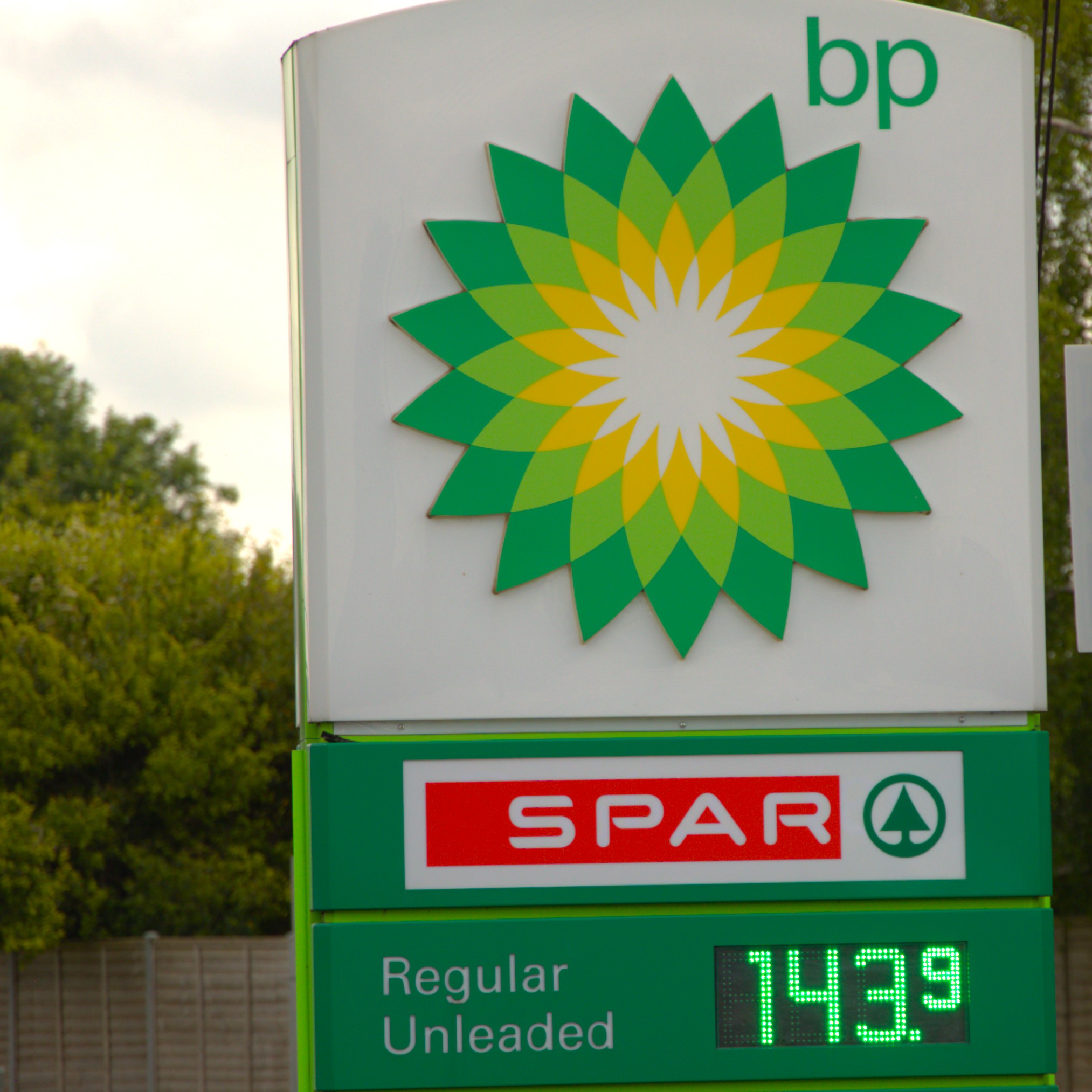
Diesel prices are high in the Scarborough area at 145.9 being sought at the pump frequent. A few garages have dropped the price to 143.9 now following the recent falls at the supermarkets. A little further away in the Driffield area and the story is different as one garage began by being price competitive forcing the others to follow so there is a bit of a war on. The retail diesel price here is 139.9 now and at one garage at 138.6 so clearly bigger profits are being made in the Scarborough area and garages are ‘sticking together’. In Hull the prices vary quite a lot from one garage on the Beverley road charging 146.9 but at the Tesco Supermarket close by to this so called competitor now at 138.9. How do some garages stay in business or are their buyers stupid and pull in when they fancy buying without a thought to their pockets.
Today’s (2.2.26) price for unleaded petrol at the Runcorn Asda Hallwood site were 135.9 p/Litre – so much for the price guide quote of 129.5p. ??