
Since the US–Israeli strikes on Iran on the 28th February, UK fuel prices have risen sharply, with diesel experiencing the most significant increases.
- Average diesel pump prices have climbed from 141.8ppl to 181ppl, an increase of 39ppl.
- Unleaded has risen by roughly half that amount, increasing by nearly 20ppl, to exceed 150ppl, up from 132ppl at the end of February.
With VAT removed, diesel now stands at 150.8ppl, up from 118ppl, an increase of 32.6ppl. This compares with a wholesale increase of 41.3ppl, equivalent to a 74% rise. The gap between wholesale and retail pricing highlights the extent to which rising costs have not yet been fully passed through to consumers. This is largely due to existing forecourt stock, purchasing strategies and increasing pressure on retailer margins.
In the short term, these margins are unsustainable. To return to historic norms, diesel prices would need to rise by an additional 10–15ppl, making prices in the 190ppl range increasingly likely.
Unleaded (E10) has followed a similar, though less severe, trajectory. Wholesale E10 prices have risen by 20ppl, compared with a 16ppl increase at the pump. A further 4–8ppl increase would restore typical margins, pushing average unleaded prices into the mid-150ppl range.
Demand dynamics have also shifted. Rising prices have prompted motorists and businesses to fill up ahead of further increases, leading to reports of localised stockouts. These shortages do not reflect a fundamental supply issue in the UK, but rather short-term strain within supply chains and pricing allocations.
At a supply level, volatility has been compounded by reduced blending benefits. Diesel sold at the pump typically contains up to 7% biodiesel (FAME), while unleaded is blended with ethanol. Suppliers adjust blending ratios to optimise costs and meet regulatory obligations. However, FAME prices have remained largely flat, while mineral diesel prices have surged. As a result, the renewable component of diesel has fallen from approximately 8ppl earlier in the year to less than 1ppl, eroding a key margin support for suppliers. This has restricted availability under contract pricing, pushing more volume into higher-priced spot markets.
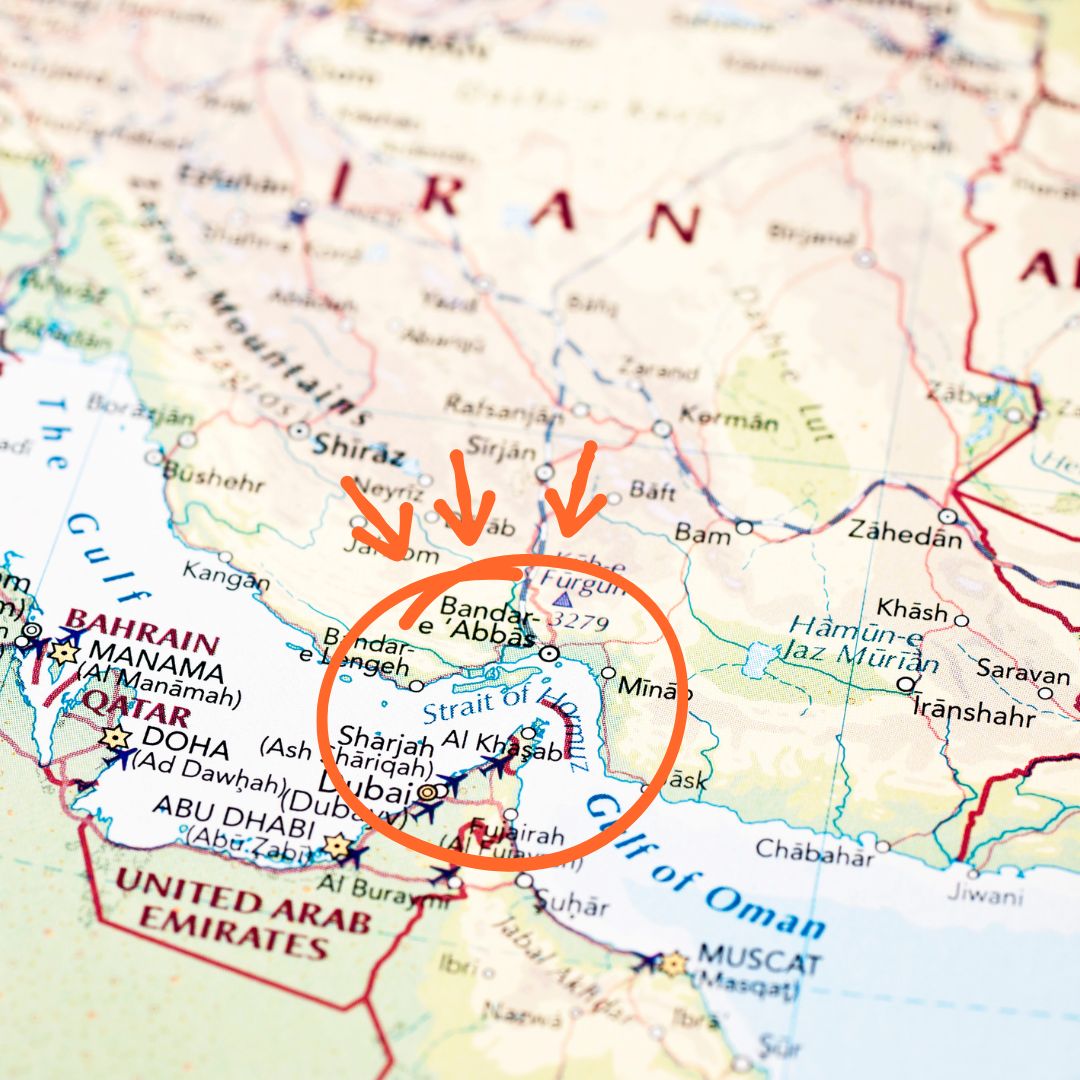
Attention is now turning to the potential secondary impacts of disruption in the Strait of Hormuz. Although less than 1% of the UK’s oil supply is sourced directly from the Persian Gulf, global trade flows are highly interconnected. Any disruption forces Asian, African and Australasian buyers to source alternative barrels, tightening supply into Europe and the UK.
Higher prices are also increasing government revenues. The rise in diesel prices has added approximately 6.5ppl in VAT, with unleaded contributing an additional 4ppl, equating to roughly £6.4 million per day in additional tax revenue. However, this assumes stable demand. Sustained high prices are likely to reduce consumption over time, as motorists drive less or shift to alternatives.
This continues a longer-term trend of declining UK fuel consumption since its peak in 2005, alongside peak fuel duty and VAT revenues in 2012, when duty was 57.95ppl.
UK Industry is calling on the government to act on fuel prices by addressing duty, VAT or both. Norway and Australia have joined Ireland in cutting fuel tax to help soften the impact of rising fuel prices. While Poland has introduced price ceilings, and France has announced financial support for farmers. Currently, the UK government hasn’t acted, and September’s end to the 5ppl (6ppl with VAT) duty cut is still in place.
Feeling the impact of rising fuel prices? We want to hear how it’s affecting your daily life and driving habits. As a thank you, you’ll be entered into a prize draw to win a £50 Amazon voucher.
The UK government being full of Shylocks will look at ways to increase their profits and beggar the people. Easing the financial pain of the people never enters the equation.
So an extra £6 million plus a day in tax that they were not expecting in their forecasts. They could afford to cut some fuel duty and then add it back on as the price comes back down in the future.
Why is petrol going up every day? It’s already in the tanks and been paid for. So just cos the wholesale price rises doesn’t mean they should put it up before they have to restock at higher price.
i do alot of driving just keep searching for best fuel price using you guys