
One of the leading mobility trends of the last decade appears to have stalled in the UK. Zipcar, the car-sharing group owned by Avis Budget, has announced that Zipcar UK will suspend new bookings after 31st December 2025, pending the result of a consultation with employees, which began on 1st December. Zipcar’s business outside of the UK will not be affected by this decision.
Zipcar was founded in Boston, Massachusetts, in 2000. It opened its London office in late 2006. Avis Budget acquired Zipcar in 2013 for $491m (£371m).
Zipcar offers cars and vans across London that can be rented on the street for between £6 and £15/hour, including fuel, insurance, and breakdown cover – all managed via an app. Users are billed for the time used and for mileage if they travelled a long distance. Some cars are based in specific locations, with many councils marking out car-sharing parking spaces and requiring them to be returned to those locations. Others can be used for one-way journeys and dropped off across central London, as well as at Gatwick and Heathrow airports.
Last year, Zipcar closed its operations in Oxford, Cambridge and Bristol to focus on London. Zipcar’s 2024 UK revenues of £47m, down by £3.95m on the previous year, accounted for a tiny proportion of Avis Budget’s overall annual revenue of $12bn. A loss of £11.7m in 2024 gave the parent company little incentive to continue.
Zipcar’s most recent accounts for 2024 said revenues had fallen as drivers were taking fewer, shorter trips. “These changes reflect the ongoing impact of the cost-of-living crisis, which continues to suppress demand for discretionary spending,” it said.
Zipcar’s planned closure date coincides with the London mayor’s decision to introduce a new £13.50 daily congestion charge on electric vehicles, a move that would hit any Zipcar that is picked up outside the zone and driven through central London. A third of Zipcar’s 3,000 vehicles were electric. The company had already said it would pass on the cost to drivers, substantially raising the price of a car journey through the heart of the capital — and making it much less financially attractive.
According to the newsletter London Centric, “The arrival of Uber in the mid-2010s ate into Zipcar’s business model of enabling people nipping around London for short car trips. It’s also reasonable to assume that some people who might have been tempted by a one-way Zipcar Flex in the past are now choosing to pop on a much cheaper Lime e-bike.”
Collaborative Mobility UK (CoMoUK), a transport charity, Zipcar accounted for 40 per cent of the UK’s car club fleet. Car sharing is seen as a way of reducing the problems associated with vehicle ownership. Most cars are parked for 95% of the time, using up space. They also require large carbon emissions to produce, and people who do not own cars tend to walk, cycle and take public transport more. That benefits cities – reducing congestion and pollution – and further improves people’s health by building more exercise into their daily routines.
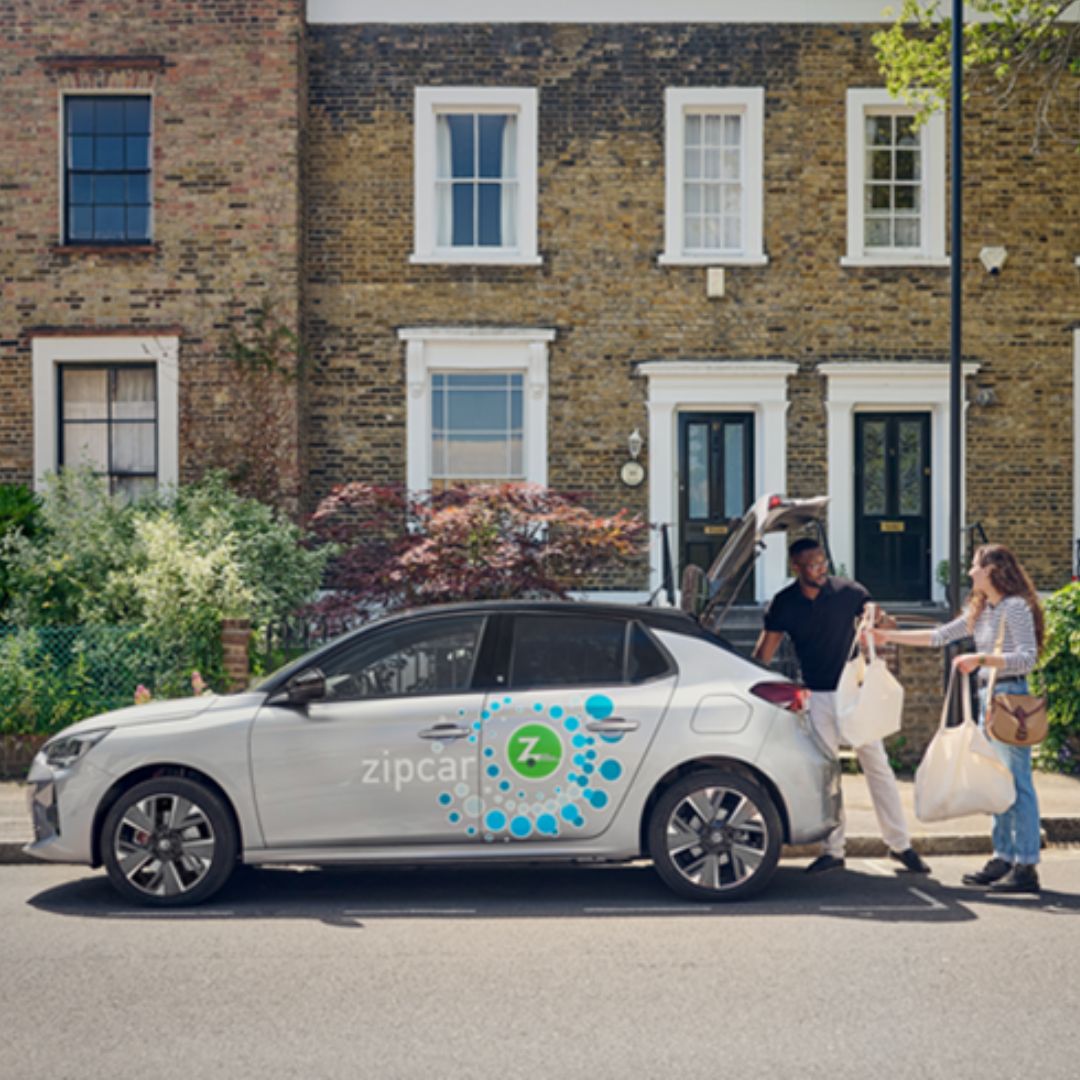
Zipcar’s 650,000 registered users will now have to look for other ways to travel around the city.
In the anti-personal car ownership of the present government, it is not surprising that an operation like zipcar will be in a much reduced market with little chance of survival