2024: Essential Car Gift Guide

2024: Essential Car Gift Guide

Searching for the perfect gift for the car enthusiast in your life? Whether you’re shopping for a new driver, a seasoned motorist, or someone learning to hit the road in 2025, our updated Top 10 Gift Ideas is packed with thoughtful inspiration. We’ve got something for everyone, including ideas for experienced drivers and even those who may need a little extra support on the road.

Most of us spend a considerable amount of time in our cars: perhaps you commute to work in your vehicle, use it to visit friends on the weekend, or ferry the kids around in it. Whatever the reason, you are in your car a lot, so it is important to ensure that it contains the essentials that will have you prepared for any eventuality. To keep yourself and your vehicle safe, pack these ten things that you should always have in your car, no matter where you are going.

Some content on this page may be sponsored. As an Amazon Associate we earn from qualifying purchases.. You can read more on our Editorial Code here

Emergency Triangle & High Vis Jacket

High visibility items are important safety tools if you break down. A high vis jacket will increase your visibility to other drivers on a motorway or busy road if you need to leave your car. An emergency triangle acts similarly when placed at safe distance (at least 45 metres) from your stationary car and can be purchased online or from a car parts shop. Remember that the Highway Code does not permit you to use an emergency triangle on a motorway. This pack covers both, a great last minute gift for the new driver in the family. 

Relevant Insurance Documents

Whilst we would not recommend keeping all your car’s documents in the glove compartment due to risk of theft, it is handy to keep a paper copy of your insurance information in your vehicle. Best stored in a plastic wallet for weatherproofing, keep insurance information – including your policy number, breakdown details, and provider contact details – to hand to save you hassle in the event of a breakdown. Some providers have apps where your membership details can be saved, so consider downloading your provider’s app if available.

Seasonal Items

Pack items that will be of assistance during the relevant season in which you are travelling. In the autumn and winter, a de-icer, antifreeze, tow ropes, and even a snow shovel can help you in a weather-related incident. During the warmer months, sunglasses, suncream, and spare water bottles will be useful if you find yourself stranded on the road.

Torch

A torch is a lifesaver if you break down at night or need to make a repair to the underside of your car. To ensure your torch works when needed, purchase either a wind-up torch, or an LED model with a long-lasting battery life. Pack a couple of extra batteries in your car to be on the safe side. For only £3.50 this LED one is a great stocking filler.

Portable Phone Charger

We take our phones everywhere, and the car is no exception. Even if you charge your phone before you embark on a journey, there is still a chance that your battery can drain if you end up on the road for longer than anticipated. A portable phone charger is a great gadget to keep in your car (remember that it needs to be charged itself) and can save you from being stuck without any means of contact. Of course, do not use your phone when you are driving, as this is illegal and can cost you points on your licence and a fine.

Relevant Insurance Documents

Keep a first aid kit with basic supplies so that you are prepared for any kind of incident. A basic list to build your fist aid kit would include plasters, disinfecting wipes, bandages, and pain relief medication. It is also a good idea to store a couple of doses of any prescribed medicine that you take, just in case you unexpectedly need to stay away from home for a night or two. If you do have a medical condition, keep details of this in your first aid kit for medical personnel to easily access in an emergency. Here’s our favourite.

Car Manual

You might already have this somewhere in your car, so move your car manual to an easily accessible spot. Not only can it decode those confusing symbols that light up on your dashboard, but it will also tell you how to check your tyre pressure, change the headlight bulbs, or any other technical details you need to know. In the event of an emergency, you may be able to solve an issue yourself with the help of your car manual.

Blankets & Warm Clothing

Particularly during colder months, store blankets and spare warm clothing in your car. Even some summer nights can turn chilly, so don’t be caught out without extra layers in case of a breakdown. Blankets will also be welcomed by passengers on night trips and can save your car upholstery from muddy paws, should you take your dog with you on your journey. This waterproof find is a good option. 

Water & Food

Snacks and drinks will come in handy, not just to keep all occupants happy during long journeys, but to keep your energy and hydration at safe levels for competent driving. Store food and water within easy reach to tide you over in case of traffic jams or breakdown. Spare water can also be helpful if you need to top up your radiator.

Paper Maps

Whilst we usually rely on satellite navigation or our phones to direct us, there are occasions when these digital helpers can fail, and we need to use a paper map. Keep a UK roadmap in the car and you will have a tool to fall back on should your phone battery expire or your sat nav give up on you. 
Did we miss something? Share your thoughts – what’s the best car-related gift you’ve ever received? Let us know in the comments!

Auto experts reveal what drivers should do if their brakes fail as frosts expected this week

Auto experts reveal what drivers should do if their brakes fail as frosts expected this week

The Met Office has predicted snow in November across the UK, and while the snowy weather might make for extra cosy nights curled up on the sofa, it can be particularly harsh on our vehicles. As the weather gets colder and wetter, our brakes, in particular, can become more susceptible to damage like rust or freezing. 

In the colder, wetter seasons, drivers should check their brakes more frequently to ensure their car has optimum braking power on wet or icy road surfaces. 

However, new research from Dick Lovett can reveal that a whopping 3 in 10 (30%) drivers admit to not performing safety checks on their car’s brakes. That’s the equivalent of over 12.4 MILLION* drivers at additional risk of potentially life-threatening brake malfunctions. 

And while most modern cars will be fitted with sensors to warn you when something isn’t quite right or needs to be replaced in your brake system, technology can fail, so it’s vital drivers carry out thorough safety checks on their brakes ahead of the winter weather. Or have a professional check them over. 

As such, to help drivers remain as safe and prepared as possible for winter brake malfunctions, the experts at Dick Lovett have pulled together the 8 steps drivers should take if their brakes fail. See below: 

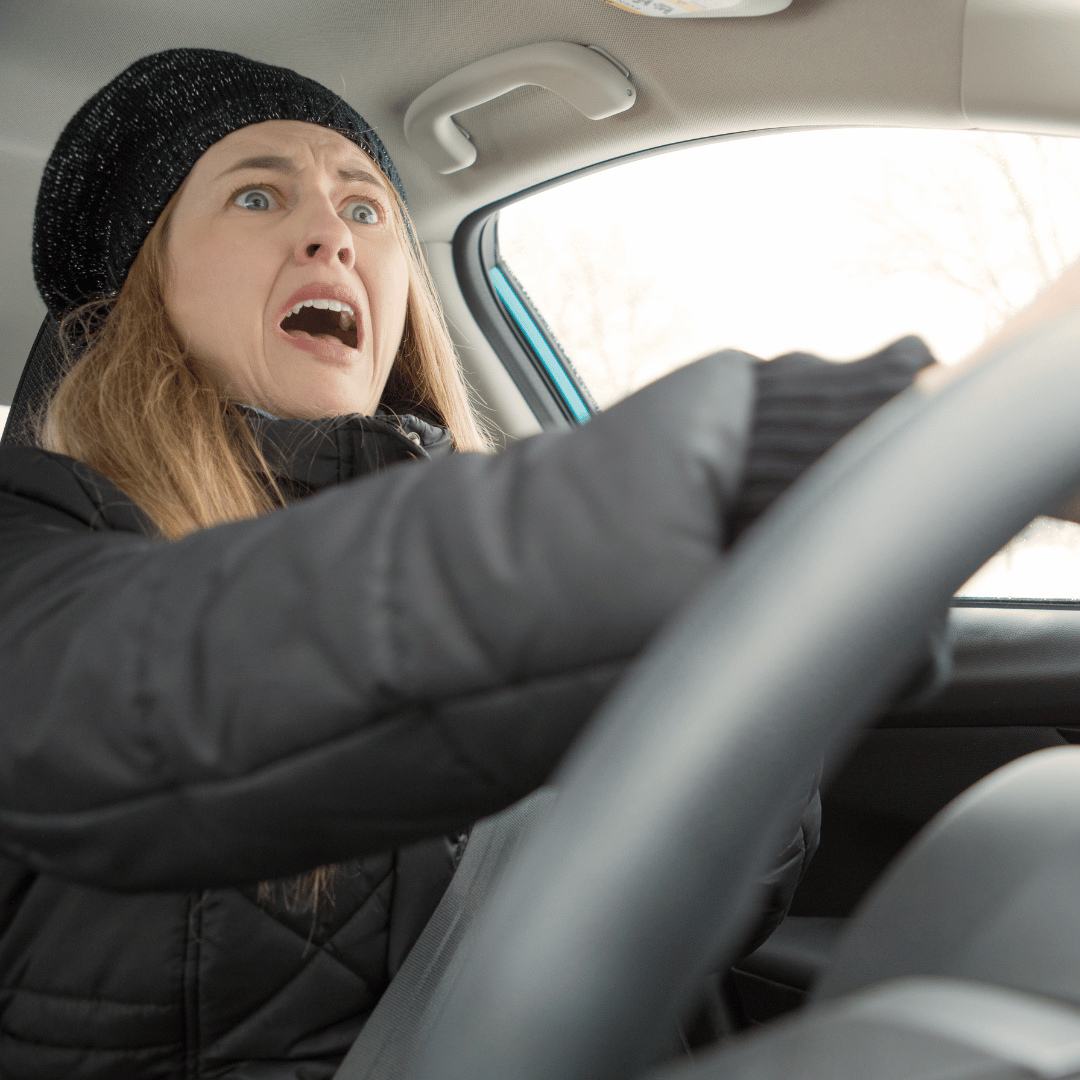
Don’t panic

Don't Panic

Remaining calm and quickly – but efficiently – working your way through the below steps is vital if your brakes fail while driving. 

In even the best of driving conditions, keeping a clear and cool head is the key to success. So, it’s in the best interest of yourself and other road users that you engage your ‘fight mode’, rather than your ‘flight mode’. 

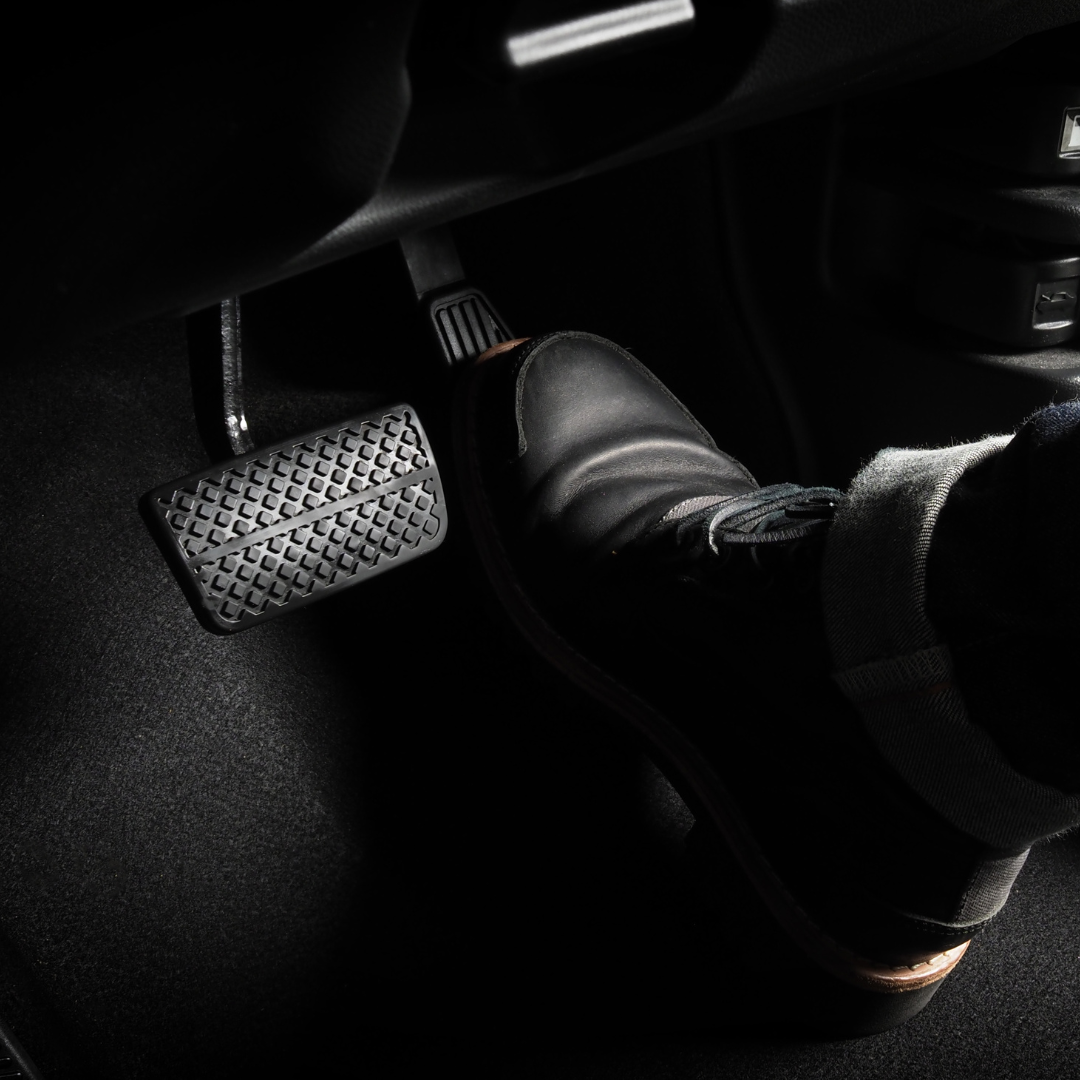
Come off the accelerator and check for any obstructions

Come off the accelerator and check for any obstructions

While this might go without saying, it’s important to come off the accelerator completely. When your brakes fail, your goal is to slow down and get out of the way of other traffic as quickly and safely as possible. 

If the road is clear and you have enough time, it’s important to check underneath your brake pedal for any obstructions. Car floor mats can wedge behind the brake pedal, meaning you can’t press it down fully.

Try the handbrake

Try the handbrake

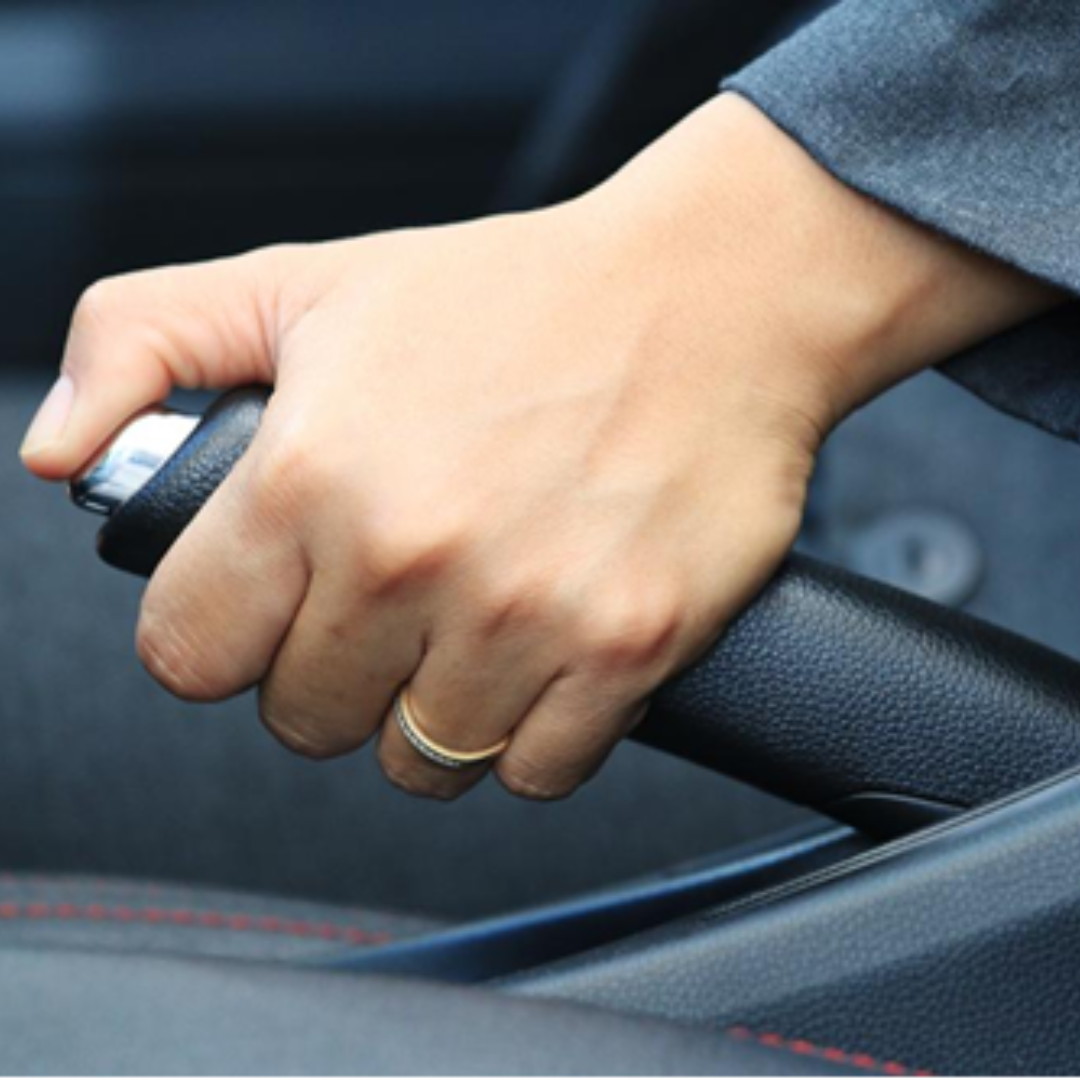
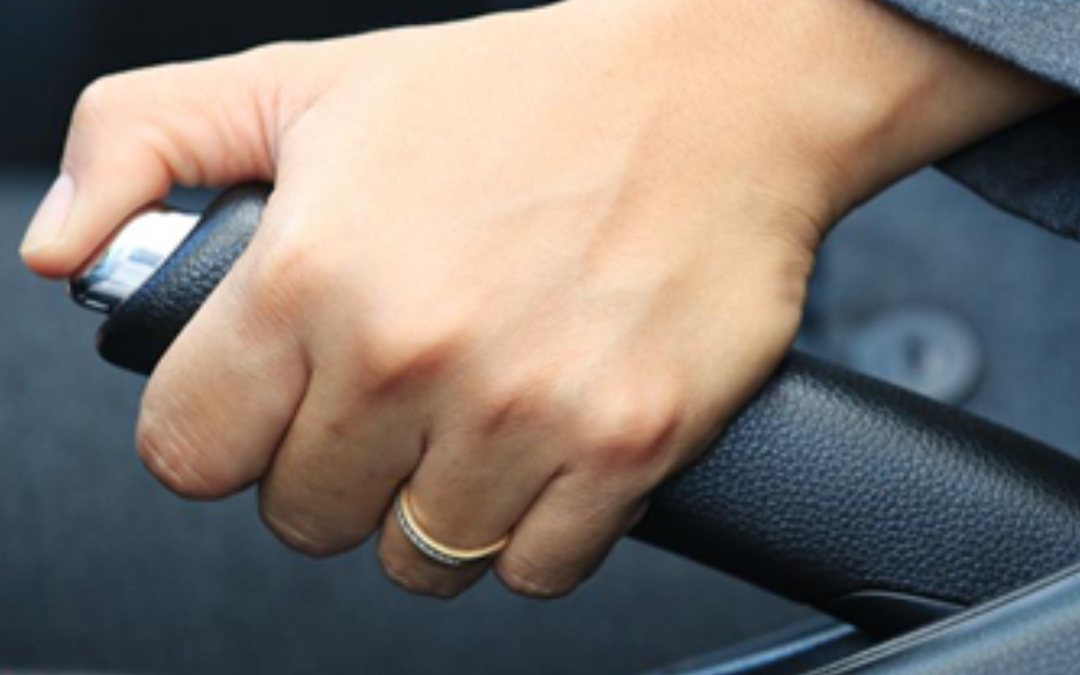
Once you’ve begun engine braking, you’ll want to try your car’s handbrake. You can think of it as your ‘emergency brake’. 

It can slow your car because it works separately from your car’s regular hydraulic brakes. 

If your normal brakes fail, to help your car slow down while downshifting through the gears, you can slowly pull up on the handbrake to come to a complete stop. 

If you have a newer vehicle, the parking brake might be engaged using a button, in which case you won’t be able to gradually brake using this option. It’s important to read your operating manual to know exactly how to emergency brake for your vehicle. 

Downshift your gears…slowly

Downshift your gears…slowly

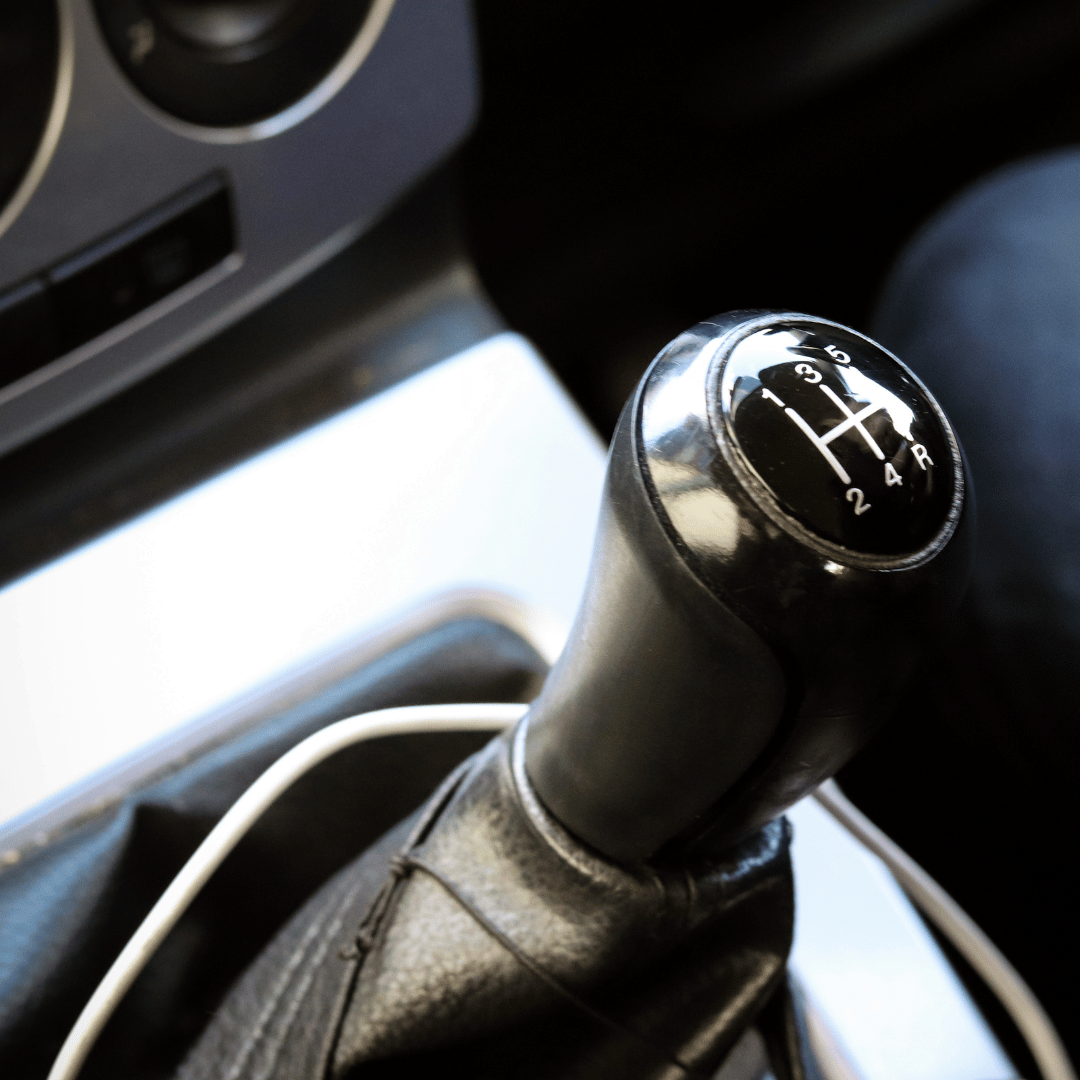
It’s important to remember that if your brakes fail, you should not shift to neutral. Instead, you’ll want to downshift through the gears normally. This is known as ‘engine braking’, and it’s important to do this slowly as suddenly going from a high gear, like sixth, right down to first will cause a whole host of other mechanical issues. 

In fact, drivers might want to consider using engine braking in non-emergencies too, as it can help to reduce wear on your vehicle’s braking system as it isn’t using the friction of your brake pads and discs. 

While drivers of manual cars should hopefully be able to stop their vehicles using gear braking, there’s still the question of what to do if brakes fail in an automatic car. 

Our previous tip about off the accelerator is particularly important for drivers with automatic vehicles, as coming off the accelerator should automatically cause your car to shift to lower gears. Similarly, newer automatic vehicles will have paddle shifters (usually located on the wheel) that allow drivers to manually change the gear the car is in. 

Engage your hazard lights

Engage your hazard lights

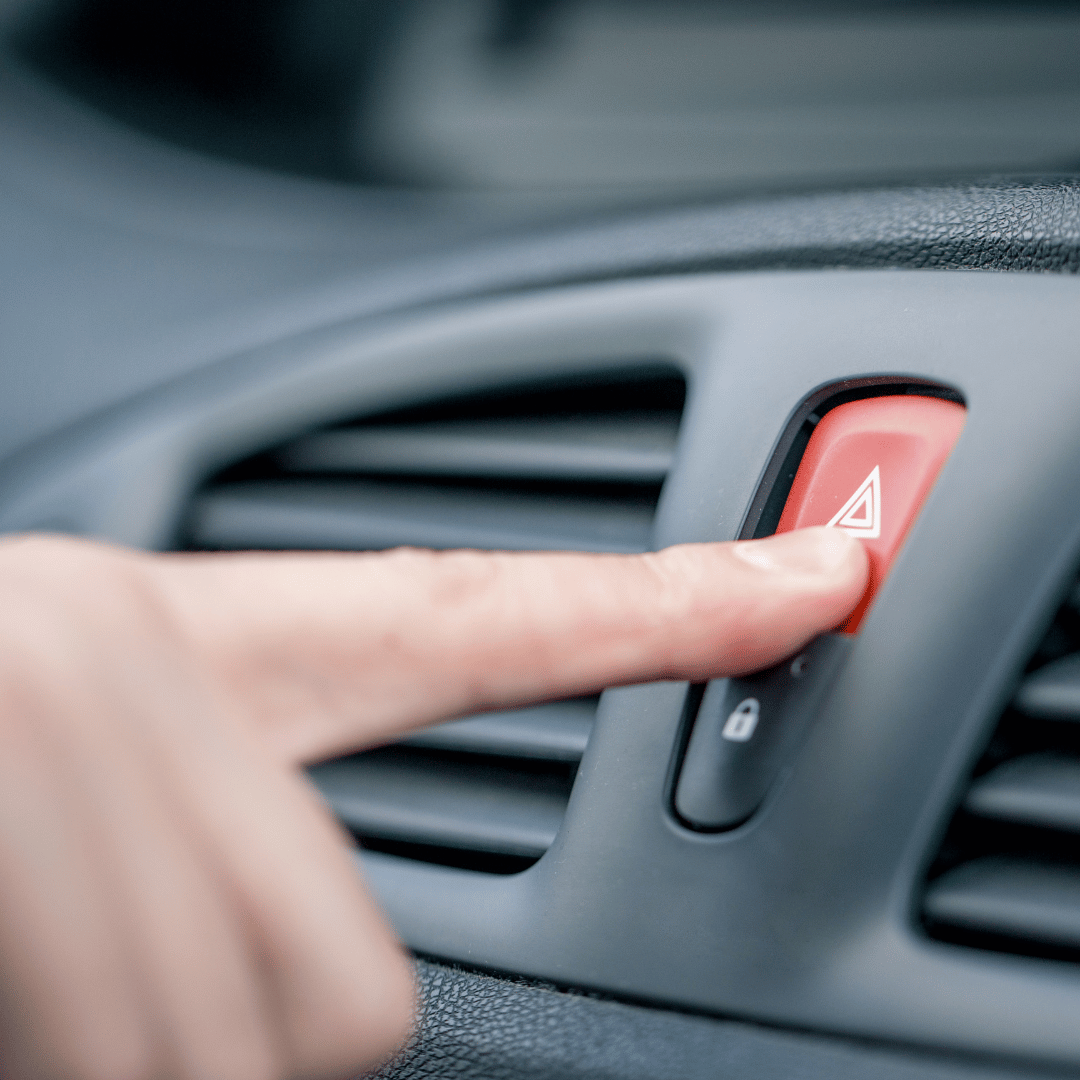
When your car is malfunctioning, it’s vital to turn on your hazard lights and signal to other drivers that something is wrong with your vehicle. You can also signal your horn to notify other drivers. 

While doing this might not allow other drivers to fully understand that your brakes have failed, it will let them know that there’s a problem, so they can make the necessary manoeuvres that you’re not able to make to avoid collisions and road traffic accidents. 

Don’t turn off your car

Don’t turn off your car

It might seem logical to turn off the car to disengage the engine from pushing the car forward, but you should avoid doing this if your brakes fail. 

Turning off your ignition will typically shut down your power steering, which means your car will be more difficult to turn or even lock the steering wheel into place. Depending on where your brakes have failed, this could potentially be lethal. 

Steer yourself to safety

Steer yourself to safety

As your vehicle slows, it’s crucial to steer yourself to the safety at the side of the road, or up an incline slip road. 

It’s much safer to stop at the side than in the middle of the road for the sake of yourself and other drivers. 

Use crash barriers (if all other brake options fail)

Use crash barriers (if all other brake options fail)

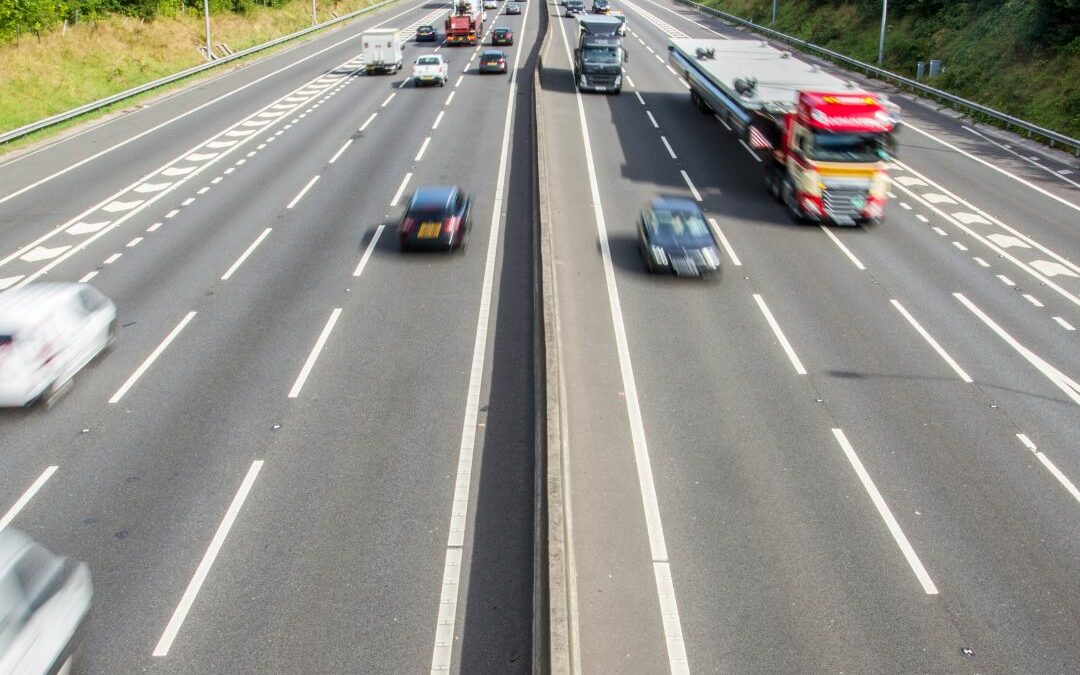
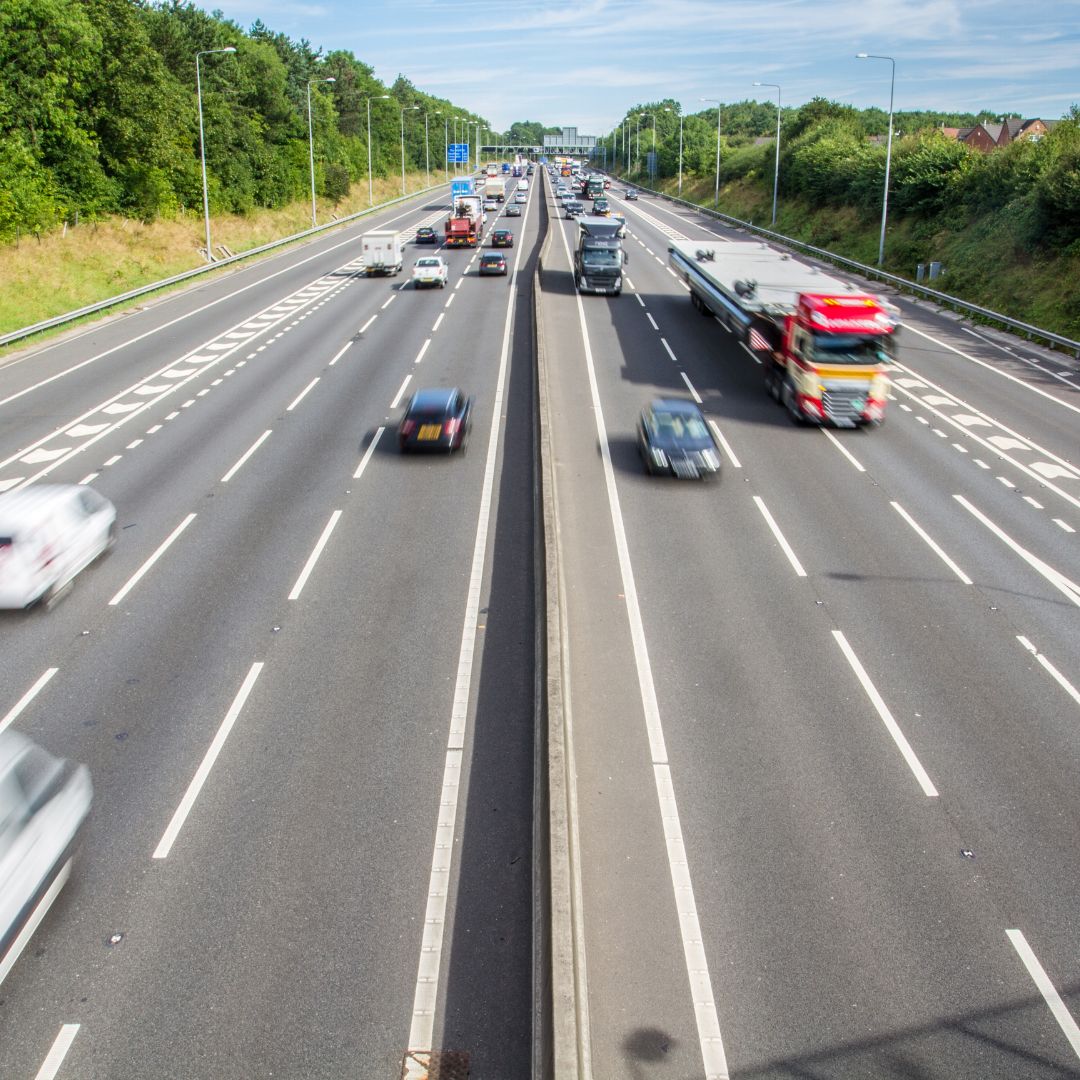
If your brakes fail while you’re driving on a motorway or bypass, it may be necessary for you to use the crash barriers to avoid colliding with another car. You can scrape the side of your car along these to slow down. 

While it’s unlikely that one of the methods above won’t help to slow your vehicle, it’s useful to have this in your mind as a last resort to bring your vehicle to a halt.

Statistics from a Dick Lovett survey of 1,000 British drivers (aged 18+) between 21st and 24th Oct 2024 conducted by 3Gem.  

Fuel Prices Hold Steady in October Amid Budget Rumours – but What Does November Look Like?

Fuel Prices Hold Steady in October Amid Budget Rumours – but What Does November Look Like?

During October, fuel prices remained almost unchanged in what was ultimately a very stable month at the pump.

After a month of rumours about what would be included in Rachel Reeves’s first budget and if fuel duty would be increased by five or even seven pence per litre (ppl), the fuel retail market hardly even moved. Reeves announced an extension to the current duty cut and a continued freeze on the duty escalator, meaning that fuel duty will remain at 52.95ppl beyond March 2025.

Unleaded and diesel supermarket prices increased by 0.6ppl and 0.4ppl, respectively, during October; the rest of the market moved slightly more, with a 0.9ppl unleaded increase and 1.2ppl on diesel. The average price of unleaded was 134.9ppl at the close of the month and 139.9ppl for diesel.

The rather steady month was a result of stable wholesale prices. Brent crude oil, the main feed component for unleaded and diesel, opened in October at $73.56 and closed, almost unchanged, at $73.16. There were early price increases at the front of the month as prices rose to $80.93 before falling back to the month’s low of $71.12 on the 29th. The exchange rate between the US dollar and the Great British pound fell slightly during October from 1.33 to 1.30 $/£. This drop increases prices once converted from dollars into pounds.

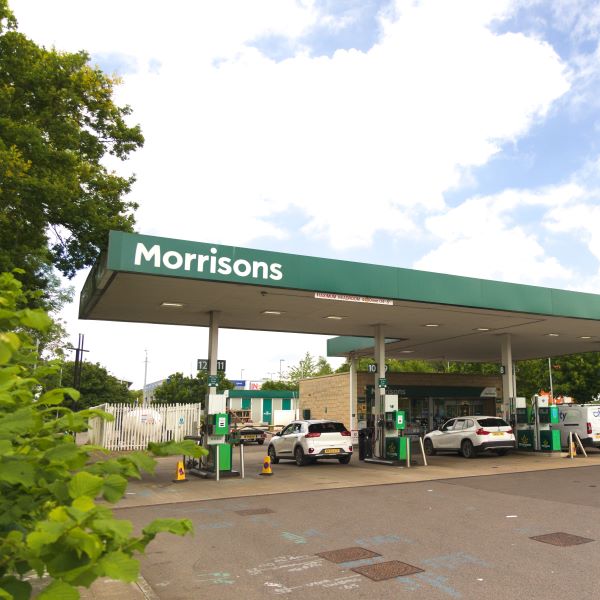
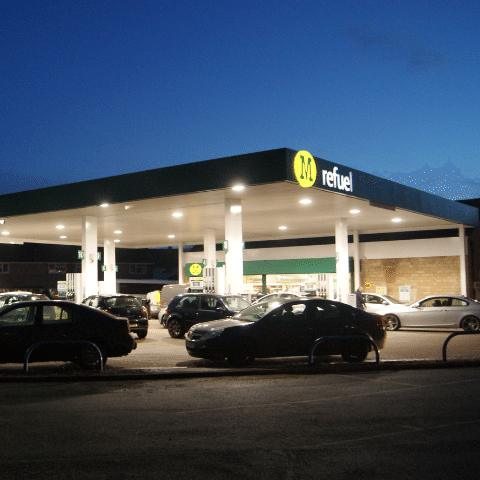
Supermarkets like Morrisons have led the charge, consistently undercutting rivals by over a penny per litre compared to Sainsbury’s and Tesco.

November has seen a slight increase in the cost of Brent crude, currently trading around $75.50. This isn’t a large enough increase to cause any current concern with potential further increases at the pump, but a break above $80 or below $70 may become an indication of price movements.

Morrisons had been the price leader on both unleaded and diesel for large parts of October. The gap has now closed with the price stability, and there is almost no difference at a country level between the four major supermarket brands.

A nearly identical number of stations are currently increasing and decreasing prices, but the vast majority are holding prices at current levels. With this in mind, and the relatively flat wholesale market, large price movements in the next couple of weeks seem unlikely. However, there is still movement at a local level, so do check prices before buying. The key indicators are that prices will remain at current levels for the next couple of weeks, with only a slight upward pressure currently.

 1 Millon Prices!

The PetrolPrices app received over 1 million price updates in October, a record amount. A huge thank you to everyone who contributed and helped other UK motorists save on their travel.

Will Fuel Duty Increase in the Upcoming Budget?

Will Fuel Duty Increase in the Upcoming Budget?

As the Labour government prepares to unveil its first Autumn Budget on October 30th, attention will be on Chancellor Rachel Reeves’ key decision on fuel duty. With relatively low fuel prices and inflation back under 2%, the new government faces pressure to reconsider the fuel duty cut introduced by the previous Conservative administration.

In March 2022, amid surging oil prices and high inflation, the Conservative government implemented a 5 pence per litre (ppl) cut in fuel duty on petrol, diesel, and other fuels to help households and businesses cope with rising costs. Initially intended to last 12 months, the cut was extended in 2023, with an expiration date of March 2025.

With a new Labour government in place, there are growing signs that this deadline could be brought forward. The economic landscape has shifted significantly since the initial cut. Fuel prices have dropped back to three-year lows, and inflation is under control.

The freeze on fuel duty has come at a substantial cost to the Treasury. According to the Office for Budget Responsibility (OBR), the extension of the 5ppl cut was forecast to cost the government £3.09 billion in lost revenue for 2024-2025 alone. With public services requiring more funding and fiscal pressures mounting, Labour may be inclined to bring forward the end of the freeze to start recouping these revenues sooner.

The OBR had previously estimated that ending the freeze in 2025 would increase the Consumer Price Index (CPI) by 0.1 percentage points, but the impact could be smaller if action is taken while inflation remains low.

Will fuel duty be increased on 30th October 2024?

Ending the freeze earlier could significantly boost the public finances, allowing the government to fund its policy commitments, including investment in public services, green energy, and infrastructure projects. It would also align with Labour’s focus on fiscal responsibility and balancing the books after years of high spending.

However, Labour must also consider the political implications of this move. While fuel prices are lower currently, any price increases could still affect key constituencies, particularly in rural areas where driving is essential.

In addition to the fuel duty cut in 2022 the then Chancellor Jeremy Hunt also cancelled the planned inflation increase. This too may be bought back by Reeves, adding further costs to UK motorists.

The last time fuel duty was below current levels was back in 2009 before the April increase from 52.35ppl to 54.19ppl. Following this, they rose to their highest levels in January 2011, where they were set at 58.95ppl. With fuel duty currently at 52.95ppl, inflation low, and unleaded and diesel prices low, the door is open for the increase to happen this October.

However, there has been a tendency for duty increases to occur in the spring, with seven of the last ten duty changes (all fuel types) occurring between January and May. In addition, there is already an expiry date set on the duty cut of March 2025, at which point it is set to go back to the previous level of 57.95ppl. Increasing fuel duty ahead of a winter where winter fuel allowances have already been cut is likely to be a very unpopular move from a government already under pressure.


When will the fuel duty change take affect?

If the duty is changed in the budget, it may take effect the same day. Historically duty changes have happened at 6pm on the day of the announcement.

The PetrolPrices app timestamps all the prices, so please take the time of the last update into account when reviewing pricing.

Should I fill my car before the budget?

Yes. Although we don’t know if fuel duty will change in the budget, the current outlook for pricing is relatively flat, with Brent crude trading at $75. It has been trading between $70 and $80 for the month of October. With large price increases looking unlikely between now and the end of the month, the only major risk for large price increases appears to be an increase in fuel duty. With that in mind, there appears to be little reason to hold off filling up until after the budget.

Why UK Unleaded Prices aren’t going to continue to fall 

Why UK Unleaded Prices aren’t going to continue to fall 

UK drivers have seen a welcome drop in unleaded petrol prices, now averaging 135p per litre (ppl) – a level not witnessed since October 2021. This decline is largely due to an oversupply in the wholesale market, which has pushed down the price of Brent crude oil. The strengthening of the pound (GBP) against the US dollar (USD), rising from $1.27 to $1.33 USD/GBP between July and September, has also helped lower prices at the pump, as a stronger pound makes oil imports cheaper. 

While some reports, including from the RAC, suggest prices may continue to fall and could reach a three-year low by the end of September, our analysis indicates that further significant drops are unlikely. The price of Brent crude oil has fallen sharply from $86 per barrel in July to $69 by mid-September, a 20% decrease. However, prices have since rebounded to $75 per barrel by the 25th of September, suggesting that the market has stabilised. 

At the forecourts, unleaded prices have dropped from 145ppl in mid-July to the current 135ppl. Yet, the pace of these reductions has slowed, and without continued declines in wholesale oil prices, the likelihood of further significant cuts at the pump is low. 

For now, price competition among local petrol stations will play a crucial role in determining whether drivers can benefit from lower prices. Supermarkets like Morrisons have led the charge, consistently undercutting rivals by over a penny per litre compared to Sainsbury’s and Tesco. Checking local prices using tools like the PetrolPrices app can help drivers find the best deals, as some independent stations are also offering competitive rates. 

Regionally, London remains the most expensive area for unleaded fuel, while Northern Ireland boasts the lowest prices. The gap between the two has narrowed from 8ppl in May to 5.5ppl in September. 

Despite the recent drops, unleaded prices are still down by 13% compared to this time last year, but with 56% of the overall cost still made up of VAT and fuel duty, significant further reductions may be hard to come by. 

Supermarkets like Morrisons have led the charge, consistently undercutting rivals by over a penny per litre compared to Sainsbury’s and Tesco.
From Diana Ross to Coldplay: New study reveals how our music taste differs based on our car brand

From Diana Ross to Coldplay: New study reveals how our music taste differs based on our car brand

Pop music comes out as the top genre, with 2 in 5 (41%) drivers voting it to be their favourite genre. Rock (37%), R&B (23%), indie (21%) classical (21%), and country music (21%) were also revealed as top choices

When heading out on a car journey, a key part of establishing the atmosphere of your upcoming trip is the music, with over half of drivers (59%) listening to music for the majority of their car rides. But with plenty of choice, it can be difficult to decide what should be on your driving playlist. 

In a bid to discover the top artists and genres for drivers of each car brand, Group 1 Automotive analysed 350,000 YouGov profiles, revealing how our music tastes differ from driver to driver. 

Overall, pop music comes out as the top genre, with 2 in 5 (41%) drivers voting it to be their favourite genre.

Other top genres include rock (37%), R&B (23%), indie (21%) classical (21%), and country music (21%). 

However, some drivers did have an eclectic mix of genres, with dance music voted one of the top genres for Audi and Tesla drivers.

For those heading on a road trip with any Hyundai, Peugeot, or Volvo drivers, be prepared for some show tunes, as musicals made the top genre lists of these drivers. 


When it comes to the artists we’re listening to, our favourites vary from car brand to brand. However, overall, Fleetwood Mac was voted as the top artist amongst drivers (71%), followed by Diana Ross (67%) and Kylie Minogue (66%). Phil Collins (66%) and Adele (66%) took the fourth and fifth spot in the study. 

Although Fleetwood Mac takes the top spot for the majority, our top artists do differ amongst some drivers, with Coldplay being crowned top artist for BMW drivers. Meanwhile the Eagles are top voted for Skoda drivers, and Ed Sheeran came out on top both Kia and Mercedes drivers. 

Analysing the favourite genres and top 10 artists for Audi, BMW, Ford, Mercedes, Toyota and Volkswagen drivers, Group 1 put together the ultimate driving playlist for each of the car brand drivers. 

From rock classics to James Blunt tracks, playlists for each car brand can be found here. 

Whats your go to song, artist or genre when driving? Let us know in the comments.

Second-hand September: Data reveals the most affordable cars for new drivers

Second-hand September: Data reveals the most affordable cars for new drivers

With new number plates introduced this month, September is naturally a more popular time for motorists to sell their car for a new model – and, as a result, the best time of year for new drivers to snag their dream vehicle. But which car is the best fit for your first ever?

Data reveals the most affordable cars for new drivers

  • The Nissan Micra is the cheapest car for new drivers, with an average second hand price tag of £1,990.
  • The Renault Megane has the lowest insurance estimate, at £2,493 per year.
  • The highest initial price tag in the top 10 is the Nissan Note at £3,273.
  • Connor Campbell, car insurance expert at Independent Advisor Car Insurance ranks the best cars for new drivers.

The Nissan Micra has been crowned the most affordable car for new drivers, according to a new study by Independent Advisor Car Insurance

The Car Insurance experts studied the average second hand prices for popular car models, as well as insurance quotes for young drivers for each model, to determine the most affordable options for a new driver.

The ten most affordable used car models for new drivers

    Rank

    Model

    Median 2nd hand price (GBP)

    Insurance cost 2nd hand (£/year)

    Total (GBP)

    1

    Nissan Micra

    £1,990

    £2,758

    £4,748

    2

    Vauxhall Corsa

    £2,127

    £2,758

    £4,885

    3

    Renault Megane

    £2,493

    £2,493

    £4,986

    4

    Citroën C1

    £2,648

    £2,658

    £5,306

    5

    Smart Fortwo

    £2,997

    £2,510

    £5,507

    6

    Vauxhall Astra

    £2,125

    £3,539

    £5,664

    7

    Vauxhall Meriva

    £2,873

    £2,809

    £5,682

    8

    Renault Clio

    £2,273

    £3,717

    £5,990

    9

    Nissan Note

    £3,273

    £2,792

    £6,065

    10

    Citroën C3

    £3,075

    £3,049

    £6,124

    Of all the cars compared in the study,the Nissan Micra was found to be the most affordable option for new drivers, with an average second hand price tag of £1,990. 

    When combined with an estimated insurance cost of £2,758 per year, this brings the total to a reasonable £4,748.

    With an identical insurance quote and an initial average price of £2,127, second in the rankings is the Vauxhall Corsa. This model also ranked as being the second most popular model in the UK with almost one million registrations.

    In third, is the Renault Megane. The insurance estimate for a second hand Megane is the lowest of any model in the top 10, at £2,493. The purchase price is the same as the insurance cost for this model, bringing the total to £4,985.

    The highest initial price tag of any car in the top 10 comes with the Nissan Note at £3,273. The insurance estimate of £2,792 brings the total cost to £6,065, putting the model in 9th place.

    The Renault Clio had the highest insurance cost for any model in the rankings at £3,717. The lower initial cost of £2,273 puts this model in 8th place with a total of £5,990.

    Connor Campbell, expert at Independent Advisor Car Insurance, provides his tips for young car buyers, and finding the best car model for you: 

    “Second hand car prices and insurance quotes can vary widely thanks to a range of factors. For new drivers, especially Gen Z, insurance premiums can be especially high. If you are considering buying a second hand car, there are some key factors to keep in mind.”

    Data reveals the most affordable cars for new drivers

    The key factors:

    • Conduct your own insurance research: Obtaining insurance quotes for multiple models that you’re considering is wise, in order to ensure that you can afford both the car payments and the insurance expenses for the year. Insurance is dependent on many factors including age, location, and available home parking, so be sure to check and compare your quotes via comparison websites.
    • Conduct your own insurance research: Obtaining insurance quotes for multiple models that you’re considering is wise, in order to ensure that you can afford both the car payments and the insurance expenses for the year. Insurance is dependent on many factors including age, location, and available home parking, so be sure to check and compare your quotes via comparison websites.
    • Pay attention to the insurance group: Every car belongs to an insurance group, numbered one to 50, that’ll make it more or less expensive to insure, with cars that fall into the lower groups being less expensive to insure than those in the higher groups. So, when shopping around for a second hand car, try and find one in a lower insurance group in order to keep the cost of your cover down.
    • Consider the nature of your driving needs: These should always be a deciding factor when buying your car. For instance, if you are planning to do a lot of city driving, a micro or a hatchback may be more suited to your use, as opposed to a coupe or SUV.
    • Factor in maintenance costs: Once you have decided on the type of car you are looking for, it is important to look into the running costs that it will incur. If you’re looking to have a cost effective and efficient car, these will often do more than 60mpg. Anything higher than 50 mpg can be regarded as good fuel consumption.
    • MOT and service history: If you have the registration, you can check the MOT history of any car online via the government website. However, the car’s service history may not be so easy to maintain if it isn’t provided by the seller. Most used cars should come with a service log book, so make sure to keep an eye out for this information.
    • Once you get your car, be sure to maintain it: After going through the lengthy process of researching and buying your car, maintaining it is the key to getting as much life out of it as you can, as well as keeping prices down. Some easier things you can do to maintain the health of your vehicle include; checking the tyre pressure and keeping this at an optimal level for your vehicle, change the engine oil at adequate intervals, change the coolant as needed, and finally, never ignoring any warning lights (should they appear) on your dashboard.
    Fuel Prices Hold Steady in October Amid Budget Rumours – but What Does November Look Like?

    Morrisons is leading the supermarkets: Unleaded prices tumble in August, and there could be more good news in September

    Unleaded prices dropped over 4 pence per litre (ppl) throughout August, settling with an average price of just under £1.40 per litre. Prices as low as this were last seen back at the start of the year, during the 3rd week of January.

    There was also good news for diesel drivers, as August opened with an average price of £1.49 before falling to £1.44 at the end of the month.

    Currently, unleaded and diesel prices average 139.0ppl and 143.5ppl respectively. Although we saw unleaded prices at these levels early in the year, it was back in July 2023 that diesel was priced at a similar level.

    Morrisons is leading the supermarkets with an average unleaded price of under 136ppl and diesel at 140.4ppl. The supermarket averages are all very close, with unleaded and diesel all within 1ppl.

    Drivers in Northern Ireland continue to have the lowest-priced unleaded in the whole of the UK, although the price difference with fuel in the North East of England and Wales has closed significantly since May, when pump prices reached their year high. The gap was 5-6ppl in May and is down to 1.5ppl now.

    At the start of August, we predicted a drop in pump prices for at least two weeks due to a strong pound and falling Brent crude oil prices. Brent opened August at $78 a barrel and remained in the $75-80 range for the whole month. On the 3rd of September, Brent crude settled at $73 a barrel, a price last seen on the 12th of December, 2023.

    Through August the price oscillated within the $75-$80 range. This may lead to pricing at the pump varying depending on when stations purchase or have deliveries. It feels unlikely that we will see large movements either up or down for the next week to 10 days. If the price can hold below $75 a barrel for a significant period, we may continue to see some more price drops.

    Do you live near a Morrisons fuel station? Are they leading the way near you? Let us know in the comments. 


    morrisons-fuel
    Which of the UK’s most popular first cars are most at risk of extinction?

    Which of the UK’s most popular first cars are most at risk of extinction?

    Every driver knows how nostalgic it is to think of your first car. Just like the stuffed animal you wouldn’t go anywhere without as a child, our first cars are special to us. And new Dick Lovett research finds that more than a third (34%) of British drivers admit to missing their old banger. 

    Is it a case of the ‘car that got away’ for British drivers? Well, it seems first cars occupy a special place in British nostalgia, with 3 in 5 (58%) drivers feeling nostalgic when they think about their first car. Another two-fifths (41%) of drivers even went so far as to say they still feel attached to their first car.

    While Brits may miss their first cars, Dick Lovett’s research found that they didn’t hold onto them for long, as the average driver only kept their first car for around 3 years. 

    However, with the average age of cars getting scrapped in 2023 sitting at 17, there’s a good chance many Brits’ first cars aren’t around anymore. Similarly, as car manufacturers discontinue old fuel models in favour of EVs, many of the UK’s most popular first cars could now be at risk of ‘extinction’. 

    But, which ones could be the first to go? 

    To allow Dick Lovett to make their extinction predictions, they looked at which of the UK’s most popular first cars are no longer in production and analysed how many of them are still licensed to drive on British roads, as well as the rate at which they’ve been scrapped over the past 5 years.

    Check the top 10 out below:

    The Vauxhall Nova, which we found was the eighth most popular first car in the 80s and 90s, is the one Dick Lovett found most at risk of extinction. With just 841 road-worthy Novas left in the UK, if it keeps getting scrapped at the same rate (an average of 4,806 being scrapped every quarter over the past 5 years), then the Nova could have just 2 weeks left on our roads. 

    Following the Nova is the Peugeot 205. Dick Lovett’s research found that the 205 peaked in popularity of first cars in 90s and noughties, but with just 3,288 left on UK roads, and an average of 11,528 being scrapped every quarter over the past 5 years, the 205 could be gone from UK roads in just 4 weeks if things keep going the same way. 

    In third place is the Citroen Saxo. The Saxo was the tenth most popular first car in the 2000s, however, if they continue to get scrapped at their current rate, with an average of 12,845 getting scrapped every quarter, the Saxo also has just 4 weeks left. 

    Another popular first car making at risk list was the Ford Fiesta. Given the Fiesta’s recent end in production, Dick Lovett’s calculations predict the iconic Ford vehicle is also at risk of complete eradication in the next 4 years and 2 months if it keeps getting scrapped at the same rate. 

    Similarly, the MINI Clubman, which Dick Lovett found peaked in popularity with drivers who got their first cars in the 60s, 70s and 80s, is also at risk of complete extinction, with potentially just 8 years and 3 months left. The Clubman is known for its iconic, signature split rear doors, and while it had a bit of a comeback after its rebrand in 2007, MINI discontinued production at the start of 2024. 

    Full tabled details of top 10 data below: 


    Which of the UK’s most popular first cars are most at risk of extinction?

    Make & Model

    Number left in UK

    Avg. Quarterly SORN last 5 years (ignoring Q4 2019)

    Number of years until extinct

    Exact time left figures

    Vauxhall Nova

    841

    4,806

    0.04

    2 weeks

    Peugeot 205

    3,288

    11,528

    0.07

    4 weeks

    Citroen Saxo

    3,652

    12,485

    0.07

    4 weeks

    Peugeot 106

    5,097

    14,868

    0.09

    1 month

    Peugeot 206

    48,175

    40,687

    0.3

    4 months

    Fiat Punto

    63,393

    24,641

    0.64

    8 months

    Volkswagen Beetle

    44,193

    14,938

    0.74

    9 months

    Ford Ka

    177,250

    28,246

    1.57

    1 year and 7 months

    Ford Fiesta

    1,396,786

    85,105

    4.1

    4 years and 2 months

    MINI Clubman

    25,840

    784

    8.24

    8 years and 3 months

    Which of the UK’s favourite first cars are the ‘rarest’? 

    While some of the UK’s first cars are more at risk of extinction than others, which are you least likely to see on the roads? 

    Looking at all the most popular first cars – both those still in production and discontinued – Dick Lovett’s analysis found the following 10 to have the least amount of ‘road-worthy’ cars left in the UK: 

    Car Make & Model Number of road-worthy vehicles left in UK
    Vauxhall Nova 841
    Vauxhall Cavalier 1,113
    Ford Capri 2,210
    Peugeot 205 3,288
    Citroen Saxo 3,652
    Peugeot 106 5,097
    MINI Clubman 25,840
    Vauxhall Viva 37,405
    Volkswagen Beetle 44,193
    Peugeot 206 48,175


    Is your car on the list? Let us know in the comments. 

    7 in 10 British drivers don’t know how to merge-in turn properly with lane closures

    7 in 10 British drivers don’t know how to merge-in turn properly with lane closures

    New research from Dick Lovett reveals that 7 in 10 (68%) British drivers don’t know how to merge in turn properly with lane closures.

    Merging in turn is a traffic flow measure that makes cars from two or more lanes merge into one. Basically, all it does is allow multiple lanes of traffic to join together, with road users taking turns to merge into the new singular lane. Seems simple, right? Think again.

    The correct way to merge in turn sparks debate wherever you go, and Dick Lovett decided to survey British drivers to see exactly which methods Brits are using most.

    Their research shows the majority of drivers (68%) tend to move out of a closing lane immediately – or as soon as possible – after seeing a lane closure warning sign for road works or an accident. Why? Their main reason is to be ‘polite’ to other drivers.

    If there’s something Brits are good at, it’s queuing. And a resounding 7 in 10 (69%) drivers told Dick Lovett they think it’s rude when other drivers don’t queue to get in from a closing lane early on.

    What’s more, a third (33%) of drivers even said they actively try to stop other drivers from merging in turn when they do so at the ‘last minute’. Interestingly, men are 6% more likely to do this than women (36% vs 30%).

    So, should you queue early for the sake of politeness or merge in turn? What exactly is the correct thing to do?

    7 in 10 British drivers don’t know how to merge-in turn properly with lane closures

    According to the Highway Code, drivers should wait to merge in turn at the point at which the two lanes merge into one unless it’s not busy, with section 134 stating: 

    “You should follow the signs and road markings and get into the lane as directed.

    “In congested road conditions do not change lanes unnecessarily.

    “Merging in turn is recommended but only if safe and appropriate when vehicles are travelling at a very low speed, e.g. when approaching roadworks or a road traffic incident. 

    “It is not recommended at high speed.”

    The driving experts at Dick Lovett comment: “If the 68% of drivers moving lanes too early out of politeness decided to use both lanes, up until the merge in turn sign, it would result in less congestion during a lane closure as it allows the traffic to have a more consistent flow.  

    “Next time drivers find themselves in slow moving traffic that’s approaching a merge in turn sign, they should try to resist the temptation to move over too quickly out of politeness and use all available lanes until they can’t anymore. 

    “Granted, it’s difficult to beat the deep-routed British societal expectation of queuing, but moving over too soon will merely cause extended congestion. 

    “Also, try to resist joining the third of drivers who stop people merging if they think they’re doing it too late.

    “This could be classed as dangerous driving, and it’s not your right to stop people entering the queue.”