
Premium Fuels Explained
Super Unleaded and Premium Diesel
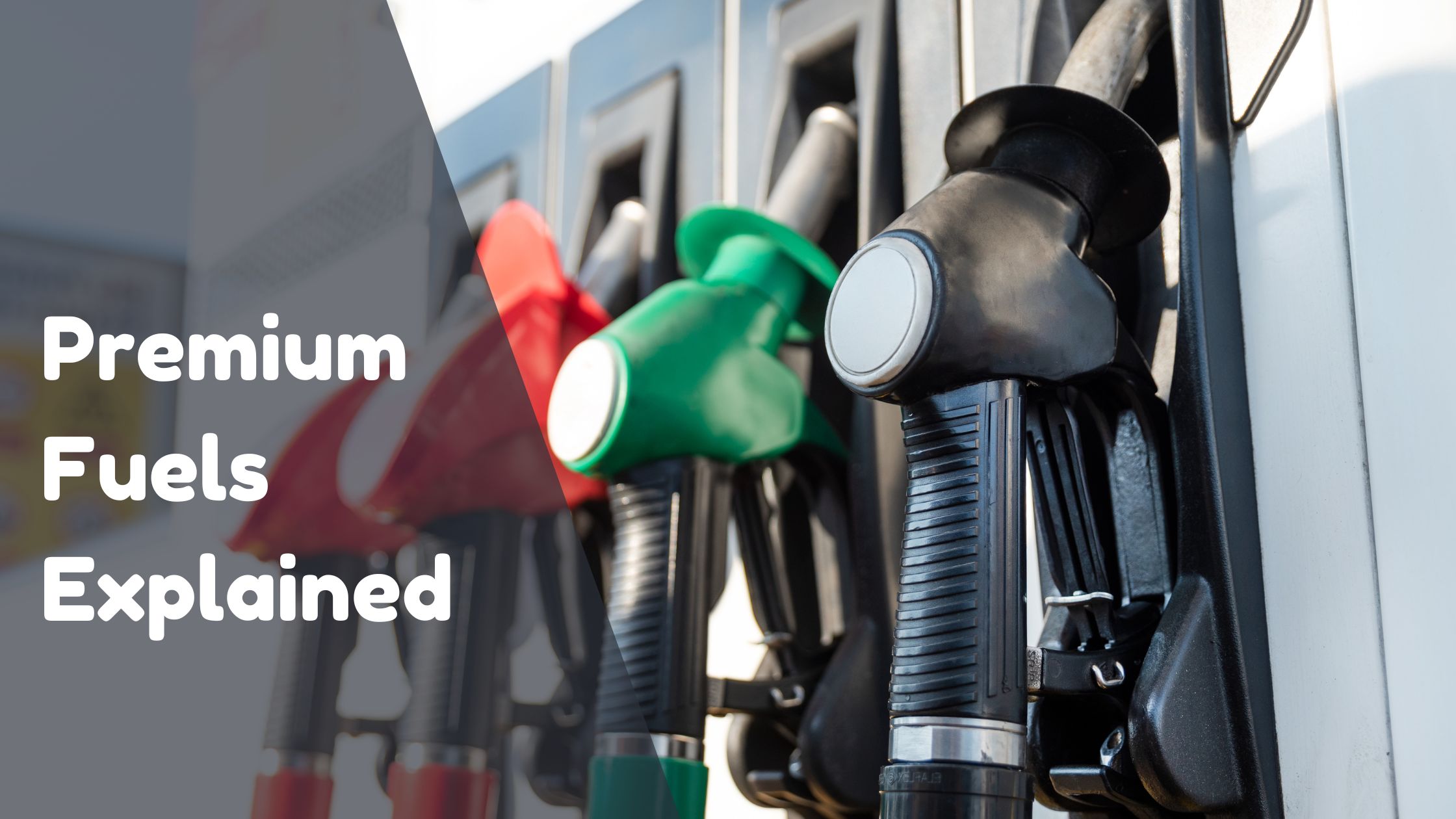
When filling up at the pump, UK motorists often see a “premium” or “performance” fuel option alongside standard petrol and diesel. Branded as Shell V-Power, BP Ultimate, or Esso Synergy Supreme+, these premium fuels promise better performance, efficiency, and engine protection—but are they worth the extra cost?
This guide explains what premium fuels are, how they differ from standard unleaded and diesel, and when using them makes sense for UK drivers.
What Are Premium Fuels?
Premium fuels are enhanced versions of standard petrol and diesel with:
- Higher performance ratings (higher RON for petrol, higher cetane for diesel)
- Added detergents and cleaning agents to reduce engine deposits
- Potential efficiency and performance benefits for certain vehicles
Types of Premium Fuel in the UK
Super Unleaded Petrol (Premium Petrol)
- Octane rating: 97–99 RON (vs 95 RON for regular)
- Branded examples: Shell V-Power, BP Ultimate, Esso Synergy Supreme+
- Often contains E5 bioethanol blend for compatibility with older cars
Premium Diesel
- Cetane rating: 55–60 (vs 51 for standard diesel)
- Branded examples: Shell V-Power Diesel, BP Ultimate Diesel
- Enhanced with cleaning additives and sometimes winter protection
Premium Petrol (Super Unleaded)
How It Works
- Premium petrol has a higher octane rating (RON).
- Higher RON fuels are more resistant to knocking, which allows engines with high compression ratios or turbochargers to perform better.
- Premium petrol often contains additives to clean fuel injectors and valves, improving long-term efficiency.
Who Benefits Most?
- High-performance or sports cars designed for 97+ RON fuel
- Turbocharged or supercharged engines prone to knocking on lower RON
- Drivers seeking marginal improvements in responsiveness or economy
For regular hatchbacks and family cars, super unleaded rarely provides a noticeable difference, although long-term engine cleanliness may improve.
Premium Diesel
Premium diesel fuels are formulated for efficiency and engine health, but their benefits differ from premium petrol:
- Higher cetane rating means faster, smoother ignition, reducing noise and vibrations.
- Detergent additives help keep injectors and fuel systems clean, preventing carbon build-up.
- Anti-foaming agents and stabilisers can improve cold-weather performance.
Who Benefits Most?
- Modern common-rail diesel engines (especially with DPFs)
- High-mileage drivers who want to reduce deposit build-up
- Drivers in cold climates, where premium diesel may improve winter starting
For older or low-mileage diesels, the difference may be minimal.
Are Premium Fuels Worth It?
Whether premium fuels are worth the extra cost depends on your car and driving habits:
Advantages
- Improved engine responsiveness in performance cars
- Smoother running for high-tech petrol and diesel engines
- Cleaning additives can help reduce carbon deposits over time
- Potential for slightly better MPG (more noticeable on long runs)
Disadvantages
- Higher price – typically 8–15p per litre more than standard fuel
- Limited benefit for everyday cars designed for 95 RON or standard diesel
Environmental Considerations
Premium fuels can help engines burn cleaner, which may:
- Lower particulate emissions in diesel engines
- Improve efficiency, slightly reducing CO₂ emissions
- Help engines maintain performance, which indirectly reduces waste
However, they are not a substitute for low-emission technology, and the UK’s shift toward electric vehicles and hybrids will gradually reduce their relevance.
Key Takeaways for UK Motorists
- Super unleaded petrol (97–99 RON) is mainly beneficial for high-performance engines.
- Premium diesel (55–60 cetane) can improve smoothness and injector cleanliness in modern diesels.
- For most everyday cars, premium fuels offer minimal short-term benefits, but may support long-term engine health.
- Always check your vehicle manufacturer’s recommendation before paying extra at the pump.
Read the latest motoring news

April 2026: UK Fuel Market Update
Pump prices began to ease in the second half of April, with diesel falling back from a peak average of 193ppl to just below 190ppl. Unleaded...

Rising Oil Prices Push BP Profits Higher
The UK oil giant BP reported profits of $3.2bn (£2.4bn) for the first three months of 2026. This figure is well above the $2.7bn forecast by...

61% of motorists support retesting older drivers
With the government proposing changes to road safety legislation that could impact those aged 70 and over*, Uswitch car insurance experts recently...
© Copyright 2025 Automate App Limited, 8th Floor South, Reading Bridge House, George Street, Reading, RG1 8LS