Fuel Finder App Reviews: Under the Spotlight: Why Accurate Fuel Prices Matter More Than Ever

Fuel Finder App Reviews: Under the Spotlight: Why Accurate Fuel Prices Matter More Than Ever

A recent comparison by What Car? has highlighted just how important reliable fuel price data has become for UK drivers looking to cut motoring costs.

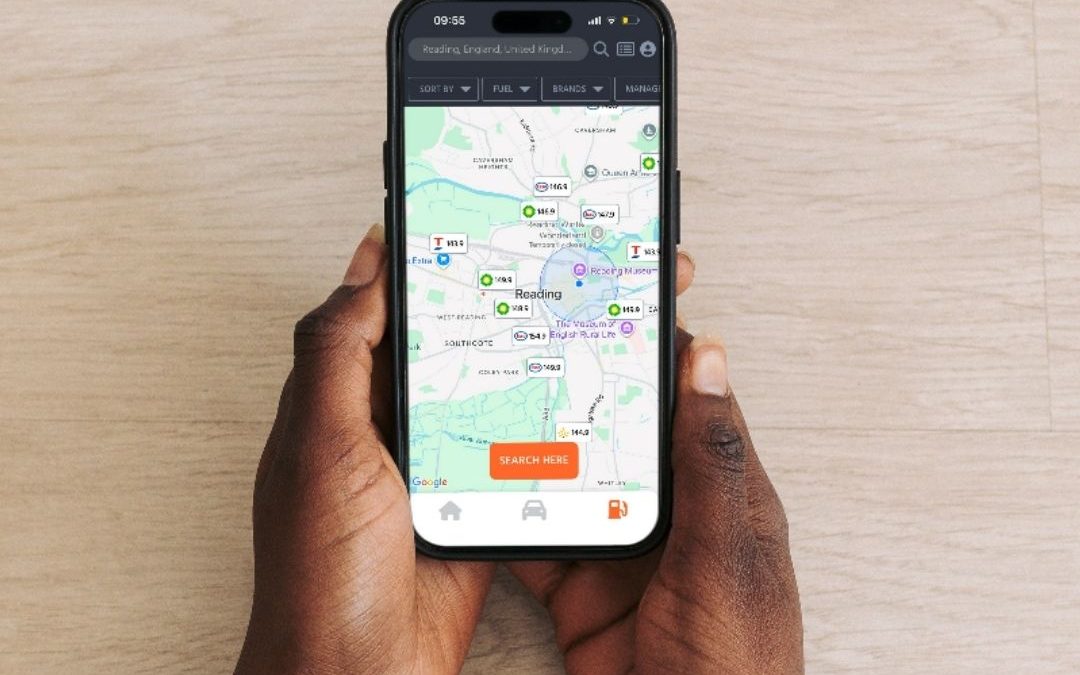
With fuel prices continuing to fluctuate across the country, motorists are increasingly relying on fuel finder apps and websites to locate the cheapest petrol and diesel nearby. PetrolPrices was rated number 1. 

The What Car? investigation reviewed several major fuel finder platforms and found significant differences in pricing accuracy and update speeds. In an environment where prices can change quickly, outdated information can leave drivers paying more than expected at the pump.

At PetrolPrices, accuracy has always been our priority. By combining retailer data, user submissions, and continuous monitoring, we work to ensure drivers have access to the most up-to-date fuel prices possible.

The increased focus on fuel transparency also comes as the UK Government prepares to roll out its Fuel Finder scheme, designed to make live fuel pricing more accessible nationwide. Greater transparency across the market is a positive step for drivers, helping consumers compare prices more easily and encouraging fairer competition between forecourts.

For millions of motorists, even small savings per litre can make a noticeable difference over the course of a month, especially for commuters, families, and businesses managing multiple vehicles.

As fuel costs remain a key concern for UK households, access to trusted, real-time pricing information has never been more valuable.

Read the original What Car? article here.
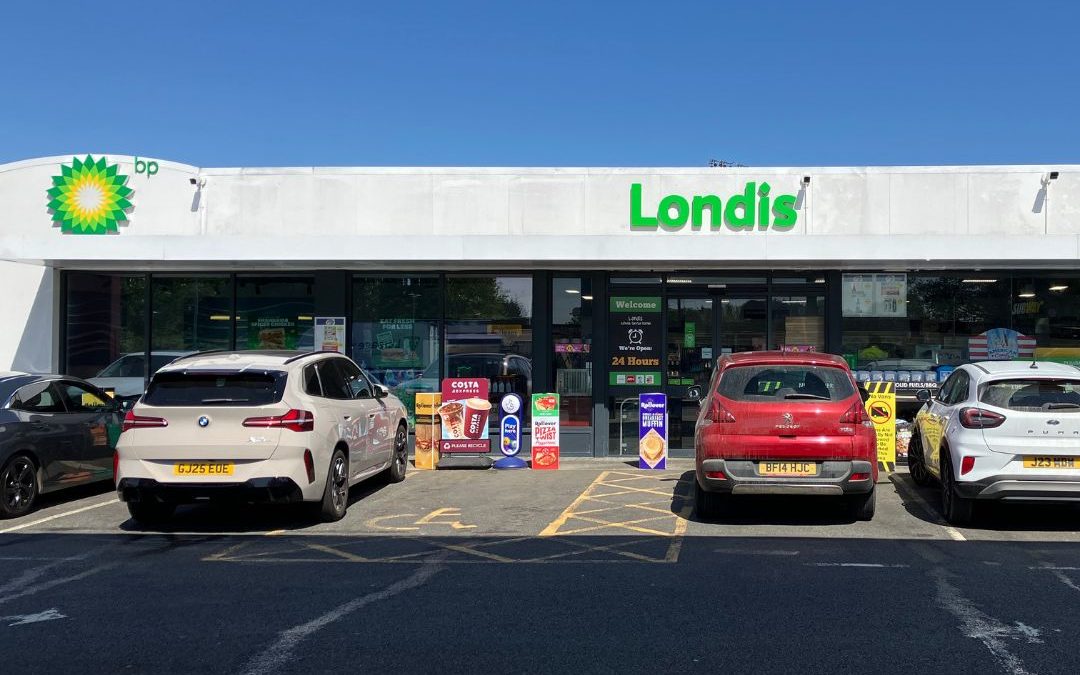
The Services King visits Highway Stops Astwick Services

The Services King visits Highway Stops Astwick Services

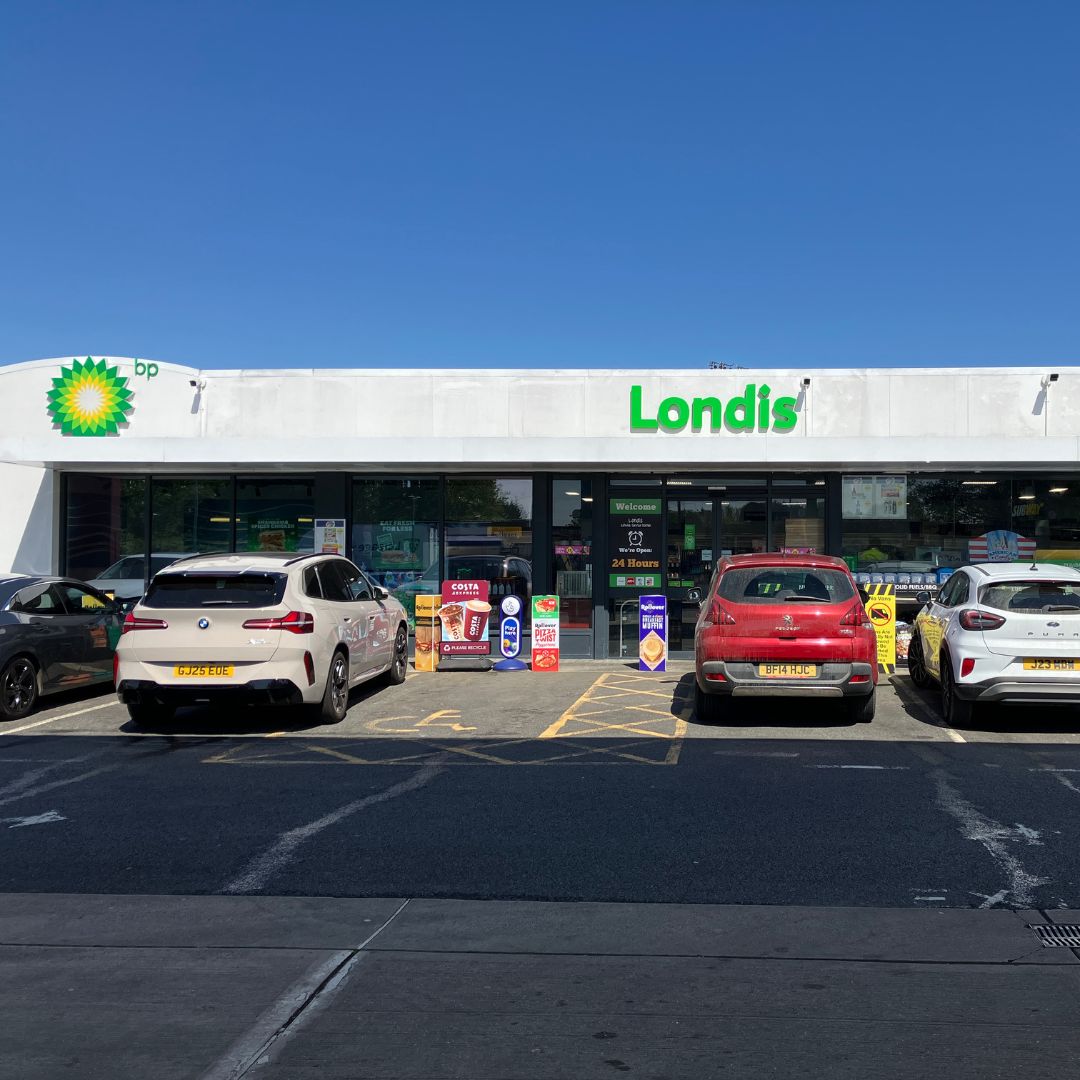
At the start of May, The Services King visited Highway Stops Astwick Service Station on the Bedfordshire/Hertfordshire border to take a look at the recent investments on site.

Situated on the northbound side of the A1 Great North Road near Baldock, this BP filling station opened in 1980 following the demolition of the former New Inn pub, which had stood derelict on the Great North Road since 1870. The filling station was accompanied by a Little Chef restaurant, which traded next to the forecourt until 2004, when it was left empty with furnishings still inside for a number of years until BP redeveloped the site in 2009.

Following the redevelopment, the forecourt gained a Wild Bean Cafe food to go offer. The site was soon sold to Highway Stops in 2014 who added a Nisa Local store. The Wild Bean Cafe offer closed during the takeover and was late replaced by a Subway franchise in 2015. Further works to improve facilities on site were carried out in Summer 2020, with a switch of shop brand from Nisa Local to Londis as well as the introduction of a new HGV parking area and a extension to the shop building to add a Costa Drive Thru franchise. This also introduced a new car parking area too to accommodate the additional customers.

BP ASTWICK SERVICE AREA

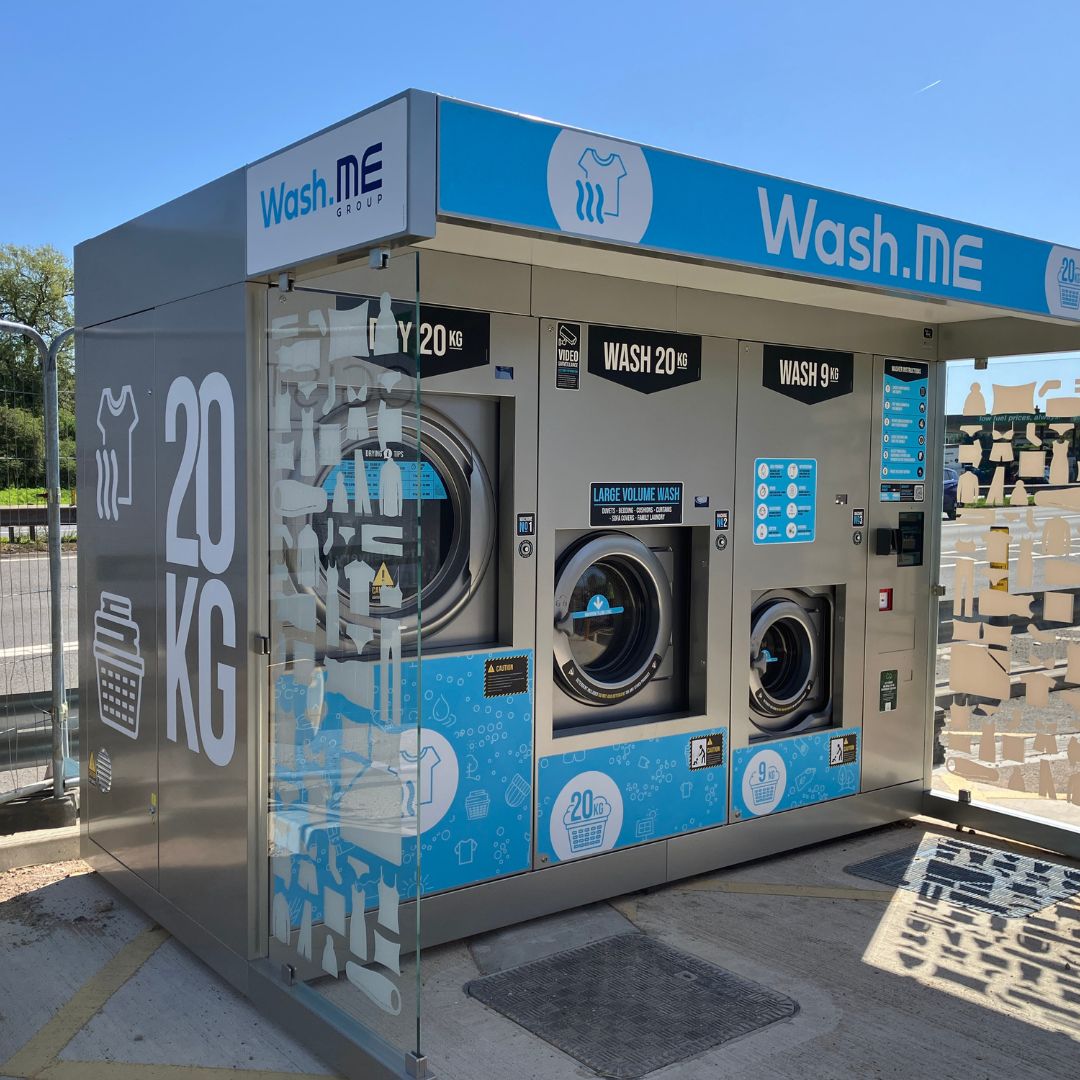
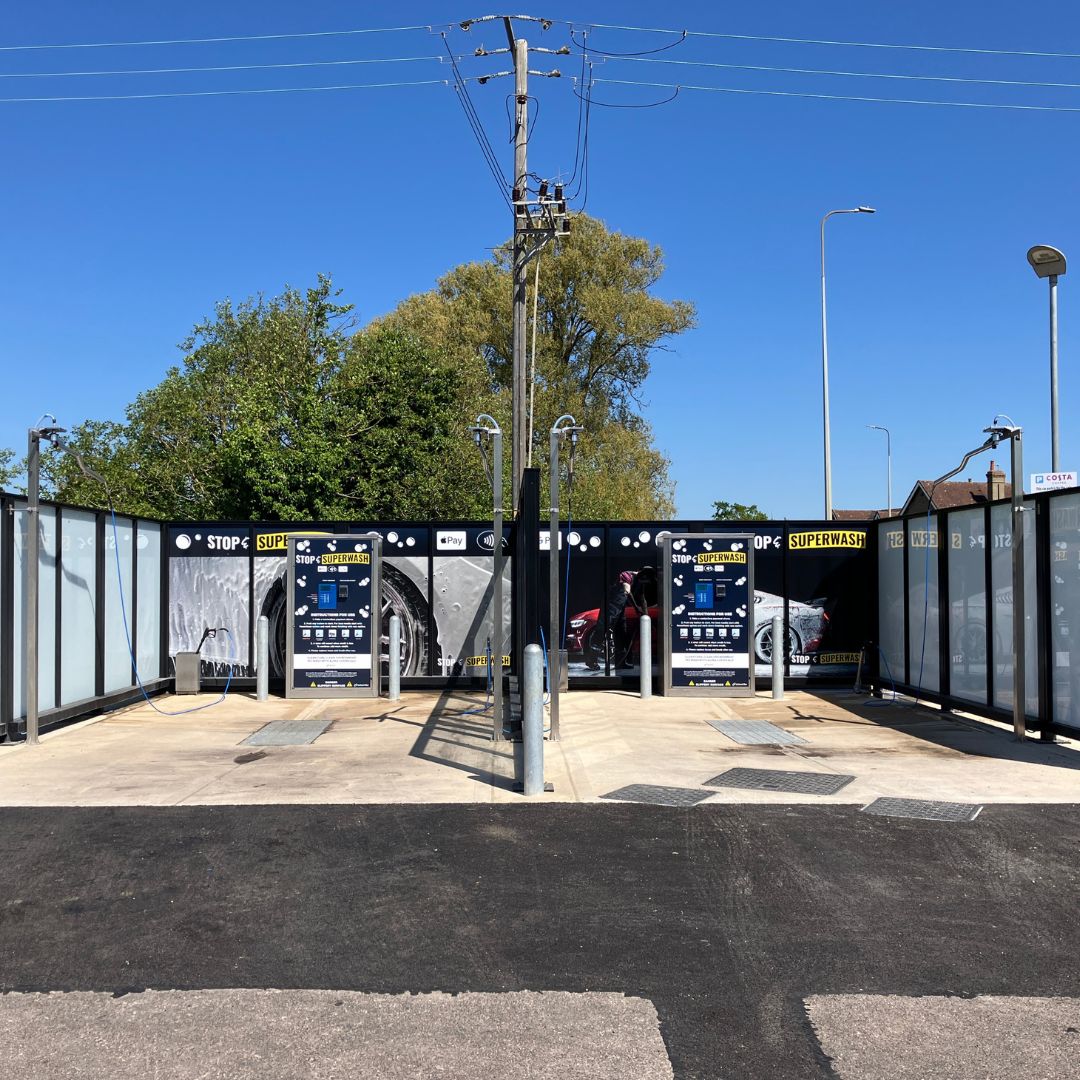
My visit to Astwick on 1 May was to take a look at even more improvements to the site. These took place in the first quarter of 2026, with a brand new eight-bay EV charging hub added to the back of the forecourt. The new charging hub is branded under Highway Stops own ‘Stop & Supercharge’ brand, with the chargers being supplied by Finnish based Kempower. Two brand new WashTec jet wash bays have also been added to the car park under Highway Stops ‘Stop & Superwash’ brand alongside a Wash.ME laundry machine.

During my visit, I met with Highway Stops Operations Director Sellarajah Gunalan as well as Commission Operator Linda who have both been impressed by the quick uptake of the new facilities.

Highway Stops Astwick Service Station

Location – BP Astwick Service Station, A1 Great North Road, Stofold, Hitchin SG5 4BL

Opening Hours – 24/7

Shop Brand & Facilities – Londis store, Subway franchise, two Costa Express machines, Country Choice hot food, Chicago Town Pizza hot food, iSqueeze fresh orange juice machine, Rollover hot food, eight Stop & Supercharge EV chargers, two WashTec jet wash bays, Wash.ME laundry machine

Number of pumps & fuel grades – 8 pump islands with all four grades of fuel: unleaded, diesel, BP Ultimate Unleaded and BP Ultimate Diesel. 4 dedicated HGV fuelling lanes with diesel and AdBlue pumps.

Wash Me Laundrette
Jet wash bays
RAC Eyes Floatation Later This Year

RAC Eyes Floatation Later This Year

The RAC is aiming for an initial public offering (IPO) in London later this year. The RAC, which was founded in 1897 as the Automobile Club of Great Britain, is owned by buyout firms CVC Capital Partners and Silver Lake Partners and the Singaporean state investment fund GIC. Initially, the private equity owners were targeting an IPO earlier in 2026, but this has been delayed.

According to the Financial Times, in mid-December 2025, a sale was also being considered, with the owners seeking around £5bn, but it is understood that an IPO is the favoured option. The RAC has over 15 million members and posted earnings of £329 million in 2025, an increase of 12% on the previous year.

According to the Financial Times, in mid-December 2025, a sale was also being considered, with the owners seeking around £5bn, but it is understood that an IPO is the favoured option.

In a parallel move in the UK vehicle breakdown services sector, the AA is also looking for a possible sale, again in the region of £5bn. To extend the parallel further, the AA is also backed by private equity, with TowerBrook Capital Partners, Warburg Pincus and Stonepeak as the owners. The AA was formed in 1905 and now has over 14 million members. Interestingly, the AA was originally called the Motorists’ Mutual Association and was set up by a group of motoring enthusiasts who banded together to warn fellow drivers about police speed traps.

Both the RAC and the AA have branched out from breakdown services to cover a wide range of motoring-related offerings, are backed by private equity and are looking to change their ownership in 2026.

The third-largest breakdown cover provider in the UK bucks the trend of private equity ownership. Green Flag is owned by the insurance company Direct Line, which acquired it in 1999.

According to the research company Mintel, the AA and RAC have a combined revenue share of nearly 85%.

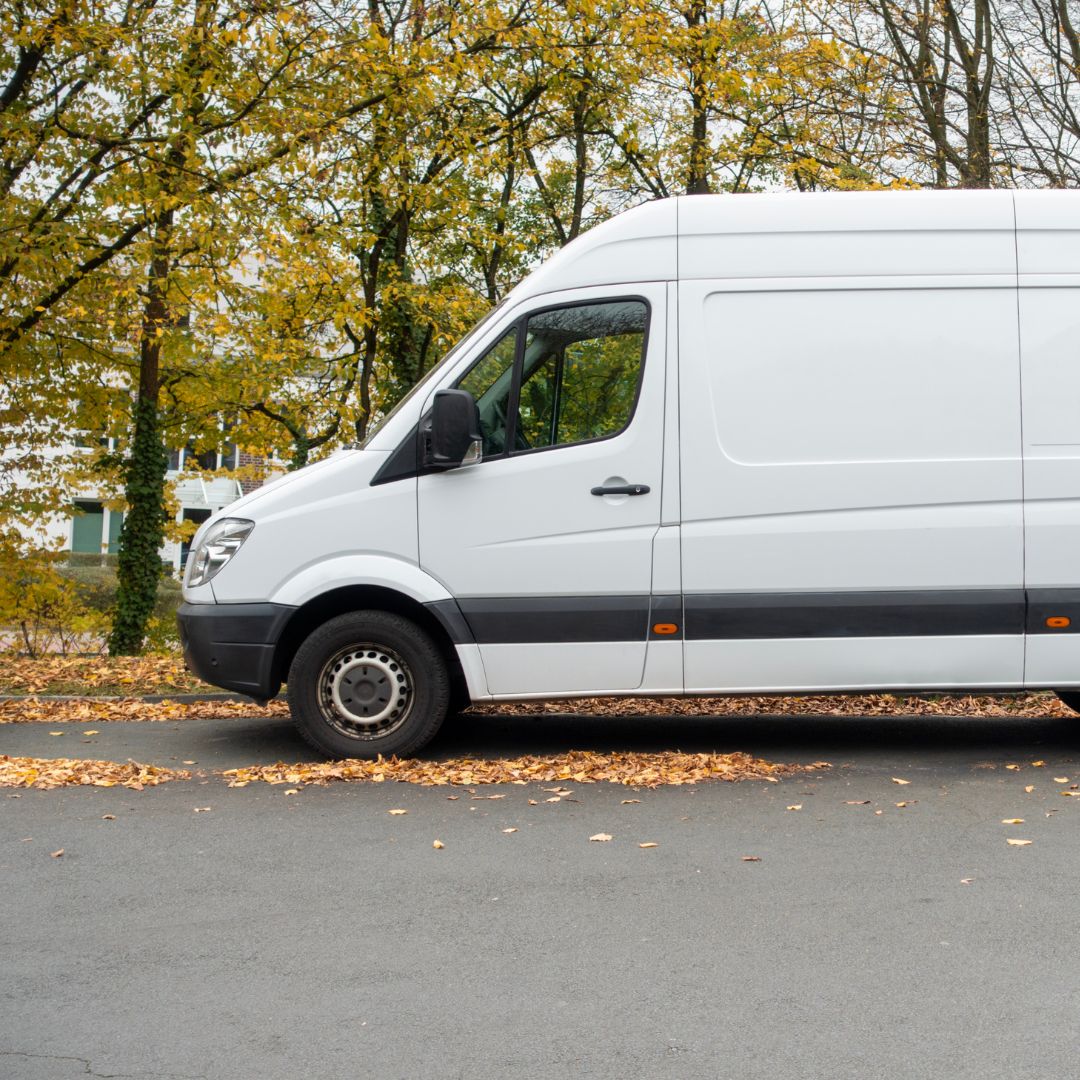
Growing issue of van theft across the country

Growing issue of van theft across the country

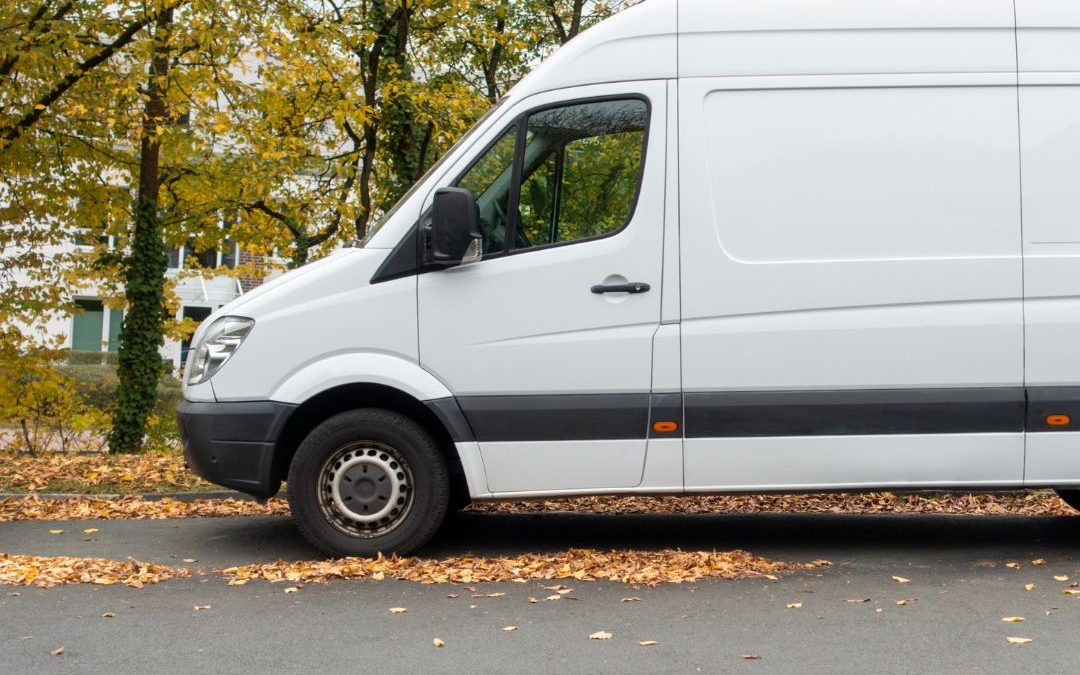
Van thefts across the UK fell by 16% from 2024 to 2025, with the frequency of incidents slowing from one every 44 minutes in 2024 to every 52 minutes in 2025, according to the latest DVLA data obtained via a Freedom of Information request. 

Despite the overall downward trend, high-demand commercial models, essential for tradespeople, remain a primary target for theft based on new analysis by Tempcover, experts in temporary van insurance

Ford Vans Dominate UK Van Theft Figures

Ford accounted for the highest volume of thefts during the two-year period of 2024 and 2025, with over 11,700 thefts recorded. This represents 53% of all recorded van thefts – almost four times the total of the second most targeted make, Mercedes-Benz (2,935).

However, this volume likely reflects Ford’s strong market presence. With 31,936 new registrations in 2025 (38% market share)[1], the prevalence of Ford vans in theft data is indicative of the high volume on UK roads and subsequent exposure to risk. 

Rank Make Vans Stolen 2024 Vans Stolen 2025 % Change (24–25) Total (2024 & 2025)
1 Ford 6,338 5,371 -15.26% 11,709
2 Mercedes-Benz 1,741 1,194 -31.42% 2,935
3 Peugeot 876 709 -19.06% 1,585
4 Vauxhall 774 738 -4.65% 1,512
5 Citroen 753 670 -11.02% 1,423
6 Volkswagen 534 474 -11.24% 1,008
7 Renault 400 363 -9.25% 763
8 Fiat 213 200 -6.10% 413
9 Nissan 86 62 -27.91% 148
10 Iveco 73 53 -27.40% 126
Research reveals that a van was stolen every 52 minutes in the UK in 2025, highlighting the growing issue of van theft across the country.

Ford Transits Most Targeted by Thieves

The Ford Transit 350 was the UK’s most stolen van model, with 1,309 incidents in 2024 and 2025 combined, accounting for around 6% of all van thefts over the period. Ford Transit variants feature heavily across the top ten most stolen models, alongside the Mercedes Sprinter. 

Across the two years, the Ford Transit Custom 300 Base had the largest theft increase among the top 10 models, rising 60.87%. In comparison, the Ford Transit 100 T280 FWD saw the largest fall (-46.50%). 

Outside the top 10, among vans with over 100 thefts over the same period, the Ford Transit Custom 300 Trend saw the largest increase, rising from 49 thefts in 2024 to 116 in 2025 (136.73%). 

White Vans Top Theft List And Are Disproportionately Targeted

The data highlights a significant disparity in vehicle colour, with white vans accounting for 73% of all thefts in the last two years. Across 2024 and 2025, 16,121 white vans were stolen – more than seven times higher than the next most frequent target, silver (2,140). Grey (1,286), blue (920), and black (818) vans follow, but at significantly lower levels.

While white is the most common van colour, representing more than half of all vans in 2024, the theft rate of 73% suggests these vehicles are being targeted at a rate that exceeds their market share[2]. 

Rank Make Model Vans Stolen 2024 Vans Stolen 2025 % Change (24–25) Total (2024 & 2025)
1 Ford Transit 350 677 632 -6.65% 1,309
2 Mercedes-Benz Sprinter 313 CDI 613 378 -38.34% 991
3 Mercedes-Benz Sprinter 314 CDI 579 383 -33.85% 962
4 Ford Transit Custom 290 Eco-Tech 332 245 -26.20% 577
5 Ford Transit 350 Leader Ecoblue 216 278 28.70% 494
6 Ford Transit Custom 270 Eco-Tech 204 172 -15.69% 376
7 Ford Transit Custom 300 Base 138 222 60.87% 360
8 Ford Transit 125 T350 RWD 202 120 -40.59% 322
9 Ford Transit Custom 300 Leader Eblue 169 147 -13.02% 316
10 Ford Transit 100 T280 FWD 200 107 -46.50% 307

Van Thefts Vary by Region

The data also reveals that van thefts are not evenly spread across the UK, with certain areas seeing significantly higher volumes, although this is largely influenced by population size and vehicle density. The (B) Birmingham postcode area recorded the highest volume over the last two years  (1,446), followed by (S) Sheffield (695), and (GU) Guildford (577).   

Rank Vehicle Keeper's Postcode Vans Stolen 2024 Vans Stolen 2025 % Change (24–25) Total (2024 & 2025)
1 B (Birmingham) 797 649 -18.57% 1,446
2 S (Sheffield) 384 311 -19.01% 695
3 GU (Guildford) 341 236 -30.79% 577
4 BS (Bristol) 287 270 -5.92% 557
5 WS (Walsall) 276 219 -20.65% 495
6 LS (Leeds) 258 222 -13.95% 480
7 SL (Slough) 269 193 -28.25% 462
8 M (Manchester) 241 170 -29.46% 411
9 NG (Nottingham) 217 167 -23.04% 384
10 WV (Wolverhampton) 204 171 -16.18% 375

The Danger Months: Van Theft Spikes

While overall thefts fell from 11,962 in 2024 to 10,013 in 2025, monthly trends reveal specific peaks throughout the year. In 2024, thefts peaked in January (1,276), followed by March (1,087) and April (1,067). In 2025, the highest levels were recorded in October (912), November (876), and July (871). 

Despite the 16% year-on-year decline, van theft remains a persistent issue – a trend that underlines both the progress made and the ongoing risk to van owners and tradespeople.

To help reduce the risk of van theft, Claire Wills-McKissick, temporary van insurance expert at Tempcover, shares the following security recommendations:

  1. Never leave your van unlocked or the engine running without you in it: Whether you’re dropping off equipment or making a quick pit-stop, always switch off your engine and secure your van. A few seconds is all a thief needs to seize the opportunity.
  2. Secure your keys: Keep keys on your person or store them in an RF-blocking (Faraday) pouch or sleeve when not in use to prevent opportunistic relay-attack theft.
  3. Use visible security deterrents: Steering locks, brake locks, or wheel clamps can act as a physical barrier and can deter or slow down potential thieves.
  4. Install alarms, immobilisers, or tracking devices: Ensure the van is fitted with modern alarms to provide an immediate alert, immobilisers to prevent the van from being driven, and tracking devices for recovery if a theft occurs.
  5. Keep tools and equipment out of sight: Store valuable equipment and tools securely in the back of your van, in lockable internal racking, or, where possible, remove them from the vehicle overnight to eliminate a primary incentive for break-ins.
  6. Park wisely: Park in well-lit, busy areas or monitored sites. Utilising a locked garage,  private driveway, and areas covered by security lighting and CCTV can significantly reduce the likelihood of a vehicle being targeted.
April 2026: UK Fuel Market Update

April 2026: UK Fuel Market Update

Pump prices began to ease in the second half of April, with diesel falling back from a peak average of 193ppl to just below 190ppl. Unleaded followed a similar trend, declining from 160ppl on 8th April to 157.5ppl currently.

This softening at the pump reflects a pullback in wholesale prices earlier in the month. Wholesale diesel fell by nearly 14ppl over the same period, while unleaded declined by 2ppl. However, the reduction at the forecourt has been more limited, particularly for diesel.

The retail-to-wholesale spread remained well below the six-month average through March and into April. The wholesale price drop has improved this for retailers, bringing the cost difference back towards historic levels and, in the case of diesel, wider. This indicates that diesel prices could fall back further, but by contrast, unleaded remains below the six-month average spread, and so motorists purchasing petrol may see an increase in the coming days.

Diesel could fall further, but for how long?
Are you filling up now or waiting to see if prices drop again?

However, wholesale diesel prices have begun rising sharply again, driven by renewed geopolitical risk. The ongoing disruption linked to the closure of the Strait of Hormuz continues to disproportionately impact middle distillates, with diesel and jet fuel markets experiencing the greatest volatility. So, any reduction at the pumps could be short-lived.

As such, the outlook for pump prices has become increasingly uncertain. While some further reductions are possible in the very short term, with a chance that diesel could potentially drop 2–4ppl over the coming week. Any sustained increase in wholesale costs will quickly feed through to the forecourt.

Unleaded prices have been comparatively stable. The retail spread is now below the six-month average, and price movements have been far less volatile than those of diesel. The short-term outlook is for 1-3ppl average increase, although further upward pressure may emerge if wholesale petrol prices continue to firm.

April UK Fuel Market Update

Since the escalation of the US–Iran conflict, there have been nine trading days on which wholesale diesel prices have moved by more than 5ppl in a single session, underlining the scale of market instability. This reflects both supply disruption and historically low product inventories, with ARA stocks at multi-year lows and ongoing constraints to global trade flows.

At the pump, pricing behaviour has begun to stabilise. Since 14th April, diesel price reductions have outnumbered increases by three to one, while unleaded reductions have outpaced increases by 2.5 times. However, this balance is shifting as wholesale costs rise, signalling that the period of consistent price declines is nearing its end.

Rising Oil Prices Push BP Profits Higher

Rising Oil Prices Push BP Profits Higher

The UK oil giant BP reported profits of $3.2bn (£2.4bn) for the first three months of 2026. This figure is well above the $2.7bn forecast by analysts and more than double the $1.38bn it made in the first three months of 2025.

The improved figures reflect the strong performance of its refining and trading division, where profits rose sharply to $2.2bn from $469mn in the same three months of 2025.

The US-Israel conflict with Iran, which began on 28th February, has led to a significant increase in oil prices. Brent crude, the global benchmark for oil prices, is currently trading at about $110 a barrel, up from around $73 before the conflict began. At the beginning of the year Brent was trading below $60 a barrel and has been as high as $119 during the conflict.

According to the Financial Times, “Traders typically benefit from volatility because sharp price swings create larger spreads between buyers and sellers, more opportunities for arbitrage and demand for hedging from customers such as utilities and airlines.”

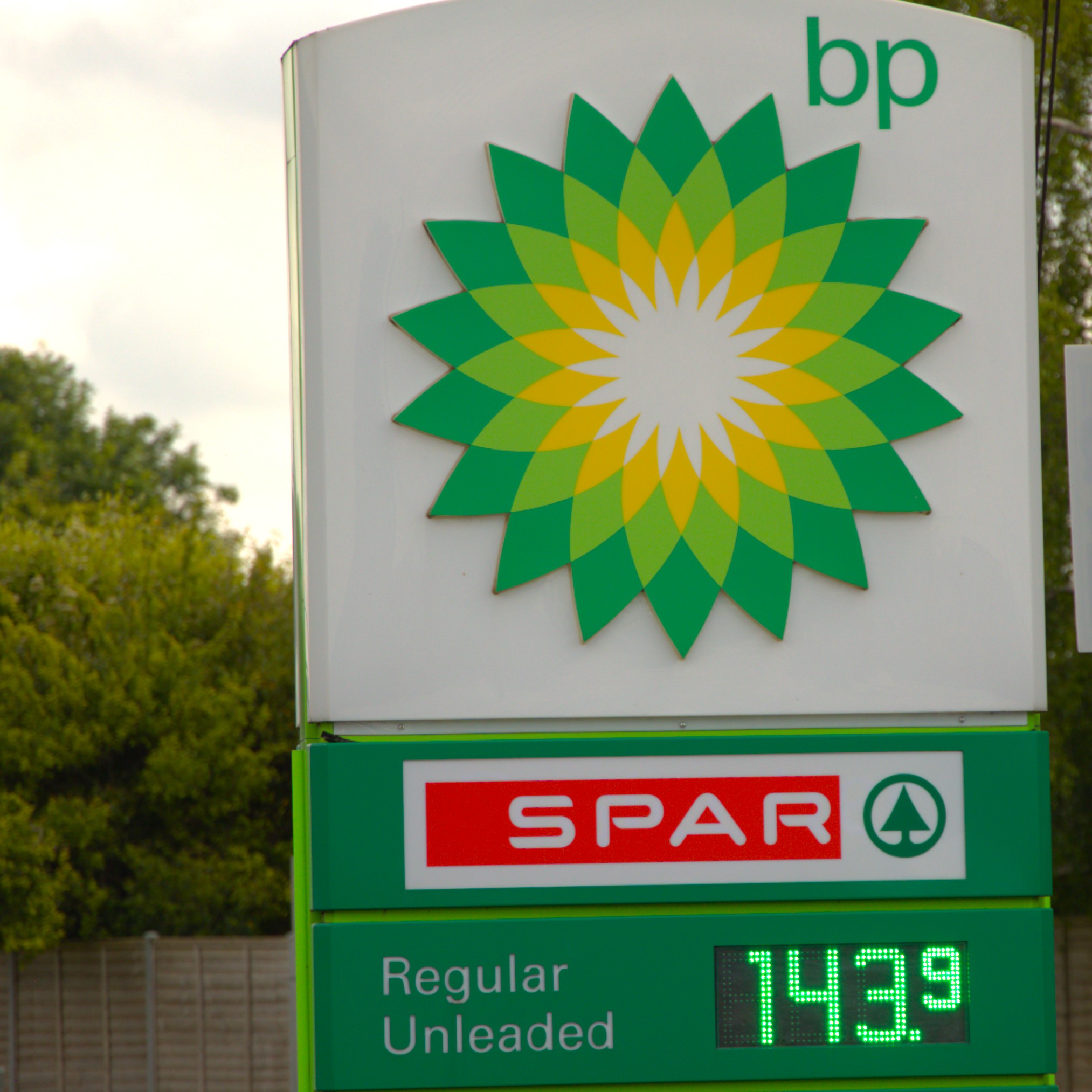
bp petrol station pole sign

The results are the first under BP’s new chief executive, Meg O’Neill, who took over at the beginning of April.

However, BP said its upstream production, which refers to the search and extraction of oil and gas, had been flat in the first three months of the year.

It also expected production in the second quarter to be lower, partly due to the “effects of disruption in the Middle East”. BP’s production facilities in Abu Dhabi, Iraq, and Oman account for around 17% of its total output. However, most of BP’s production is in North America, meaning it can benefit from higher prices, whilst the vast majority of its production is not affected by the conflict in the Middle East.

Energy firms operating in the UK are subject to a windfall tax that was introduced in 2022 as a response to soaring profits following Russia’s full-scale invasion of Ukraine.

However, the levy applies only to profits from the extraction of UK oil and gas. BP has said its UK businesses account for less than 10% of its global profits.

Check if BP is the cheapest near you or if you could save.
61% of motorists support retesting older drivers

61% of motorists support retesting older drivers

With the government proposing changes to road safety legislation that could impact those aged 70 and over*, Uswitch car insurance experts recently surveyed motorists on their opinions towards older drivers, including whether they should be required to retake their test.

The research revealed that six in 10 (61%) motorists believe senior drivers should retake their practical test when they reach a certain age. Support for mandatory retesting is strongest among those aged 25 to 34, with nearly nine in 10 (88%) in favour, while under a third (31%) of those aged 65 and above agree.

In terms of what age reassessment should occur, 70-74 was the most common response, chosen by almost two fifths (39%) of those who support it. 9 in ten (90%) also believe retesting should be ongoing, with nearly half (48%) saying it should take place every two to three years.

Key factors behind support for retesting

Key factors behind support for retesting:

Factors Drivers citing the factor
Slower reaction times 74%
Sight issues 72%
Cognitive decline (memory issues, confusion etc) 67%
Deteriorated driving performance 58%
Deteriorated attention 57%
Deteriorated physical health 57%
Deteriorated mobility 48%
Lack of awareness of updated driving / road rules 45%
Modern car technology advancements 31%
Driving test advancements 23%
61% motorists support retesting of older drivers

Sight issues were highlighted as a key justification for reassessment. The government recently proposed introducing mandatory eyesight testing for drivers aged 70 and at every subsequent renewal** – a measure that over four in five (83%) motorists would support.

Modern car tech advancements overwhelm older drivers

With modern car technology advancements also being flagged as a reason to retest, Uswitch examined the perspective of drivers over 60. Findings revealed that seven in 10 (70%) think modern cars have too many tech features, causing confusion. Over a third (36%) also shared that they don’t feel confident using these features.

Additionally, if drivers in this age group were thinking about buying a new car, almost one in five (19%) would consider buying an older model in order to avoid advanced tech features, while nearly one in 10 (9%) would delay or skip buying a new car altogether.

Uswitch insurances expert, Leoni Moninska, shares tips on driving safety as you get older:

“Declare medical conditions to the DVLA (or DVA): Regardless of your age it’s a legal requirement to declare certain medical conditions to the DVLA, or DVA if you live in Northern Ireland, such as diabetes, heart conditions, epilepsy and strokes***. If you fail to inform UK motoring agencies, you risk a fine and prosecution. You should also inform your insurer of any conditions that impact your driving to avoid invalidating your claims.

“Recognise the signs to reassess: If you haven’t received professional advice that you should stop driving, it’s your responsibility to assess your fitness to continue. Your biggest priority should be safety and feeling comfortable and confident behind the wheel. If you’ve had close calls, accidents, get lost frequently, or notice your reaction times deteriorating, it may be a sign to stop driving. You could also consider taking refresher lessons or an experienced driver assessment, designed to boost confidence and reinforce safety.

“Make your vehicle comfortable: There are purchasable aids on offer to help make the driving experience more comfortable. Accessories like seat belt reachers, swivel cushions and car support handles can make getting in and out of the car easier. Others make sitting for long periods more manageable, like tailored cushions, neck and back supports. If you find particular aspects of driving challenging, for example due to limited grip or flexibility, specific devices may be available to support, so it’s worth researching online.”

Survey of 2,000 UK adults who drive regularly. Responses were given between 6th to 12th March 2026.

Survey of 1,000 UK adults over 60 who drive regularly and own cars. Responses were given between 6th to 17th March 2026. 

* https://www.gov.uk/government/news/thousands-of-lives-to-be-saved-under-bold-new-road-safety-strategy

** https://www.gov.uk/government/consultations/introducing-mandatory-eyesight-testing-for-older-drivers/introducing-mandatory-eyesight-testing-for-older-drivers

*** https://www.gov.uk/driving-medical-conditions

Best Scenic Drives in the UK (and What to Bring for Each)

Best Scenic Drives in the UK (and What to Bring for Each)

Spring is one of the best times to get behind the wheel in the UK. The roads can be clearer than in peak summer, fuel efficiency tends to improve in milder temperatures, and the countryside comes alive with colour. Whether you’re chasing blossom-lined lanes or dramatic coastal views, a well-planned drive can turn a simple journey into a memorable experience.

Here are some of the best scenic spring drives across the UK, plus exactly what we’d recommend you bring for each to make the most of your trip.

Some content on this page may be sponsored and as an Amazon Associate we earn from qualifying purchases. You can read more on our Editorial Code here

Bibury cotswolds

Photo location: Bibury

The Cotswolds: Rolling Hills and Blossom-Lined Villages

A drive through the Cotswolds in spring feels almost cinematic. Think winding country roads, honey-coloured stone villages, and fields dotted with lambs.

Destination Ideas:

  • Burford
  • Bourton-on-the-Water
  • Stow-on-the-Wold
  • Broadway

See fuel prices in Burford here.

Why it’s great in spring:

  • Blossom trees and wildflowers in full bloom
  • Quieter roads before summer tourists arrive
  • Ideal for relaxed, low-speed scenic driving

What to bring:

  • Picnic set – plenty of scenic stops and green spaces*
  • Car phone mount – for navigating narrow country roads safely*
  • Reusable coffee cups – perfect for village café stops
Buttermere Lake District

Photo location: Buttermere

Lake District: Lakes, and Fresh Spring Air

The Lake District National Park offers some of the most dramatic driving routes in the UK. In spring, waterfalls are full, and the landscape is full after winter rains.

Destination Ideas:

  • Keswick
  • Borrowdale
  • Honister Press
  • Buttermere

See fuel prices in Kewsick here.

Why it’s great in spring:

  • Fewer crowds than summer
  • Clearer air and better visibility
  • Waterfalls and lakes at their most impressive

What to bring:

  • Hiking shoes or boots – many routes invite spontaneous walks
  • Dash cam – useful on narrow passes and for capturing views*
  • PetrolPrices App – fuel stations can be sparse, use our free app to compare prices, but more importantly find a fuel station
Achmelvich

Photo location: Achmelvich

North Coast 500: Scotland’s Ultimate Road Trip

The North Coast 500 is often called Scotland’s answer to Route 66. Spring is arguably the best time to drive it, before peak tourist season and midges arrive.

Destination Ideas:

  • Inverness
  • Applecross
  • Durness
  • John O Groats

See fuel prices in Inverness here.

Why it’s great in spring:

  • Longer daylight hours without summer crowds
  • Wildlife spotting opportunities
  • Crisp coastal views and changing landscapes

What to bring:

  • Car cool box – long stretches without shops or services*
  • Emergency kit (jump starter, tyre inflator) – remote driving*
  • Offline maps or sat nav backup
  • Warm layers – Scottish weather is unpredictable year-round
Brockenhurst

Photo location: Brockenhurst

New Forest: Wildlife and Woodland Drives

The New Forest National Park offers a completely different kind of drive, slower, calmer, and surrounded by nature.

Destination Ideas:

  • Lyndhurst
  • Beaulieu
  • Brockenhurst
  • Lymington

See fuel prices in Brockenhurst here.

Why it’s great in spring:

  • Wild ponies, deer, and livestock roaming freely
  • Woodland areas bursting into life
  • Relaxed pace, ideal for a low-stress drive

What to bring:

  • Binoculars – for spotting wildlife*
  • Car vacuum or wipes – muddy shoes are inevitable*
  • Patience – animals often have right of way

A scenic drive isn’t just about the destination it’s about being prepared enough to enjoy the journey. With the right routes and a few smart additions to your car, you can turn any spring drive into a comfortable, efficient, and memorable trip.

Tips:

  • Check tyre pressure – temperature changes can affect it
  • Top up screen wash – pollen and dirt build up quickly
  • Plan fuel stops – especially in rural areas

Know a great spring drive that deserves a spot on the list? Whether it’s a hidden countryside route, a coastal road, or a perfect scenic stop, we’d love to hear about it.

Drop your suggestions in the comments below, we’re always on the lookout for new routes and may feature your recommendation in a future post.

Fuel Price Surge Forces 70% of UK Drivers to Change Habits: UK Motorist Survey

Fuel Price Surge Forces 70% of UK Drivers to Change Habits: UK Motorist Survey

The latest PetrolPrices survey, released on 13th April, revealed that recent fuel price increases have had a dramatic effect on driver behaviour. Just over 41% of the 3,033 responses claimed that the price rises had a significant effect on their finances, with a further 41% noting that the increases had a moderate effect.

A large number of people have changed their driving habits, with 70% detailing how things have changed. More people are driving less overall, combining their trips and looking to drive more efficiently. A little over half of those who said their behaviour had changed are shopping around for prices more than they used to.

Use of the PetrolPrices app in March was over five times that in February, clear evidence that motorists were looking for the best price for fuel.

Roughly a third of people had experienced local fuel shortages, with a similar number caught in long queues for fuel. Roughly a third of people had experienced local fuel shortages, with a similar number caught in long queues for fuel.

The increase in fuel prices hasn’t led to a significant increase in the number of survey respondents who said they would consider purchasing an electric vehicle next time.

The percentage has increased to 9.8%, up from 8.1% when we surveyed our user base last summer. Over 44% will look to buy a petrol car next time, with 23% looking to buy a diesel car and the same percentage looking at a hybrid.

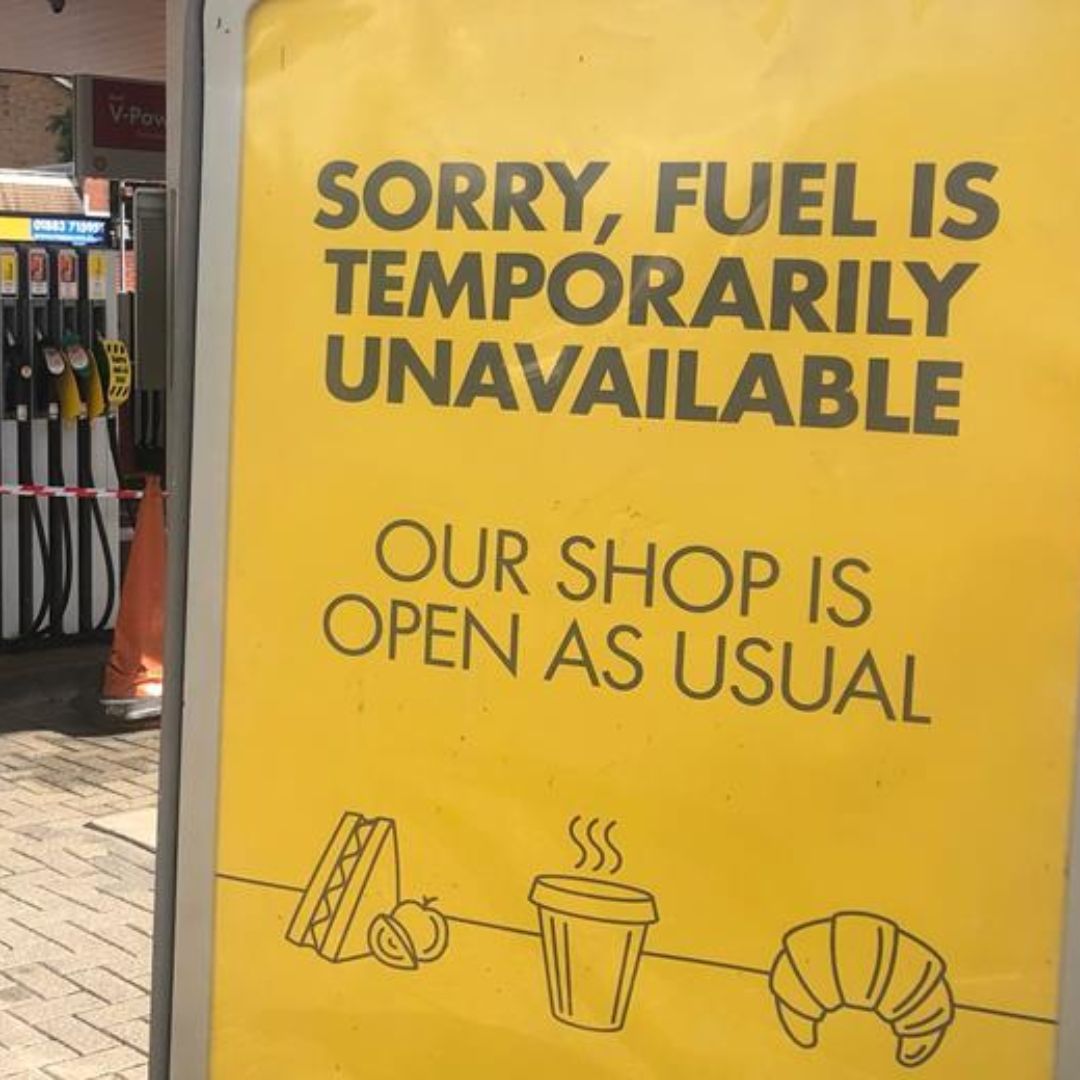
Roughly a third of people had experienced local fuel shortages, with a similar number caught in long queues for fuel. However, 40% hadn’t experienced any issues with supply or longer queues.

Asked how the government should respond to the increase in prices, 79% want a cut in fuel duty, and 74% would like the 20% VAT rate on fuel reduced.  A little over half would like to see a temporary price cap brought in.

You can keep up to date with our surveys by either regularly checking on live surveys to take part in on our Survey Page. Or by creating an account with us an ensuring you are are opted in for third party market to recieve survey invitations from us.

Fuel Finder Fact Check

Fuel Finder Fact Check

CMA to Enforce Fuel Price Reporting Rules from May 2026: What Drivers Need to Know About Fuel Finder


The Competition and Markets Authority (CMA) has confirmed it will begin prioritising enforcement action against fuel retailers that fail to comply with price reporting rules from 1 May 2026. This marks a significant step in ensuring transparency across the UK fuel market.

On Thursday last week (2nd April 2026) the CMA published an open letter to fuel retailers confirming their position on enforcement action for non compliance from the 1st May 2026.

In that letter the CMA confirmed and encouraged retailers who have not yet registered with the scheme that they:

  • Register their forecourts
  • Report fuel price changes within 30 minutes
  • Keep site and business details up to date

The CMA is responsible for enforcing these rules, although the system operator (VE3 Global) will handle most issues first. Where necessary, the CMA can investigate and impose financial penalties for non-compliance.

To allow time for adjustment, the CMA initially deprioritised enforcement from February to early May 2026. However, from 1 May 2026, it will begin actively prioritising enforcement action.

Read the open letter here.

Fact Checking the Fuel Finder Scheme

1. Launch & legal requirement
The scheme launched on 2 February and legally requires all UK fuel stations to report their prices to the Government within 30 minutes of any change.

2. No official app or website
There’s no official Government app or consumer-facing website. Instead, the data is open for industry to use in their own services.

(We combine this data with our other sources under the username “Fuel Finder”.)

Read more about our approach to Fuel Finder here.

3. Downloadable data option
Consumers can download the data twice daily in Excel format.
Just note: this updates less frequently than apps or websites using live feeds.

4. What retailers must report
Retailers are only required to report price changes – within 30 minutes.
For example, if prices change at 10:00am, they must report it by 10:30am or risk investigation.

5. Understanding timestamps
You may see timestamps like “2 days old.”
This doesn’t necessarily mean the price is wrong, it usually means the price hasn’t changed in 2 days.

6. Fuel types included
Retailers must report prices for six fuel types:
• Unleaded (E10)
• Super Unleaded (E5)
• Diesel (B7)
• Premium Diesel (B7+)
• Diesel (B10)
• HVO (Hydrotreated Vegetable Oil)

Consumers also play a role in maintaining data accuracy. Any discrepancies can be reported directly via the Government’s Fuel Finder webpage, helping to improve the reliability of the system over time.

As enforcement ramps up, the Fuel Finder scheme is expected to become an increasingly important tool for UK drivers, offering greater transparency, improved competition, and ultimately better value at the pump.

Have you seen Fuel Finder data in our app yet? Let us know if you have more questions about the scheme in the comments below.