Nov 8, 2017
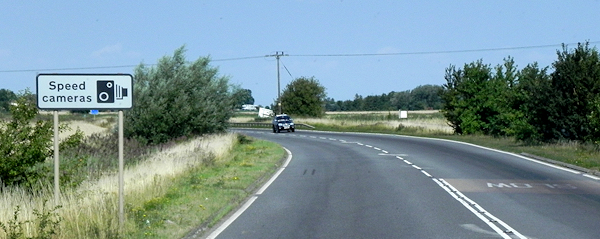
The Press Association recently asked 45 UK police forces for data on how many fixed speed cameras they have, and how many of them are switched on. The results make for interesting reading – it seems that differing approaches to managing speed cameras mean that drivers in some areas have a much better chance of dodging speeding fines than those in other regions. Furthermore, only around half of the fixed speed cameras in the UK are active, which means that there are hundreds across the country that are not catching speeding motorists.
Regional results
From the 36 forces who responded, it was discovered that 13 regions have fewer than half of their fixed speed cameras switched on. Meanwhile, four areas admitted to having none of theirs on at all. The four regions with no active speed cameras are Durham, Cleveland, North Yorkshire and Northamptonshire. The cameras in Northamptonshire have actually all been switched off since April 2011. While the authorities there do have other devices in place to catch those who are driving over the speed limit, drivers whizzing past fixed cameras faster than the speed limit are unlikely to suffer financially as a result.
Of the 2,838 fixed speed cameras dotted around the country, only 1,486 are active, based on the figures from the 36 forces who responded to the information request. However, this does not include the mobile speed devices that many forces declared that they regularly use. All forces also stated that there are frequent reviews about which of their region’s fixed speed cameras should be switched on.
(Credit – David Dixon)
Worrying figures
Brake, a road safety charity, has said that these figures are concerning and that all fixed speed cameras should be switched on. Such a move would certainly help to tackle speed in the UK. Meanwhile, AA president Edmund King believes that the reason so many cameras are inactive is because of limited budgets.
This is supported by the fact that all money received from those paying speeding fines goes straight to the Treasury. It is not automatically put back into running fixed speed cameras. Thus it costs local police forces to run their speed cameras. Many people think that the resulting fines should go to those police forces operating the cameras, thus further incentivising them to deter motorists from speeding.
The great speed camera lottery
Do you feel it’s fair that the speed camera lottery means some drivers are more at risk of being caught than others? The answer probably depends on where you live!
For example, in Staffordshire there are 272 fixed speed cameras, with only 14 switched on. Derbyshire has 122 cameras, but only 10 are active. In addition, there is a whole range of regions that use less than a quarter of their fixed speed cameras to catch speeding drivers. These include Kent (25%), West Yorkshire (25%), South Yorkshire (24%), Greater Manchester (24%) and Cheshire (17%).
In comparison, London, Lancashire, Nottinghamshire, Suffolk and Northern Ireland have all of their fixed speed cameras switched on. As such, people speeding in these regions are far more likely to be caught than those driving elsewhere in the UK.
In the West Midlands, all of the cameras had been switched off. However, eight newly implemented cameras are now active, and there is one particular hotspot in Birmingham that saw 500 speeding tickets being issued within a single month!
Even though you now know your odds of being caught by a fixed speed camera, based on where you drive, it is strongly advised that you do not gamble on whether they are switched on or not. Not only could you end up with a hefty fine and points on your licence, speed limits exist for the safety of all road users. Sticking to them means those in your car and others around you are at less risk of injury.
Although some organisations feel that the roads would be safer with more police patrolling them, fixed speed cameras do tend to work as a deterrent, meaning that most motorists are driving safely. It is hoped that the revelations of these figures won’t change that situation.
Finally, remember that no matter which region you are driving in, all police forces use mobile speed cameras. These could be active at any point during your journey, and are much more difficult to spot than the fixed yellow boxes that may or may not be active at the time.
Will knowing about regional differences in speed camera use affect the way you drive? Should police forces be using these resources more in order to keep us within the speed limit? Let us know your views by leaving a comment below.
Nov 8, 2017
The DVLA has launched a big campaign to track down and penalise people who are dodging paying car tax (also known as vehicle excise duty – VED). The measure comes after the department admitted that revenue from VED fell by £93 million in the year following the abolition of the paper tax discs. It turns out that plenty of drivers used the change to chance not having tax on their car – many of them successfully.
Getting tough
According to the DVLA, the new campaign will highlight what can happen to drivers who haven’t paid their car tax. It will run on radio, catch-up TV and online, as well as in newspapers throughout November. While the supermarkets and other retailers paint an idyllic picture of Christmas in between TV shows, the DVLA will be running an advert featuring a hand-painted car that looks transparent, to show that even if drivers think their car is invisible, it can still be found and clamped.
The RAC welcomed the new scheme, saying that it is good to see that the DVLA is publicly warning drivers about the penalties for not taxing their cars. Untaxed vehicles are often also uninsured. These are a nuisance to society and cause higher insurance premiums for everyone. Thus the RAC welcomes all steps taken to cut down on the number of untaxed vehicles.
(Credit – Dafydd Vaughan)
In the figures
According to figures released by the DVLA, around 10,000 untaxed vehicles are clamped or impounded every month. In 2016, 106,000 untaxed vehicles were immobilised or impounded for dodging car tax. The figure was almost double that of 2014 (at just over 57,000), and a notable increase on the 2015 figure (of 85,000).
Dodging car tax is one of the big reasons for the dip in revenue and the rise in impounded vehicles. However, the DVLA also says that the push towards low emission vehicles has played a part. Overall, it will collect around £147 million less in 2016-17, compared to the 2014-15 period.
A further consideration is that in 2014, new reforms were brought in that meant car tax couldn’t be transferred from one owner to another when a vehicle was sold. Even if a car had a good number of months remaining on the tax, the new driver had to re-tax the vehicle and the seller had to get a refund for the unused time from DVLA. The change caught many buyers off guard and no doubt led to many vehicles going untaxed in error.
The DVLA points out that it has never been easier to tax a vehicle, so drivers have no excuse for not doing so. The online system is available 24 hours a day and you can spread the cost with monthly Direct Debit payments, so there’s no need to pay in a lump sum.
2017 car tax reforms
Reforms in 2017 further changed the car tax system, with greater rewards for lower emission drivers. From 1 April 2017, only electric cars that produce zero emissions and were valued at less than £40,000 are exempt from car tax payments.
Any car worth more than £40,000 will need to pay a £310 surcharge on top of the normal cost of car tax. Cars registered after 1 April will pay a standard rate for their car tax after the first year. This depends on the type of car and fuel used:
- £140 a year for petrol and diesel vehicles
- £130 a year for alternative fuels such as hybrids
- £0 for zero-emissions vehicles such as fully electric cars
This means that a vehicle in the 120g/km band for emissions has gone from paying £30 under the old system to paying £160 for the first year and then £140 a year thereafter under the new system.
Push towards electric
The new, higher tax rates for all types of vehicles (apart from electric) show the real-world application of the government’s big push towards zero emissions vehicles in coming years. At the same time, those who chance leaving their vehicle without tax now face an even greater chance of being caught. This could potentially lead to them losing their vehicle entirely.
Will the new DVLA campaign result in more drivers taxing their vehicles? Or has the switch to an electronic system created loopholes for drivers to hide in? Share your views by leaving a comment.
Nov 3, 2017
For the world of fuel prices, October was very much the calm after the storm and prices remained much the same or even fell very slightly in some parts of the country. The average price of unleaded stood at 118.1p per litre compared to 119.3p in September while the overall cost of diesel was 120.3p versus 120p in September.
Current price trends
Looking at the current price trends from October, Asda remains the cheapest place to get fuel on average around the country. Their unleaded price was 113.9 versus 114.5 at Morrisons and 114.6 at Sainsbury’s, Tesco was in fourth place with a price of 114.9. The pattern on diesel prices is also similar with Asda offering 116.2 for their customers followed by Morrisons at 116.8, Sainsbury’s at 117.1 and Tesco at 117.7.
When compared with other retailers around the UK, it shows that drivers are still best going to the supermarket for their fuel. The cheapest average price for unleaded at other retailers, apart from supermarkets, was 117.7 at Jet garages followed by 118.9 at Texaco and 119.1 at Esso. Highest of the big fuel retailers was BP at 120.3p per litre. Diesel displayed a similar picture – Jet at an average price of 119.9 followed by Texaco at 121 and Esso at 121.1. BP was again the most expensive at 122.3 on average.
Looking back
Current prices for unleaded are higher than in 2016 and 2015 in the same months but go back a little further to the 5-year mark and prices are still considerably lower – the figure for unleaded in October 2012 was 138.5p per litre. Go back even further and the comparison to prices 10 years ago highlights why running a car can still be expensive – the average cost was just 97.8 in October 2007.
Diesel prices compared to historical figures are a little less severe but still show an interesting pattern. Last month’s price compared to a price of 110.4p two years ago but favourably to the price in 2012 at 143.5p. Like petrol, the price 10 years ago was a much healthier 100.1p per litre.
Increases ahead?
While the rise was modest in October, experts are already predicting that prices are set to rise in November. One of the key reasons for this is the agreement between Russia and nine other OPEC producers to limit production to 1.8 million barrels a day. The agreement was put in place in January 2016 with the aim of clearing a supply glut. While it is due to expire in March 2018, many experts believe it will be renewed for a second time.
The result was that Brent Oil closed at its highest levels since July 2015 when the market closed on Monday with prices in the US finishing at $60.90 a barrel, an increase of 46 cents. This means that Brent has increased by 9.5% in the last 16 trading days.
Wholesale and pump
While this rise in the price of wholesale may increase prices at the pump, the two don’t always directly correspond. For example, there was a spike at the end of August that saw wholesale petrol rise to 95.73p but the price at the pump only moderately increased – because the spike was a short-lived one. Within a week or so, the price was back to 92.04p, around the same figure as before.
Prices for both diesel and petrol did fluctuate during October in terms of the wholesale price but the price at the pump remained largely consistent. This shows that while the price of wholesale can change rapidly for short periods, it doesn’t always mean we end up paying more at the pump.
Conclusion
While prices in October were generally quite steady, there is worry that the trend could see increases during November. And with the busy Christmas season around the corner, the advice remains to watch out for those deals and special offers to try and get the best price for your fuel, wherever you live in the UK.
Nov 1, 2017
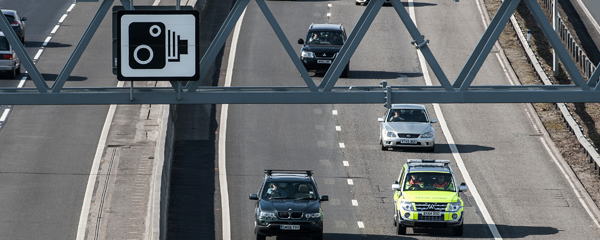
According to the latest study from the RAC Foundation, a driver receives a penalty notice every 2.5 seconds somewhere in the UK. This adds up to a whopping 12 million penalty notices having been handed out each year and means that 1 in 3 drivers has received one of these penalty notices in a year.
The number of penalties is because of the increased use of cameras to catch offenders which has also led to greater mistrust in the system amid motorists. They see a lack of discretion and common sense when issuing the penalty notices, which causes people to distrust it.
Dr Adam Snow, criminologist lecturing at Liverpool Hope University compiled the statistics for the RAC Foundation that showed each year there are:
• 8 million parking penalties from local authorities
• 2.5 million penalties for bus lane and box jurisdiction
• 500,000 late licensing and insurance penalties
• 1 million red light and speeding penalties
These figures don’t include the additional 5 million parking penalties for drivers who are on private land or the 1.2 million drivers who use a speed awareness course to avoid the penalty.
Changing face of policing
The figures show that as police budgets are cut, they look to rely on the extra income generated from these fines. Reductions in police budgets are ‘perhaps the main driver’ behind the reliance on cameras, according to Dr Snow. Between 2010 and 2014, the number of police officers also fell by nearly one quarter, so less police on the streets combined with more cameras is why motoring penalties are on the increase.
Steve Gooding of the RAC Foundation said that in order for the system to maintain legitimacy, the public needs to be able to see these automatic enforcements as proportionate. This means that while wrongdoing should receive punishment, a decline in front line policing shouldn’t lead to a reliance on these penalties to make up the shortfall.
Currently, millions are caught on camera for minor misdemeanors, such as not paying on toll roads or jumping a red light, while more serious crimes are seen as going unpunished because there aren’t enough police to deal with them, or the police that they have are not trained or do not wish to engage with the criminals, such as the recent spate of thefts on mopeds in London.
(Credit – Highways England/Flickr)
Is the income being spent wisely?
On the other side of the argument is Martin Tett, the spokesman for the Local Government Association’s transport department, who says that effective parking control is one of the most frequently demanded services from residents and this is why parking companies that enforce action are both a deterrent and way to generate much needed income for underfunded councils.
In addition, income raised from offences such as on-street parking fines, is then used to help run parking services, with any surplus then being used for essential transport projects. This includes the £12 billion road repair backlog as well as creating new parking spaces in towns and cities. However, this year the Government has cancelled 22 road projects that were intended to ease road congestion and there is a general perception that traffic congestion is worse than ever.
If the income generated from these fines was used to pay for the police and projects to improve the road network to ease congestion then most drivers would agree to this. It seems that the income is not being spent on this, rather on measures to monitor drivers and penalise them further.
Motorway speeding fines reach new low
Drivers are facing even higher penalties with the latest change to speeding fines, which were introduced earlier this year. In some situations, motorists could face a possible £2500 fine and a ban if they exceed a permanent 40mph speed limit on a motorway. Currently, the motorway speed limit is 70mph but there is a stretch of the M32 in Bristol where it is currently set to 40mph.
The measure was put in to place following a set of temporary speed cameras due to roadworks that started in July. During this time, some 10,000 motorists were caught speeding over a two-month period. Luckily, at that time, the speeding fines weren’t enforced.
However, at the end of October, the speed limit became permanent and speed cameras were set at 40mph. The maximum speeding fine is £100 but if you are deemed to have exceeded it severely, then the fine can be as much as £2500.
What do you think of the scale of motoring penalties? Is it too much or is it about time people are penalised for these offences? Have we reached a situation where surveillance has gone too far? Let us know in the comments below.
Nov 1, 2017
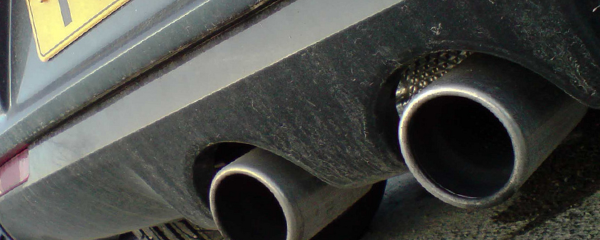
It has been suggested that the risks of driving diesel cars are not being taken seriously enough as a study has uncovered that people have been opting to have their diesel particulate filter (DPF) removed rather than pay £1,000 for a replacement. Vehicles that remove a DPF spread toxic pollution 20 times greater than a normal diesel car.
A DPF is vital in helping to cut pollution created by diesel engines as it traps soot from the exhaust which is then burnt into harmless ash using heat created by the vehicle’s engine. All diesel cars manufactured after 2009 have one of these filters fitted, but 1,800 cars have been caught without one since 2014.
Although 1,800 already seems like a high number, there are likely to be many more motorists who are also driving their diesel car without a DPF as this is not picked up in an MOT, and cannot always be detected during an emissions test. So the true scale of vehicles without DPFs is not clear but some experts are estimating that there are up to 20,000 vehicles with DPFs removed driving on UK roads.
Removing DPFs improves performance
The cost of a new filter is one of the main reasons why motorists would prefer to not have one at all, as a replacement is priced at around £1000 whereas a removal will only set them back a few hundred pounds in comparison. As well as saving on replacement cost, many drivers claim that after having the DPF removed it improved engine performance and fuel efficiency, a leading cause of why so many are taking DPFs out in the first place.
If you are caught without a DPF and prosecuted on a car the fine is £1,000 and van £2.500 but as it stands no penalty points are applied on a license for removing a DPF. The DVSA are planning on closing the loophole and as well as making annual checks of DPFs compulsory, putting in place stricter penalties for having them removed for both driver and the garage who did it.
DPFs work most effectively at high temperatures which means that those installed in cars which do a lot of motorway driving are the most effective, whereas those which are subjected to lots of short and slow urban journeys are more likely to get clogged and break, which is why this problem is one that is affecting a high number of diesel owners.
(Credit – morebyless/Flickr)
Most polluted towns and cities
If people were more aware of the risks involved in removing their DPF they might be less likely to do it, as the particulates released into the air can cause heart attacks, strokes, lung cancer, and affect unborn children too. In addition to this, it has been announced that around 40,000 premature deaths are caused by these deadly particles which are so small that they are inhaled deep into the lungs of individuals across the UK.
Plus, it is the whole of the UK that is being affected even though larger towns may be experiencing the most issues. A recent study has found that Glasgow and Scunthorpe are suffering the most, with London, Leeds and Birmingham also showing high levels of dangerous particulates in the air. Overall, there are 43 Uk towns which have pollution levels so high that they are breaking global safety limits, which shows just how serious this issue is.
Within London alone, 800 schools and many of its hospitals are in areas of high pollution which means that some of the city’s most vulnerable people are at risk of breathing in the most polluted air, surely another statistic that will help people to see how dangerous it is to drive a car that has been altered to allow more pollution to be emitted.
Diesel cars are now being placed at the top of the list of factors to blame for the increase in air pollution, which is partly down to the fact that people were encouraged to buy them by previous Governments due to the fact that they release less carbon dioxide than other vehicles which technically makes them a better choice in the fight against global warming. However, now that these new risks have come to light it is obvious that this promotion of diesel cars was a highly damaging one.
In May 2018 it is thought that tests will have been rolled out which can effectively test whether a diesel car still has its DPF intact, and with the new T-Charge being implemented in London it is hoped that this will help to reduce air pollution too.
In addition to this, diesel scrappage schemes are being made available by a number of car manufacturers to try to get as many as possible off of the roads as they work with the Government to try to make the world of motoring a more environmentally place to be.
What do you think of those who remove DPFs? Should they be penalised more harshly for polluting far more than other road users? What can be done to tackle pollution in our major towns and cities? Let us know in the comments below.
Nov 1, 2017
Motorists have been given more bad news regarding the cost of driving this week as it has been announced by the Association of British Insurers that the cost of car insurance premiums is at the highest it has ever been since the ABI started tracking average insurance premiums in early 2012.
It has been found that the average car insurance premium is now £485, which is £45 more than it was this time last year and £1 higher than the previous record which was set last month. Insurers have blamed a 12 percent rise in Insurance Premium Tax (IPT) in the last two years as well as an increase in whiplash claims and soaring average repair bills, which have jumped by a third since 2013.
This comes on top of the new T-Charge launch last week which has hit drivers in London who own a polluting older diesel vehicle, and the rise in car tax which occurred earlier this year. All of which add up to making it one of the most expensive times to own and run a vehicle in the UK than ever before.
Why are premiums so high?
One reason for the increase in car insurance premiums is the fact that there have been changes to personal injury payouts which mean that insurance companies are having to give people more than they did previously.
This is because the amount of interest that an injured party could gain on their payout has been reduced from 2.5% to 0.75% (called the Ogden rate) meaning that insurance companies have to pay the difference, and these costs are being passed directly onto their customers in premium increases.
In light of this, insurance companies have asked the Government to change the Ogden rate again in a bid to make things fair for claimants, taxpayers, and other customers so they are not being penalized for the drop in interest rates and the effect that this is having.
Another reason that car insurance premiums are on the rise is that the cost of repairs has gone up by around a third, which is another increase that insurance companies are having to pass onto their customers.

(Credit – Images Money/Flickr)
Older drivers hit hardest
So who is being affected the most? According to the latest car insurance price index from Confused.com, female drivers have seen a 13% increase in their car insurance premiums year on year and male drivers have seen a 14% increase, resulting in men paying £116 more than women on average in real terms.
Although insurance companies are no longer allowed to use gender as a factor when working out premium quotes, there are reasons why men are being charged more, including the fact that they often drive more expensive cars with larger engines, and are also more likely to have a driving conviction than women.
With regards to age, 61-year olds have seen a 23% increase in their car insurance premiums over the last 12 months, and 21-year olds have been hit by a 19% rise which equates to around £279 extra per year.
On top of this, 17-year olds now pay the most whereas it had previously been 18-year olds, and their premium will cost them an average of £2,272 per year which is possibly even more than many would spend on their car itself!
With so many different costs that motorists are faced with it is unsurprising that a large number are really feeling a squeeze on their finances, and with the current rise in oil prices expected to result in fuel price rises in November it means that things are set to get more expensive at the petrol pumps too despite drivers enjoying lower prices recently.
Positive news in the Budget a must
A combination of rising premiums, road taxes and fuel prices coupled with the impact of Brexit on the car industry is creating a “perfect storm” scenario on Britain’s roads, which are more congested and polluted that they have ever been. Owning a car has never been more expensive than it is today, it almost feels as if the driver cannot be charged any more for the privilege to drive a car than they are right now.
The Government has the perfect opportunity to take action with the Autumn statement on Nov 22nd. The rumour is that the Chancellor will freeze fuel duty for the 8th year in a row and save everyone 3 pence a litre at the pumps. While this is welcome, I think we are very close to a tipping point where if there is not some form of radical change in Government policy aimed at the cost of being a motorist then I think direct action might be taken by motorists themselves.
What do you think of the fact that it’s now more expensive to be a motorist than ever before? Are the Government basically trying to price people off the roads and get them into public transport? Is being a motorist in Britain fundamentally broken, if so how can we fix it? Let us know in the comments below
Oct 25, 2017
Rising insurance costs and the price of fuel mean that driving is becoming increasingly expensive. Now, it seems that making a mistake when driving is becoming more expensive too. New figures from the Press Association show that the contribution that constabularies get from each person attending a speed awareness course jumped from £35 to £45 last month, as course costs rise. Attending the course means that drivers can avoid getting penalty points on their licence for speeding.
Expensive business
This means that police forces around the UK will collect some £54 million from the 1.2 million drivers who attend a speed awareness course in the UK this year. The staggering figure doesn’t include the millions of pounds that they receive from courses such as the National Driver Offender Retraining Scheme (NDORS), which is conducted by private companies on behalf of the police.
Courses are offered on a discretionary basis. Offenders can attend a course and avoid both the points on their licence and a fine. However, the actual cost of the course can vary greatly depending on where you live.
Regional variations
Motorists speeding in Northamptonshire, for example, have to fork out £75 for the speed awareness course, while Essex drivers pay £99, a difference of 32%. There are also some big regional differences in prices for the Ride courses, which are part of the NDORS. Drivers in Lancashire pay £80, while those in Norfolk and Suffolk pay £185 – a difference of £105 for the same course.
According to the RAC Foundation, people are attending speed awareness courses with no idea that people in the next county could be paying significantly less for the same service. There is no system in place to explain why speeding course costs vary by as much as a third, just depending on where you live.
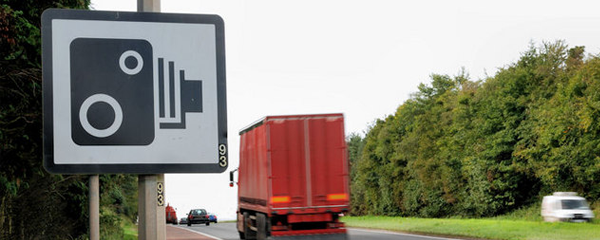
(Credit – Albert Bridge)
Worth the cost?
With rising costs for the speed awareness course, and regional price differences, the question then becomes – is it still worth doing the course?
One way of deciding this is by looking at the cost of insurance, which rises when you have points on your licence. Drivers who have 10-11 points see the biggest increase, of up to 82% on the average policy price. London, Glasgow and Birmingham see the highest costs for these drivers.
Even at the lower end of the scale, drivers with 1-3 points on their licence can expect to pay up to £25 per year more for their car insurance. Altogether, drivers in this category are paying an additional £49.5 million in insurance costs around the country. Again, London, Glasgow and Birmingham see the steepest insurance rises for drivers with points on their licence.
Changes to speeding fines
The cost of speeding fines also needs to be considered. Under new rules brought into force in April 2017, the maximum fine for a speeding offence on a normal road is £1,000. However, if yor’re caught speeding on the motorway, the fine can be up to £2,500. The standard fine is £100 and three points on your licence, with the option of the speed awareness course being offered in some cases. Suddenly that course cost doesn’t seem so bad!
The new speeding fine system considers your income and places you in one of three bands. If you’re caught speeding in a highly populated area, at a high speed and with a certain level of income, you could see a much higher fine. Therefore, even accounting for regional variations, the speed awareness course can be the cheaper option.
Have you taken a speed awareness course in order to avoid penalty points? What were you charged for the privilege? Leave a comment to share your views.
Oct 25, 2017
Car manufacturer Vauxhall announced last week that it will be cutting 400 jobs at Ellesmere Port in Cheshire. Falling car sales figures are to blame. At the same time, the Society of Motor Manufacturers and Traders (SMMT) has announced that investment in the UK car industry is on track to halve this year. Is this the future of the post-Brexit car industry?
Cutting jobs
Vauxhall is part of the PSA Group, which also makes Peugeot and Citroen vehicles. It has cited the ‘challenging European market condition’ as the reason for the 400 job cuts at Ellesmere Port.
According to PSA, the costs at the Ellesmere Port plant were higher than other ‘benchmark plants’ within the company. Thus Ellesmere Port was first in line when it came to cutting costs in the wake of Vauxhall’s falling sales figures. Vauxhall currently employs some 1,800 people at the plant as part of a total UK workforce of 4,500 people, including the factory in Luton where it makes its vans.
PSA Group became the second largest car manufacturer (after Volkswagen) in August when it bought both Vauxhall and Opel from US car giant General Motors. At the time, Prime Minister Theresa May sought assurances from chief executive Carlos Tavares that there would be no job losses. However, it seems that the situation has changed.
Vauxhall has denied that the move is connected with the current Brexit process, insisting it is about maintaining competitiveness within an industry facing a great deal of change. While SUV sales have grown across Europe, the number of five door estates and saloon vehicles sold has fallen. These are the models manufactured at Ellesmere Port.

The Brexit factor
While Vauxhall may not overtly be blaming Brexit, one cannot help but assume that it is a factor in the recent job loss announcements. According to the SMMT, the UK motor industry enjoyed £1.66 billion of investment last year. So far this year, it has received just £647 million. As such, the overall investment figure for the year looks set to crash by as much as half.
In the case of Vauxhall, PSA Group has said that it is not in “a position to consider future investments.” Part of the reason is that it does not have “enough visibility on the future trading relationship with the EU.” So while Vauxhall may deny that the job cuts relate to Brexit, its new owner is citing that as a direct cause of reduced investment commitments.
The plummeting pound
PSA went on to say that the Ellesmere Port plant currently makes around 140,000 Vauxhall Astras per year. A new model is planned for the early 2020s and its aim is to make the plant more productive in preparation for that model.
However, Professor David Bailey from Aston Business School said that the changing emphasis on SUV models was only a part of the problem. He believes the depreciation of sterling since the Brexit vote is causing big issues for many companies – as are the stalled and somewhat farcical Brexit negotiations.
According to the professor, PSA acquired some 33,500 staff across Germany, Hungary, Poland, Austria, Spain and Italy as part of the recent deal. Cutting costs will be one way of making the company profitable. With the decline in sterling, it seems that the UK arm of the business is the one to suffer first.
Brexit Chaos
The sterling issue, the concerns about future trade deals and the myriad other issues surrounding Brexit have clearly played some part in PSA’s decision. They highlight the negative impact that the apparent chaos of the negotiations is already having.
In fact, the negotiations are so bad that EU diplomats are convincing themselves that it is really some cunning plan to make things appear chaotic, while underneath they are calm and organised. However, closer to home there is no such conviction.
Politicians fighting, a complete inability to agree on anything and the looming threat of ‘no deal’ – there’s little surprise among business experts that companies with a European presence are already looking at their options. Even the President of the EU Commission, Jean-Claude Juncker, has said that he thinks the process will take longer than anyone thought – five rounds in and nothing at all seems to have been agreed (apart from the fact that everyone needs to agree). In the meantime, UK businesses and jobs could start to see the negative effects snowball, with the car industry leading the way.
Are the Vauxhall job cuts a sign of what’s to come for the UK car industry? Will the halving of investment in the industry mean more job losses before the end of the year? Leave a comment to let us know your views.
Oct 25, 2017
Despite originally planning for a 3 pence per litre increase in fuel prices to come into effect from April 2018, it seems that Chancellor Philip Hammond is now hinting that fuel duty will be frozen in the next Budget.
However, planned cuts to oil production by the Organization of the Petroleum Exporting Countries (OPEC) could mean that drivers will face higher costs at the pumps, regardless of the hoped-for freeze.
Fuel duty freeze?
The Chancellor has come under intense pressure from senior members of his party over the matter. They believe that a rise in fuel prices would be unfair on motorists who are already struggling due to a significant rise in inflation and spiralling living costs.
There has been no official comment about the rise (or freeze) from the Treasury. If a fuel duty increase was to take place, it would be the first to occur in seven years. Not only would such a rise affect drivers at the pumps, it would also potentially increase inflation even further. This could risk jobs and slow fiscal growth.
It has been calculated that it would cost motorists and freight companies more than £6 billion extra per year in tax if the suggested fuel duty rise was to go ahead. £3.7 billion of this would come from private households, with the rest coming from the haulage industry.
If the Chancellor was to continue increasing fuel duty on an annual basis, as used to be the case, it would end up costing motorists a massive £23 billion between now and the next election (due in 2022).
Economic arguments
The Conservatives’ DUP allies have spoken out to say that they want to see fuel duty cut. They argue that this would support motorists and be far better for the economy, with people able to afford to drive.
Since March 2011, fuel duty has been frozen at 57.95 pence per litre. This has saved motorists around £186 at the pumps per year. In the face of continuously rising living costs, this amount can really help out many families as they work out their finances.
Not only is there an argument against rising fuel duty, discussions are also being held around how all of these motoring taxes are being spent. There are so many motorists on the UK’s roads that congestion and road maintenance are becoming harder to handle. Providing extra funding for local councils could certainly help with this, but where will the cash come from?
Rising fuel costs
Even if the fuel duty freeze does continue (as many hope it will), this doesn’t necessarily mean that the price of fuel won’t go up. This is mostly due to a pledge between OPEC and other producers, which sees them cutting oil output to steady supply and boost prices. That pledge was due to finish in March 2018, but may now be extended to the end of 2018.
With as much as 1.8 million barrels a day being cut to try to stop oversupply, the cost of a barrel of oil has been pushed up to $60. This is being reflected in fuel costs, which makes it more expensive for car owners when they go to fill up their tanks.
As such, if Philip Hammond does decide that raising fuel duty is a good idea, it could be that motorists are hit twice as hard at the pumps. They’ll be paying extra to cover both the tax increase and the heightened cost of a barrel of oil, making a trip to the petrol station a very expensive one indeed.
With so many individuals and businesses relying on their vehicles in order to work, a fuel duty increase could be a very risky move by the government. OPEC is already making it harder for people to use their cars, vans, and lorries. Any further increase in fuel costs could directly impact the economy.
Have you felt the pain of rising fuel costs? Are you already making fewer journeys as a result? Share your experiences by leaving a comment below.
Oct 25, 2017
Smart motorways were originally sold to motorists as a more efficient way to use the roads. Their innovative technology and time saving insights were going to free up traffic flow and reduce air pollution. Apparently.
However, could it be that they are really just another means of raising revenue through driving fines?
The red X
There will soon be a £100 fine for anyone caught driving in a lane marked with a red X. The red X is used predominantly to indicate when the hard shoulder has been closed. Not only will defying the red X now garner drivers a £100 fine, it will also incur penalty points on their licence.
The fine announcement follows Highways England sending out 50,000 warning letters to drivers who had been caught using smart motorways wrongly. A third of those letters related to drivers who had driven in a lane with a red X displayed above it. If all those drivers had received fines, instead of just warning letters, a cool £1.6 million would have been raised. Clearly, someone in charge has been doing some sums.
Safety concerns
The RAC agrees that handing out these fines is the right thing to do. The organisation hopes that the implementation of the fine will deter people from driving in closed lanes, which is often dangerous due to a hazard.
Seeing motorists using these closed lanes also makes other drivers frustrated, which can be dangerous in itself. This is especially true when people are intentionally using the closed lane until the last minute so that they can then cut in and get ahead of other road users.
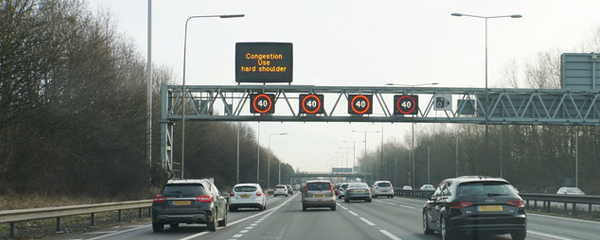
(Credit – Bill Boaden)
Education needed
The red X that indicates the closed lane is very clear. However, in the cases of other transgressions, it may be lack of education about smart motorways that is causing motorists to make errors. Many don’t realise they are doing anything wrong.
The Department for Transport is expected to release plans for the new smart motorway fees shortly. In the meantime, it has been suggested that drivers be given more information about how to use smart motorways in the correct way. This would mean fewer drivers ending up with unexpected fines.
Not only would this help people to avoid fines, but it would also make smart motorways safer to use. At present it seems that many drivers are unaware of the risks involved with not using them properly.
For example, many people are unsure of what they would do if their car was to break down at a point when there is no hard shoulder to pull onto. Without this knowledge, there’s much greater scope for a breakdown to result in a nasty accident.
(In case you were wondering, there are emergency bays spaced along smart motorways at regular intervals. These can be used in the event of a problem. Meanwhile, you are advised to always check your tyres, oil, fuel and water before making a journey, to reduce the risk of a breakdown.)
Unfair fines?
With so many drivers being unaware of exactly how they should be using a smart motorway, it could be said that it really isn’t fair to impose fines on people until they have been given far more education about the new way of using these particular roads.
The lack of effort in terms of educating drivers certainly points to an intention to use smart motorways for revenue generation. The move will add to the pressure on drivers already struggling with rising motoring costs. Clearly, using smart motorways incorrectly can result in dangerous situations. However, does that make it right to prioritise fining transgressors before sufficiently educating them?
A cynic might presume that information is being withheld in order to catch people out when they are unsure of how to drive on these new roads. Perhaps our smart motorways are simply offering a smart new way to make more money from the UK’s beleaguered car owners.
With this in mind, Highways England has been asked to provide motorists with a better education about smart motorways. Drivers need to know what they do, how they should be used, and what the different signs mean. They also need to know what not to do, so that they can avoid being fined!
Are you confident that you understand all the rules and regulations relating to smart motorways or will you be one of those who could be in line for a fine due to lack of knowledge? Let us know your views by leaving a comment.
