91% of drivers can’t identify all car dashboard lights

91% of drivers can’t identify all car dashboard lights

Despite modern cars being equipped with technology, mostly designed to keep us safe, a new survey reveals that many drivers struggle to understand what their dashboard is trying to tell them.

Temporary car insurance experts Tempcover surveyed 2,000 UK drivers[1] to find out if they could correctly identify their car dashboard symbols, whether they’ve ignored them when illuminated, for how long, and their main reasons for doing so. The results show that many drivers are potentially putting their safety at risk by failing to address important warnings.

Survey Reveals 91% of Drivers Fail to Identify All Car Dashboard Symbols

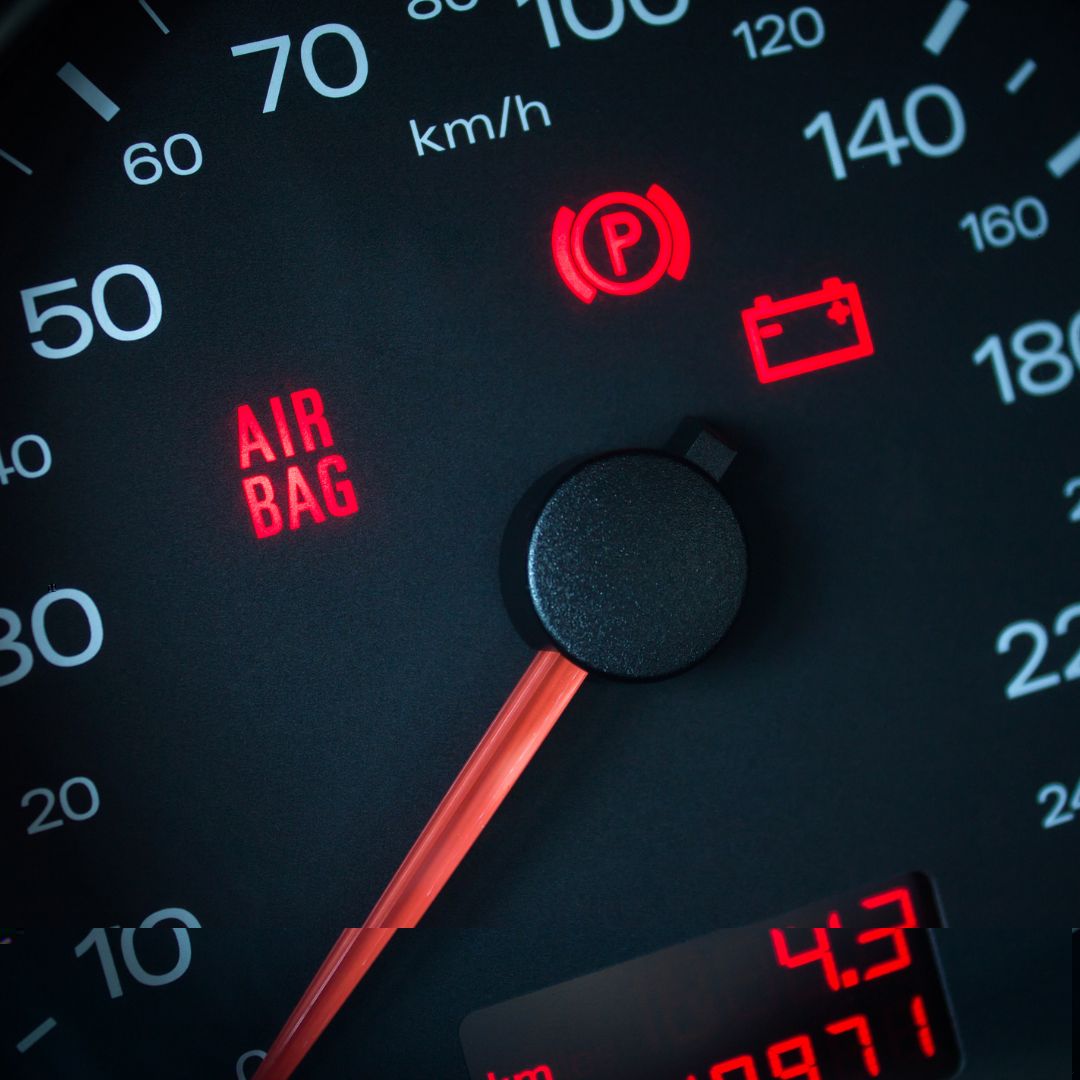
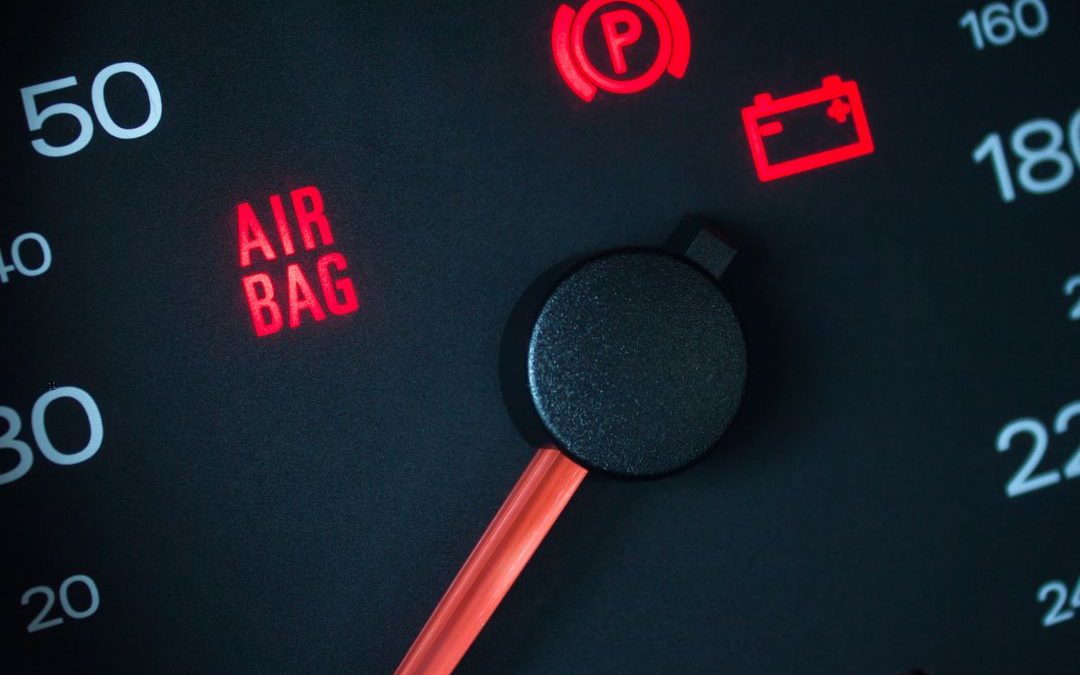
The survey asked respondents to correctly match an image of each dashboard symbol with its corresponding meaning, with 91% of drivers failing to correctly identify all symbols, highlighting a major gap in driver awareness.

The most commonly misidentified symbols include the Electronic Stability Programme (ESP) warning light, which helps prevent skidding, the Diesel Particulate Filter (DPF) symbol, designed to reduce harmful emissions, and the Tyre Pressure warning light, which alerts drivers to low tyre pressure.

Dashboard symbol

% of respondents unable to correctly identify the meaning

Electronic Stability Programme (ESP) warning light

73%

Diesel Particulate Filter (DPF) warning light

62%

Tyre pressure warning light

57%

Engine warning light

39%

Power steering warning light

33%

Engine temperature/Coolant light

28%

Oil pressure warning

20%

Airbag/Seatbelt warning light

18%

ABS/Brake warnings

10%

Battery warning light

9%

Survey Reveals 91% of Drivers Fail to Identify All Car Dashboard Symbols

Nearly 4 in 10 respondents couldn’t correctly identify the engine warning light

39% of drivers failed to recognise the engine warning light on their dashboard, with 22% admitting to driving with the symbol illuminated. 37% of drivers then said it took them a week or more to have the warning light checked.

Claire Wills-Mckissick, temporary car insurance expert at Tempcover, advises: “If the engine warning light comes on, it’s important not to ignore it. Arrange to see a professional mechanic as soon as possible to resolve the issue. If the light is flashing or red whilst driving, park safely and call your breakdown provider immediately.”

One in three have continued to drive with the tyre pressure warning light illuminated

The engine light isn’t the only symbol respondents admitted to continuing to drive with when illuminated. Tyre pressure (33%), battery (10%), oil pressure (10%) and airbag/ seatbelt (9%) warning lights round off the top five.

The main reasons for continuing to drive with a dashboard sign illuminated were that the driver didn’t think it was serious or urgent (29%), and because they didn’t feel any immediate impact on the car’s performance (23%). One in 10 admitted it was because they didn’t know what the warning light meant. 

Claire continues: “Serious risks to you and passengers are indicated by dashboard warning lights. These symbols often point to safety issues requiring immediate attention. By understanding what car dashboard warning lights mean through your car’s manual, you’ll know what’s happening and can take swift action if needed. And if you do need to take your car to the garage, temporary car insurance can be a quick and flexible option to borrow a vehicle while yours is being repaired.”
Filling Up with Unleaded or Diesel Costs £10 Less than a Year Ago

Filling Up with Unleaded or Diesel Costs £10 Less than a Year Ago

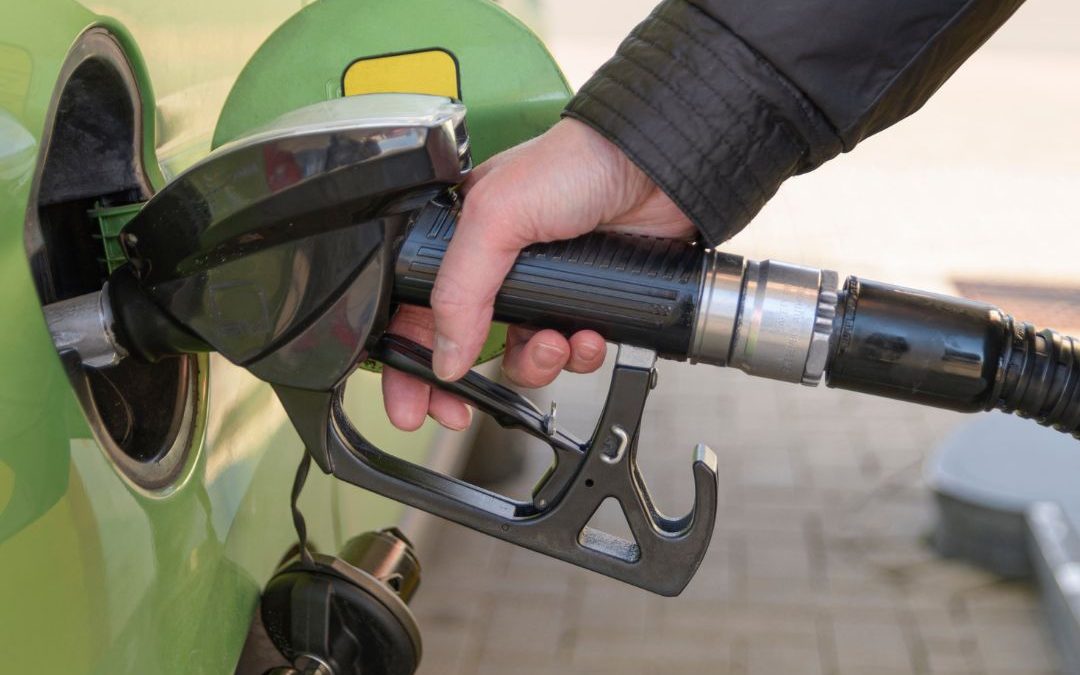
Unleaded prices fell during April by an average of 1.5ppl. UK motorists have benefited from falling pump prices during April as prices now sit close to the October 2024 lows, which were the lowest since August 2021. The average price of unleaded is 133.7ppl, down over 10% from a year ago.

The pump price reductions come as wholesale prices have fallen due to market oversupply and uncertainty surrounding US tariffs and their potential impact on the global economy.

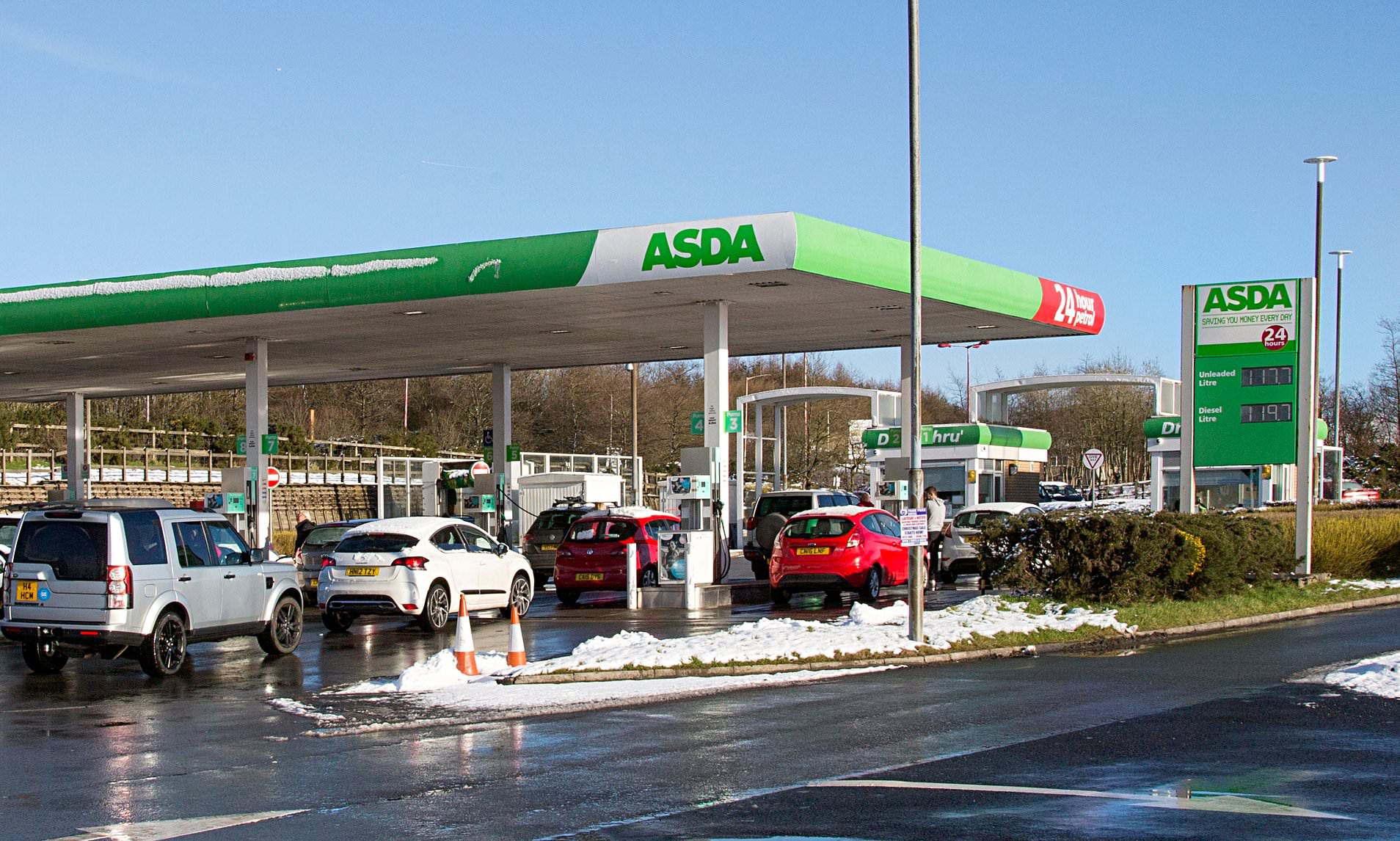
We have also seen more aggressive pricing from the supermarkets, as they battle to improve market share both in-store and at the pump. Asda has led the pricing, being the lowest of all the supermarkets in 11 of the 18 weeks this year. Tesco, however, was strong in April, beating Asda marginally in weeks 16 and 17.

Diesel drivers have also seen prices fall. In fact, the average diesel price was down nearly 2ppl across the month and again over 10% lower than a year ago. It now costs £10.20 less to fill a diesel car than in April 2024 and £9.60 less in an unleaded car.

Through April, we have recorded twice as many unleaded price drops across petrol stations as price increases and 2.9 times as many diesel decreases. This indicates a wide range of stations are reducing prices as wholesale markets fall.

Since the start of the year, the East Midlands has seen the largest average monthly price drop, with the South East of England having the lowest. The East Midlands also has the widest range of prices. If you want to get personalised fuel price updates, we have a free Price Alert service that allows you to get prices for your local petrol stations. Click to sign up.

Wholesale data provided by Portland Pricing shows that the difference between both diesel and unleaded wholesale and pump prices is slightly higher than the 12-month average. The diesel differential gives more room for manoeuvre. This could indicate that these prices might hold into May, with the potential for diesel pump prices to decrease further.

The CMA also released an update to its retail fuel monitoring report at the end of March. The report found that “Fuel margins remain high compared to historic levels, which suggests that overall competition in the road fuel retail market remains weak.” Services such as PetrolPrices help keep motorists informed about unleaded and diesel price changes and help improve competition between stations.

We process over one million prices a month, and thank you for your continued support. If you find the service helpful and would like to leave a review, please use the links below to help us and other drivers.

App Store, Google Play, Trustpilot

If you have any comments or feedback please contact us as [email protected]

CMA Highlights High Fuel Margins Inflating UK Pump
Indicating Still a Problem: Survey Finds UK Drivers Often Fail to Signal at Key Moments

Indicating Still a Problem: Survey Finds UK Drivers Often Fail to Signal at Key Moments

The temporary car insurance experts at Tempcover surveyed 2,000 UK car owners to uncover how often indicators are neglected, in which scenarios, and how many drivers have been involved in an accident due to incorrect indicating.

Key findings include[1]:

  • More than half of UK drivers say they’ve noticed others failing to indicate when changing lanes (53%) or at roundabouts (52%) – making them the two most common instances where signalling is overlooked. Meanwhile, 37% have seen drivers skip indicating at junctions and 29% when overtaking.


  • Over a third of UK drivers (36%) have witnessed an accident or near-miss due to a driver failing to signal, and almost one in five (18%) have been directly involved in one.


  • Almost two-thirds of UK drivers (63%) have had to brake suddenly because another driver failed to indicate.


  • Drivers are incorrectly signalling at roundabouts, with 13% wrongly indicating left when going straight ahead[2] and 9% waiting until they reach their exit to signal. Meanwhile, 65% follow the correct approach by indicating left after passing the exit before their own[3].


  • Almost a third (31%) of drivers say they’ve noticed that other drivers’ indicator use has worsened over the past year, while only 8% feel signalling habits have improved.
UK drivers most often fail to indicate when changing lanes and at roundabouts, survey finds

If you’re unsure about the correct use of indicators or find yourself forgetting to signal, brushing up on the rules can make a big difference. Proper signalling not only keeps traffic flowing smoothly but also helps prevent accidents and near-misses, making the roads safer for everyone.

You can find the full results of the survey here.

Driving Doesn’t Have to Break the Bank: 3 Ways Young Drivers Can Save

Driving Doesn’t Have to Break the Bank: 3 Ways Young Drivers Can Save

For young drivers, getting on the road involves various costs that can add up. Learning to drive typically costs around £1,350 [1], and after passing your test, you’ll need to think about additional expenses, such as buying a car, paying for tax and insurance, and managing everyday costs like fuel and maintenance.

With this in mind, Claire Wills-Mckissick, a temporary car insurance expert at Tempcover, offers top tips on how young drivers can save money.

According to Confused.com’s Price Index (15 January 2025), 17-year-olds pay an average of £2,404 [2] for their annual insurance policy. Here are a few tips to help reduce this cost:

  • Shop around – Don’t settle for the first quote. Use price comparison tools for annual quotes and explore both comprehensive and third-party options.
  • Consider Black Box insurance – Telematics can adjust premiums based on your driving habits.
  • Add an experienced named driver – Having an experienced driver on your insurance policy can reduce costs, but make sure you are listed as the primary driver to avoid the illegal practice of ‘fronting’.
  • Increase your voluntary excess – If possible, raising your excess can help reduce your premium.
  • Pay annually – Many insurers offer discounts for paying your policy in full upfront.
  • Avoid add-ons – While extras may be tempting, sticking to a basic policy will save you money.
  • Take an advanced driving course – These courses can boost your confidence and skills in various driving conditions and may reduce premiums by up to 15% [3]. Options include IAM Roadsmart, Pass Plus, and AA Qualified Driver lessons.
  • Borrow a parent’s car – Instead of buying your own, consider borrowing a parent’s car when needed and using temporary car insurance.

Choosing the right car can also significantly impact insurance costs. Opting for a smaller engine often results in lower premiums, while selecting a vehicle with a lower risk rating can help reduce costs. Checking fuel efficiency can lead to long-term savings and avoid modifications, as customisations can increase insurance and running expenses.

  1. Keep Up with Car Maintenance

Avoid costly repairs and keep your car running smoothly with the FLOWER method [4] – a simple way to remember essential maintenance checks that save you money in the long run.

Fuel – Ensure you have adequate fuel levels to support your car’s longevity and performance.

Lights – Regularly check exterior lights to ensure optimal visibility for both you and other road users.

Oil – Learn how to top up and change your oil to keep your car running smoothly.

Water – Regularly check all fluid levels, including water and screen wash to support greater vehicle performance and safety.

Electrics – Ensure your battery is fully charged and all electrical components are working.

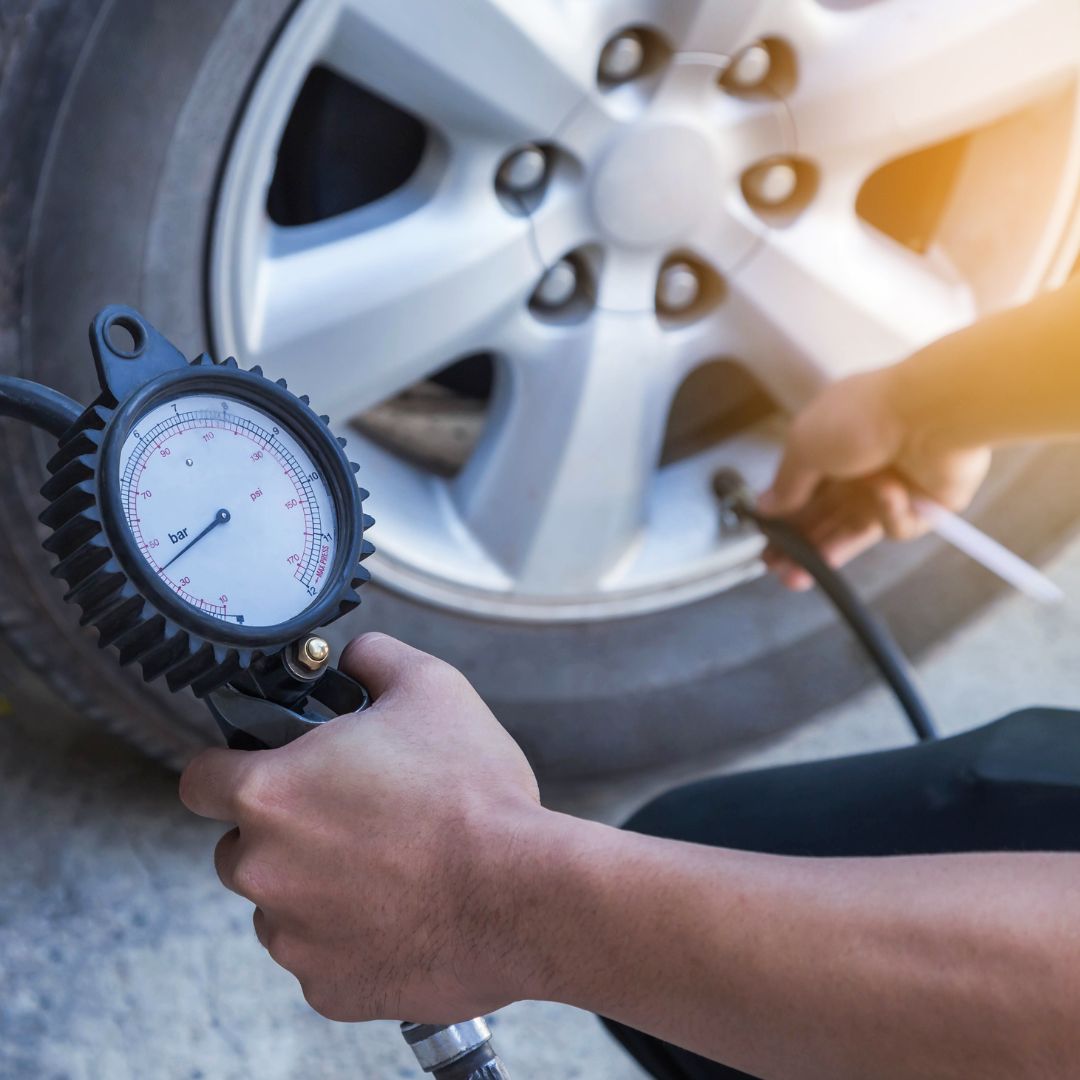
Rubber – Check your tyres’ condition, tread depth, and pressure.

  1. Drive Smart

There are also additional cost-saving measures while driving:

  1. Drive safely at a steady speed, avoid idling, and stick to speed limits to prevent fines and penalty points.
  2. Search for the cheapest petrol stations and car parks or find free parking ahead of your journey.
  3. Avoid misfuelling, a mistake that around 150,000 Brits make annually [5], according to the RAC.
  4. When it’s time for MOT and servicing, shop around; many garages offer discounts, especially for early bookings.
Rubber – Check your tyres’ condition, tread depth, and pressure.

Claire adds:

“Cars are a significant investment, and with a little research, you can find ways to save money without cutting corners. Our tips are here to support your research, helping you explore ways to save on maintenance, insurance, and everyday running costs, ensuring your vehicle stays in great shape while reducing costs where possible.”

Will Petrol and Diesel Prices Rise in April 2025?

Will Petrol and Diesel Prices Rise in April 2025?

March saw prices tumble at the pumps, with the average price of unleaded dropping from 139.5ppl to 135.2ppl. This was in part due to Asda cutting its prices by 4ppl on the 14th March. The other major supermarkets followed, and the entire market dropped as a result.

Asda has been losing market share across its retail offerings to Tesco, Sainsbury’s, Lidl and Aldi. As a result, it has cut prices on 1,500 popular products in-store and at the pump. Asda has historically offered the lowest fuel prices, and therefore, a move to win back market share by reducing prices increases competition in the sector.

However, wholesale unleaded prices increased by 6ppl across March according to data from Portland Pricing. This increase in wholesale costs and reduced prices at the pump has and will squeeze fuel retailers’ margins. The difference between wholesale and retail prices is now 3ppl below the six-month average, and so it’s likely retailers will begin to want to increase prices to maintain or improve margins.

In fact, the average prices on unleaded increased by 0.80ppl at Asda stations on 1st April, the first average price increase in over a month. We are also seeing the average price of unleaded start to increase again across all stations. As with the decrease led by Asda, this increase may well open the door for Tesco, Sainsbury’s, and Morrisons to raise prices, further increasing prices across the UK.

The increase in wholesale costs is also squeezing diesel margins, but not to the same extent. It’s possible that diesel prices could remain stable, but further decreases seem unlikely.

Until 29th March, we saw seven times more stations decrease prices than increase them. However, that trend shifted overnight on the 30th, and now four times more stations are increasing prices than reducing them.

On 31st March, the Competition and Markets Authority (CMA) released its quarterly report on the fuel retail market, finding that between November and February 2025, unleaded petrol margins had dropped by 1.1ppl compared to the previous year. However, margins remained “significantly above historic levels.”

March saw prices tumble at the pumps, with the average price of unleaded dropping from 139.5ppl to 135.2ppl. This was in part due to Asda cutting its prices by 4ppl on the 14th March. The other major supermarkets followed, and the entire market dropped as a result.

Wholesale prices will be putting upward pressure on prices, and we have already started to see prices increase at the pumps. If Asda wants to win market share and can hold prices lower, then there is a chance that pump prices won’t rise; however, further decreases seem highly unlikely at this moment in time.

With prices changing quickly, check the PetrolPrices app and create a personalised Price Alert to receive an email with your local prices at a frequency to suit you.

Three in Four UK Drivers Turn to YouTube and TikTok for DIY Car Repairs, Survey Finds

Three in Four UK Drivers Turn to YouTube and TikTok for DIY Car Repairs, Survey Finds

The temporary car insurance experts at Tempcover surveyed 2,000 UK car owners, revealing how financial concerns have driven many to take risks, attempting DIY fixes, delaying essential repairs, and turning to social media for vehicle diagnostics before seeking professional help. 

Who’s turning to social media for car repairs?

  • Younger drivers are leading the trend, with 90% of 35-44-year-olds using social media for repairs, while over-65s are the least likely, with just four in ten turning to online guides.
  • Men and women are using social media at similar rates for DIY car repairs, with three-quarters of drivers relying on platforms for guidance (73% of women and 76% of men).

Relying on social media for motoring advice comes with risks, as misinformation can lead to unsafe DIY repairs, overlooked faults, and costly mistakes. With unverified tips circulating on platforms like TikTok and YouTube, drivers may unknowingly follow incorrect guidance, putting both their vehicles and safety at risk.

Further findings:

  • One in four UK drivers (25%) have attempted DIY vehicle repairs to avoid paying a professional.
  • Nearly one in five (18%) have tackled repairs themselves after a failed MOT to avoid garage costs.
  • Almost three in ten (28%) admit to continuing to drive despite MOT advisories due to high repair costs.
  • One in six (15%) have delayed or skipped an MOT test due to financial concerns.

Claire Wills-Mckissick, temporary car insurance expert at Tempcover, commented further on the findings:

“We understand financial pressures are leading many UK drivers to DIY car repairs. While this may seem like a saving, it can create safety risks – ignoring advisories or delaying essential repairs could result in dangerous issues going unnoticed, putting not only yourself but also your loved ones and others at risk.

“Having a valid MOT is a legal requirement, and improper repairs can lead to bigger costs, potentially resulting in an even more expensive garage visit than you were trying to avoid. Motorists should seek professional advice if uncertain about repairs – it’s always better to be safe than sorry.

“And if your car’s in the garage, you can still easily access a family or friend’s vehicle with temporary car insurance. It’s a cost-effective and flexible way to stay covered for short-term needs, giving you one less thing to worry about during what can be a stressful time.”

You can find the full results of the survey here.

What is an advisory? Experts explain the most common reasons for MOT failures and the advisories you shouldn’t ignore!

What is an advisory? Experts explain the most common reasons for MOT failures and the advisories you shouldn’t ignore!

In the financial year 2023 to 2024, almost 10 million MOT tests failed, with over 37% of cars, vans, and passenger vehicles failing.¹

With this in mind, motoring experts at Blackcircles have revealed the top 10 most common reasons for MOT failures and have warned drivers of the dangers of ignoring advisories.

Nyo Logan, Tyre Content Manager at Blackcircles, comments, “Cars in the UK must be tested once a year once they are three years old, unless they are taxis, which require an MOT test every three years from the date of registration. You can check the exact date your car’s MOT is due on the GOV.UK website.”

“If you are found to be driving a car without a valid and up-to-date MOT certificate, you can be fined up to £1,000. On top of this, if your car is deemed unsafe to drive, it could be impounded.”

“It is important to remember that your car’s MOT is based on how old the car is, and NOT when you bought it. Many drivers who buy second-hand cars forget this and are charged for driving without an MOT.”

The top 10 most popular causes for MOT failures

Rank

Defect category

Overall % of tests

Overall % of defects

1

Lamps, reflectors and electrical equipment

10.67%

25.05%

2

Suspension

8.57%

19.43%

3

Brakes

6.50%

16.19%

4

Tyres

6.29%

12.92%

5

Visibility

4.41%

7.92%

6

Body, chassis, structure

3.34%

6.37%

7

Noise, emissions and leaks

3.06%

5.78%

8

Steering

1.92%

3.48%

9

Seat belts and supplementary restraint systems

0.91%

1.55%

10

Road Wheels

0.36%

0.71%


10% of MOT’s taken failed due to lamps, reflectors and electrical equipment. This check ensures that all vehicle lighting, including headlights, brake lights, indicators, fog lights and reflectors, are correctly positioned, secure, and functioning properly.

This is the most common reason for MOT failures, with over ¼ of vehicles that failed their MOT being reported to have faulty lamps.

Suspension issues caused nearly 20% of MOT failures. These issues are often caused by wear and tear, shock absorbers and springs damage, or fluid or air suspension system leakage.

Faulty brakes caused 1 in 6 MOT failures in Q2 of 2024. Worn brake pads and discs are the most common causes, but other brake-related issues include callipers, damaged rotors, and brake fluid problems.

Nyo continues, “Even if your car does not fail its MOT, you may be given advisories. An MOT advisory is something discovered during the MOT test that you should have looked at and fixed by a mechanic in the near future. These issues often develop and can be the reason for an MOT failure or for your car breaking down in the future.”

“If given an advisory, it is recommended that you act quickly to stop any more deterioration and to save you money. If an issue continuous and gets worse, it may cost drivers even more money to fix”

Revealed: The UK’s Most and Least MOT-Friendly Cars, Based on 33 Million Test Results

Revealed: The UK’s Most and Least MOT-Friendly Cars, Based on 33 Million Test Results

For many drivers, waiting for an MOT result can be a stressful experience. The prospect of costly repairs, time off the road, and general inconvenience makes a successful MOT a highly desirable outcome.

To help ease MOT anxiety—Tempcover, experts in temporary car insurance, analysed over 33 million MOT test results since 2005. The data reveals which makes and models have the highest and lowest pass rates—along with insights into how the UK’s most popular cars perform.

The Best and Worst MOT Performers

After analysing 33,000,722 test results, Tempcover has identified the five car models most and least likely to pass their MOT test.

  Top five Bottom Five
Rank Car Make & Model Pass Rate Car Make & Model Pass Rate 
1 Honda Jazz Crosstar EX i-MMD CVT 97.19% Peugeot 807 52.66%
2 Ferrari 488 97.07% Citroen C8 52.71%
3 Peugeot Expert S L1 BlueHDi 97.03% Mitsubishi Space Star 53.17%
4 Honda Jazz EX i-MMD CVT 96.67% Fiat Stilo 54.42%
5 Suzuki Swift SZ3 Dualjet SHVS 96.66% Chevrolet Kalos 54.52%

The top and bottom five performing cars [1]. Pass rate includes pass with rectification.

While some of these models remain common on UK roads, others are rarer or only available second-hand. But how do the UK’s best-selling cars compare?

After analysing 33,000,722 test results, Tempcover has identified the five car models most and least likely to pass their MOT test.

While some of these models remain common on UK roads, others are rarer or only available second-hand. But how do the UK’s best-selling cars compare?

MOT Pass Rates for the UK’s Best-Selling Cars

The analysis also looked at how the UK’s top-selling car makes and models perform when it comes to MOT success. The MG HS has the best pass rate (91.86%), while the Ford Puma has the lowest (63.49%).

Rank Car Make Car Model Pass rate
1 MG HS Exclusive 91.86%
2 Volvo XC40 91.30%
3 Hyundai Tucson 85.59%
4 Kia Sportage 80.92%
5 Volkswagen Golf 77.16%
6 Nissan Qashqai 74.92%
7 Nissan Juke 74.49%
8 Volkswagen Polo 72.59%
9 Ford Puma 63.49%

We applied the MOT pass rates and methodology to the UK’s top-selling car makes and models [3]. Pass rate includes pass with rectification.

How the UK’s Best-Selling Car Brands Compare

For those not driving the models above, the research also looked at the overall pass rates of the UK’s best-selling car brands in 2024.

Rank Car Brand Pass rate Rank Car Brand Pass rate
1 Polestar 89.97% 18 Kia 78.67%
2 Porsche 87.98% 19 SEAT 78.37%
3 Lexus 87.22% 20 Honda 78.18%
4 Tesla 84.03% 21 DS 77.63%
5 BMW 81.83% 22 Subaru 77.44%
6 MG 81.47% 23 Volvo 77.00%
7 Jaguar 81.19% 24 Volkswagen 76.48%
8 Audi 81.11% 25 Mazda 76.41%
9 MINI 80.96% 26 smart 75.46%
10 Skoda 80.94% 27 Ford 74.77%
11 Toyota 80.57% 28 Nissan 74.21%
12 Mercedes-Benz 80.15% 29 Fiat 73.51%
13 Land Rover 79.99% 30 Peugeot 73.07%
14 Dacia 79.67% 31 Vauxhall 71.88%
15 Suzuki 79.15% 32 Alfa Romeo 71.29%
16 Hyundai 78.81% 33 Citroen 70.78%
17 Jeep 78.70% 34 Renault 67.73%

MOT pass rates among the UK’s top-selling car brands [2]. Pass rate includes pass with rectification.

Supercar Brands and MOT Pass Rates

For those dreaming of driving a supercar, there’s some good news—they tend to perform well in MOTs. Lamborghini tops the list with a 95.81% pass rate, followed by McLaren (94.93%) and Ferrari (94.92%).

Claire Wills-Mckissick expert  in temporary car insurance at Tempcover adds: 

“While some cars are statistically more likely to pass their MOT, we understand that it can still be a stressful time for many drivers. 

The MOT is an important step in ensuring your car is roadworthy and safe. If you find yourself in a situation where repairs are needed, temporary car insurance offers a fully comprehensive, flexible solution, allowing you to borrow a friend or family member’s car and get on the road. This will minimise disruption and give you greater peace of mind during a challenging time.

If you have a vehicle that is declared SORN and you want to get it back on the road, temporary car insurance can also help. With a temporary policy you can legally drive to a pre-arranged MOT appointment. Once your car has passed its MOT, the policy can also be used to tax the vehicle and get it back home safely, making the process as smooth as possible.”

Are Fuel Prices Finally Set to Drop After Hitting a Six-Month High?

Are Fuel Prices Finally Set to Drop After Hitting a Six-Month High?

Unleaded prices crept up throughout February, reaching a peak average price of 139.8ppl. This marked a 3.5ppl increase since the start of the year and the highest prices since 31st August 2024, a six-month high.

Similarly, diesel also increased through February and, like unleaded, reached a year high on the 27th at 147.0ppl, an increase of nearly 4.5ppl since the start of the year.

Unleaded is, however, down 3.4% from this time last year, and diesel is down 4.8%, but the recent retail price increases come at a time when Brent prices are falling.

Brent crude oil opened 2025 near $76/barrel before increasing rapidly to $81/barrel by the 16th January. Since this increase, crude prices have dropped back, and in the last 10 days, have dropped significantly on the news of US tariffs and currently sit at $71/barrel.

Based on wholesale pricing data from Portland Pricing, B7 (diesel) prices have dropped 4ppl since the 20th February and 2.8ppl since the start of the year. E10 (unleaded) has fallen nearly 3ppl since 20th February and 3.9ppl since the start of the year.

Lower wholesale prices should result in lower pump prices so motorists should keep a keen eye on where and when prices change. 

Asda is currently the lowest-priced supermarket nationally for diesel, with Morrisons and Sainsbury’s over a penny adrift. They are also leading on unleaded and are the only supermarkets with a national average price of under 137ppl. However, they are also the supermarket brand with the largest spread of prices, so check your local area, as they may not be the best option for you. Morrisons is the most consistent in terms of pricing.

One noticeable change for the supermarkets is the variance in pricing between the brands. In early January, they were all very similarly priced, but the difference in pricing between the supermarket brands has increased as the year has gone on.

Drivers in the East Midland and Northeast England are likely to see the largest difference from station to station, so these regions have the most opportunities to save money by checking the PetrolPrices app. Northern Ireland remains the lowest-priced region for unleaded and diesel in the UK.

Asda is currently the lowest-priced supermarket nationally for diesel, with Morrisons and Sainsbury’s over a penny adrift.

Last month, we saw the markets starting to drop, and our outlook for prices at the pump was flat to marginally down. However, prices increased between 0.2 and 0.4ppl during the first half of February. The first half of March looks to have more downward pressure on pump prices, but will prices drop? Ensure you shop around and check the PetrolPrices app to find the best deals near you!

Let us know in the comments where you think prices will go next how much you’ve saved using PetrolPrices.

Motoring experts share 5 tips for driving at night, as 1 in 4 Brits find other drivers headlights too bright

Motoring experts share 5 tips for driving at night, as 1 in 4 Brits find other drivers headlights too bright

The cold and dark nights are still ahead of us for some time in the UK, and even with the dark nights ‘officially’ ending after the winter solstice, which falls on December 21st, that doesn’t mean that it’s over immediately. And these conditions can prove a challenge to many of us, especially drivers.

Driving at night can be dangerous, as low-visibility can bring difficulty. In fact, according to the Royal Society for the Prevention of Accidents (RoSPA), approximately 40% of all road accidents in the UK occur during the night.

And although we have features that aid us when driving in the dark, such as our headlights, they can actually cause issues for other drivers on the road.

As such, the automotive experts at Dick Lovett have shared their top tips for driving in the dark, to ensure that yourself, other road users, and pedestrians are safe.

Just last week, research from the RAC found that a quarter of drivers (25%) who find other driver’s headlights too bright are actually choosing to drive less at night. A further three-quarters (75%) of those saying they’re choosing to drive less because of the intense headlights from other vehicles makes driving uncomfortable or more difficult.

The tips from Dick Lovett hope to help road users drive confidently during dark conditions, and prevent any potential problems such as headlight glare, dazzling, and low visibility.

1. Clean your windows and mirrors—and switch your rear-view mirror into ‘night mode’

Even though this is still hugely important during the day, having dirty windows at night can obstruct your view, making it more difficult to see on the already dark roads. 

Dick Lovett also recommends switching your rear-view mirrors into night mode, a feature that has been in cars since as early as the 1980s. This feature makes your mirror darker and minimises the intensity of any reflections during the night to avoid glare from vehicles behind you.

On modern cars, your rear-view mirror will turn into night mode automatically, so there’s no need to turn this on and off yourself. But, for cars who don’t have this automatic feature, to turn your mirror into night mode, simply locate the small lever or tab at the bottom of the rear view mirror and flip it towards you. Then, to switch back to normal, flip it back.

2. Wear anti-glare driving glasses

Anti-reflective coated glasses are most effective for night driving, as the coating on the lenses minimises any glare and reflections, which can enhance contrast and overall visibility in dark conditions. You can purchase these glasses from many retailers.

As well as this, many drivers may struggle with astigmatism when driving at night, as this can cause blurred vision, halos around lights, and reduced contrast sensitivity.

According to Specsavers, mild astigmatism can be corrected with ordinary gas-permeable lenses, while others with higher amounts of astigmatism might benefit from special ‘toric’ soft lenses to fit your eye shape. Be sure to keep these lenses clean to avoid any further glare.

3. Wear prescription glasses

With visibility already low during the night, ensuring that you wear your glasses is more important than ever.

In fact, driving without prescription glasses when you legally need to wear them can result in a fine of up to £1,000 and could also lead to three penalty points on your driving license.

Make sure to wear your glasses when driving, or, keep a spare pair of glasses in the car in case you forget to take them with you.

4. Reduce speed and stay alert

As mentioned, approximately 40% of all road accidents in the UK occur during the night, and whilst you should never speed under any circumstance, this is even more so at night.

Drive at a moderate speed and leave extra space between you and the vehicle ahead to allow for more reaction time, and this is also important when keeping an eye out for any pedestrians or hazards in the road that could be harder to see in the dark.

5. Adjust and use your headlights correctly

When driving at night, you must ensure your front and rear lights are properly functioning, as it’s actually illegal if they aren’t. To check your lights are working properly, simply turn them on before your journey to make sure they are functioning correctly.

As well as this, ensure that you use dipped headlights and full beams where appropriate. Dipped headlights should be used when visibility is poor, such as at night, and in bad weather, with full beams used when roads are dark and empty.

The research from the RAC found that 79% of people say they find it hard to tell when some vehicles are indicating, with 77% saying it’s difficult to judge the position of oncoming cars on the road when their headlights are so bright.

So, be sure to use your headlights correctly by turning to your dipped headlights when other road users are around, especially if they are in oncoming traffic, as this can dazzle them, and bring other risks.

It’s also important to adjust your headlights correctly, so the angle of the headlight beam is in the right place, as misaligned headlights can reduce your ability to see clearly at night and may dazzle oncoming drivers.

Most modern cars will do this for you automatically, but there are some ways you can do this manually as well. Typically, the headlight adjustment button can be located on the steering wheel, represented by the headlight symbol (a dome shaped symbol with downward pointing lines) and a dial with numbers. This will alter the angle of the headlights as you turn the dial.

If you’re unsure on how to adjust the headlights correctly for your vehicle, the user manual should contain the specifications.

But when performing manual adjustments without this feature, there are a few steps you must follow:

  1. Park on flat, level ground – First, position your car on a flat surface, around 5-7 metres away from a wall or garage door.
  2. Mark the beam pattern – Then, turn on your headlights and use masking tape to mark the centre of each beam on the wall.
  3. Adjust the screws – Next, locate both the vertical and horizontal adjustment screws, and alter the beam so it aligns just below the marked level, as this will help to avoid dazzling other drivers.
  4. Test the lights – Finally, take the car for a short drive to ensure your visibility is improved, without any excessive glare.