Why PetrolPrices has changed and how YOU can get benefits from it

Why PetrolPrices has changed and how YOU can get benefits from it

By now you may have noticed some changes to the PetrolPrices service. Over the last year we have been busy working on this new version of PetrolPrices while keeping the existing service going. The nature of the changes and thinking behind it has not been explained to members before so please allow me do it here briefly.

Old PetrolPrices Service

The old PetrolPrices service was based on one licensed data source provided by our partner Experian Catalist since 2005. They supply fuel price, and station information for the petrol retail industry and consumer-facing services such as ourselves; Confused.com; TheAA; Appy Parking; O2 Drive and I am sure this list will grow. Other companies provide fuel information as a means to add value to motorists and encourage regular returning use to their website or app.

The main benefit of the data from Experian Catalist is it’s accuracy because it’s based on fuel card transaction data by forecourt and fuel grade. But it does have faults, such as the time delay as most transactions are recorded 24-48 hours ago. Another problem is it won’t show prices from a station if no one has used a fuel card there and some stations don’t accept fuel cards. Members often feedback that the prices we show are wrong and this is the cause.

The cost of licensing the data is expensive, and this is why we tried to offer a paid subscription for an improved version called Plus. While some members accepted this, the vast majority considered the idea of paying for fuel information was wrong. This made us deeply reflect on what service we should provide for the future using market research conducted with members

Crowdsource Fuel App

The feedback was clear: users want the service to be free and to see EVERY station listed or on a map; if a price is incorrect they want the ability to update it; if they submit information they want to be rewarded for it, and finally users want even more ways to save on fuel costs.

PetrolPrices was inspired by apps across the world that have built a community of price spotters who submit fuel price information or reviews and in return earn points that can be spent on rewards. Gasbuddy, PriceSpy, Clever Tanken and Fuelio are examples of crowdsource driven fuel apps that do this to great effect.

The role of forecourts are changing, and as they evolve, drivers need to know about the availability of facilities at each station and customer reviews for stations will become ever more critical. The best way to collect this information from members, whether it be prices, reviews or facilities on a crowdsource fuel app, and this is what we have built for members.

How does it work?

Before we go into detail on the exciting new app, to reassure all members, the emails and website will remain in use as a viable tool for free fuel information. The crucial ONLY difference is that users cannot crowdsource information to earn points or obtain rewards on the website; it’s on the app only.

What you will see change is that many of the links from emails or the website when browsing on mobile will direct users into the app. This is because most of the best information is on the app, plus its more secure, faster and enables the use of the app’s main functions on the forecourt. Some of you may already have received messages encouraging you to report fuel prices on the app when you are at a station, for instance.

To become a PetrolPrices Price spotter on the app, you must actively take part in reviewing or updating the prices of any stations you pass or visit, as well as updating the station’s page with details of the facilities and rating the overall experience.

In return, you will receive points. For example, for updating a price can earn you ten points, confirming a price gets you five points and if you confirm/update all four fuel grades for one station, you get an extra ten points. For reviews, you’ll get 10 points for each written review, but only one per station.

By continually reviewing stations, reporting prices and completing tasks within the app, you’ll climb our leaderboard and could soon be at the top. Extra points will also be given for giving us trustworthy, accurate information, using the app regularly, or putting your vehicle in the garage.

The more points you earn, the higher up the leaderboard you will climb. In the next major release, we will show you ways that you will be able to spend your points on various kinds of rewards, prizes and competitions.

How do we make money?

PetrolPrices has been earning income from advertising for several years, and this will continue but perhaps become more relevant to each user.

A new source of income will come from the information collected from usage of the app itself that we will charge petrol retailers to access a platform so that they can gain customer as well as operational insights into what is happening on their forecourts or competitor forecourts each day. Just to reassure you, this is completely anonymous and does not provide ANY personal information whatsoever, and we are not selling the data itself, ONLY access to a platform.

The final way we will make money is by charging brands a fee to provide our users with discounted and personalised rewards that will appear in email, website and app.

The three ways we make money mean that we can provide our service for free to members, where there is a clear value exchange that provides money saving benefits to members in exchange for anonymous usage information. This is all laid out in the terms and conditions here.

Of course, any member has the right not to agree to provide information, which is why we have created an unregistered version of the app so that the app works without personal information. Users can also download as well as delete their account with all the information in it at any point from the system.

What’s coming in the future?

PetrolPrices is exceptionally excited about the future to deliver on our vision of helping drivers save money on fuel as well as products and services in the shops. The technical and commercial challenges are quite simply massive. We are sorry that we’ve had technical problems with the app, the website and emails, but we are confident that systems are operating well now and are back to normal.

To confirm, you don’t need to give us any information for the fuel service to work. It will still deliver fuel price information. But the more who take part and provide us with information to earn points and rewards, the better the service will be for the benefit of everyone else.

Those who do take part have a chance to convert their points earned into prizes or discounts on fuel, products and services in the forecourts.

If anyone has any feedback in relation to the new PetrolPrices then please feel free to comment below or send an email to [email protected]
Motorway speed limit should be raised to 80 mph

Motorway speed limit should be raised to 80 mph

I’ve been in the automotive business for over thirty years, and when it comes to ‘positive’ news for motorists, that 30+ years of experience leads me to be very cynical; we’re so used to being downtrodden, taxed and made public enemy number one, that when a minister or government body announces something that could actually be of benefit, or even something that isn’t just another stealth tax, my first question is always: “Is there a General Election this year?”

Cynical.

The Department for Transport (DfT) have been conducting a study focusing on traffic speed and movements, the statistics released aren’t really a shock to anyone – over 50% of motorists exceed the 30mph speed limit for example, but the outcome of that study is somewhat of a surprise result.

The speeding statistics

The DfT have been using automatic traffic counters (ATCs) across 102 different sites, that have registered 655 million vehicles since they’ve been installed. The ATCs measure the number of axles, axle spacing and the length of the vehicle to identify the category of vehicle, and all statistics are taken from these counters – there’s no bias from those driver’s that don’t self-identify.

These counters tell us that 53% of UK motorists speed in 30mph zones, that’s for all categories including buses (the assumption is made that ‘speeding’ consists of anything above the posted limit), but only 47% of drivers speed on a motorway (with another assumption that road works or congestion have been factored in to the results).

While the motorway stats may be somewhat of a surprise, with many motoring groups expecting that number to be higher, that still isn’t the good surprise.

The good surprise

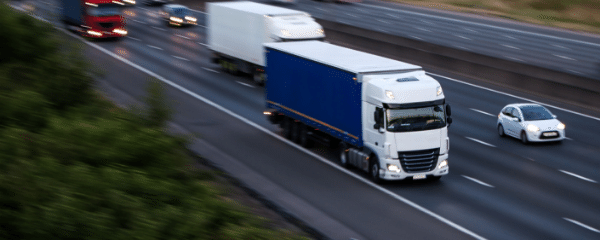
In 2015, goods vehicles weighing over 7.5 tons were allowed to increase their speed limits – from 40 to 50mph on single carriageways, and from 50 – 60mph on dual carriageways. The new report from the DfT shows that typically, speeds rose by 1.5mph on single carriageways, and increased by 0.4% on dual carriageways, and despite being slight, that increase has helped companies save time and money, with the report stating that for every 1mph increase, 650,000 drivers hours could be saved, which equates to around £10million per year.

Not only that, but there was a ‘statistically significant’ improvement in road safety, which is thought to be as a result of drivers making less risky overtaking manoeuvres of the slower vehicles, and it’s that statistic that has led to calls for an increase for motorway speed limits, from 70 – 80mph.

Jim O’Sullivan, Highways Agency CEO said that the speed limit on some motorways could safely be raised to 80mph, AA president Edmund King has stated “Driving at 80mph at an appropriate distance form the vehicle in front, in a modern car in good weather on a decent motorway is probably safe. Driving at 50mph tailgating the car in front is never safe”, and Liz Truss MP, potential cabinet member under Boris Johnson’s govt has said that an 80mph limit on motorways would boost productivity.

However, the news isn’t all positive – head of roads policy for the RAC, Nicholas Lyes has said that raising the speed limit to 80mph would ‘send out the wrong message’, and that it’s too risky as a great many drivers already exceed the 70mph limit.

70mph motorways

It could be argued that a speed limit set all the way back in 1965 has no bearing on today’s vehicles – handling, suspension, brakes and driver aids have all improved significantly since the 60s; let’s be honest, the majority of cars and trucks back then were almost reaching their top speeds, but conversely, motorway traffic has increased significantly since the 60s – in 2013, there were 76,700 vehicles for each mile of motorway per day.

Between 2003 – 2013, the volume of traffic on motorways alone grew by nearly 10%, there are no statistics for 1965, although overall vehicle miles for the country are available – approximately 100 billion vehicle miles for the UK in 1965, compared to 303 billion in 2013. Not only are there more vehicles on the roads, but we’re using the roads more.

While raising the speed limit to 80mph would bring us inline with many EU states, and Howard Cox from campaign group FairFuelUK believes it the right thing to do – “It’s high time that limits are increased to match those in all EU states, where it’s safe to do so. The positive benefits to the economy, travel times and driver stress will be substantial”, it must be noted that any official increase could potentially cost billions as new signage, processes and education would be needed.

A common-sense approach could be as simple as keeping the 70mph limit, but without fear of prosecution for those motorists travelling at 80mph.

What do you think to raising the speed limit? Should we stay at 70? Is there a better way (fairer?) to offer alternatives? Let us know in the comments.

Smart motorways safer without hard shoulders claims Highways England

Smart motorways safer without hard shoulders claims Highways England

In an interview last week with the BBC, Matt Pates, East Midlands regional traffic operations manager for Highways England, claimed that smart motorways were safe, if not safer without the hard shoulder. His comment was met with a howl of derision from various motoring groups.

Mr Pates said the need for hard shoulders had become redundant because modern cars are now fitted with technology that warns the driver when they’re about to break down, giving them plenty of time to act.

He also argued that vehicles are more reliable today than ever before and the chances of suffering a reliability issue are at an all-time low.

Motoring organizations such as the AA, MPs and the Police have all raised concerns over the increase in collisions on smart motorway sections with no hard shoulder, with an all-party parliamentary group asking for them to be halted until safety concerns are addressed.

Collisions in Red X lanes

Two people were killed in the same stretch of an ALR (All Lanes Running) on the M1 in Derbyshire. An 83-year-old man Derek Jacobs was killed when his van came to a halt, potentially due to a mechanical failure according to police, on a stretch of motorway that had no hard shoulder, just emergency refuge areas which are spaced just over a mile apart.

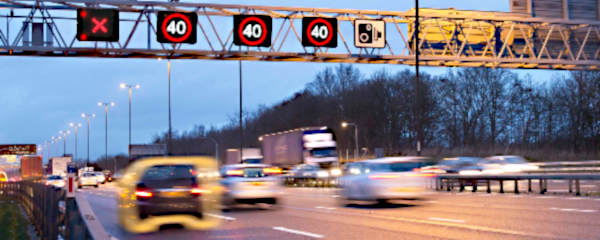
 Breakdown patrol workers have shown how dangerous it can be, especially if the smart motorway is an ALR and the dangers of ignoring the Red X[1] above the lane as it risks lives every time.  And despite tough new penalties to drivers for driving in a lane marked red, collisions are still happening.

<iframe width="400" height="500" frameborder="0" src="https://www.bbc.co.uk/news/av/embed/p06vmb3s/46553654"></iframe>

Police have also raised issues saying they struggle to get to the issue faster as there is no hard shoulder for them to cut through now, and the same applies for any emergency services.

Emergency services now must weave through the traffic to get to the crash which is often congested quite a long way back, increasing the amount of time it takes to reach the accident and save lives.

How do smart motorways work?

The first ever smart motorway was on the M25 in 1996 according to Highways England. Since then over four hundred miles[1] have been converted across the country. In 2018 the Chancellor approved the installation of smart motorways all over the UK at a cost of £23 Billion.

Smart motorways use Active Traffic Management (ATM) to monitor roadways and make decisions on how to best control traffic. This is done by one of two methods. The first is a copper coil placed underneath the roads and when a car, which is metal, passes over it registers an electric current which then detects how fast the car is going and also how many cars are passing over. The second is a roadside “side-fire radar” which is the preferred method as it both easier to maintain and reduces the risk of potholes. This shoots a beam from the side of the road which then picks up the speed and distance between cars.

This data from either the coils or the beams are then sent to a central computer which uses a lengthy algorithm to determine whether it needs to slow the traffic down if it thinks the road is getting too busy to prevent congestion. It may seem strange slowing down when there seems to be no apparent reason, but this is all to prevent potential congestion rather than slowing down for congestion.

The computer can only change speed automatically everything else is done by human interaction. Lanes closing are controlled by the operations centre, which relies on members of the public, police, CCTV information and more. They will close lanes, show other messages and show lane merge messages.

There are three kinds of smart motorways; controlled, where people cannot drive on the hard shoulder, dynamic hard shoulder, where the hard shoulder can be converted into an extra lane using the overhead gantries and then an ALR (All Lanes Running) where there is a refuge area every 1.55 miles. 

Using a smart motorway safely

This isn’t just about your safety, this about the safety of others. For example, driving in a lane with a Red X above could end up with you crashing into the back of a police car or ambulance. Not only that but you’ll get a £100 fine and three points on your license.

Make sure you are aware of the gantries above, as these will tell you what to do and follow the instructions as best as possible by slowing down carefully and speeding back up carefully.

If you do breakdown or must seek refuge at the side of the road either pull over into the hard shoulder or the next refuge area. If this is not possible then use the verge. If you breakdown in a lane on a smart motorway and are not able to reach a refuge area call 999 immediatly.

Once you have stopped in an emergency refuge area call Highways England, either through an emergency roadside phone or on 0300 123 5000 from a mobile. They will then make the motorway safe for you and give advice on what to do next. In the event of a breakdown, phone your breakdown provider and then let them know where you are plus any more information you have.

Do you think smart motorways are safe? Would you feel comfortable in a refuge area? Let us know in the comments below

Fake engine noises on EV or hybrid vehicles now a legal requirement

Fake engine noises on EV or hybrid vehicles now a legal requirement

As PetrolPrices reported on last year, in a bid for road safety to keep up with modern motoring, from the 1st of July, new electric vehicles and hybrid vehicles (collectively known as ‘alternatively fuelled vehicles’ or AFVs) must come with an Acoustic Vehicle Alerting System (AVAS).

Campaigners from many groups welcomed the law after they warned AFVs were too quiet and presented a danger to other road users—guide dog owners and their animals in particular.

Quiet, please

The AVAS produces a specified level of noise that sounds like a combustion engine. It activates when the car’s reversing or when travelling below 20 kilometres (about 12.5miles) per hour.

Most generators involve speakers working in the direction the car is going—reducing the noise nuisance to people not in the way—and you’ll be able to turn off the system if you think it’s unnecessary, for example, when you’re in slow-moving motorway traffic.

Guide Dogs for the Blind Association (whose working name is Guide Dogs) have campaigned for laws to make noise generating systems compulsory on all AFVs. Guide Dogs statistics state that two million children and adults, affected by sight loss, live in the UK.

Their research found that quiet AFVs are 40% more likely to collide with pedestrians than cars with petrol or diesel engines. This could be because, in some environments, a person may not hear quiet vehicles until a few seconds before impact. Their data also showed a 54% rise in pedestrian injuries between 2012 and 2013, from accidents involving quiet cars.

 In their online poll on the safety of quiet AFVs, 76% of people agreed that quiet vehicles make the roads less safe for pedestrians with sight loss. Seventy-eight per cent said they put older people at risk, and 75% said they made roads less safe for children.

 Of the almost 35million cars on UK roads, there were around 200,000 ultra-low emission vehicles by the end of 2018 together with 15,474 registered battery electric cars—a year-on-year increase of 14%. There are around 57,000 pure electric vehicles in the UK but the National Grid has predicted as many as 9million by 2030, as manufacturers prepare for the ban on the sale of new petrol and diesel vehicles in 2040.

Making the right noises

Michael Ellis MP, Minister of State for Transport, said:

‘The government wants the benefits of green transport to be felt by everyone and understands the concerns of the visually impaired about the possible hazards posed by quiet electric vehicles.

‘This new requirement will give pedestrians added confidence when crossing the road.’

Last October, we wrote how Jaguar had revealed the sound the AVAS would make in their I-PACE model. Guide Dogs charity applauded the car manufacturer ‘for being the first to launch an EV which meets standards before the new legislation even comes in.’ Last week, when the regulation came into force, a spokesperson for Guide Dogs, John Welsman, said they were ‘delighted’ that new models must come fitted with a built-in AVAS.


James White, former Head of Public Affairs and Campaigns for Guide Dogs, said:

‘Quiet vehicles put pedestrians at risk outside schools, in residential areas, and in our towns and cities.

‘The government is spending hundreds of millions of pounds to increase the numbers of quiet cars on the roads, and while we support the development of environmentally friendly vehicles, more needs to be done to protect pedestrian safety.’

Road sense

So what about the EVs and hybrids that already exist? Well, EU rules mean they must have AVAS retrofitted by 2021 but, as The Guide Dogs Association points out, before then, thousands of silent cars will be on the road with the potential to put other road users in danger.

They say the government subsidies that encourage drivers to switch over to more sustainable cars means that as the number of low or zero emission vehicles grows, so does the volume of injuries caused by these vehicles.

Driving on an empty road is safer and, as long as other factors don’t prevent it such as rain or dim lighting, we can travel at the speed limit. Yet where pedestrians and other vehicles exist, the road becomes a busy place and, as motorists or cyclists (because they’re also silent, but that’s a whole other debate!), we need to slow down and pay attention so we don’t cause others harm. Take care at junctions and when pulling out from a parked position.

Check in all directions and follow the Highway Code, more so when using pedestrian crossings. It’s also a good idea, when possible, to walk facing traffic, not to cross the street like a zombie, absorbed in your mobile phone, and to be careful when wearing headphones—it might be wise to not block out all sounds from your surroundings!

The other question is no one knows how many EV or hybrid cars are now technically breaking the law by not having a fake engine noise. While it seems the government has rolled out this new rule just for new cars, one hopes that all the major EV and hybrid car makers are planning a product recall to install a fake engine noise retrospectively for pedestrian safety.

Were you aware of the new regulation? Does this news alter your views on EVs? Are you concerned about the risks from silent electric and hybrid vehicles? Do you have a silent EV or hybrid? Tell us in the comments.
Motorway service stations charge up to 37p a litre more than stations less than 3 miles away

Motorway service stations charge up to 37p a litre more than stations less than 3 miles away

Exiting the motorway to refuel at a local garage could save motorists up to £20

A study by fuel price information service and app, PetrolPrices.com has revealed that UK service stations are charging up to 37p per litre of fuel more than their nearest station, taking advantage of the captive market.

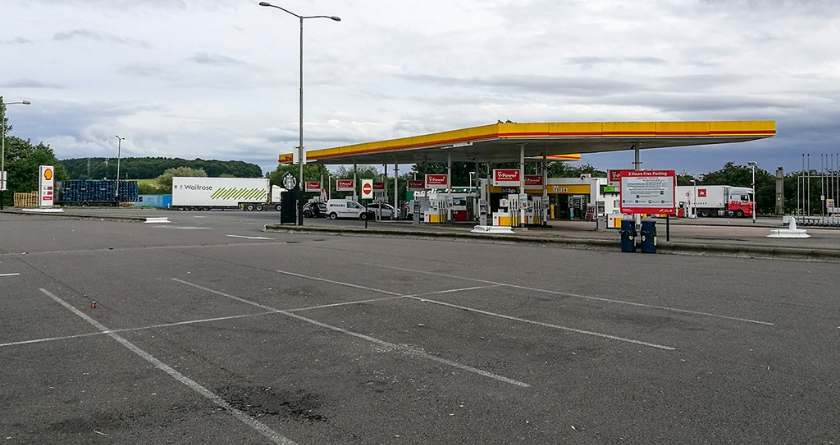
The research by PetrolPrices.com found that Leicester Forest East services is charging 37p per litre more than nearby station Sainsbury’s Fosse Park which is 2.1 miles away. Bridgewater services on the M5 in Somerset is charging up to 29p per litre more than Sainsburys Bridgewater, which is just 2.5 miles away. This equates to £16.38 and £12.18 more per tank respectively, when filling up the 42L tank of a Ford Fiesta which is the best-selling car in the UK. Bridgewater, Cherwell Valley, Exeter and Lancaster services featured in both lists of stations that charged much more than their nearest cheapest station for both diesel and unleaded.

The study found that a five-hour journey from Maidstone to Cornwall would cost £150 if the driver filled a 50-litre tank at Clacket Lane services on the M25 and then Exeter service station on the M5. However, drivers could save £20 by pulling off the motorway and refilling at the Shell pumps in Godstone, Surrey, and the Tesco Extra in Exeter Vale.

Says Kitty Bates, consumer spokesperson at fuel pricing information app, PetrolPrices.com “Our research shows that many motorway service stations are pricing their fuel well over the odds with some stations charging up to 37p per litre more than their nearest forecourt operator.

“Motorway Service Areas have long been much higher priced because operators know that motorists have to fill up there, and they have a captive audience, so they charge a similar rate year round, regardless of the fluctuations in the wholesale industry. Their argument is the costs are higher, which is something the government has been saying that it wants to investigate for quite a few years now. However, until this takes place, we would encourage drivers to find the best fuel deal local to them, or along their intended route, before they set off using a service such as PetrolPrices.com which will help them to avoid paying an excess on the motorway.”

Top 10 Most Expensive Motorway Service Station for Unleaded

Motorway Service Area M road County Closest cheapest Unleaded station Motorway Service Area Unleaded price per litre Cheapest Unleaded price per litre Price difference pence per litre
Bridgwater services M5 Somerset SAINSBURYS BRIDGWATER 148.9 119.9 29
Tamworth services M42 Staffordshire CENTURION SERVICE STATION 150.9 123.9 27
Keele services M6 Staffordshire MORRISONS STOKE 148.9 124.7 24.2
Lancaster (Forton) Services M6 Lancashire ASDA FULWOOD AUTOMAT 148.9 124.7 24.2
Newport Pagnell services M1 Buckinghamshire TESCO MILTON KEYNES KINGSTON EXTRA 148.9 123.9 25
Cherwell Valley services M40 Oxfordshire TESCO BICESTER LAKEVIEW 148.9 124.9 24
Exeter services M5 Devon TESCO EXETER VALE EXTRA 148.9 124.9 24
Hartshead Moor services M62 West Yorkshire TESCO BRIGHOUSE BRADFORD ROAD 148.9 124.9 24
Heston services M4 Greater London TESCO HAYES BULLS BRIDGE EXTRA 148.9 124.9 24
Medway services M2 Kent SAINSBURYS HEMPSTEAD 148.9 124.9 24
Pont Abraham services M4 Carmarthenshire TESCO PONTARDDULAIS 150.9 126.9 24
Stafford services M6 Staffordshire FAIRWAY SERVICE STATION 151.9 127.9 24

Top 10 Most Expensive Motorway Service Station for Diesel

MSA name M road County Closest cheapest diesel Motorway Service Area Diesel price per litre Diesel price per litre Price difference pence per litre
Leicester Forest East services M1 Leicestershire SAINSBURYS FOSSE PARK 167.9 130.9 37
Woodall services M1 South Yorkshire BRIDGEHOUSE SERVICE STATION 165.9 134.9 31
Maidstone services M20 Kent ASHFORD ROAD SERVICE STATION 165.9 135.9 30
Rownhams services M27 Hampshire SHELL BASSETT 166.9 138.9 28
Cherwell Valley services M40 Oxfordshire TESCO BICESTER LAKEVIEW 155.9 129.9 26
Lancaster (Forton) Services M6 Lancashire ASDA FULWOOD AUTOMAT 155.9 130.7 25.2
Bridgwater services M5 Somerset SAINSBURYS BRIDGWATER 155.9 130.9 25
Exeter services M5 Devon TESCO EXETER VALE EXTRA 155.9 130.9 25
Oxford services M40 Oxfordshire ASDA WHEATLEY AUTOMAT 155.9 131.7 24.2
Sedgemoor services M5 Somerset ASDA HIGHBRIDGE AUTOMAT 155.9 131.7 24.2
Tebay Services M6 Cumbria ASDA KENDAL AUTOMAT 155.9 131.7 24.2
Todhills Rest Area M6 Cumbria ASDA CARLISLE AUTOMAT 155.9 131.7 24.2

The research follows comments by Transport Secretary Chris Grayling in which he called for fuel retailers to allow motorists to check the price of filling up at their forecourt before they travel using a smartphone app after accusing them of ‘taking advantage of drivers’. The Transport Secretary wants motorists to be able to view prices so they can better plan motorway journeys and work out where to get the cheapest fuel – a service already provided by PetrolPrices.

PetrolPrices.com is the UK’s leading fuel price information service with one million active members saving up to £200 on average per year. Over the last thirteen years it has helped over four million people save money on their fuel by comparing prices from 8,440 petrol stations daily, sending over five million monthly price alert emails to its members.

For more information for members of the press, please see more on our Press Page: https://business.petrolprices.com/press/

Gridserve launch the first of 100 EV only forecourts in Essex

Gridserve launch the first of 100 EV only forecourts in Essex

As Bob Dylan once wrote, ‘the times they are a-changing’. Like it or not, the internal combustion engine is dying a death. The days of thousands of polluting filling-stations might be over sooner than we thought with plans to build the first UK forecourt just for electric vehicles (EVs).

With a £1billion budget and proposals for over 100 sites, the project promises fast and stress-free EV charging for motorists who have already switched from petrol and diesel cars.

Staying Power

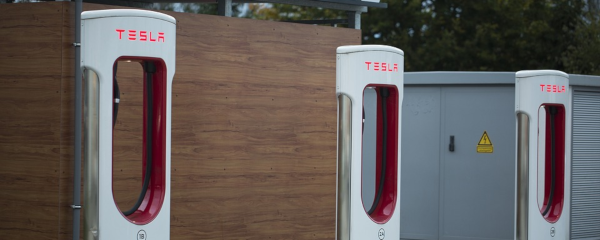
The brains behind the idea are Gridserve, a company who envisages their Electric Forecourts® replacing standard fuel stations by providing the UK public clean, sustainable energy for their EVs.

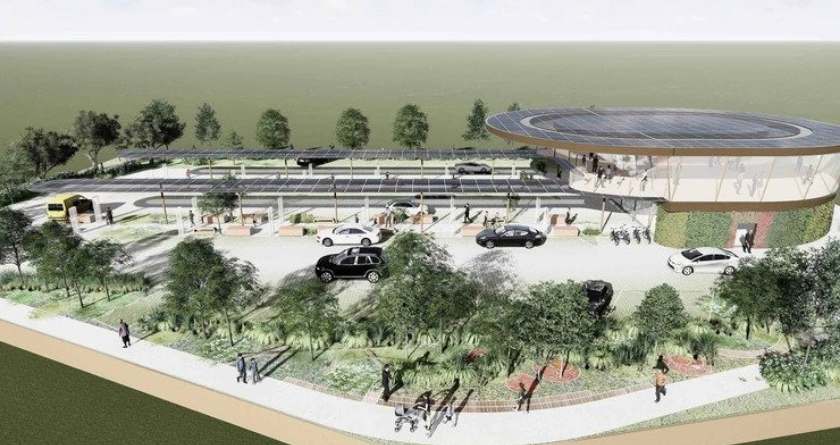
Forecourt designs follow a similar set-up to motorway services—offering toilets, coffee shops, supermarkets, somewhere to pick up healthy food, and other retailers.

The forecourts will include airport-style lounges with high-speed internet together with EV-related information hubs. These pit-stops will give people a quick and easy way to recharge both their vehicles and themselves.

Gridserve’s forecourts will use 100% renewable, clean, zero-carbon, solar-power energy and battery storage to power each of the sites’ 24 charging bays. Plans are likewise in store for areas devoted to fleet vehicles, allowing charging of buses and taxis, etc.

If they wish, drivers may book a bay ahead of time via an app on their smartphones and use it to plan journeys and pay for extra on-site services like car washing. Gridserve will reward users of the app with their loyalty and referral schemes for using services provided by them and their partners.

Overhauling the current ordeal EV owners go through, the bays will charge most electric and hybrid models within half an hour. And for those with some smaller cars capable of high-speed charging, a recharge will take a mere 10 minutes. The Electric Forecourts® promise prices rivalling those you pay to charge from home. For that, you get the most rapid charge your vehicle can support—500kW for cars and light commercial vehicles, which is the world’s fastest.

Development of the 80 already confirmed state-of-the-art forecourts will take place along busy roads. The first forecourt may be in Braintree, Essex with those in Hull and York—where Gridserve is building the most advanced solar farms in the UK—also starting work by the end of this year.

‘Accessible and seamless’

The present public charging network isn’t fulfilling the needs of EV owners. Gridserve plans to have over 100 operational Electric Forecourts® within five years, which can only be a good thing for the UK.

Toddington Harper, Chief Executive Officer from Buckinghamshire-based Gridserve said:

‘The latest generation of electric vehicles are awesome and ready for mainstream adoption, but drivers still worry about if or where they can charge, how long it will take, and what it will cost.

‘We plan to eliminate any range or charging anxiety by building a UK-wide network of customer-focussed, brand new Electric Forecourts® that will make it easier and cheaper to use an electric vehicle than a petrol or diesel alternative.

‘Our plan is to deliver for electric vehicle charging what Amazon has done for shopping online—make it simple, price competitive, and a great customer experience,’ he added.

Gridserve is working with developers, EV carmakers, fleet operators; investors, councils, and retailers who support their concept. One of Gridserve’s partnerships is with ChargePoint.

Christopher Burghardt, Managing Director, Europe, of ChargePoint, said:

‘The electric mobility revolution is upon us and ChargePoint continues to work to help create an open and accessible network that enables drivers to enjoy an effortless charging experience everywhere they live, work and play throughout Europe.

‘ChargePoint is committed to collaborating with partners like Gridserve to build out the EV charging network of tomorrow and make driving electric vehicles more accessible and seamless than ever.’

Moving forward

Climate and clean air targets mean we must transition fast to cleaner, sustainable, transport. With the population ever growing, a reliable EV-supporting infrastructure is vital. The UK ban on the sale of all new conventional petrol and diesel cars and vans comes into force in 2040. Scotland has the bolder target of 2032.

While the number of alternatively fuelled vehicles (AFV) grew by 30% last year, the amount of AFVs forms a small percentage of the 34.9m cars on our roads. Primary concerns motorists have, include the price of EVs, battery range, and the shortage of charging points causing extended waiting times to charge cars.

People also worry about the burden vehicle charging puts on the national grid, but Gridserve says their Electric Forecourts® will help this situation and IMPROVE both present and future grid issues.

Last year alone, research, design, and development of vehicle-to-grid (V2G) charging projects received £30million of government funding.

Energy stored in the batteries of EVs can act as mobile storage devices, providing support to the grid during peak hours. During off-peak hours, the battery recharges and is ready for the EV driver to begin their next journey.

As people learn about the upcoming Electric Forecourts® project, all the positive selling points should increase EV take-up and further transform the motoring landscape required for the great British electric switchover.

Does this news make you less concerned about switching over to an EV? Are you an EV driver looking forward to these new forecourts? Share your views in the comments.

Find out which towns and cities plan to remove cars to tackle congestion and pollution

Find out which towns and cities plan to remove cars to tackle congestion and pollution

Last week, we told you how Bristol is looking to ban cars from the city centre, seemingly in a desperate move to avoid paying back £1million of government money; it’s becoming no surprise that ‘radical’ measures are being touted by most authorities as a way to tackle air pollution and congestion.

That’s all well and good, until we replace ‘radical’ with ‘desperate’, which seems nearer the truth. Thursday 20th June 2019 was national ‘Clean Air Day’, and London Mayor Sadiq Khan wasn’t going to miss out on the action, surely this could be another great demonstration of his commitment to cleaning up the city?

Reimagine

Mayor Khan took the opportunity to announce that on Sunday 22nd September, there would be no cars allowed in the City of London, a complete ban including taxis. “We’ve called our range of events ‘Reimagine’ so that Londoners get an idea of what some of the busiest parts of our city would be like without cars or traffic, and let them reclaim the streets and allow for children to play freely and communities to enjoy parties in their areas”.

While that sounds all very admirable, and actually a nice thing to do as a one-off; families being able to enjoy the City of London with entertainment such as live music, guided walks, pop-up playgrounds and street performers, the question that has to be asked, is whether Khan has a vision for the future with this?

Worryingly, Silviya Barett, the transport research manager at the Centre for London warned that “one day of action will only go so far – we need to lock-in car-free lifestyles for good. The Mayor should introduce city-wide charging schemes which charges drivers per-mile on the most congested and polluted roads”. That sounds pretty ominous for the motorist.

Over 12 miles

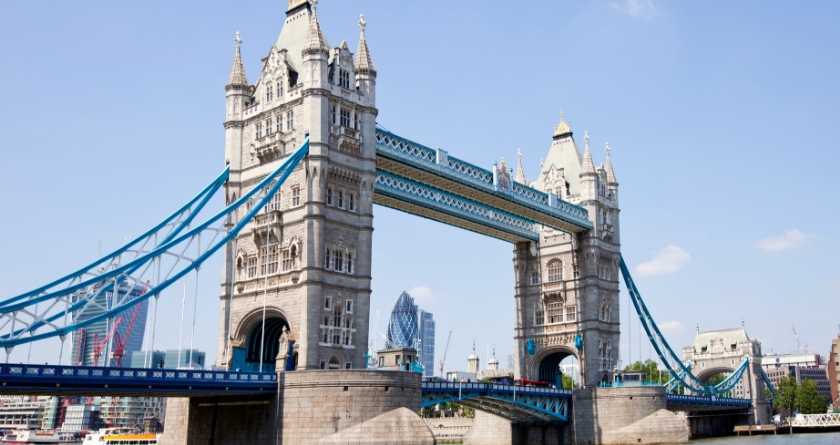
In total, there will be around 12.5 miles that will be closed to all transport, including Tower Bridge, but there will be a bus service crossing London Bridge on the day, and so far, 18 different boroughs have signed up to the car-free day, all pledging to do something to mark the day.

Again, that’s all fluffy kittens, but what of the businesses affected by the closure? Taxi drivers, in particular, are going to be hit hard, the elderly and disabled won’t benefit from having free access to the road surface, traffic is likely to be in more chaos than usual, and if you need to get from one side of the city to the other, how will that work?

Could this be classed as another ‘radical’ approach to congestion and pollution? Is this yet another attack on the innocent motorist going about their business? Will it actually make a difference to the pollution?

Keith Prince, Greater London Authority Conservative Transport spokesman is quite vocal – “Londoners want cleaner air, but car-free days risk travel chaos if managed poorly, all while doing little to tackle the air pollution problem”. It’s the last few words of that sentence that are important – it won’t really tackle the air pollution problem.

Future shut-downs

If this had been addressed as a ‘family day’ or suchlike, there would less of an outcry and perhaps a little more support for the idea, but the fact that it’s being touted as a possible way to help with the pollution problem, it’s easy to see that this is just the first step to something bigger.

We’re being warned that we should get used to living a car-free existence, or at least pay the (not insubstantial) price for the privilege of owning and using a vehicle, and although we’ve been watching it coming over the last few years, with the introduction of congestion zones, ULEZs and ridiculous parking charges (more so if you happen to drive a diesel), the reality is that it’s perhaps closer than we thought.

Of course no one is denying that air pollution is a problem that has to be tackled, but crucifying the private motorist with taxes and inconvenience can only go so far, and the bigger picture is that cities will become places of no-go areas for the motorist – just as we’ve seen with out-of-town retail parks increasing their footfall, as large cities lose the equivalent amount. And that’s before we get to any financial impact on the businesses affected by the loss of traffic.

Schemes like car-free days could work in conjunction with other measures, but they can’t be the only, single solution; Keith Prince: “Instead of virtue signalling, the Mayor should focus on cleaning up TfL’s bus fleet to improve air quality”.

What do you think to a car-free day? Is this something that’s just another inconvenience to the motorist? Or will it be part of something bigger? Let us know in the comments.

Bristol could ban cars for eight hours a day

Bristol could ban cars for eight hours a day

We often see that XYZ Council want to introduce ‘radical’ plans to shake up some process or other, usually some form of taxation, but when does ‘radical’ become ‘desperate’?

Bristol City Council is in “desperate need of a strategy to improve its air pollution” after already missing two government set deadlines regarding cleaning up the air pollution in the city and spending almost £1million of government funding on proposals.

And if the idiom of ‘Desperate times call for desperate measures’ is correct, it could be that Bristol City Council is on the verge of introducing some very desperate measures.

£1.65million

It’s thought that Bristol City Council have received in the region of £1.65million of government money to tackle air pollution within the city, and aside from missing two deadlines to finalise measures, it would seem that the city council have done very little, although at the estimated cost of £1million, it’s an expensive very little.

The problem with this, is that they’re now forced to take a ‘radical’ approach without too much thought or consultation as to the bigger picture, and one of the radical plans being considered is to ban all diesel vehicles entering the city between the hours 7AM to 3PM; buses, taxis, privately owned cars and of course HGVs would all come under the ban.

We already know that high parking charges have had a direct impact on city centres, with out of town shopping centres mopping up the customers that refuse to pay extortionate parking charges, but with an actual ban in place, just how much of an impact would that have on the businesses already established within the city centre?

And of course, a blanket ban on diesel would mean that all transport links (buses, taxis etc) would either have to be electric or unleaded, and that brings further costs. Bristol City Council have suggested that there may be a scrappage scheme introduced to help motorists, but again, will a scrappage scheme solve the problem, or just create further issues?

Two options

The second option being considered is for something like a ULEZ charge, but aimed purely at the commercial traffic – HGVs, taxis, delivery vans, transportation … all vehicles aside from privately owned, domestic transport. Finally, a local authority that doesn’t want the private motorist to make up the shortfall of any budget.

And yet, the question has to be asked – what would this mean for the local economy? Who would pay these extra charges in the long run? With figures of ‘up to £100’ being mentioned, where would that money come from? A shop having daily deliveries, for instance, could find themselves looking down the barrel at an extra £500 per week in charges (assuming a 5-day working week), or £26,000 a year.

Prices of goods would inevitably rise, which would mean that whether you’re catching the bus into town (which of course would also have to charge more) or driving your ULEZ charge-free car, you’d ultimately be paying for the clean air.

Targeted bans

The proposals will also include specific ‘at risk’ areas such as the Bristol Royal Infirmary and the Bristol Royal Hospital for Children, which could mean that anyone using the A&E department could be hit with a bill just for the privilege, and of course, visitors, outpatients and workers would all be equally affected.

Having already spent £1million on proposals, with no results, the council have picked two plans, both seriously flawed and are opening them up to a six week public consultation, which seems like a panicked reaction rather than well-thought out plan, and that’s exactly what it is.

Surely, there should be governance in place to stop this sort of thing happening? The council will go ahead and push through a plan, any plan, in record time just to meet with a third deadline, so as they don’t need to pay back a significant amount of money, of which it seems that they’ve already spent the majority of.

Labelling the proposal as ‘radical’ is too easy; plans that hit everyone, be they motorists or not, that will see an increase in prices of basic necessities, that affect established businesses with the loss of customers, or that helps to drive consumers to out of town retail parks aren’t radical, they’re ill thought out and desperate.

The six week consultation starts on July 1st, after which, the favoured plan will be submitted to the Cabinet in September, presumably for rubber stamping, and you can be sure that regardless of how ‘radical’ they are, they’ll get the green light.

What do you think to the plans? Are BCC doing the right thing? Should a local authority be regulated so that they can’t just rush through the process in desperation? Let us know in the comments.

Supermarkets collective price drops: will we see any more?

Supermarkets collective price drops: will we see any more?

In the last few weeks, petrol prices have dropped considerably, led by the supermarkets and slowly carrying on over to other brands. These are becoming less of price wars, and more collective drops.

Can we expect prices to drop even further or will they slowly go up once more? We had one of the steepest price rises seen since 2000 back in April and it seems it won’t be heading that way soon unless the current tensions in Iran increase or create a more unstable environment.

Current price outlook

Asda, Morrisons and Sainsburys have all recently announced two price drops, the first started on the 6th June and it brought down prices at Asda to 126.7ppl for unleaded and 128.7ppl for diesel. The second drop was even more drastic, bringing it down further to 123.7ppl on unleaded and 124.7ppl on diesel.

Asda Senior Fuel Buyer, Dave Tyrer said “We’re pleased to once again lead another fuel price cut and to help our customers’ hard-earned cash go a little further. When filling up at an Asda petrol station you will pay no more than 124.7ppl on diesel and 123.7ppl on unleaded which will be a welcome boost for the millions of drivers across the country.

“Compared with a week ago, we’ve saved drivers 7ppl on diesel or £3.85 when filling a 55-litre tank”

Both Morrisons and Sainsbury’s matched the drops pretty quickly, but as their pricing strategies are different the drops appear differently.

In a press release, Morrisons announced that it was cutting the cost of diesel by up to four pence-a-litre and unleaded by up to three pence a litre from the 15th June at all of its UK petrol stations.

David Pegg, Fuel Buying Manager for Sainsbury’s, said: “As we head into the busy summer months we are committed to helping our customers live well for less, whether they’re stocking up on groceries or refuelling their cars. That’s why we’re dropping the price of diesel by up to 4p per litre and unleaded petrol by up to 3p per litre across our forecourts from 15th June . This is the second time we’ve dropped prices on fuel in as many weeks”.

The story before

Before these price drops at the beginning of the month, prices were at highs nearing 130ppl on unleaded and almost 137ppl on diesel, according to UK averages. There was also a greater disparity between petrol and diesel, which has now been brought to around 2ppl difference.

Oil prices had been higher a month ago, and from the end of April to Mid-May was sitting at around $72 a barrel, it fell $10 a barrel in mid-June, hence the price drop we’ve seen now. It normally takes around two-three weeks for oil price drops to be felt at the pumps, which is why any drops called for as soon as the oil price goes down never happens. It is only when the wholesale fuel price goes down do we see an immediate drop at the pumps.

Instability in the markets from Iran and tensions in the Middle East escalated fuel prices but it has since dropped. It is expected that by the end of the year we could be seeing oil at much higher prices at up to $90.

What can we expect soon?

While the oil price stabilised for a week or so at the low $60 a barrel mark, they’ve started to rise in the past few days, so this current price spread may not be around for long so take advantage of it while you can.

The price at the pump may drop a few pence more but it seems unlikely to be any more drastic drops for the next few weeks as the oil prices haven’t fallen below the $60 barrel mark. Hopefully, there will be a period of stability and we won’t see any major rises or falls but as with anything geopolitical that is highly unlikely.

A new prime minister may cause Brent Crude to increase slightly as the world waits to see what happens with Brexit, trade agreements and response to America’s trade sanctions. The increasing pressure from America on China and the Middle East may also drive up prices and we may even see a higher oil price soon as the attacks in Iran continue. 

How will the current price drops help you? What do you think of the price situation currently? Let us know below
London loses postcode lottery as most expensive place to own a car

London loses postcode lottery as most expensive place to own a car

Research from By Miles, a ‘pay-by-mile’ motor insurance provider, shows that your postcode can have a big impact on how much you pay for every mile you drive. In a world where we’re encouraged to ditch the car, part of the reason some drivers aren’t getting as much value from their vehicles may surprise you—they aren’t driving enough!

Of all the motorists in Britain, annual car ownership costs the most for Londoners. Figures show that car owners in Greater London pay around 32% more per mile for the pleasure of driving compared to people in Galashiels, Scotland. Where in this range does your postcode feature?

Postcode lottery

So, what’s the reason for such a cost disparity? The price of petrol, diesel, and car insurance seems to be the answer, as their cost is rising fast in London. Drivers in London pay 0.8 pence more per litre of petrol than those in Scotland. When paying for car insurance—per mile—the motorists paying the least spend £351 per annum while the most expensive motor insurance was in East London (E) postcode; with an annual cost of £979—a whopping £628 difference.

When calculating the overall cost of car ownership by postcode, By Miles factored in the cars’ depreciation value over a five-year period. They took into account the average cost of motor insurance—using the data from the comparison site MoneySuperMarket’s 2.7million car insurance quotes. Their findings didn’t even include the cost of parking and the congestion charge in London, nor time wasted in traffic jams.

Most expensive places to run a car per mile

Location Average cost of annual insurance Annual fuel costs Average annual mileage Cost per mile
Greater London £732 £902 6,350 58p
Manchester £791 £941 6,666 57p
Dudley £566 £884 6,243 56p
Stockport £518 £866 6,132 56p
Oldham £772 £972 6,884 56p

By Miles examined petrol and diesel prices across Britain, including necessary vehicle expenses like vehicle tax, MOT, and servicing. They then divided the total cost by the average of miles driven each year, per postcode; which gave them the average price per mile.

Statistics from the Department for Transport (DfT) states that, in 2017, British motorists drove, on average, 7,134 miles each year. Yet a massive 19million motorists are low mileage drivers, driving fewer than 7,134 miles per year. In 2016, motorists drove an average of 7,250 miles per annum, and 7,334 miles in 2015.

Cheapest places to drive a car per mile

Location Average cost of annual insurance Annual fuel costs Average annual mileage Cost per mile
Galashiels £351 £1,069 8,202 44p
Inverness £353 £1,145 8,126 45p
Perth £356 £1,135 8,051 45p
Dumfries and Galloway £336 £1,100 7,804 45p
Falkirk £383 £1,100 7,943 46p

By Miles found the locations with the cheapest cost-per-mile car ownership were in Scotland, with motorists in Galashiels, Inverness, and Perth driving over 8,000 miles per year. Although these areas cost more to fill up, they have lower insurance costs, balancing out the total expense.

Going the extra mile

Greater London, Manchester, and Dudley residents drive, on average, fewer than 7,000 miles every year.

James Blackham, Co-Founder and Chief Executive Officer at By Miles said:

‘Those who don’t drive as much are being treated unfairly.

‘They’re being charged more to subsidise the insurance of higher mileage drivers.

‘This needs to change. If you don’t use your car much, it doesn’t make sense to charge you the same as a longer distance driver as the odds of you having an accident are significantly lower.’

Blackham says if your mileage is under 7,000 miles a year, a pay-per-mile car insurance policy might be a more flexible way to insure your vehicle.

‘Pay-by-mile insurance means that people who drive less are rewarded and rightfully pay less, he added.’

The current set-up of motor insurance may tempt you to lie on your application about how little you drive, to reduce costs. But, doing this risks invalidating your policy if you need to make a claim.

Tom Flack, Content Lead at MoneySuperMarket, feels, ‘if you drive less, you should pay less.’

He says:

‘It’s always been important to shop around to make sure you’re getting the best deal. That now includes looking at new technologies that offer drivers increasingly flexible ways of insuring their cars—particularly for those who live in disproportionately expensive areas like London and Manchester.’

Take control of your driving costs

Note how many miles you drive each year. If you discover you’re a low mileage driver, report the correct mileage on motor insurance applications and consider pay-per-mile insurance.

Don’t be one of the 8million drivers who get overcharged just by auto-renewing each year. Use comparison websites to get the cheapest and best policy for your circumstances. Don’t forget cashback sites.

Remember, you’re not locked into your insurance policy. You can cancel mid-policy and while you may have to pay a cancellation fee, the savings from switching often far outweigh the penalty. You’ll receive a pro-rata refund of any full, unused months of the policy.

Don’t forget PetrolPrices can save you money, too! If you haven’t yet, jump on board and join the over 2.1 million drivers who already compare petrol and diesel prices. You could save yourself up to £220 a year. Become a PetrolPrices member for free and compare prices for unleaded, super unleaded, diesel, and premium diesel. Want somewhere to tell others about fuel prices? Need somewhere to flatter—or maybe fume about—a particular petrol station? You can do that too!

To join the PetrolPrices money-saving community, just pop in your email address and add your postcode to find the cheapest and nearest petrol stations. And for an easy way to use our service while out and about, download our FREE mobile app and earn points along the way!

Do these figures surprise you or are they what you’d expect? How much do you think it costs you per mile, to own and run your car? Let us know in the comments.