Top 10 tips for selling your car

Top 10 tips for selling your car

Sponsored content

If you feel like you want to take charge of your car’s sale and need a little support selling, here are ten great tips that will help put you back in the driving seat.

Top 10 tips for selling your car

Selling your car can be a daunting and stressful activity. If you’re not a car expert – and you’re dealing with prospective buyers or car dealers – it can quickly feel like you’re spiralling out of control.

If you feel like you want to take charge of your car’s sale and need a little support selling, here are ten great tips that will help put you back in the driving seat.

1.     Understand your car’s true value

Though you might personally value your car very highly – it might even hold significant sentimental value for you – when you come to sell, you’ll find out that its value is, in fact, set by the market.

Your car’s true value will be affected by such factors as age, mileage, condition, and service history – but market prices are also a factor. If you want a decent price for your vehicle, it is essential that you first ascertain its true market value.

2.     Get a valuation for your car

Getting an accurate picture of your car’s value is now quicker and easier than it’s ever been. There are now plenty of websites – including Motorway – that can provide you with an instant estimate of your car’s value based on up-to-date market data, simply by entering your reg online.

3.     Be realistic

If you want to see what other similar models to your car are selling for, you should also look at the pages of Auto Trader and the auction website eBay and see what prices the same year and model cars are achieving in private sales. If your car is worth less than £200, you may get more selling it for scrap.

4.      Working out your priorities

What are you looking for from your sale? Ask yourself, early in the process, what do you care about most? Speed, convenience, or final selling price?

If you just want to free up some space in your garage or your drive and want to be rid of your car as quickly as possible – then you might want to choose an instant car-buying website or part-exchange your car at a dealership.

If you are more interested in getting the best price you can for your car, then selling privately through a classified advert or an online auction will usually be a better option. Though you will typically get a better price this way, selling privately is often a very protracted, drawn-out process – which can involve you showing your car to many prospective buyers over a long period.

5.     Select the best selling option for you

If you do decide to sell privately, you might attain a higher price than you would at an instant car-buying website – but it’s also a sale route with no guarantees. Plus, you will likely have to deal with several prospective buyers coming to your house, potentially bartering over the car’s price, and putting up with timewasters.

If you’d prefer convenience and the best price for your car – you could try Motorway. Motorway will put your car on sale with a nationwide network of more than 4,000 verified car dealers – who will then compete to buy your car. Not only is it quick and easy, but with this free online service, you can potentially receive more than £1,000 more for your car.

6.     Getting the car ready for sale

If you’re selling to an instant car buyer or part-exchanging, you won’t need to do too much with your car except to remove your belongings (maps, tool kits, child seats, etc.) from it before handing over your keys. If you’re selling privately, however, you need to make sure that your car is looking as good as possible to avoid prospective buyers chipping away at the price.

Ensure your car is cleaned thoroughly inside and out and – if you think it’ll drive up your selling price – fix minor issues like dents and scratches. Replacing worn-out floor mats and buying a good-quality air freshener are cheap ways to improve the inside of your car. If you decide to use a service like Motorway, making your car look as good as possible will help generate a better response from their network of verified dealers, before they compete to make you an offer.

7.     Take time with your pictures

If you’re selling your car privately or via Motorway, you will need to take pictures of it. Whilst you don’t need to be a professional photographer, using a decent digital camera will obviously help here. Borrow one, if you don’t have one yourself. Remember to take your pictures in good weather and use a pleasant background location. A light and open space will always make your car look better. Also, a country lane or leafy street will help make your car more sellable than parking it next to some bins or a graffitied wall. Remember to get shots from all around your car – both inside and out.

8.     Knowing how to negotiate

Whilst it’s true that if you choose to use an instant online car-buying service you will usually have less need to negotiate, many will often try to chip down the price they previously offered during the final inspection – especially if your car is in any way different to how you initially described it.

However, if you decide to sell privately or part exchange then you should probably be prepared to barter over the price. When meeting a prospective buyer or car dealer always ensure you’re armed with research about what your car is worth. Try to stand your ground – and be prepared to walk away from the negotiation if they attempt to radically undercut your price.

If you’re concerned about negotiating with buyers and dealers, consider using Motorway’s free service which will match your car with a verified dealer willing to pay the best price –without the need for negotiating.

9.     Get a safe payment

However you choose to sell your car, it is of course essential that you never give anyone your car keys until after you’ve been paid. Also, you should never allow a buyer to pay by cheque or tell you that they’ll transfer the money later.

A reputable buyer will always understand that you need to receive payment – either with cash or bank transfer – before you hand over the keys. If it’s a transfer, you will also need to confirm that the money has reached your bank account.

Motorway’s service is completely free for sellers – and payments are always made by secure bank transfer.

10.  What to do post-sale

When payment for your car has been confirmed, you should then hand over your car keys (including any spares), the ‘New Owner’ section of your V5C (vehicle logbook), and your service and MOT history.

As well as informing the DVLA that you have sold your car, you will also need to cancel your car insurance and reclaim your road tax. Many drivers don’t realise road tax can be reclaimed after the sale of a car – but the DVLA actually makes this process very easy via their website.

Esso launches new 25% renewable diesel on 20 sites in the South East of England

Esso launches new 25% renewable diesel on 20 sites in the South East of England

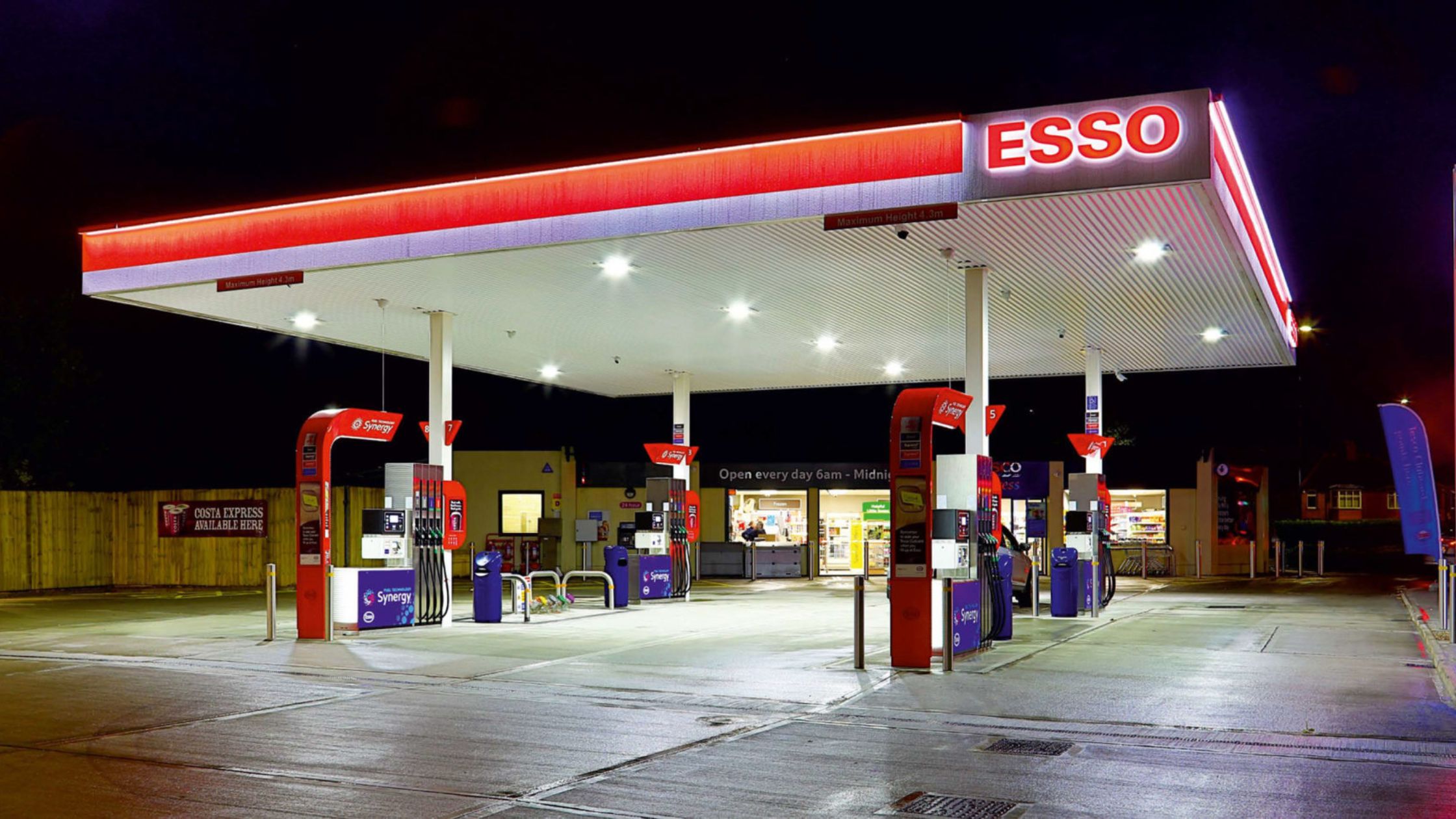
Esso has launched a new renewable diesel in the UK. Not always known for its commitment to renewable energy, Esso claims it is the first to be launched in the UK. The Esso website claims it has been launched because “we understand that you want help to reduce the impact of driving your car. And globally, we have exciting plans to increase the amount of lower-emission fuels we offer. So now we’re launching Esso Supreme 25% Renewable Diesel, with 15% lower life cycle GHG emissions than our regular diesel.”

Patrick Rutherford, Esso UK retail sales manager, said Esso was excited to bring the Esso Supreme 25% Renewable Diesel trial to UK drivers. He explained that focus groups had revealed an increasing appetite for fuel products with greener credentials: ”This pilot allows us to deliver an actual choice rather than a hypothetical choice. The additive structure is the same as our standard premium diesel, so it has the same protection for the engine. The affordability of the transition to green energy isn’t open to everyone. This is a ’drop-in’ fuel that allows a consumer to fill up with no risk to interchangeability on their vehicle because it meets the required fuel standards. The infrastructure is there to deliver greener fuels in a way that gives another choice…(Esso Supreme 25% Renewable Diesel) gives them something now. It has all the great advantages that our customers have come to expect from high-quality Esso fuels, but with the added benefit of being an immediate, lower-carbon-intensive choice.”

What is Esso Supreme 25% Renewable Diesel Esso Supreme 25% Renewable Diesel is made with a minimum of 25% premium renewable hydrotreated vegetable oil (HVO) derived from RTFO(4) compliant wastes and residues – in this case, used cooking oil. The fuel has 15% lower life cycle greenhouse gas emissions (GHG) than Esso’s regular Synergy Diesel. For every 50 litres of Esso Supreme 25% Renewable Diesel used, Esso states that there is an average of 25kg saving in lifecycle GHG emissions. In launching the trial, Esso stated that the average UK diesel car driver travels 9,400 miles per year; if they were to switch to Esso Supreme 25% Renewable Diesel, the annual saving in lifecycle GHG emissions would be equivalent to the emissions generated by two round trips from London to Edinburgh. Details of the sites participating in the trial can be found on Esso’s site locator, www.esso.co.uk/en-gb/find-station. Esso’s parent company, ExxonMobil, plans to invest more than $15 billion by 2027 on initiatives to lower greenhouse gas emissions. Globally, Esso intends to provide more than 40,000 barrels per day of lower-emissions fuels by 2025 and has a further goal of 200,000 barrels per day by 2030. It believes achieving this goal will help society reduce more than 25 million metric tons of CO₂ emissions from the transportation sector.

What is Esso Supreme 25% Renewable Diesel

Esso Supreme 25% Renewable Diesel is made with a minimum of 25% premium renewable hydrotreated vegetable oil (HVO) derived from RTFO(4) compliant wastes and residues – in this case, used cooking oil. The fuel has 15% lower life cycle greenhouse gas emissions (GHG) than Esso’s regular Synergy Diesel. For every 50 litres of Esso Supreme 25% Renewable Diesel used, Esso states that there is an average of 25kg saving in lifecycle GHG emissions.

In launching the trial, Esso stated that the average UK diesel car driver travels 9,400 miles per year; if they were to switch to Esso Supreme 25% Renewable Diesel, the annual saving in lifecycle GHG emissions would be equivalent to the emissions generated by two round trips from London to Edinburgh.

Details of the sites participating in the trial can be found on Esso’s site locator, www.esso.co.uk/en-gb/find-station.
Esso’s parent company, ExxonMobil, plans to invest more than $15 billion by 2027 on initiatives to lower greenhouse gas emissions. Globally, Esso intends to provide more than 40,000 barrels per day of lower-emissions fuels by 2025 and has a further goal of 200,000 barrels per day by 2030. It believes achieving this goal will help society reduce more than 25 million metric tons of CO₂ emissions from the transportation sector.

Milk is Becoming More Expensive than Petrol for the First Time in Years

Milk is Becoming More Expensive than Petrol for the First Time in Years

According to the Daily Telegraph, major convenience store chains are selling pints of milk at a higher equivalent price per litre than petrol. A one-pint bottle of semi-skimmed milk today costs 95p at branches of the Co-op, up by 40p compared to a year ago. That is equivalent to £1.67 per litre, more than the £1.66 charged on average at forecourts for a litre of unleaded petrol.

Sainsbury’s is reportedly charging £1.05 for a pint of milk (or £1.85 per litre) at its Sainsbury’s Local convenience stores. Another food retailer, Morrisons, is charging more for milk than petrol at its chain of convenience stores, Morrisons Daily. Here a pint of milk costs 99p (£1.74 per litre), compared to 89p (£1.57 per litre) at the grocer’s larger shops.

Petrol has also jumped significantly in the past year; the latest unleaded petrol price is 30p a litre higher than last year, according to the figures from the RAC.

Wales Online reported that some supermarkets in Wales are selling single pints for £1.05, a fraction under £1.85 a litre. By contrast, unleaded petrol prices have fallen from £1.91 per litre to £1.49 in some areas.

Milk is Becoming More Expensive than Petrol for the First Time in Years

Milk Production Costs are Increasing

Over the past year, milk prices have soared by two-thirds, pushing the average price per pint to 86p – the equivalent of £1.50 a litre. National Farming Union President Minette Batters said: “Costs are rising rapidly on farms across the country.”

The Grocer magazine commented: “Dairy is at the sharp end of food and drinks price increases, with milk leading the charge. The average price of semi-skimmed milk has seen a market change since July and at an average 86p has increased 65% year on year.”

Higher energy costs have hit dairy farmers across the board. The electricity needed to milk cows, process and refrigerate milk, and produce containers cost more. The fuel required to transport it in tankers costs more, and there have been increases in the cost of animal feed.

A spokesman for the Co-op said: “Our price is lower than other convenience stores and accounts for increased costs, such as more frequent deliveries and higher rents from running smaller shops in city centres.

“In addition, and unlike some retailers, our dairy farmers benefit from being paid a fair price premium for what they produce to take into account the cost of production.”

According to the Daily Mail, it won’t be the first time milk is dearer than petrol – but that was in the late 1980s when a glut of oil led to the price collapsing. At the time, many households had milk delivered to the doorstep, meaning prices were relatively higher than now as they included a delivery charge.

Petrol prices will remain higher than normal for as long as the war in Ukraine affects supplies. Still, the AA said: ‘There is hope that prices will continue to fall by as much as 15p per litre as rising interest rates and the threat of global recession creates a decline in demand which should, in turn, enable the oil supply to stabilise.’

Educating Drivers on How to Share the Road with Self-Driving Cars

Educating Drivers on How to Share the Road with Self-Driving Cars

One of the UK’s leading vehicle breakdown providers, Start Rescue has given its cautious backing to the UK Government’s announcement that self-driving cars could be on UK roads by 2025.

Once merely a science fictional concept, the vision of self-driving cars has taken a step closer to becoming a reality, with a boost from the UK Government pledging additional funding of £100 million towards research and development, with plans to develop a safety framework for self-driving vehicles.

With 88% of all accidents in 2020 being due to driver error, this technology could make our roads safer, reducing the number of collisions involving human error. In addition, self-driving vehicles can open up opportunities for those currently unable to drive a vehicle and benefit from the independence of having their own transport.

With consultation underway to seek public view on the safety ambition for self-driving vehicles, Lee Puffett, Managing Director of Start Rescue commented, “There are clearly many potential benefits to be had from the introduction of self-driving vehicles and any technological advancements that could help to improve safety on our roads should be embraced. However, driver education in understanding the technology, regulations and requirements surrounding this advancement is going to be paramount.”

Educating Drivers on How to Share the Road with Self-Driving Cars

Affordability and reassuring the public of safety concerns are going to be two of the biggest obstacles to overcome in the implementation of self-driving cars, claims the Which? Recommended Provider for Breakdown Cover.

And it is this hesitancy to adopt the new technology, much in the way that many motorists were initially slow to adopt EV, which causes the most concern.

“Not all drivers will adapt to self-driving vehicles at once, there needs to be a great deal of consideration that needs to be made towards how other road users will interact with self-driving vehicles during the transition.”

Updates made to the Highways Code in July 2022 state that motorists will not be liable if crashes occur in self-drive mode, and that they will be able to undertake activities such as watching TV on built in infotainment systems when the vehicle is in the self-drive mode.

Whilst the Highways Code updates also state that ‘You MUST always be able and ready to take control, and do it when the vehicle prompts you’ there is a concern that a motorist may not react to such a command as quickly as they should if they are not concentrating on the road and their mind is elsewhere.

It will still be illegal to use a handheld mobile phone when in charge of a self-driving vehicle, due to the danger of not being in full control of the vehicle and the driver’s attention being distracted. However, even if the self – driving vehicle’s infotainment system switches off when driver interaction is required, the driver is still posing a similar danger to themselves and others if they are engrossed in a film and cannot react with enough speed and awareness when an immediate danger is signalled.

Many vehicles already feature some form of assisted driving technology, whether its assisted parking, assisted braking systems which automatically activate or Automatic Lane Keeping Systems (ALKS), however, such technologies are a long way from a completely autonomous vehicle and the driver must remain in control of the vehicle at all times, as they always have done whilst using Cruise Control for many years.

The next step towards self-driving cars and less driver interaction really needs to be thoroughly considered for the safety of all road users, as even a collision at 15 miles an hour can create life changing consequences for those involved, particularly pedestrians who may step out in front of the vehicle.

As with any new technological developments to vehicles, training will be required for mechanics to understand how to handle any issues with the additional vehicle components, should they arise. This is something that Lee Puffett, Start Rescue’s Managing Director doesn’t feel will be an issue for their breakdown recovery network however, highlighting that “We always support the development of our recovery operators within the Start Rescue network through assisting them in accessing relevant, extensive training. Our industry training bodies have embraced the introduction of EVs and this will be extended to the functionality of self-driving vehicles”

The Government consultation is open until 14 October.

Sources:

Government Pledge details and Road Safety Statistics are taken from the Government publication, Connected & Automated Mobility 2025: Realising the benefits of self-driving vehicles in the UK CP 719 August 202, which references Road Safety Data – data.gov.uk

Further details on the Highways code updates made in July 22 can be found at: The Highway Code – Introduction – Guidance – GOV.UK (www.gov.uk)

Many Drivers Unaware of Highway Code Changes

Many Drivers Unaware of Highway Code Changes

A number of changes were made to The Highway Code in January 2022. These changes followed a public consultation on a review of The Highway Code to improve road safety for people walking, cycling and riding horses. It ran from July to October 2020 and received more than 20,000 responses from the public, businesses and other organisations. Most people who responded were in favour of all the changes. Nine sections of the Highway Code were updated, with 50 rules added or amended.

However, more than three-fifths of UK motorists have not read recent updates to the Highway Code, according to the findings of a recent survey by the AA. The motoring group survey of 13,327 members suggested that 8,090 (61%) drivers had not read changes made in January.

Some 6,972 motorists had heard about the new rules but had not read them yet, while 1,118 drivers were completely unaware of the changes.

One in 10 drivers aged 18-54 were completely unaware of the updates, compared with 5% of those aged 55 and above. However, when asked to identify five correct statements included in the updated Highway Code from a list of 10, most respondents did so correctly.

The new guidance gives pedestrians, cyclists and horse riders greater priorities on the road, such as:

  • Vehicles should give at least 1.5m of space when overtaking cyclists and 2m for horses.
  • Drivers and other road users should give way to pedestrians crossing at road junctions and not be allowed to cut across vulnerable users when exiting a junction.
  • The Highway Code now advises cyclists to ride in the centre of lanes on quieter roads, in slower-moving traffic and when approaching junctions.
  • A hierarchy of road users was also introduced, meaning a driver in a car, van or lorry now has a greater responsibility to watch out for others.

Reaction to the AA Survey

Mary Williams OBE, chief executive of road safety charity Brake, described the changes as “crucial” because they “better protect those most at risk, such as people walking and cycling”. She also urged “drivers in particular” to look at the updated code and “do their bit to put safety first by looking out for vulnerable road users.”

Tim Rankin, managing director of AA Accident Assist, said: “For many the updated Highway Code formalises safe and sensible roadcraft; however, we are concerned that so many still haven’t read the rules.” He added, “It is in everyone’s interest to take every measure that helps avoid collisions and remove confusion from the road, so we urge those that still haven’t read the updated code to do so as soon as possible.”

The Department for Transport is now promoting a campaign to communicate the changes to the public. It is challenging and takes time to change ingrained habits even with a lot of public messaging, but without it, there is little chance of changing the habits and making the new rules part of everyone’s driving habits.

Research into Driving Offences by Younger Drivers

Research into Driving Offences by Younger Drivers

New research by insurance company Hastings Direct provides insight into young drivers’ driving habits while shedding light on the top common driving offences in the UK. Data from between 01/01/2020 and 31/12/2021 analysing over 300,000 offences, based on freedom of information from the DVLA, reveals the most common traffic offences committed by young people in the UK aged 16-25.

Top 10 most common traffic offences for British drivers aged 16-25:

The data below shows the top ten offences that younger drivers are most guilty of and the total number of offences for this age group in 2020 and 2021.

  1. Exceeding statutory speed limit on a public road (128,677 offences)
  2. Using a vehicle uninsured against third-party risks (56,789)
  3. Exceeding speed limit on a motorway (33,055)
  4. Driving otherwise than in accordance with a licence (30,658)
  5. Driving or attempting to drive with an alcohol level above the limit (12,068)
  6. Failure to give information as to the identity of the driver (11,631)
  7. Driving or attempting to drive with drug levels above the specified limit (10,529)
  8. Driving without due care and attention (6,426)
  9. Driving while disqualified by order of the court (5,228)
  10. Using a vehicle with defective tyre(s) (4,420)
The data below shows the top ten offences that younger drivers are most guilty of and the total number of offences for this age group in 2020 and 2021.

40% of driving offences by young people are related to speeding

The data shows that young drivers make the mistake of driving too fast on public roads and motorways, with each of these offences appearing in the ten most common traffic offences for young British drivers. Exceeding the statutory speed limit on a public road accounts for almost 40% of the top traffic offences for those aged 16-25, making it the most common offence. Combined with motorway speeding, the research shows that half of all driving violations by this age group are due to driving too fast.

Borrowing a car without insurance catches out close to 57,000 young drivers

The second most common offence identified in the research was using a vehicle uninsured against third-party risks. There were 56,789 of these offences by young drivers in 2020 and 2021.

Over 30,000 young drivers caught without a licence

The data shows almost one in 10 young drivers are too impatient to hit the roads, with driving otherwise than in accordance with a licence highlighted as another common offence. This issue is particularly prevalent amongst the younger age groups, accounting for 36.02% of offences for drivers aged 16, becoming less of an issue for those aged 25 (6.87%).

Drug and alcohol-related traffic offences are amongst the most common

The top ten traffic offences from the new research revealed that speed is not the only limit young drivers seem willing to push, with drunk driving and driving with drug levels above the limit accounting for almost 7% of the most common traffic offences. That’s almost 23,000 incidents relating to alcohol or drugs in 2020 and 2021.

Observation skills are vital to driving test success

The study also looked at gov.uk for mistakes drivers make during their driving test. Inadequate observations at junctions are the number one fault that learner drivers make during their tests, followed closely by incorrect use of mirrors. This relates closely to the 8th most common traffic offence – driving without due care and attention – which accounted for over 6,000 of the traffic offences analysed.

For more information about the study, please visit:
https://www.hastingsdirect.com/car-insurance/17-25-car-insurance/most-common-traffic-offences.shtml

When do the new 72 number plates come out?

When do the new 72 number plates come out?

Sponsored content

The 72 plate is the reg for cars registered after the 1st of September 2022. Other cars registered this year before September will have had the 22 plate instead. The September plates are based on the last two figures of the year, plus fifty.

When cars with the new ’72 plates start arriving in showrooms in September, some older models become less desirable to buyers – and prices are likely to fall.

What do the other letters and numbers on 72 reg plates mean?

All cars purchased since 2001 follow a specific format:

Two numbers represent when the car was registered

  • Two letters represent the region where the car was registered (one for the general area, the second for the specific office)
  • Three random letters

Interestingly, regional identifiers don’t use I, Q, and Z. Indeed, Z will only ever appear on a UK car reg if it is one of the three random letters at the end.

What are the 72 plate rules?

Both the back and front of a vehicle need to show reg plates. Some other key rules include:

White plates on the front, yellow on the back (unless the car was registered before 1973)

  • Numbers and letters must be exactly 79 millimetres tall
  • There must be a space between the numbers that mark the year and the three random letters
  • All registration plates must be in a specific font which has been in use since 2001 – called the Charles Wright font.
  • For car owners, you cannot change or purposefully obscure your reg. You can be fined up to £1,000 for doing so.
  • British cars driven abroad must have nationality identifiers on their plates – namely, the Union flag and, previously, ‘GB’ – but from September last year, ‘UK’.

Looking to sell your car?

If you’re thinking about selling your car quickly and easily before the new 72 plates come out, Motorway offers sellers a simple – and completely free – method of getting the best price when selling their cars, whatever the model. 

Just enter your car’s reg on Motorway’s website and you will be provided with an instant estimated sale price based on up-to-the-minute market data. They’ll then ask you a few easy questions about your car and guide you through the photos you need to take to complete your vehicle profile. It can usually be done right from your phone – in a matter of minutes.

New Investment funds for GRIDSERVE

New Investment funds for GRIDSERVE

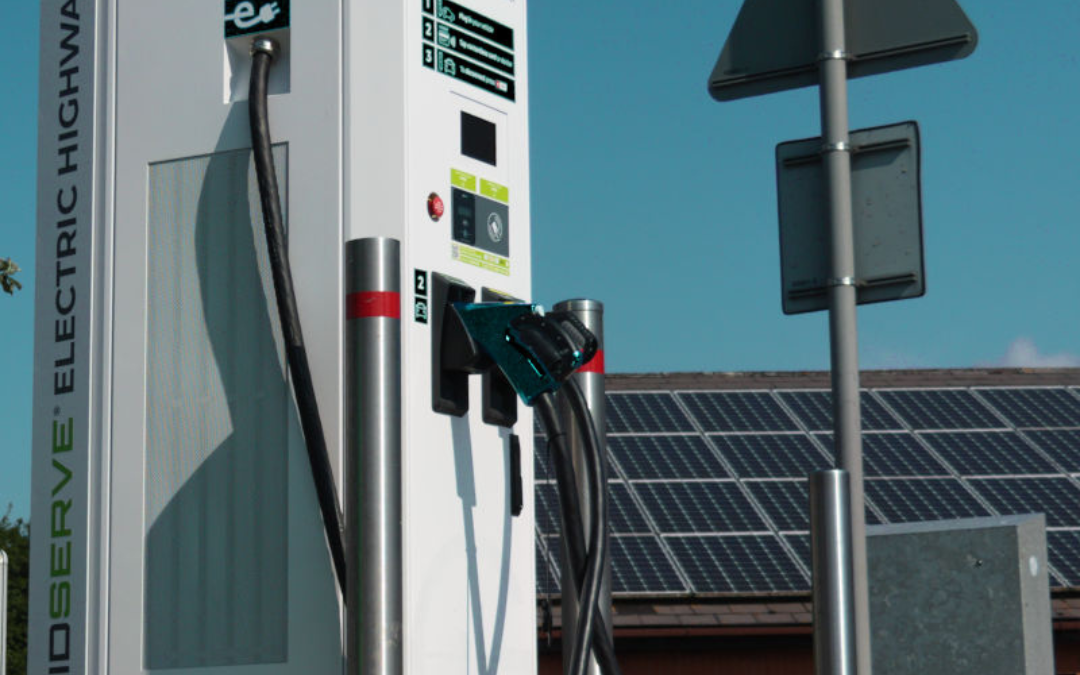
Infracapital, the infrastructure equity investment arm of M&G Plc, has invested £200 million into Buckingham-based GRIDSERVE. The funding will help expand the electric vehicle (EV) infrastructure company’s Sun-to-Wheel model, which combines hybrid solar farms, its charging network of Electric Forecourts and Electric Hubs and the leasing of a wide range of the latest EVs.

“Through this investment partnership with Infracapital, we’re excited that our plans can accelerate, and it’s evident we now have the momentum we require,” said Toddington Harper, GRIDSERVE CEO. The company will work to deliver over 5,000 high-power chargers by 2025, utilising Infracapital’s investment. GRIDSERVE opened its latest Electric Hub in Yorkshire in July, the eighth in its rollout of sites around the UK.

Additionally, it opened its second Electric Forecourt in April in Norwich, following its flagship site in Braintree in 2020.

The latest investment from Infracapital follows multi-million pound partnerships with financial services company Mitsubishi HC Capital UK Plc and TPG Rise – the latter has increased its shareholding in GRIDSERVE as part of the Infracapital transaction.

The Rapid Charging Network

Along with its Electric Hubs and Forecourts, GRIDSERVE continues to build out its Electric Highway charging network, which now covers 85% of the UK’s motorway service areas and numerous retail destinations. Over 100,000 EVs are already using it to charge every month. In the year since the company acquired the Electric Highway from Ecotricity, the number of charging sessions tripled while the energy supply quadrupled, it noted in June.

There are now just over 32,000 chargers in the UK, with close to 6,000 classified as rapid (50kW or above). The government is due to a mandate that rapid chargers should be functioning 99% of the time. However, an analysis by Fastcharge’s  Tom Riley on the UK’s top eight providers suggests that only Tesla (no failures) and GRIDSERVE (1%) would currently clear this hurdle. There is a long way to go along the road to Net Zero, but the latest investment in GRIDSERVE marks them out as one of the leaders in the race.

Fuel Consumption close to pre-Covid levels

Fuel Consumption close to pre-Covid levels

Petrol and diesel consumption was almost back to pre-Covid levels in May and June despite the high prices at the pumps.

The latest figures from HMRC reveal that petrol consumption in May and June this year was just 0.3% less than in May and June 2019, and diesel consumption was just 0.5% down on the 2019 figures.

Changing Attitudes to Travel

While prices remain high, motorists have been changing the way they travel. The AA surveyed over 15,000 members in July and found that many had changed their driving habits to cut costs.

Around 23% of respondents to the survey said they had been unaffected by the high fuel prices. However, 77% of drivers had taken steps to afford to keep driving, with 31% saying they had adopted fuel-saving techniques and 29% saying they were planning their journeys more by combining errands into one trip. Interestingly, only 2% of those surveyed said they had replaced using the car with cycling or walking. Around 11% of drivers were using public transport instead.

The AA’s fuel price spokesman, Luke Bosdet said, “If large numbers of people have become comfortable with leaving their cars on their driveways and walking around to local shops…then that is a big and hopefully enduring silver lining from what’s been going on with fuel prices.

“Drivers are getting bombarded with this sort of advice, whether it’s to help the environment by using less fuel, or whether it’s a matter of financial survival. They’ve now had to put this into practice.”

Mr Bosdet added that for certain journeys, people have “no option but to stick with the car”.

New Car Registrations July 2022

New Car Registrations July 2022

UK new car registrations fell for the fifth consecutive month in July, with a 9.0% reduction to 112,162 units, according to the latest figures from the Society of Motor Manufacturers and Traders (SMMT). In July 2021, there were 123,296 new car registrations.

According to the SMMT, global supply chain issues, predominantly the lack of semiconductors, continued to frustrate order fulfilment. Covid lockdowns exacerbated this in critical manufacturing and logistics centres in China, plus disruption from the war in Ukraine, which restricted production output and supplies into the UK new car market.

Battery electric vehicles (BEVs) continued to be the best performers in growth terms, up 9.9% to 12,243 units to achieve a 10.9% market share for the month. However, this is the weakest monthly uplift recorded by BEVs since the pandemic; overall growth in the year has reached 49.9% to deliver a 13.9% market share for the year-to-date.

July was a weaker month for hybrid electric vehicle (HEV) uptake, with registrations falling 6.7% to take 12.2% of the market. Plug-in hybrids (PHEVs) fell 34.0%, cutting their market share to 5.8%.

Petrol cars still dominate the market, but sales in July were down 7.2% to 51,294 and a market share of 45.7%. Diesel cars continued their decline with sales of 6,210, down 29.3% on the year and a market share half the size of BEVs at 5.5%.

In July, the top three selling cars were the Nissan Qashqai, MINI and Hyundai Tucson. So far this year, the Vauxhall Corsa is the best-selling new car in the UK

The SMMT chief executive Mike Hawes said: “The automotive sector has had another tough month and is drawing on its fundamental resilience during a third consecutive challenging year as the squeeze on supply bedevils deliveries. While order books are strong, we need a healthy market to ensure the sector delivers the carbon savings government ambitions demand. The next Prime Minister must create the conditions for economic growth, restore consumer confidence and support the transition to zero emission mobility.”

<!– WGCCxxx –>