With fuel prices at a record high – should you sell your car?

With fuel prices at a record high – should you sell your car?

Sponsored content

Fuel prices are at an all-time high in the UK, with the average British motorist now paying £1.64 for a litre of unleaded. Diesel vehicle drivers are paying even more – with the latest RAC report stating that the average diesel cost is now £1.77 a litre.

Whilst these average fuel prices are very high, many UK drivers are being forced to pay significantly more. Indeed, there have been many reports of forecourts where diesel and premium grade petrol prices have already broken the £2 a litre mark.
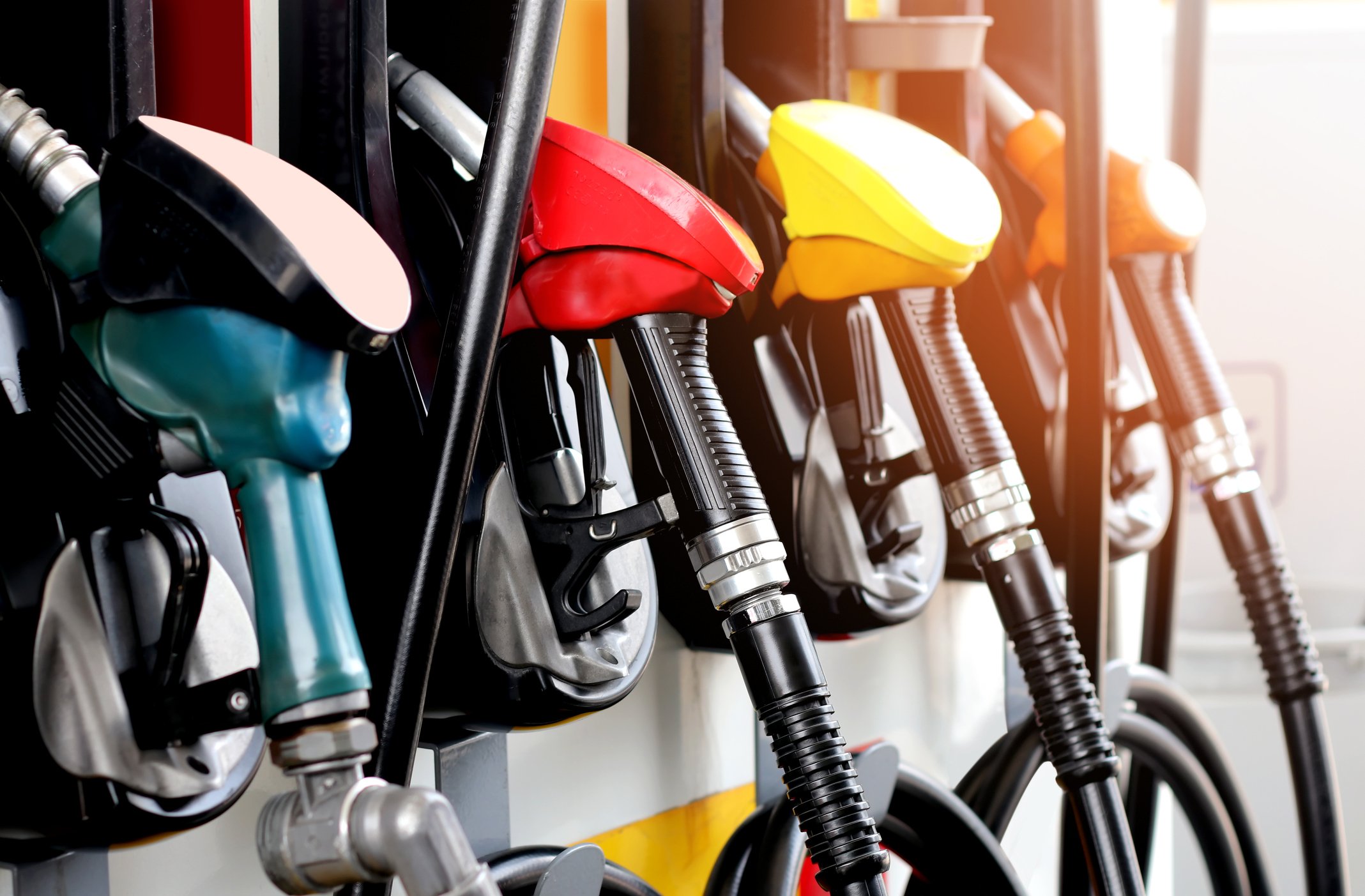
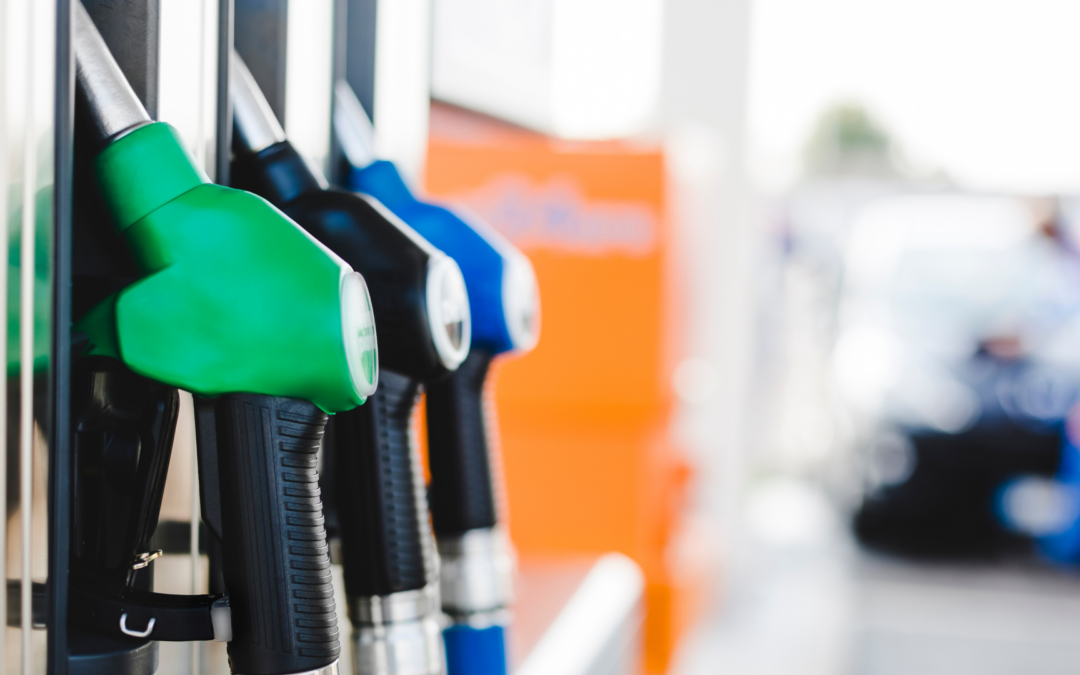
red green yellow orange color fuel gasoline dispenser  background

How has the recent fuel duty cut impacted prices?

Recent research published by the RAC, showed that the government’s fuel duty cut, introduced in March 2022, would lower the cost of filling an average family petrol car from £92 to £89 and see a reduction from £98 to £95 for family diesel cars.

Whilst this marginal fuel cut is unlikely to deliver a significant impact on family budgets, the RAC report also makes it clear that it relies on fuel retailers reducing their prices, rather than just retaining the extra profit for themselves.

Before the budget announcement, the RAC had been calling on the government to make a VAT cut instead – which would have ensured that the additional money was passed on to drivers.

Why is fuel so expensive now?

Fuel prices are at a record high due to an increase in the price of crude oil. The price of petrol and diesel began to increase at the start of the Covid pandemic as the demand for energy rose.

The ongoing Ukrainian crisis is also a major factor in the recent price rise. Russia is one of the largest producers of oil and gas – and international sanctions levied on the nation have caused disruptions to its production processes and meant that many Western European countries are looking to buy oil and gas elsewhere.

    Will the price of fuel come down again?

    This is not clear – as it largely depends on supply and demand in the world energy market. Though, whilst the Ukrainian and Russian war continues, supply is liable to remain low.

    The UK government’s recent fuel tax reduction means the average family car will be £3.30 cheaper to fill up – but only when forecourts restock. This is assuming that the cut is passed on to the consumer.

    Whilst petrol and diesel price increases are expected to slow down in the short term, it is likely that the price of oil will continue to elevate, which is likely to exacerbate things for UK petrol and diesel car drivers in the long-term.

      Should I sell my fossil fuel car?

      Well, it could be a good time. As well as fuel prices reaching a historic high, if you’re the owner of a petrol or diesel vehicle right now, you’re also faced with the looming electric switchover in 2030.

      Many experts are predicting that sales of cars with internal combustion engines (petrol or diesel) have already peaked in the UK, and prices will continue to fall as we get nearer the end of the decade. And with zero-emission restrictions coming into force around the world, you’re unlikely to be the only person currently questioning their fossil fuel car ownership.

      Where should I sell my fossil fuel car?

      If you want to avoid rising fuel prices and the cost of entering zero-emissions areas, or if you’re thinking about beating the rush and trading up to an electric or hybrid vehicle before the 2030 switchover, you can still get a good price for your fossil fuel car with Motorway.

      Motorway looked at how people sell cars – and have made something better. We can help you find a buyer for your car in as little as 24 hours and making a car profile on the platform takes a matter of minutes. We’ll add your car to one of our daily sales, where dealers compete against one another. If they want your car, they’ll give it their best price. That means you always get a great deal.


      One in three parents pay for the entirety of their child’s driving lessons

      One in three parents pay for the entirety of their child’s driving lessons

      • According to comparethemarket.com research, one-third of parents pay for all of their child’s driving lessons – costing an average of £1,159 per child
      • Two in three parents have financially contributed to their child’s driving lessons 
      • Across the UK, parents in Leeds are most likely to pay for all of their child’s driving lessons
      • Survey shows parents contribute an average of £3,528 to their child’s first car 

      New research has revealed that one third (34%) of parents pay for the entirety of their children’s driving lessons, with an average cost of £1,159 per child.

      68% of parents have financially contributed to their child’s driving lessons 

      The survey, conducted by comparethemarket.com, found that two in three (68%) parents financially contributed in some way to their child’s driving lessons. Almost half of parents funded their contribution from savings (48%), while 44% used funds from the household budget. 

      Parents living in Leeds, Cardiff, and London were found to be the most likely to cover the entire cost of their child’s driving lessons. 


      City

      % of parents who paid for all of their children’s driving lessons 

      Leeds 

      40.1%

      Cardiff

      39.8%

      London

      38.5%

      Belfast

      38.2%

      Manchester 

      37.7%

      UK parents contribute an average of £3,528 to their child’s first car 

      When it comes to first cars, it was found that over half (54%) of parents admit to helping with the cost in some way, with more than a quarter (28%) covering the entire cost, at an average of £3,528. 

      Two thirds (67%) use savings to help with the cost of their child’s first car. While one in ten (10%) parents borrow money to help cover the cost, using loans (5%), credit cards (3%) or money borrowed from friends and family (3%) to help meet the expense.  

      Parents in Cardiff and Glasgow were found to be most likely to cover the entire cost of their children’s first car, where one in three (34%) make this generous purchase, followed by parents in London (31%). 

      When analysing the cities that contribute the highest sum towards their child’s first car, parents in Sheffield paid an average of £4,544, over £1,000 more than the average contribution of £3,528 across the UK. 

      City

      Average amount parents contribute to their child’s first car

      Sheffield 

      £4,544

      Edinburgh

      £4,230

      Birmingham 

      £4,009

      Newcastle 

      £3,802

      London

      £3,779

      One in four (26%) parents paid for their child’s road tax in the first year 

      The study found that many parents also contribute to their child’s initial on-the-road costs, with 18% of parents admitting to contributing to MOT, Tax, services and fuel until their child can financially afford it themselves.

      Alex Hasty, director at comparethemarket.com adds: “The cost of insurance for new drivers is exceptionally high when compared to that of more experienced drivers, costing an average of £565 more than the average insurance premium.

      “Therefore, it’s not surprising to see that so many parents are financially contributing towards their child’s first year of car insurance, in fact 17% of parents in a recent survey said they will continue to contribute until their child can financially afford it themself. It’s really important for new drivers to use comparison services such as ours to help find the right policy for them and to check for any potential savings.’’

      To view the full research, please visit comparethemarket.com: https://www.comparethemarket.com/car-insurance/content/tank-of-mum-and-dad/

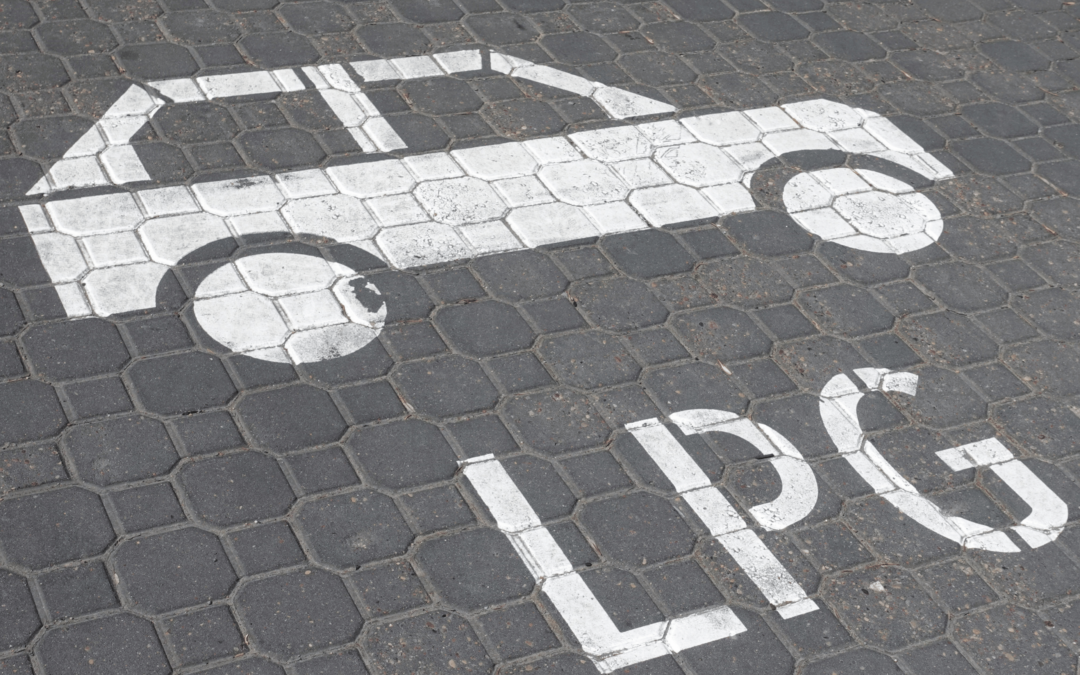
      MFG is planning to end the sale of auto-LPG on its forecourts

      MFG is planning to end the sale of auto-LPG on its forecourts

      The Motor Fuel Group (MFG), the largest independent forecourt operator in the UK, has said that supplying auto-LPG is no longer commercially viable. The company plans to remove auto-LPG from all its forecourts by 2024.

      MFG had to announce its plans through the Competition and Markets Authority (CMA) because of the preliminary investigation by the CMA into the purchase of Morrisons Supermarkets and forecourts by MFG’s US private equity owners.

      The CMA reported that “MFG submits that auto-LPG is no longer an important product category for modern petrol station forecourt businesses due to a continued industry-wide decrease in demand. This decrease in demand means that revenues are low and will continue to decline, thereby making any continued investments, including periodic testing of the facilities, commercially unviable. Accordingly, MFG plans to remove auto-LPG from all of its sites between 2022 and 2024.”

      MFG intends to replace its auto-LPG facilities with Electric Vehicle rapid charging hubs and other services, such as grocery offerings or car wash facilities. MFG currently has over 200 150kW chargers on its sites and has plans to electrify its network of over 900 forecourts.

      The decision by MFG follows Shell’s decision two years ago to end its joint venture with Calor and decommission its LPG refuelling network. At the time, a spokesperson for the joint venture said, “Customer demand for LPG for domestic transportation has declined due to changing customer preferences and the increasing availability of other lower-carbon fuels.”

      Over 1,000 sites in the UK still stock auto-LPG, but it only makes up around 0.2% of UK road fuel demand. Estimates of the number of LPG fuelled vehicles on UK roads are around 100,000. The UK government will phase out the sale of new vehicles powered by autogas. No manufacturers sell pure auto-LPG vehicles in the UK, which means the only way to use it is to convert an engine or install an LPG engine to work in a bi-fuel system.

      What is the best way to sell your car?

      What is the best way to sell your car?

      Sponsored content

      Selling your car but don’t know the best way of doing so? We’ve analysed the best and most common ways to sell your, both online and offline. With so many providers out there, it can be a challenge to decide which one to use. So, let’s look at the four main methods of selling a car – and at the pros and cons of each…

      Selling your car privately

      Selling a car privately can involve anything from putting a car ad in a local newspaper to placing up a note on your dashboard. However, these days, sellers will typically use online platforms that will present their car advert to hundreds of thousands of people.

      Despite this, there are no guarantees with this method – and it is usually one of the most time-consuming options for selling. For best results, you will need to craft an advert that will make your ad stand out in a crowded marketplace. If you find that you’re not getting any interest, there are usually options to get you more visibility – though these can be pricey.

      When your car ad does get responses, you will need to take time to respond to calls and emails from potential buyers. Taking time out of your work day to do so, and then after work to show them your car – that’s if they show up!

      Private sales are a very hands-on method. There’s also no guarantee that the sale will come off. If it does, however, you are more likely to get a better price for your car than with other means of selling.


      • Pros: Usually a high price
      • Cons: Time-consuming, no guarantees, paying for extra visibility

      Part-exchange your car

      This used to be the most common way of selling your existing car in order to trade up to a newer model. Car dealers were happy to take your unwanted car off your hands as long as you were paying for a new one at the same time. This was often seen as a better option than selling your car privately.

      However, when you part-exchange a car, the price you will get for it will typically be much lower than you would usually get from a private sale.

      As it is up to the dealer’s discretion whether or not to include your old car as partial payment towards a new one, it can be difficult to negotiate a better price.


      • Pros: An easy and hassle-free option
      • Cons: A low price that is hard to negotiate

      Selling to an instant car-buyer

      If you are keen to offload your car and aren’t really worried about the money, you can sell via a car-buying website. This is an easy option. After you’ve received your valuation online, you then need to take the car for an inspection at one of their drop off points.

      Your valuation could be on the low side, and when you take the car to the inspection, you may find the price offered is further reduced.

      Bodywork scratches and other minor damage will often impact the price at the last minute, especially if it was not previously disclosed online. Therefore, the valuation price will often be different to the price offered following the instant car-buyer’s inspection.


      • Pros: Quick sale
      • Cons: Can be a low price, which can be reduced upon inspection

      Selling your car with Motorway

      A simple way of ensuring that you get a competitive price for your car is using Motorway – a free online service that will put your car in front of thousands of verified dealers, who will compete to give you the best price for your car.   

      Simply enter your car’s reg on Motorway’s website and you will be provided with an instant valuation. They’ll then ask you a few easy questions about your car and guide you through the photos you need to take to complete your car profile. It can be done right from your phone – in a matter of minutes.

      They will then enter your car into their daily sale, where over 5,000+ dealers compete to buy your car, offering you their best price. You will receive your best offer – and, if you choose to go ahead with the sale, your car will be collected for free by the dealer and the money will be quickly transferred to your bank account.


      • Pros: A quick, easy, and free sale; giving you the highest price from a network of verified car dealers
      • Cons: You might make more selling privately

      Fuel Duty Cut by 5 Pence Per Litre

      Fuel Duty Cut by 5 Pence Per Litre

      The chancellor, Rushi Sunak, announced that fuel duty will be cut by 5ppl at 6 pm on the 23rd March. This fuel cut will reduce the excise duty on road fuels from 57.95ppl to 52.95ppl. This is the first change in fuel duty since March 2011.

      This deduction in fuel duty occurs before VAT is applied, so the overall effect of this reduction is 6ppl, with VAT being applied at 20%.

      Crude Oil prices hit an eight-year high earlier in March 2022, which in turn saw petrol and diesel prices rise sharply. Crude Oil prices have dropped back to $112 per barrel from $130 in early March; however petrol and diesel prices at the pumps remain high, with the average reported prices of £1.66 and £1.78 respectively.

      When will I see the change?

      The excise duty takes effect at 6pm on the 23rd March 2022. However, you may not see this at the pumps straight away.

      The fuel currently in forecourts around the UK has already had the excise duty paid on it; as such, the forecourts can’t discount the price you will pay straight away without hitting their profit margin. There is also fuel stored within the UK, in fuel storage facilities, that will also have had the duty applied, and so this will also not benefit from the reduced rate.

      Only fuel that hasn’t had the duty applied will be able to take advantage of this reduction straight away, so depending on where you are within the UK will depend on when you are likely to see these reductions.

      This is likely to lead to more widespread pricing at forecourts, as current stock levels within the supply chain will significantly affect the price at the pump. This is on top of a volatile market that has already seen the spread of pricing at forecourts widen.

      The chancellor, Rushi Sunak, announced that fuel duty will be cut by 5ppl at 6pm on the 23rd March. This fuel cut will reduce the excise duty on road fuels from 57.95ppl to 52.95ppl. This is the first change in fuel duty since March 2011.  This deduction in fuel duty occurs before VAT is applied, so the overall effect of this reduction is 6ppl, with VAT being applied at 20%.

      Car Parking Fines Set to Change

      Car Parking Fines Set to Change

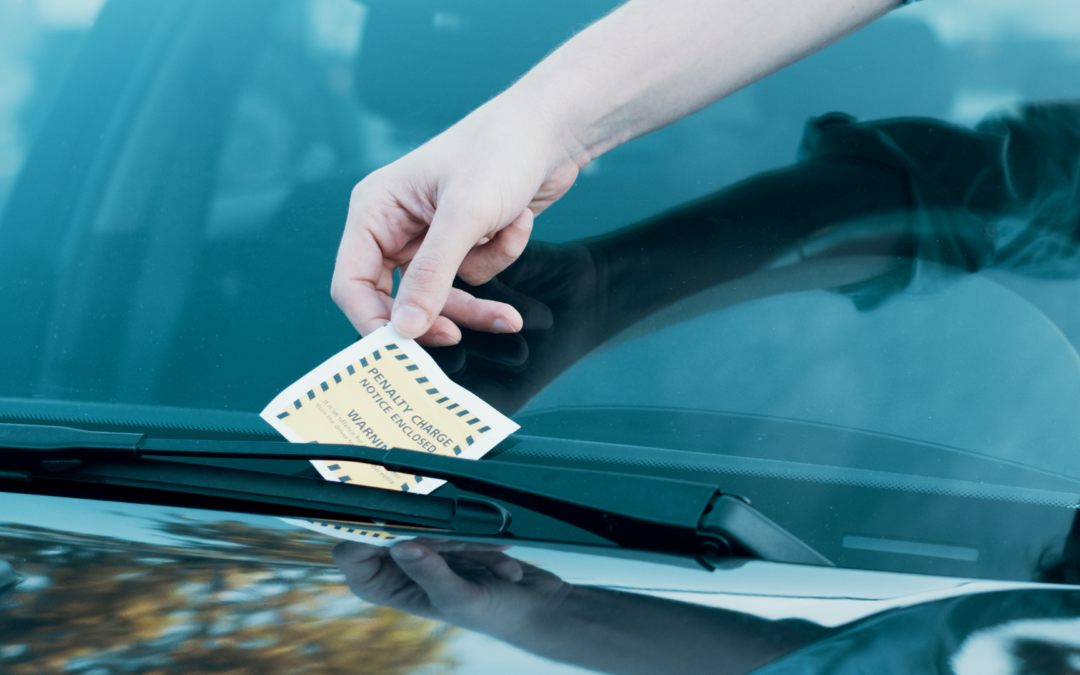
      Under a new code of practice introduced in February by the UK Government’s Department for Levelling Up, Housing and Communities, the maximum parking fine will be reduced from £100 to £50 for England and Wales. In some instances, serious breaches will face a maximum charge of £70, and early payment of the fine will reduce the penalty to £25 rather than the £50 early payment in force at present.

      According to Levelling Up Minister Neil O’Brien, “Private firms issue roughly 22,000 parking tickets every day, often adopting a system of misleading and confusing signage, aggressive debt collection and unreasonable fees designed to extort money from motorists.”

      In addition to reducing fines, private car parks will also have to display prices more clearly, use a fairer appeal system and give drivers a 10 minute grace period for lateness.

      Changes Welcomed by Motoring Organisations

      The AA’s President Edmund King welcomed the changes. He said, For too long, those caught by private parking firms simply pay the charge to get rid of it. Thankfully, those days are numbered…We are also pleased that honest mistakes, like mistyping the car registration into the machine, will now be automatically cancelled.”

      According to the RAC Foundation, these changes follow a 31 fold increase in the number of penalty notices issued in the 13 years to 2019-20. These increases have been partly attributed to a ban on wheel clamping and the improved technology of number plate recognition cameras. However, more sinister explanations like misleading signage and predatory practices are also offered.

      The RAC had called on the Government and MPs to act after being contacted by drivers who questioned the behaviour of some of the private parking companies.

      Nicholas Lyes, head of roads policy for the RAC, praised the changes and the impact it would have on drivers across the UK He said: “This will undoubtedly improve the experiences for drivers and create a much more level playing field, reducing hassle and stress while at the same time forcing rogue operators to clean up their acts.

      Car Parking Fines Set to Change Under a new code of practice introduced in February by the UK Government’s Department for Levelling Up, Housing and Communities, the maximum parking fine will be reduced from £100 to £50 for England and Wales. In some instances, serious breaches will face a maximum charge of £70, and early payment of the fine will reduce the penalty to £25 rather than the £50 early payment in force at present.

      Warnings of Unintended Consequences

      The British Parking Association (BPA) Chief Executive Andrew Pester, was concerned about the changes. He said, “We call on the government to urgently reconsider its proposals given the unintended consequences for our sector, landowners, and motorists.

      “We welcome the Parking (Code of Practice) Act and measures to introduce a single code, standards-setting body, and an independent appeals service. However, for this package of measures to be sustainable, there needs to be an effective deterrent to encourage compliance with parking rules and deter anti-social parking. Without effective parking management, places would become congested and inaccessible.”

      While the BPA is deeply concerned by the unintended consequences for motorists, landowners, and the parking sector, it is unlikely that motorists will do anything other than welcome these changes, especially when other motoring costs are increasing in such a dramatic way.

      Service Issues with PetrolPrices Mobile App

      Service Issues with PetrolPrices Mobile App

      Due to the current increase in fuel prices, we have been experiencing unprecedented numbers of people using the PetrolPrices mobile app, web app, and website.

      Several times over the last couple of weeks, the mobile app, in particular, has struggled with the level of demand and has not been available to users. We apologise for the inconvenience this has caused.

      We have resolved capacity issues and continue to monitor performance. 

      If you experience problems with the mobile app, please try the following steps:

      • Use our web version which can be used on any desktop, tablet, or mobile via an internet browser. You can log in to use that for free just like the app here.

      Thank you once again for your patience right now.


      The cost of car insurance fell by an average of £80 year-on-year

      The cost of car insurance fell by an average of £80 year-on-year

      According to data from Compare the Market, the average car insurance premiums for the fourth quarter of 2021 fell by over 11% compared with the fourth quarter of 2020. The key findings, detailed below, also showed that younger drivers could benefit the most by shopping around for their car insurance.

      The key findings from data on car insurance premiums from Compare the Market are summarised below:

      • The cost of car insurance fell by an average of £80 year-on-year in Q4 (Sep-Nov) to £640 – the cheapest average price for the three-month period since 2014.
      • The cheapest premium typically available dropped to £537 – so drivers could save an average of £102 by switching to a better deal instead of auto-renewing with their existing provider.
      • Young motorists could benefit from the biggest savings by switching car insurance. The average premium for drivers aged under 25 stands at £1,205 (September – November 21). However, if young drivers shop around for the cheapest deal when their policies come up for renewal, they could typically save £298 by switching.

      Time

      Average Premium

      Cheapest quoted premium

      Price Difference

      Sep – Nov 21

      £640

      £537

      £102

      Sep – Nov 20

      £721

      £606

      £114

      Drivers can use comparethemarket.com’s premium tool to check if they are paying too much for their insurance based on their age, location, and the value of their car.

      According to data from Compare the Market, the average car insurance premiums for the fourth quarter of 2021 fell by over 11% compared with the fourth quarter of 2020. The key findings, detailed below, also showed that younger drivers could benefit the most by shopping around for their car insurance.
      ‘Crash for cash’ scams on the rise, Insurance Fraud Bureau claims

      ‘Crash for cash’ scams on the rise, Insurance Fraud Bureau claims

      According to the Insurance Fraud Bureau (IFB), 170,000 claims linked to potential ‘crash for cash’ scams were recorded last year.

      ‘Crash for cash’ scams are orchestrated by involved drivers or pedestrians who plan accidents to catch out innocent motorists on the road. The perpetrators then make injury claims and file for fake injury compensation.

      New variants of the scam are frequently emerging, ranging from dangerous collisions caused by fraudsters to fabricated papers or vehicle damage carried out by the scammers themselves.

      Motorists have also been warned about the rise in pedestrian scammers, with increasing numbers of pedestrians throwing themselves into slow-moving traffic in the hopes of pinning the blame on innocent drivers.

      Due to the number of suspected ‘crash for cash’ claims recorded per year, the accumulation results in claims worth millions of pounds, as well as an increase in insurance costs for innocent parties.

      A 2019 estimation suggests that ‘crash for cash’ scams cost insurers around £340million per year.

      In commenting on the criminal gangs involved in perpetrating these ‘crash for cash’ crimes, James Dalton, director of general insurance policies at Association of British Insurers (ABI), said:

      ‘These criminal gangs are often highly organised and put lives at risk.

      ‘The amounts that they fraudulently claim can be huge and can impact on the motor premiums paid by honest motorists.’

      The ABI also gave motorists an insight into the various ways in which scammers are orchestrating these accidents for maximum effect:

      ‘The criminals cause the accidents in a number of ways, including disabling their brake lights to cause the car behind to run into them; slamming on the brakes for no obvious reason, flashing their lights at a junction to let you out, then crashing into you deliberately; or working in conjunction with other drivers in front of them.’

      Unfortunately, the ABI also suggests that it is vulnerable road users who are most at risk of being caught up in one of these dangerous scams:

      ‘Crash for cash fraudsters often target vulnerable road users, who are under time pressure or do not want to cause any trouble.’ However, ‘ultimately, fraudsters harm all law-abiding motorists.’

      Victim of a ‘crash for cash’ scam, Freddie Lovejoy commented on his experience after he was forced into a collision on the A1:

      ‘You never expect a crime like crash for cash to happen until it does, and I would strongly recommend drivers read up about it,’ he warned.

      ‘There can be physical and mental impacts when involved in a car accident, and to think criminals do it on purpose is scary.’

      ‘Crash for cash’ scams on the rise, Insurance Fraud Bureau claims

      [Image Source: Shutterstock, May 2021]

      ‘Crash for cash’ prevalent in Birmingham and Bradford

      A recent study conducted by the Insurance Fraud Bureau has revealed 30 postcodes in which ‘crash for cash’ scams are most prevalent, with Birmingham and Bradford coming out on top.

      Other popular hotspots include Walsall, Blackburn, Romford, Manchester, Luton and Leeds.

      IFB Director, Ben Fletcher, commented: ‘The IFB’s hotspots analysis is a stark reminder that although great strides have been taken in tackling the problem, these car crash scams are all too common.

      ‘As traffic levels return to normal following the national lockdown, crash for cash fraudsters may look to make up for lost time.

      ‘It is hoped that by shining a spotlight on the issue, we encourage road users to be alert and report any suspicious activity to the IFB’s Cheatline.’

      With further rises in ‘crash for cash’ scams expected as restrictions lift and roads become busier, the ABI has released updated guidance for what to look out for on the roads in the event that motorists believe they may be being targeted:

      • Warning signs, i.e. cars travelling unusually slowly or slowing down quickly multiple times
      • Suspicious activity after the accident, i.e. an unusually calm driver with pre-written insurance details or unexplained injuries

       The ABI also suggests motorists should ‘always maintain a safe distance between you and the vehicles in front of you’ to make you a less easy target and, in the event of being involved in an accident, ‘take notes of all relevant information including the driver, passengers and any other circumstances and take photos of the scene if it is safe to do so.’

      If you suspect you may have been targeted, call IFB’s Cheatline on 0800 422 042.

       Have you been involved in a suspected ‘crash for cash’ accident? Are you concerned that you may be targeted due to the rise in such crimes?

      Let us know in the comments.

      Drivers think electric vehicles are too expensive, study reveals

      Drivers think electric vehicles are too expensive, study reveals

      A recent study conducted by the AA has revealed that a large percentage of drivers still believe electric vehicles are too expensive, putting them off making the switch.

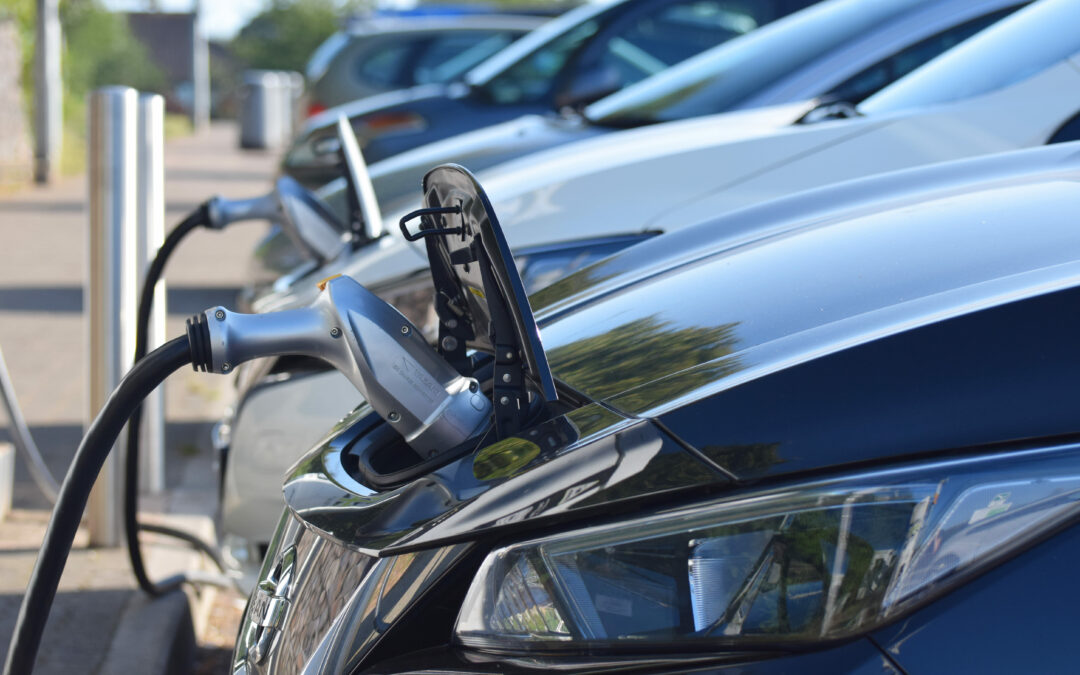
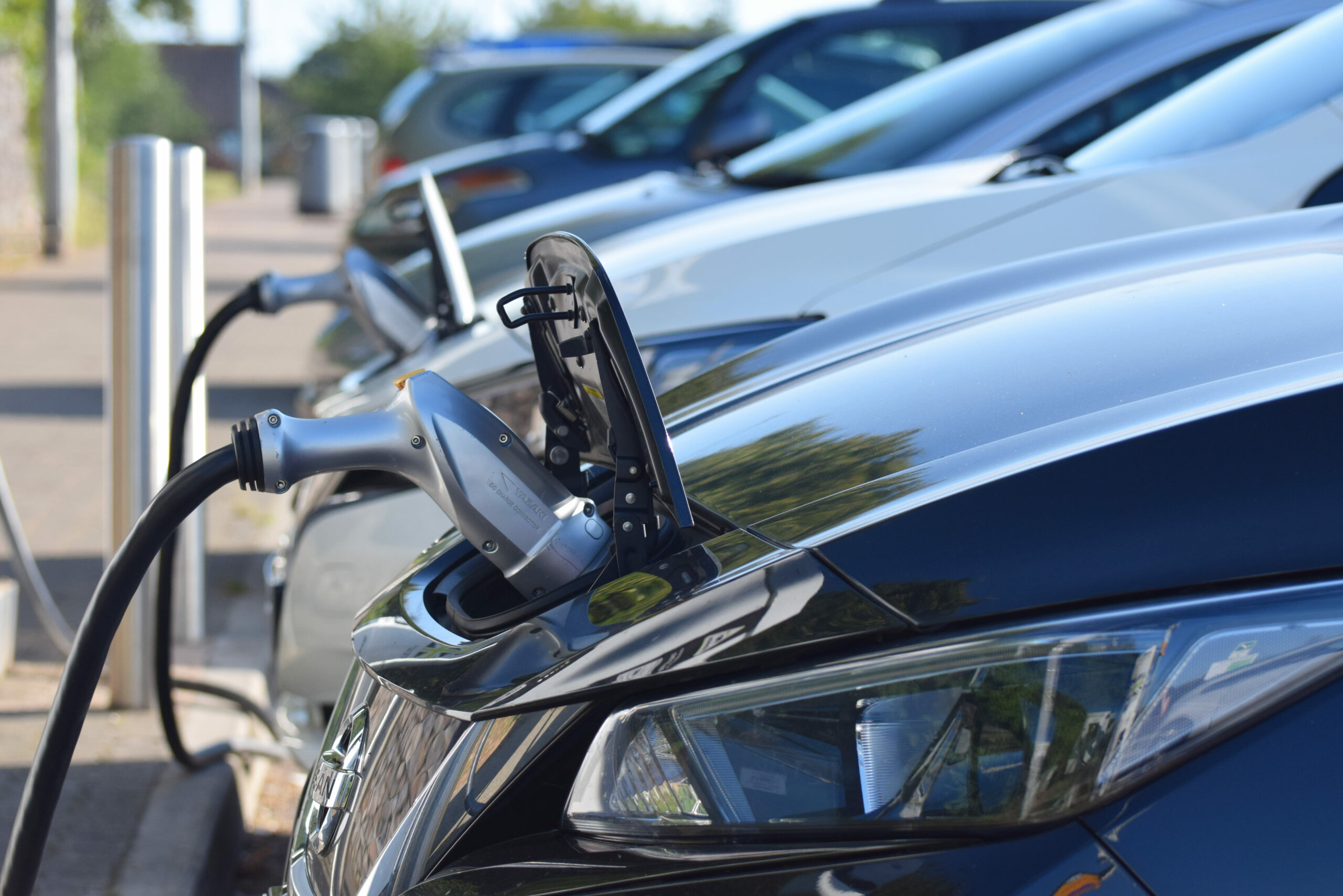
      The study asked over 15,500 drivers to give their opinion on electric vehicles, with a colossal 81% stating that they thought an electric vehicle would be ‘too expensive’ for them to buy. Many were also unaware of the government support available for drivers looking to purchase an electric vehicle in the form of a Plug-In Car Grant (PICG).

      The grant scheme knocks £2,500 off the original price of an electric vehicle, as long as the listed price is £35,000 or below. The grant previously stood at £3,000 but has recently dropped to reflect the current economic situation.

      Despite government efforts to push this scheme, 63% of drivers asked in the AA study claimed they had ‘never heard’ of the Plug-In Car Grant at all.

      The AA suggests this could be because dealerships take the grant into account and automatically remove it from the listed price, leaving drivers to assume that this is the total cost. However, this has meant that the incentive purpose of the grant is failing to have an effect on those considering a switch to electric vehicle.

      The AA believes that the lack in uptake of electric vehicles comes down to a lack of education. Drivers assume electric vehicles are expensive and aren’t actively told otherwise, so, therefore, continue to put off changing their vehicle. It also picks up on the fact that drivers have been used to petrol and diesel vehicles for so long that a change could feel daunting.

      Edmund King, AA president, says:

      ‘After more than a century of the combustion engine leading the charge, it is not surprising that some drivers are only just catching up with all things electric.’

      He also alluded to a new scheme that has recently been put into place to serve the purpose of electric vehicle ‘myth-busting.’ The scheme involves a partnership between the AA, electric vehicle review site Electrifying.com and transport minister Rachel Maclean. The scheme will play a part in educating motorists on the topic of electric vehicles, allowing them to make an informed decision when it comes to their own vehicle.

      ‘We are here to help petrol heads become electric heads,’ says Mr King. ‘We are delighted to join with Electrifying.com and the government to bust some of these myths.

      ‘The AA is determined to give power and support to all EV drivers and potential EV drivers. As the number one recovery company for EV drivers with more trained EV capable patrols than anyone else, we are here to help. The automotive future is exciting, and we will probably see more change in the next ten years than we have in the last fifty.’

      Drivers think electric vehicles are too expensive, study reveals

      [Image Source: Shutterstock, May 2021]

      Electric vehicle pricing isn’t the only deterrent for motorists

      While the perceived high price of electric vehicles may be the main deterrent to those considering an electric vehicle switch, other factors are also at play.

      The same AA study confirmed that motorists had limited knowledge of electric vehicle charge points, how these work and the government provided support in place to quell these concerns.

      The study revealed that 50% of those asked were unaware of the Electric Vehicle Home Charging Scheme. This scheme covers up to 75% of the cost of purchasing and installing a home charging point, with £350 being available to each household.

      There were also concerns raised about the capabilities of electric vehicles within the research. For example, a concerning 77% of motorists believe that a fully charged electric vehicle will be unable to travel as far as petrol or diesel vehicles with a full tank.

      To add to this, 59% of drivers think that having to charge an electric vehicle is inconvenient with charge times being too long, while 56% revealed that they were concerned about the reliability of the UK’s charging infrastructure.

      To conclude the study, 56% of drivers stated that they would be ‘unwilling’ to swap their petrol or diesel car for an electric vehicle due to feeling ‘less confident’ about driving an EV.

      It seems that without a ramped up electric vehicle education scheme, these statistics could put the government’s plan to ban the sale of new petrol and diesel vehicles by 2030 in jeopardy.

      Are you concerned about the high prices of electric vehicles? Do you share the same concerns as those revealed in the AA study?

      Let us know your thoughts in the comments.