60% of drivers now support pay as you drive tax system claims Ipsos Mori

60% of drivers now support pay as you drive tax system claims Ipsos Mori

According to new research by Ipsos Mori, three in five people have said they will support a pay-as-you-drive road pricing scheme if electric cars become the main type of vehicle.

The Chancellor Rishi Sunak is in favour of the scheme to offset a tax black hole when fuel duty and vehicle and excise duty based on emissions outputs are no longer applied to motorists.

MPs on the Transport Committee launched an official inquiry into zero-emission vehicles and road pricing a few weeks ago.

Ipsos Mori found that a quarter ‘strongly’ supported the concept of pay-as-you-drive road pricing, which is a massive shift when people were last polled with the same question in 2007.

In 2007, almost half opposed the idea in principle and only a third were supportive of the scheme. This time around, only 21 per cent are strongly against the idea.

In total, 911 adults were polled, while a further 102 interviews with ‘industry captains’ – the top 500 companies by turnover, and the top 100 by capital employed in the UK – were also recorded for the study.

Captains of industry were in greater support of road pricing than the public, with 82 per cent either supporting or strongly backing the scheme – ahead of the 62 per cent vote of confidence from the public.

Surprisingly, motorists were equally behind the concept of pay-as-you-drive charges; 60 per cent of vehicle owners supported the idea in principle and just 22 per cent were opposed.

Almost two thirds of the public said they would either strongly support or tend to support the introduction of schemes if all the revenues collected would be used to improve bus, train and tube services.

Similarly, the suggestion that schemes charging motorists would result in a greener and cleaner future improved the level of backing from survey respondents.

Ben Marshall, research director Ipsos Mori: ‘Media reports that the Chancellor is weighing up plans for a new national system with motorists paying directly to use Britain’s roads, have put road pricing back on the political agenda.

‘Public opinion will play an important role, just as it did in curbing previous ambitions to find a new way of funding the country’s roads.

‘The recent focus has been on a new scheme’s revenue-raising potential given a multi-billion ‘tax hole’ caused by the coronavirus pandemic and a move to electric cars.

‘But our survey shows that while both public and industry’s instincts are ‘pro’- the introduction of charging schemes in principle, practical implementation will matter.’
mpg picture

[Image: Source Shutterstock, December 2020]

Transport Committee Inquiry

The latest poll results were published on Monday following the Transport Committee’s call for evidence on road pricing, which was launched last week and is open until Wednesday 17 February.

Chair of the Transport Committee, Huw Merriman MP, said: ‘The Government decision to bring forward the ban on the sale of new petrol, hybrid and diesel cars, recently announced in the ‘Ten Point Plan’ for a green industrial revolution, is considered a vital step along the UK’s path to net zero.

‘This inquiry will help us get into the details and practicalities of the policy and the financial implications.

‘A consequence of the transition to electric vehicles is a potential £40 billion annual fiscal black hole, due to the reduction in Fuel Duty and Vehicle Excise Duty. Something will have to change.

‘We will be exploring whether radical road pricing or ‘pay-as-you-drive’ schemes can offer a revenue-raising solution to this problem.

‘We will explore the practicalities of different schemes, the level of public support for them, and best practice from other countries.

‘We will also assess whether new technologies and pricing can both be utilised to incentivise consumer behaviour change, reduce congestion and promote active travel.’

Confirmation of the inquiry followed a Treasury report released last week that said tax revenues will plunge when motorists switch to electric vehicles.

It warned that it will be forced to increase other taxes or cut funding for services to compensate for the loss in taxes on polluting cars as well as fuel duty.

‘Over time the Government will need to consider how to offset these lost tax revenues – whether through adjustments to other taxes or reductions in government spending – so that the UK can reach net zero while maintaining the long-term health of the public finances.’

What do you think about this research and its findings? Are you one of the 60% of drivers that believes pay as you drive is the right option to replace lost tax income?

 Let us know in the comments below.
Speeding tickets set to become a thing of the past as self-driving vehicles liable for speeding offences

Speeding tickets set to become a thing of the past as self-driving vehicles liable for speeding offences

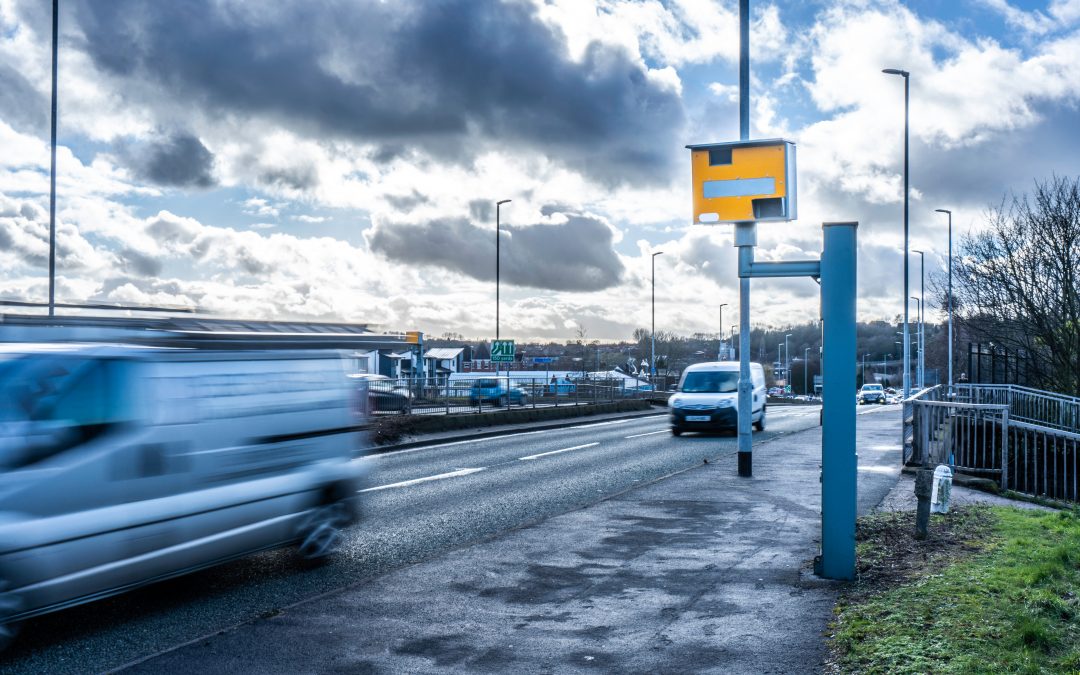
Speeding tickets are soon set to become a thing of the past as report suggests self-driving cars will take over the responsibility of speeding offences.

In a new report issued by government law experts, a complex framework has been set out for when self-driving cars infiltrate Britain’s roads in the next few years. The report states that drivers will no longer be referred to as such, and will instead be named ‘user-in-charge’ in this shift of responsibilities.

It is understood that, under this new proposal, the person in the driving seat would not be held accountable for mistakes made by the car, like speeding.

Instead, these responsibilities would be transferred to the manufacturer of the vehicle or its software.

It seems that these self-driving cars would be programmed to make a journey with passengers onboard (who may only need to intervene in an emergency. This would mean that fining systems like speeding tickets would become redundant, with ‘users-in-charge’ no longer liable for the mistakes made by the vehicle itself.

The Law Commission Report states that these changes will allow ‘users-in-charge’ to relax on car journeys by reading a book or watching a film, with potential for the traditional driver’s seat to be made redundant and phased out in newer self-driving models.

The report states that: ‘Under our proposals, if a vehicle is classified as self-driving and the ADS (automated driving system) is engaged, the person in the driving seat becomes as ‘user-in-charge’ rather than a driver.’

It continues with an explanation of what this could mean for the future of driving and offences like speeding: ‘This means that…the user-in-charge could lawfully undertake activities which drivers of conventional vehicles are not allowed to do as it would distract them from driving. Examples are watching a movie or reading emails. If there is a collision caused by a vehicle driving itself…the user-in-charge could not be prosecuted for offences such as careless or dangerous driving. The user-in-charge could not be prosecuted for a wide range of other offences, including exceeding the speed limit.’

The report does state, however, that ‘users-in-charge’ would have to stay under the drink-drive limit in case of an emergency in which they would be required to take back control of the vehicle.

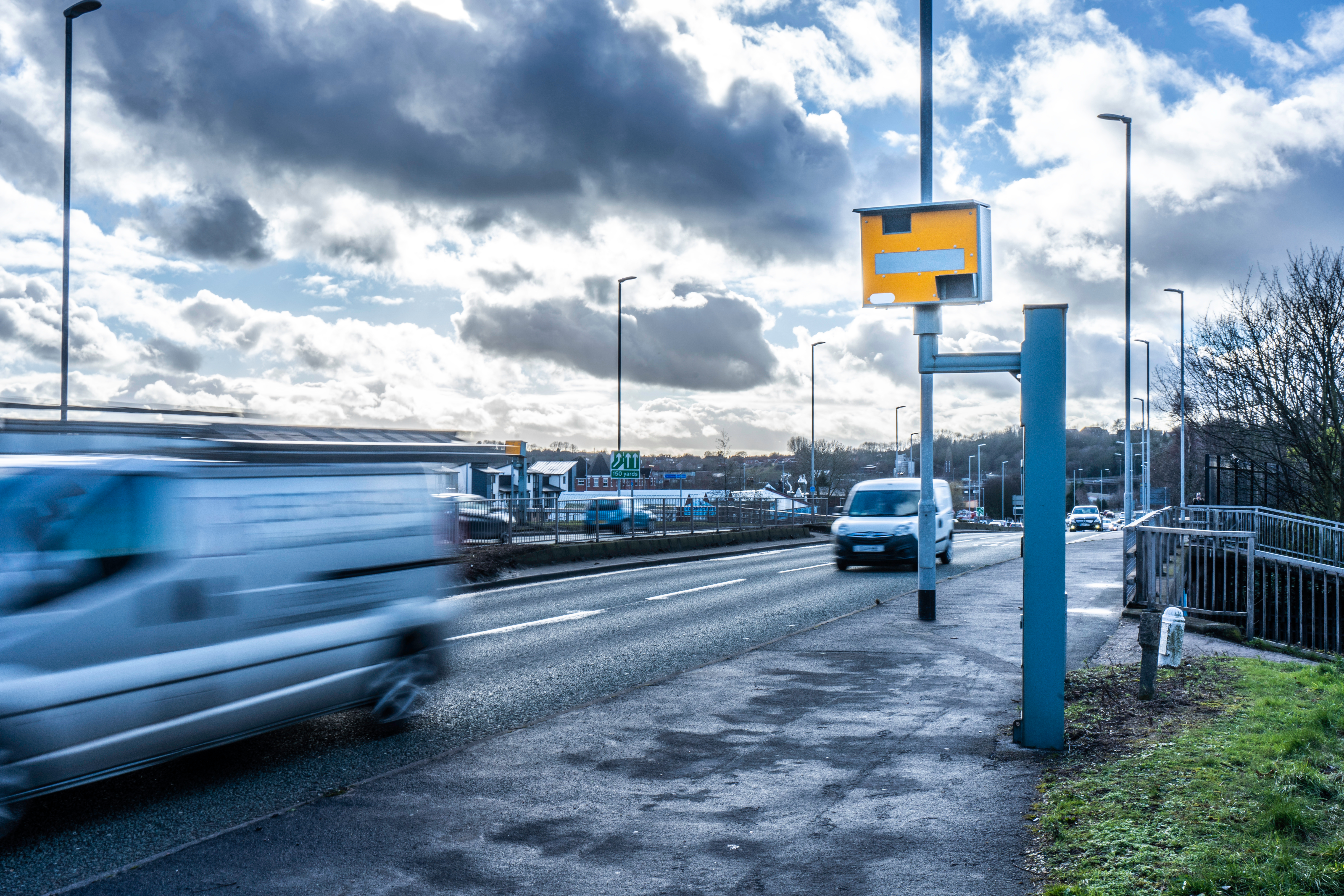
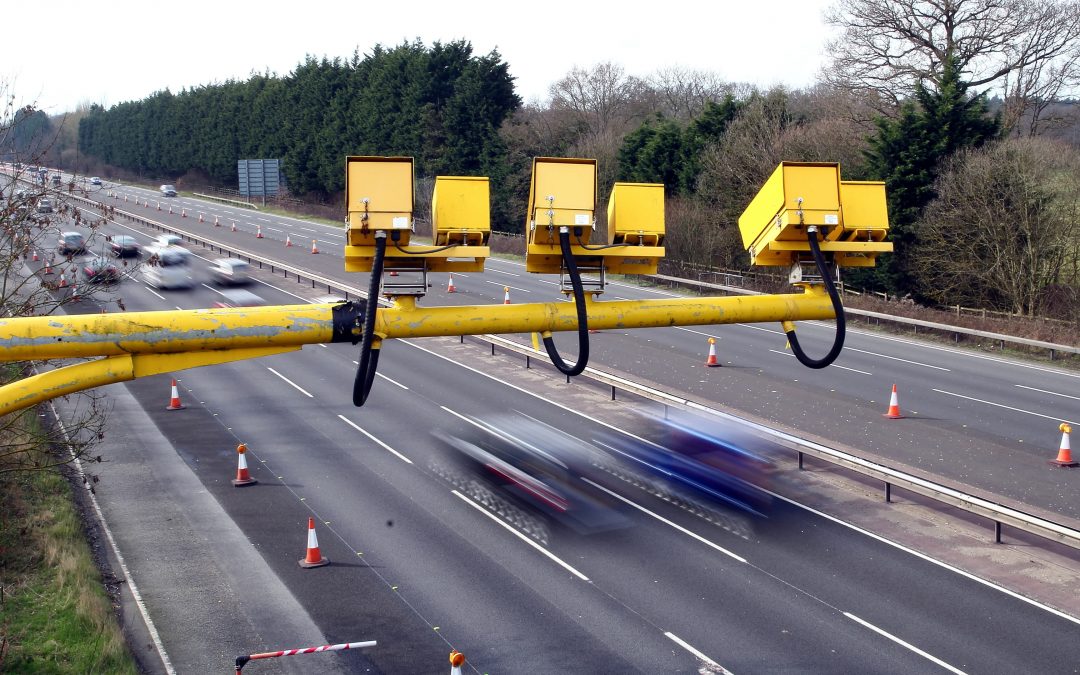
speed camera

Is this shift in responsibility a good idea?

Even at this early stage, there are concerns about the rolling out of these automated vehicles, and the report has faced opposition from the public: ‘Eventually, someone will be killed or seriously injured by an AV (automated vehicle). The victim will be a real person – their picture will appear in the media, inspiring considerable sympathy. In these circumstances, developers, regulators and politicians will need to make a case for AVs, producing figures showing an overall decline in injury rates.

The report also admits that: ‘This may not be an easy sell. Robust data will be needed.’

In 2018, the National Transport Commission (NTC), suggested that automated vehicles may need to be accompanied by an Automated Driving System Entity (ADSE) as part of a safety reassurance system. This would involve having a separate legal entity who would have to apply for authorisation for use and who could be liable for sanction in the case of any wrongdoing. This is not addressed in the new report.

However, in reinforcing the benefits of AVs, The Law Commission explains that there are 4.5 million motoring offences committed each year on Britain’s roads. With the introduction of AVs, these would become ‘regulatory matters.’ Instead, incidents would be resolved by a safety watchdog with the vehicle manufacturer.

In reinforcing the benefits of AVs and this shift in responsibilities, the report said: ‘Automated vehicles should be considerably more law-abiding, so much of this enforcement may no longer be necessary.’

It still stands, however, that a ‘user-in-charge’ will have to be ‘qualified and fit to drive’ under these new plans, and it will remain a crime to not have a licence or be unfit to drive through drink and drugs.

Transport Minister, Rachel Maclean, has spoken out to support this shift in responsibility. With several self-driving cars already being tested on UK roads with safety officers on board, she said: ‘The UK is leading the way on the regulation of this technology, supporting innovation and putting safety at the heart of everything we do.’

Would you feel comfortable handing responsibility over to your vehicle? Is this liability shift asking for trouble?

Tell us in the comments.

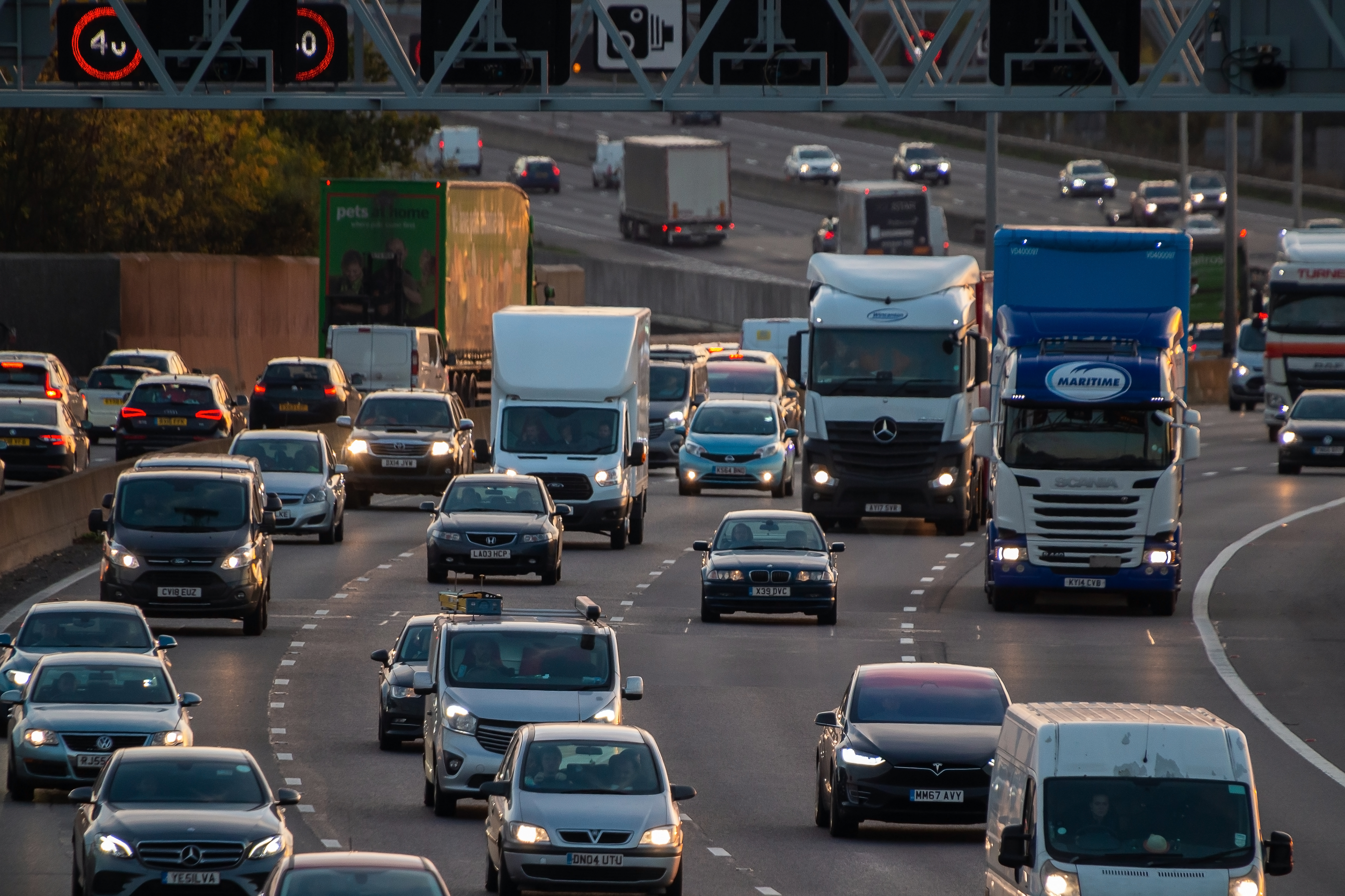
New cameras catch 26,000 M1 tailgaters in just two months

New cameras catch 26,000 M1 tailgaters in just two months

Over the last two months, new roadside cameras have been trialled on the M1 in Northamptonshire, designed to catch and warn tailgaters about their dangerous driving habits.

Since October, 26,000 tailgating drivers have been identified, equivalent to 419 per day. These were drivers of any trucks, vans and cars that were deemed to be to be deliberately flouting the Highway Code’s two-second minimum gap.

It has even been reported that of the total, 3,700 drivers were repeat-offenders, tailgating up to 12 times.

The new cameras, developed by Aecom, were installed along a 150 metre stretch of the M1 and operate in a very similar way to speed cameras. They identify and record number plate details that can then be used to issue warnings to offending drivers. In this case, the warning will be in the form of a letter.

The new technology also allows for readings of drivers’ distance-keeping to be recorded to determine whether the tailgating is accidental or deliberate. Only in the case of deliberate tailgating will warnings be issued.

Currently, Highways England is in the process of analysing whether or not these warning letters are having a positive impact on driver behaviour. If the results indicate this to be the case, the trial will be deemed successful, and the cameras will be rolled out across England.

Highways England wants to remind drivers of the consequences tailgating can have and said: ‘Tailgating is a factor in one in eight casualties on the strategic road network.’

It has also recently been reported that, according to new data from the Department for Transport, serious incidents caused by tailgating have soared to their highest level for at least seven years. Particular concerns about HGVs have been raised, with growing numbers of these vehicles tailgating on stretches of motorway where the speed limit is reduced to 50 or 60mph.

With this in mind, Highways England’s head of Road Safety, Jeremy Phillips, has said that these cameras have been put in place to ‘make drivers aware of their behaviour and encourage better driving.

He stated: ‘These new cameras have, sadly, highlighted just how many people are driving too close on our roads.’

While he understands ‘that most tailgating is unintentional by drivers who are simply unaware they are dangerously invading someone else’s space’, he also wants to reinforce just how dangerous tailgating can be.

‘Not leaving enough space between you and the vehicle in front can be very frightening and intimidating – it could also prove fatal.’

However, it is also important to say that while the new system does work in partnership with police, the organisation is not looking to persecute drivers. Instead, it intends to reinforce the message to leave a gap between vehicles.

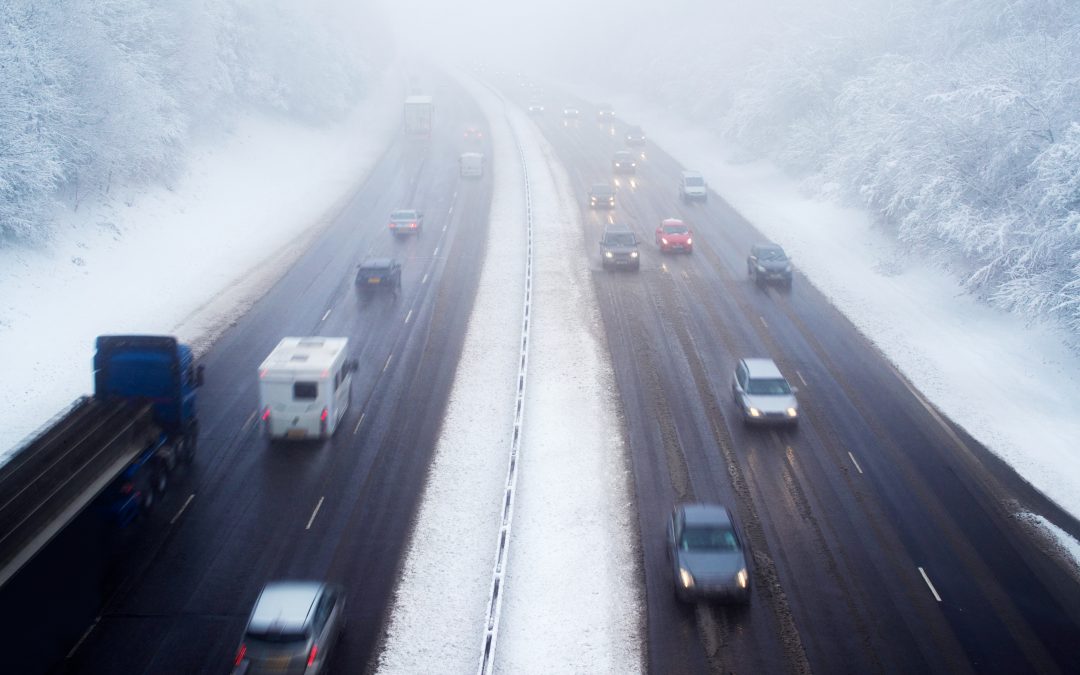
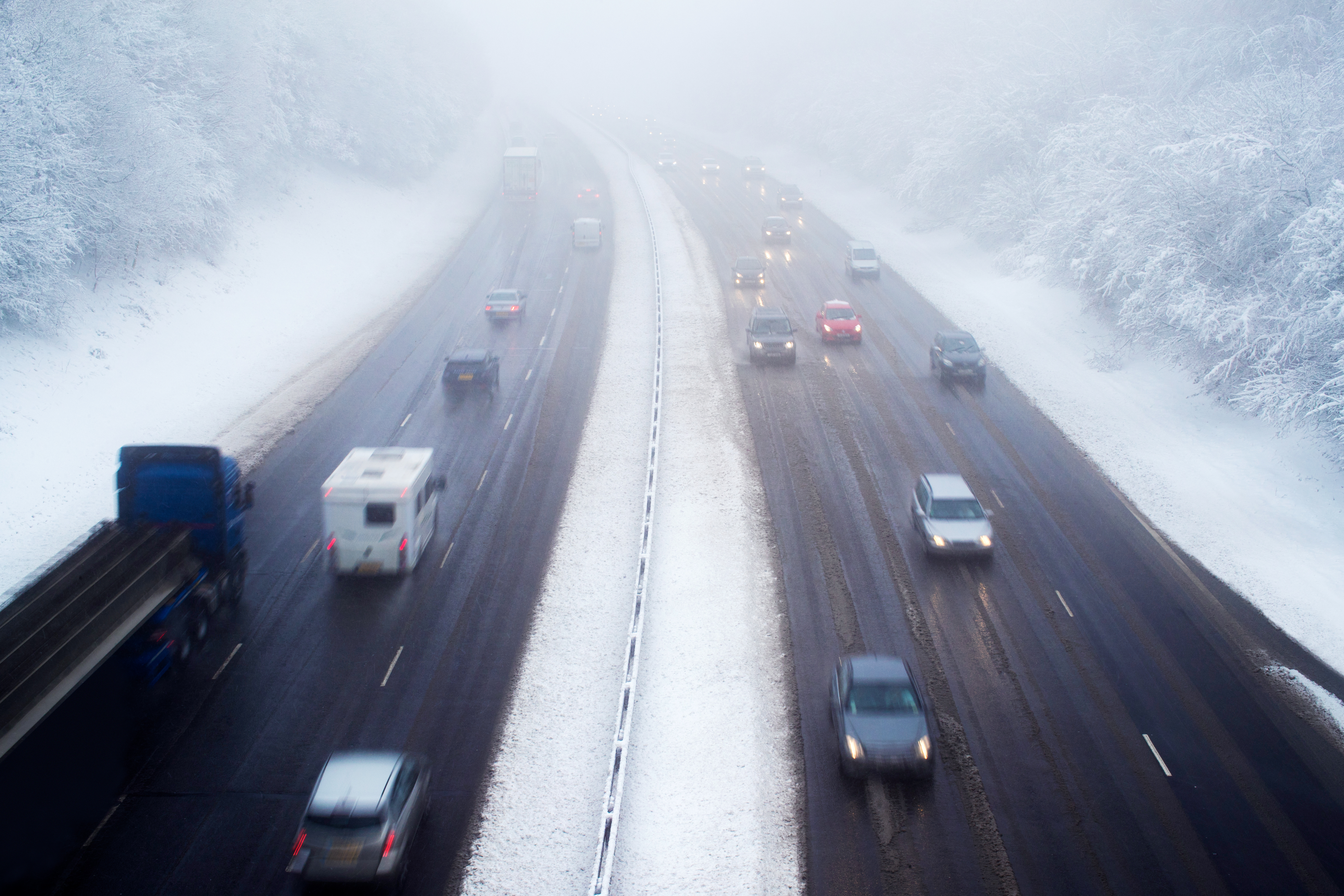
cars on the motorway

[Image source: Shutterstock, December 2020]

So, what is the two-second rule?

The Highway Code states that, at all times, drivers should maintain a two-second gap between themselves and the vehicle in front. In wet conditions, this should be doubled to four seconds.

The Driver and Vehicle Standard Agency’s Chief Driving Examiner, Lesley Young explains that ‘keeping a big enough stopping distance is crucial to staying safe, particularly in fast-moving traffic when you have less time to react. Always allow at least 2 seconds from the vehicle in front, and at least double in bad conditions.’

While the rule may appear simple, there are frequent and rising reports from motorway users of dangerous tailgating. One of these reports comes from Data and Intelligence Analyst for Highways England, Caroline Layton. In describing her experience of being the victim of hazardous tailgating, she said she feared she would be crushed by a lorry continually driving too close to her vehicle on the M27, near Southampton.

She expressed her distress to The Times, explaining ‘he came up really close, just a couple of metres behind. I thought I had to slow down because if it hit me at 50mph, I would be crushed. This was very intimidating behaviour and likely to cause a crash and serious injury.’

She concluded by warning: ‘if anyone had stopped in front of me, he would have gone into the back of my car and I would have been sandwiched in the middle.’

This experience, and many others like it, have forced Highways England to take action with the installation of these new cameras. They hope that, if this trial is successful, the cameras will be used nationwide to drive down dangerous tailgating behaviours on our roads.

Have you been the victim of dangerous tailgating? Do you think these new cameras will eliminate this potentially fatal behaviour?

Tell us in the comments.


Mercedes owner shocked to see car stripped apart by thieves

Mercedes owner shocked to see car stripped apart by thieves

A high value Mercedes car has been written off after professional thieves stripped the car of its doors, bonnet, boot, wheels and seats, whilst owners slept just meters away in their home.

In the morning the owner was stunned when he discovered that his 2018 C-Class AMG had been stripped bare for parts by thieves in a highly coordinated attack.

The car was fitted with a tracker to avoid theft, but all the wheels were missing and it was stood on bricks.

Owner of the vehicle, Mr Hampton commented to the Daily Mail: ‘When I stepped outside the front door, I just couldn’t believe what I was seeing. They hadn’t damaged any panels, it’s just been stripped bare.

‘These are professionals and appear to work in teams of five or six to cut the time down.

‘Each person has their own job. They didn’t just cut the wires in the doors, they unclipped the connectors to avoid damaging it. They’ve left the remaining parts in perfect condition.

‘They didn’t leave any fingerprints because they’d worn latex gloves and it probably didn’t take them long to get everything off as they’re not your average car thieves.

‘We’ve spoken to some mechanic friends and they believe they wanted the bumper and lights because there’s a sensor inside them which makes them worth £1,000.

‘They must have been disturbed before that happened though because they only managed to get the registration plates off. More could have been taken.

‘I normally have a cup of tea with my neighbour before going to work but this morning she’d woken up and rushed over.

‘She’d seen the car boot arms sticking in the air and thought she was seeing things so when she came outside she said she had a heart attack.

‘I went to bed like normal at 10pm but obviously by 4.30am this had been done. It’s because they’re so efficient.’

Police Car Mercedes

[Image: Source Shutterstock, December 2020]

The damage done to the vehicle was worth £14,000 leaving the car written off. This appears to be part of a growing trend towards stripping high value vehicles instead of stealing them outright and stripping later.

Mr Hampton continued: ‘This is my fifth Mercedes, I’ve had them for the last 15 years. I’ve never had anything like this happen before.

‘It almost puts me off getting another one. I’d be better just having a £500 banger on the drive for them to steal.

‘I just want people to be aware this is happening. I could have done things like put the car around the back of the house but I think they’d have still done what they did.

‘They didn’t take the car, which would have been better for me probably. It’s fitted with a tracker so we could have found it.

‘When you’ve never seen anything like this before, it really does come as a shock. Some people might not be able to take the shock that I saw yesterday morning.

‘These people just don’t care. They have got no feeling for anybody. Instead of getting a proper job like everyone else, they think it is quicker to steal.

West Midlands Police were approached for a comment but did not respond to the incident in question.

While we see Britain’s police occupy their time focused on Covid 19 and policing that, we see less and less police on the UK’s roads and thieves are becoming more and more brazen about what they can steal.

Are car thieves getting more confident now they think there are less police on the roads? Let us know in the comments below.
Next generation speed gun catches speeding drivers up to a mile away

Next generation speed gun catches speeding drivers up to a mile away

After its approval for use in the UK in June of this year, a ‘new generation’ speed gun is being rolled out to police forces across the nation.

This newer, more efficient model is the successor to the original and widely used TruCam device and, although both share the same basic features – integrated lasers and technologies to measure the time and distance between vehicles – this newer model boasts an extensive upgrade.

Named the TruCam II, this device not only has a digital video camera to collect and store video evidence for speeding but also has been given an auto-adjust feature for the focus, iris and shutter speed.

Dubbed as the ‘next generation’ of enforcement devices, the TruCam II can accurately identify a vehicle, make and model, and read a number plate from up to 1,500 metres away (0.9) miles. Drivers, however,  may be reassured to know that the device is calibrated to the 750-metre maximum distance limit set out by the government.

Laser Technology, Inc (LTI), the manufacturer of the TruCam II, has explained that while the device will be used predominantly for speed enforcement, it can also be used to catch tail-gaiting, distracted driving and even motorists who fail to wear a seatbelt.

It is the hope that this most advanced hand-held speed gun to date will make the process of punishing motorists less time-consuming for police and will aid in the endeavour to keep Britain’s roads safe.

With new technology installed, it eliminates the need for officers to stop motorists to issue fines by allowing any details captured to be uploaded directly to a database. This will then trigger the automatic issuing of penalty notices to the vehicle keeper’s address.

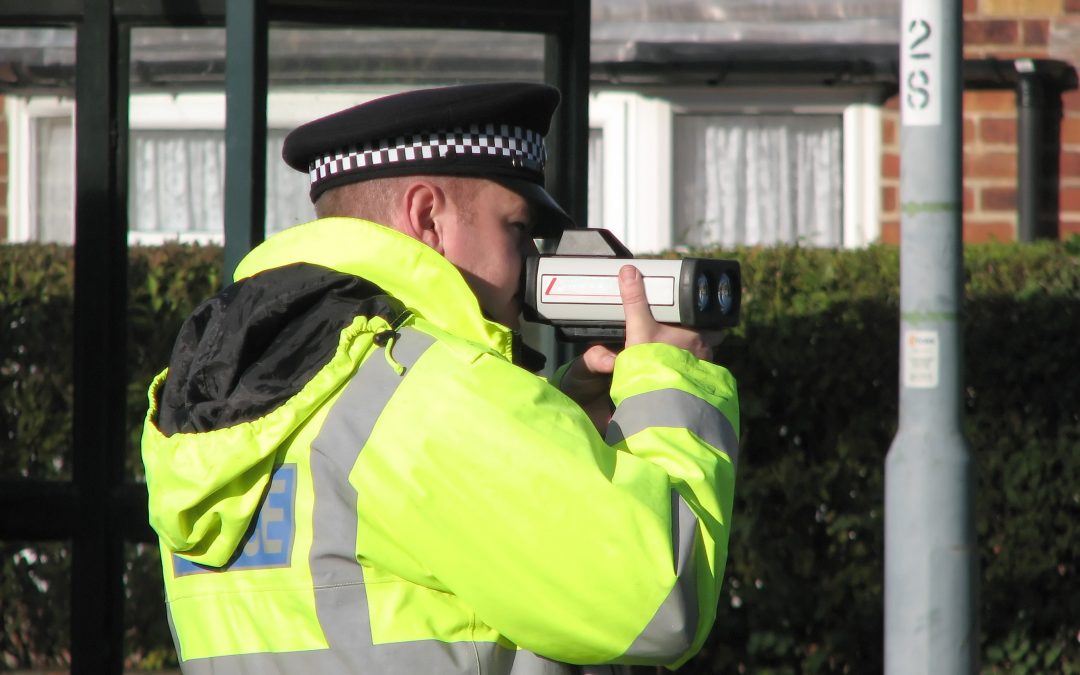
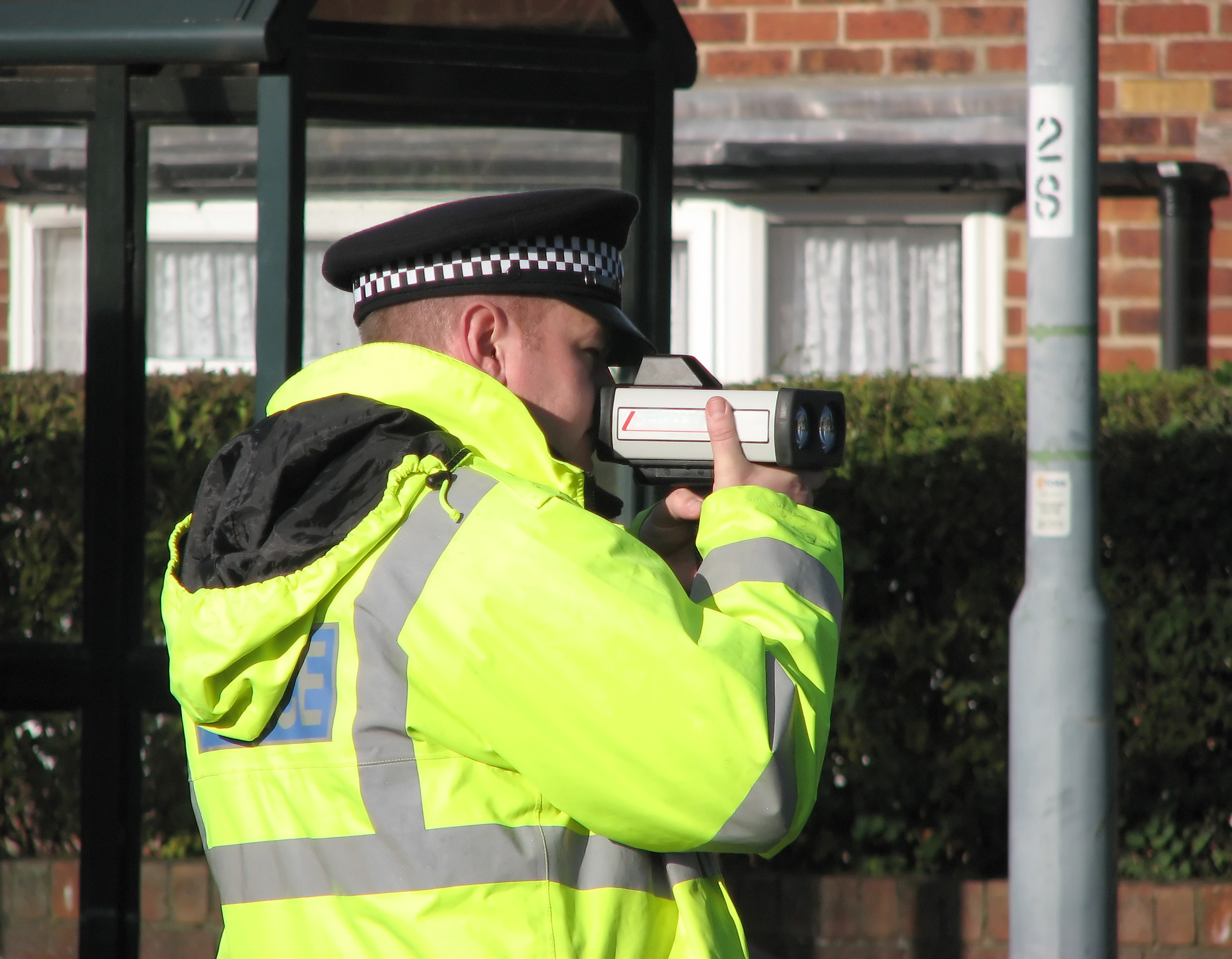
speed gun

[Image: Source Shutterstock, December 2020]

UK police forces already making use of TruCam II

Police Speed Enforcement Departments across the UK have this week confirmed that they are part-taking in the trialling of these new gadgets, with police forces in Northumbria and Warwickshire among some of the first to test them out.

Superintendent Helena Barron, head of Northumbria Police Operations department, has hope that these new cameras will support the Northumbria Safe Roads Initiative. She states that ‘these cameras are another tactic at our disposal to tackle motorists who are unwilling to follow the rules.’ She believes that they will make a significant improvement to the safety of the region’s roads.

Northumbria Police have also trained dedicated traffic Specialist Constables to support this initiative and to ensure that the implementation of these new cameras has a beneficial impact on road safety.

These new cameras, however, come with a high price tag, currently costing an average around £10,000 each. This does not appear to be a  deterrent though, with the Warwickshire police force announcing that they have spent £20, 000 of funding from the Road Safety Fund to acquire these new cameras.

In a statement this summer, the Warwickshire Police crime commissioner explained the reasoning behind their ramped-up efforts to deter drivers from speeding. He said ‘speeding makes it more difficult for a driver to maintain control of their vehicle and the police have my full support to enforce speed limits and take action against those who break the law as this will make Warwickshire’s roads safer for everyone.’

Inspector Jem Mountford went on to praise the TruCam II, explaining that ‘the new equipment is very portable, and this means officers can easily set up anti-speeding operations on hot spot routes identified by the force, with the added benefit that officers can be more mobile and responsive to changing demands.’

Their investment in the TruCam II comes after a concerning set of data collected from a two-week national speeding campaign conducted in May this year, where police in Warwickshire issued almost 3000 speeding tickets to irresponsible drivers. The highest speed recorded was 106 mph.

Inspector Kirsty Clough further commented, highlighting the severity of the situation with a harrowing set of recent statistics; ‘In Warwickshire, between 1st January 2017 and 31st December 2019, 92 people were killed and 669 seriously injured in collisions where speed or loss of control were recorded as a contributory factor.’

The rolling out of the TruCam II, Warwickshire Police believe, will help them to drive these numbers down.

Do you think this newest TruCam device will serve to improve the safety of our roads? Will you be more aware of your speed in light of the rolling out of these new speed guns?

Tell us in the comments.

Institute of Motor Industry letter reveals just 5% of mechanics are qualified to work on electric vehicles

Institute of Motor Industry letter reveals just 5% of mechanics are qualified to work on electric vehicles

In a letter penned to the Prime Minister, the Institute of the Motor Industry (IMI) has warned of the logistical challenges thrown up by the government plan to ban the sale of new petrol and diesel cars by 2030.

The letter states that currently, just one in twenty technicians working in garages and dealerships are certified to maintain and service battery-powered cars. Without the rolling out of training and funding, the IMI worries that the ban will not be possible.

Their concern comes after Boris Johnson last month announced the acceleration of the ban on sales of new petrol and diesel cars in order to meet his target of cutting emissions by 68% from levels seen in the 1990s. To achieve this, The Climate Change Committee states that ‘46% of UK car fleet must already have electric motors.’ An ambitious target that the IMI believes to be impossible without addressing issues like mechanic re-training.

While ministers strive for this ‘Green Industrial Revolution’, president and CEO of the IMI, Professor Jim Saker and Steve Nash, claim that there will not be enough trained mechanics to work on the increasing volume of electric cars.

They explain that, while Electricity at Work regulations are already in place, ‘to work on any vehicle that includes an electric battery requires a completely different set of skills to those needed to work on a petrol or diesel or vehicle.’ They go on to warn of ‘serious injury or death’ if these skills are not acquired adequately.

The demand for electric cars is rising, and government and industry initiatives like Go Ultra Low are striving to keep consumers informed about the benefits of EVs. With the promise of cheaper running and maintenance costs, fast, easy home charging experiences and cost per mile down by a quarter, consumers and manufacturers alike are keen to push for a quick transition.

However, in what should be a positive move towards reduced emissions, logistical barriers stand in the way. The IMI open letter states that ‘five per cent of the UK automotive workforce – between 13,000 and 20,000 – are working on around 380,000 plug-in cars and vans.’ An already top-heavy statistic that will continue to cause issue as the ban on petrol and diesel cars looms closer.

If the government wants consumers to continue their inspired purchase of electric cars, the motor body suggests, they must know that they can access fully-trained technicians when necessary. Otherwise, concerns such as these will only add to the uncertainty of a future in electric vehicles.

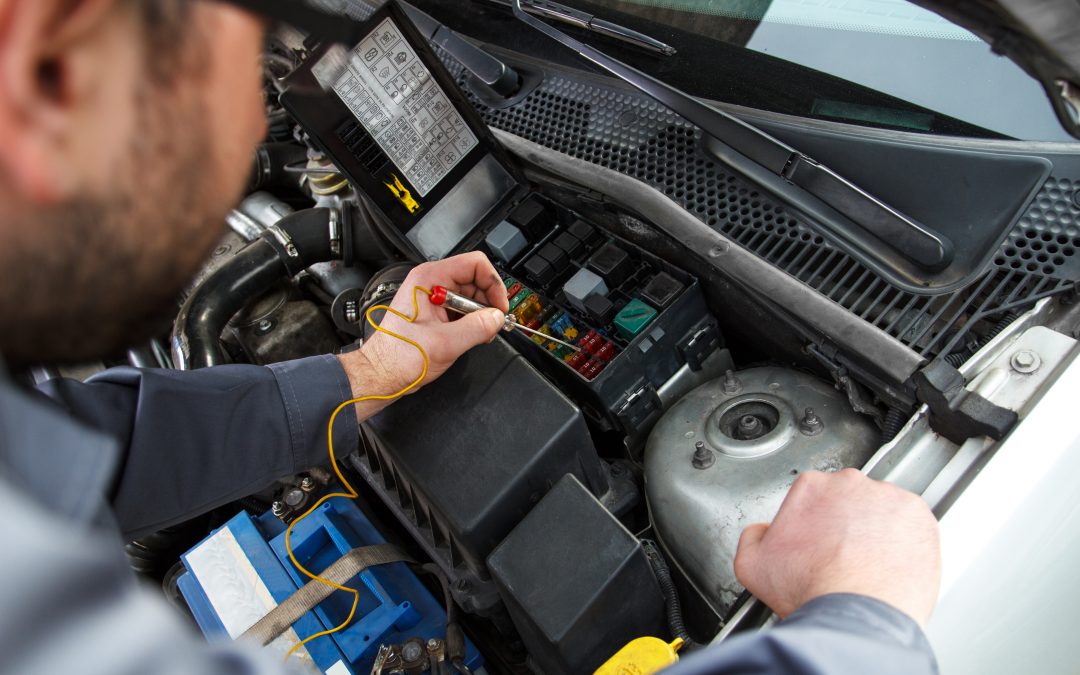
Motor Industry

[Source; Shutterstock, December 2020]

Net Zero Target in Jeopardy

Government auditors, too, have warned that ministers have overlooked logistical challenges in converting the nation’s vehicle fleet, claiming that they have no idea how much it will cost to meet Britain’s overall goal of becoming ‘net zero’ and have been too ambitious in their time-frames.

When considering time-frames, we must also consider external factors like Covid-19, the letter implies. Lockdowns have served to slow the process of specialist electric-vehicle training for mechanics. Before disruptions to training, it seems the sector may have been on track to cope with increasing demands. However, with training all over the country halted, ‘Q2 certification numbers were down 85% compared to the same period in 2019’, making it near impossible for the sector to catch up.

‘The automotive workforce is already behind in the skills required for these emerging technologies – through no fault of their own’ the letter says, before going on to state that ’employers need support and incentives to get more of their technicians trained, and to re-ignite recruitment and apprenticeship plans.’

The letter comes just 24 hours before battery-powered cars, new and old, can display number plates with a green panel that distinguishes them from other vehicles, serving as yet another reminder of this rapidly accelerating transition.

Without immediate attention paid to these issues, the IMI warns that ‘the plan will be compromised and – much more important – the UK won’t meet its net-zero target, and we’ll imperil our next generation’s future.’

They conclude by acknowledging that ‘electric is the right choice – for the environment, for jobs and for our children’s futures’ but that important milestones like the 2030 petrol and diesel ban will not be met without efforts to adequately support, fund and train the after-sales industry.

What are your thoughts on a petrol and diesel ban by 2030? How many mechanics need to be trained to repair electric cars to ensure half of all cars can be serviced?

 Tell us in the comments below.

AA expects only 50% of normal traffic for drive back home for Christmas

AA expects only 50% of normal traffic for drive back home for Christmas

The AA expects UK roads to be much quieter this Christmas as far less people intend to visit their families and stay isolated at home.

This is despite the five days of freedom to allow families to get together to celebrate, a poll from the motoring group claims, which measures traffic levels and predicts journey volumes.

They estimate just 24 per cent of drivers are planning a trip in their car between 18 December and 4 January, which equates to 7.9 million drivers.

But last year, around 17million people hit the road over the same period, or more than double that figure.

The survey was conducted by the AA and was completed by 16,486 licence holders in November 2020.

Nearly half of all drivers said they are not planning a car journey over the festive season at all, including New Year’s Eve.

However, 29 per cent said they were undecided and may head out onto the roads for the festive days of freedom from tiered restrictions, operating from 23 to 27 December.

Others said they will wait to see how any changes to tiers will be reviewed on 16 December and the impact on them and their proposed bubbles before making a final decision about travelling to spend the festive season with friends and family.

For the 24 per cent of drivers who said they are planning a journey by car over the five-day restriction break for Christmas, almost half will be travelling on Christmas Eve, the busiest day on the roads this month.

Car journeys estimated to take place during five-day Covid tier restriction break

  • 23 December: 3.5 million
  • 24 December: 3.8 million
  • 25 December: 3.2 million
  • 26 December: 3.1 million
  • 27 December: 2.6 million

Source: AA poll of 16,486 drivers

Based on the poll’s findings, some 3.8 million journeys are expected to be made on 24 December, but this is still more than 50% down on normal years.

Across the five-day Christmas exemption from the tiered system, a total of 16.1 million journeys will be made by those who are planning to drive for return or multiple trips.

The AA has predicted that Saturday 19 December will be the busiest day for shopping traffic, with a fifth of drivers estimated to hit the high street to get their final items for Christmas dinner and gifts for loved ones.

However, the motoring group’s traffic division say congestion could level out for those in lower-tier areas, or if more people take the chance to pick up last-minute gifts when restrictions lift on 23 December.

AA petrol

[Image: Source Shutterstock, December 2020]

Ensure vehicle is safe for the winter

The AA has also warned drivers to take extra care to check their vehicles are in working order, given that many would have used their cars far less than usual this year due to the pandemic and many working from home.

Vehicles have been left parked for much longer and there may be some problems that are not apparent until you are on your way, so making sure you run some checks in advance is crucial.

Ben Sheridan, AA Patrol of the Year, suggested: ‘A few basic checks can help avoid a Christmas breakdown; this includes ensuring you have enough fuel, and all the lights are working, checking the engine oil level and topping up the windscreen washer fluid and anti-freeze.

‘Crucially, check the tyre condition, pressures and tread depth for winter driving.

‘Before starting the car, make sure there’s nothing nesting under the bonnet which might have caused damage to pipes or hoses.

‘If your car has been standing unused for a long time, it’s a good idea to arrange a full service once you’re ready to use it again.’

Police have also advised that they will be on the lookout as ever for those who will try and take advantage of less busy roads with speeding, in addition to the festive drink drivers that often create problems during this period.

 Are you planning to drive to see family for Christmas and are you prepared for snow? Is the UK good at winter driving preparation?

 Let us know in the comments below.
Parking spaces fail to cater to ever-growing vehicles as dimensions stay stuck in the 1970s

Parking spaces fail to cater to ever-growing vehicles as dimensions stay stuck in the 1970s

Since the 1970s, car parking spaces have generally stuck to the dimensions suggested by the Institute of Structural Engineers; 8 feet (2.4m) wide by 16 feet (4.8m) long. While these dimensions may have been appropriate once, modern cars are consistently increasing in size, meaning that these small spaces are becoming less viable by the year.

Director of Operations at Accident Exchange, Scott Hamilton-Cooper, sums the issue up by stating that drivers are ‘having to squeeze increasingly large cars into spaces that generally haven’t got any larger for a very long time.’

In fact, studies found that there are now 129 vehicle models that exceed the dimensions of a standard parking bay, including family cars like the Ford Mondeo, Audi A6 and Volvo XC90. Specifically designed to provide families more room, the issue with available space now lies externally with small parking bays, rather than the vehicle itself.

Research shows that larger cars, such as the Range Rover, now take up almost 90% of a regularly sized parking bay, leaving drivers and passengers just 21cm to exit their vehicle. Range Rovers also overhang regular parking bays by 20cm, leaving them vulnerable to scrapes and bumps. Even cars well-known for being compact in size, like the Fiat 500, have increased in size by a massive 47% since the 1970s model.

With an increased need for stricter safety standards, larger crumple zones and reinforcements, it was inevitable that cars would continue to increase in size, which poses the question, why have car parking spaces failed to evolve similarly?

The answer is simple; capacity. While councils and car park operators have the freedom to resize their own bay measures if they wish, many avoid doing this as introducing bigger parking spaces reduces parking capacity overall. With a focus on maximising visitor volume and revenues as much as possible, it is easy to see why there is little incentive to exceed the suggested parking bay dimensions.

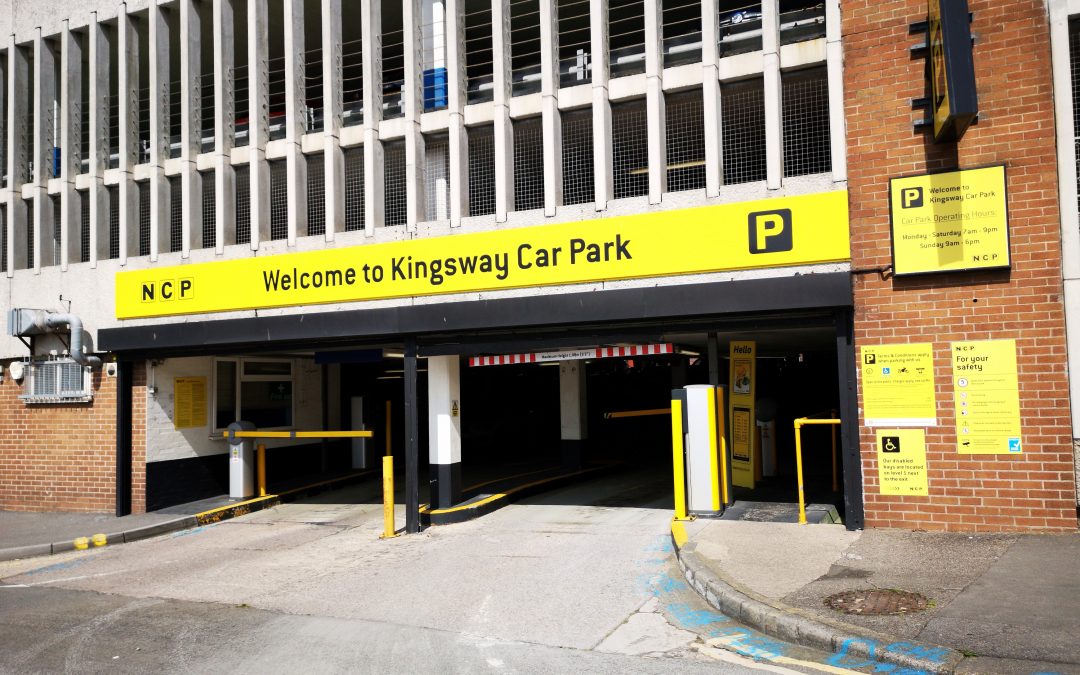
Some NCP car parks, however, have trialled the installation of a number of larger parking spaces in an attempt to reduce the parking space struggle for motorists. Disappointingly, they found that this had a negative knock-on effect on the number of parking spaces available, meaning that parking was still inefficient.

With endeavours to solve the issue with parking bay measurements failing, other problems are beginning to arise.

A study by Accident Exchange claims that parking incidents now account for a worrying 30% of accidents, while over 675,000 parking collisions are now registered every year at huge costs to insurance companies (almost £1.5 billion).

Similarly, when AA polled its members, findings revealed that 43% said they’d had a dent or scratch caused by someone else in a car park.

Parking spaces

[Image: Shutterstock, December 2020]

Small Car Park Spaces

Accidents do happen, but a recent study by Halfords showed that while ‘the majority of drivers blamed their scratches on inconsiderate drivers parking too close’, their research concluded that actually ‘the size of the parking spaces left them little choice.’

Their research also found that for each dent or scratch, drivers have to fork out a minimum of £50 in repairs or risk having the value of their vehicle reduced drastically by hundreds of pounds. Car doors were most likely to be damaged, closely followed by bumpers and wing mirrors.

It was also interestingly revealed by Halfords that supermarket car parks were by far worst culprits for small parking spaces, with up to 38% deemed as being too small for most vehicles, particularly when taking into consideration extra space for loading shopping.

And, it’s not just damage to cars that is being caused by small parking spaces. Drivers have also reported sustaining injuries from having to squeeze in and out of cars crammed into tiny parking spaces, with muscle strains and back injuries being the most common complaints.

Although more and more cars are being fitted with parking sensors and cameras, making parking easier, most drivers are still having to deal with the everyday frustrations and anxieties linked to small parking spaces and larger cars. From being unable to find a suitable parking space, to having to fork out for parking-related repairs, or even sustaining parking-related injuries, it is clear that parking spaces designed in the 1970s are no longer sufficient for our ever-growing vehicles.

 What are your thoughts on parking spaces stuck in the 1970s? Has your car been damaged as a result of unviable parking space dimensions?

 Let us know in the comments.

Hybrids are fake electric cars and pollute more than electric cars claims report

Hybrids are fake electric cars and pollute more than electric cars claims report

According to a report by Emissions Analytics, plug-in hybrid cars are worse for the environment than drivers are being led to believe, with some spewing out up to 12 times their claimed carbon dioxide emissions. Plug-in hybrid electric vehicles (i.e. PHEVs) have been hugely popular of late, as they enable drivers to dip their toe in the water with EV but avoid problems with range anxiety that pure EV’s provide. In fact, in many cases, PHEV vehicles claim MPG rates higher than petrol or diesel vehicles because they combine EV fuel efficiency at low speed with petrol and diesel efficiency at higher speeds. However, the report found that even when vehicles have their batteries fully charged and used in the optimum conditions, they can emit up to 89 per cent more CO2 than claimed. A few weeks ago, Boris Johnson unveiled his Green Industrial Revolution plan, headlined by a sales ban for new petrol and diesel cars from 2030. However, PHEVs are likely to not be banned until 2035 according to the latest guidance. British firm Emissions Analytics ran the PHEV tests on behalf of campaign group, Transport & Environment (T&E). They reviewed the BMW X5 45e, which costs from £66,451, the £50,695 Volvo X60 Recharge and the extremely popular £35,815 Mitsubishi Outlander PHEV. When driven under normal road conditions with a full EV battery, the PHEVs emitted between 28 and 89 per cent more CO2 than they car makers claim. And when driven with an empty battery and therefore reliant on their petrol engines, they emitted three to eight times more than official values. And in battery-charging mode, with the combustion engine and regenerative braking system helping to replenish the batteries, the PHEVs emitted three to 12 times more CO2 than officially stated.
Hybrid Cars
[Source: Shutterstock, November 2020]

PHEV and EVs as company cars

Plug-in hybrids have become very popular among businesses and company car drivers because they provide significant tax breaks compared to a conventional petrol or diesel car. Over 50,000 PHEVs have been registered in the UK so far in 2020, with sales up to the end of October showing a year-on-year increase in demand of 91.5 per cent. However, user studies found that many drivers are not using them in the most efficient way. Owners are failing to plug the vehicles into the mains or dedicated electric vehicle chargers to replenish the batteries and are instead relying on the combustion engine for most journeys and when they so this make them bigger polluters than normal petrol vehicles. This also makes plug-in hybrids less economical as the combustion engine has the added burden of shifting heavy battery packs, which in turn burns more fuel than conventional cars. However, this study highlights that governments should not only end the availability of PHEVs sooner than planned but also remove generous tax breaks for plug-in hybrids that, it says, are ‘fuelling another emissions scandal’. Julia Poliscanova, senior director for clean vehicles at T&E, said: ‘Plug-in hybrids are fake electric cars, built for lab tests and tax breaks, not real driving. ‘Our tests show that even in optimal conditions, with a full battery, the cars pollute more than advertised. ‘Unless you drive them softly, carbon emissions can go off the charts. Governments should stop subsidising these cars with billions in taxpayers’ money. Plug-in hybrids are fake electric cars, built for lab tests and tax breaks, not real driving.’ In the study, Emissions Analytics found that once the battery is flat, the three plug-in hybrids can only drive between 7 and 14 miles using the petrol engine before they overshoot their official CO2 emissions. ‘This is contrary to the misleading carmaker narrative that PHEVs on sale today are suited for long journeys,’ says T&E. ‘In fact, they have to be charged much more frequently than battery electric cars, which can cover around 186 miles on a single charge,’ it adds. While carmakers blame customers for using the engine too much, the PHEV models on sale today often lack the necessary EV power, range or charging speed, the report highlighted. The investigation found that two of the three cars analysed – the BMW X5 and Volvo XC60 – cannot fast charge. The Mitsubishi Outlander’s manual also states that the petrol engine may start if the PHEV system is too hot or too cold, if quick acceleration is applied, or if the air conditioning is operating – all of which are very likely scenarios. Julia Poliscanova concluded: ‘Car makers blame drivers for plug-in hybrids’ high emissions. But the truth is that most PHEVs are just not well made. They have weak electric motors, big, polluting engines, and usually can’t fast charge. Selling plug-in hybrids makes it easier for carmakers to meet their EU car CO2 targets as PHEVs are currently given additional credits. T&E said the EU should end this weakening of the regulation when it reviews the targets for 2025 and 2030 next year.

Industry and Car Makers Respond

Mike Hawes, SMMT chief executive, said: ‘There will always be a difference between lab tests and real-world use, but the internationally regulated WLTP and RDE tests prove that plug-in hybrids deliver substantial emission reductions compared to pure petrol or diesel equivalents. ‘PHEVs provide flexibility, with the ability to drive in zero emission mode for typically 25 to 40 miles – more than ample given that 94 per cent of UK car journeys are less than 25 miles. ‘This makes PHEVs perfect for urban commutes while avoiding “range anxiety” over longer journeys, reducing emissions and improving air quality. ‘We can’t comment on unverified, unregulated tests by commercial entities, but even these have found that PHEVs emit at least 25 to 45 per cent less CO2 than their pure ICE [Internal Combustion Engine] counterparts, and of course, they emit 100 per cent less when driven in battery mode.’ Volvo, BMW and Mitsubishi were asked to comment on the report and all doubted the reliability and accuracy of the tests and stated that their labs tests were ‘independently verified and confirmed by leading industry experts’, and questioned the accuracy and veracity of T&E’s claims. Are you surprised that hybrid vehicles are not only less fuel efficient, but also bigger polluters than normal petrol and diesel vehicles? Do you trust the study by T&E or the car makers?  Let us know in the comments below.
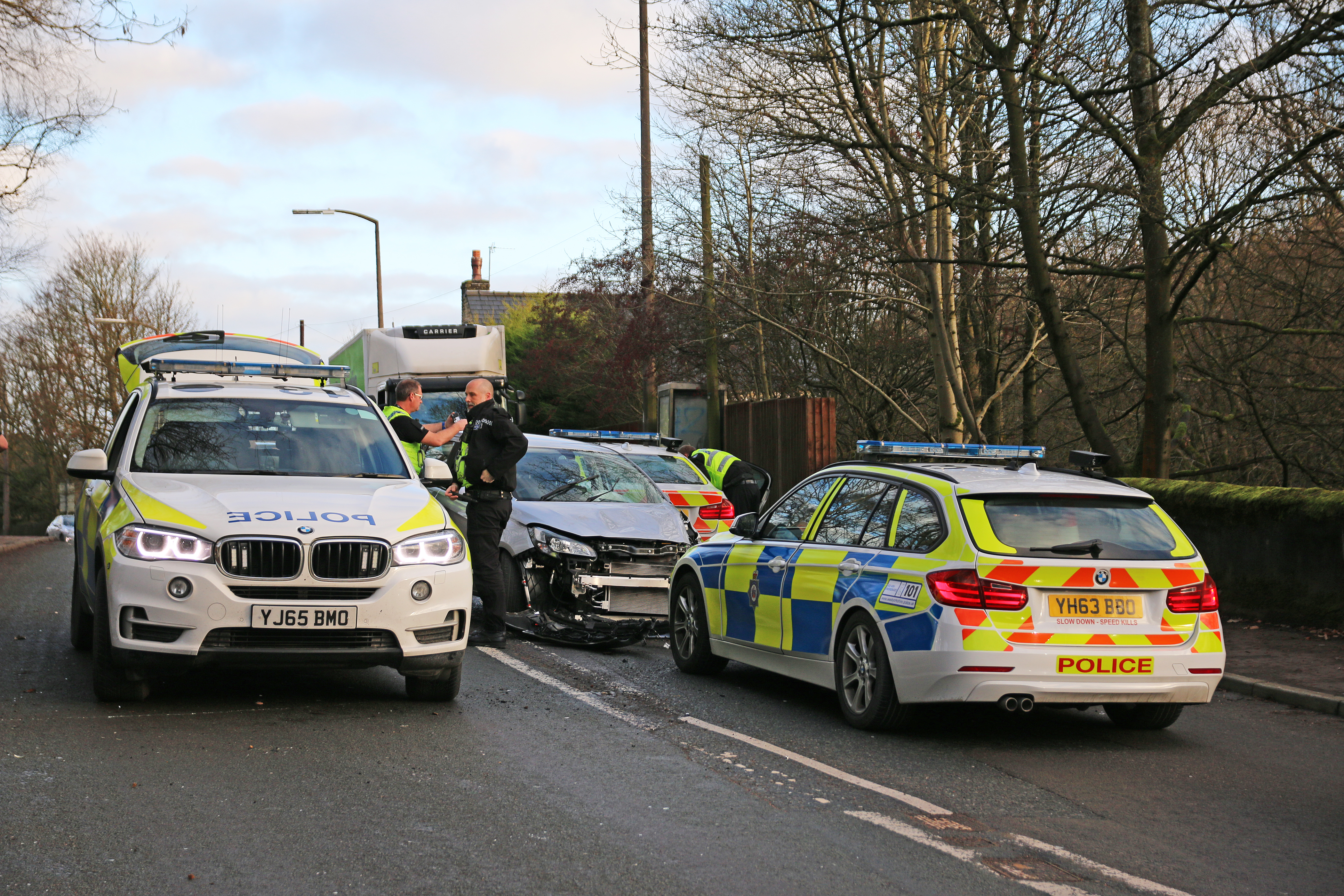
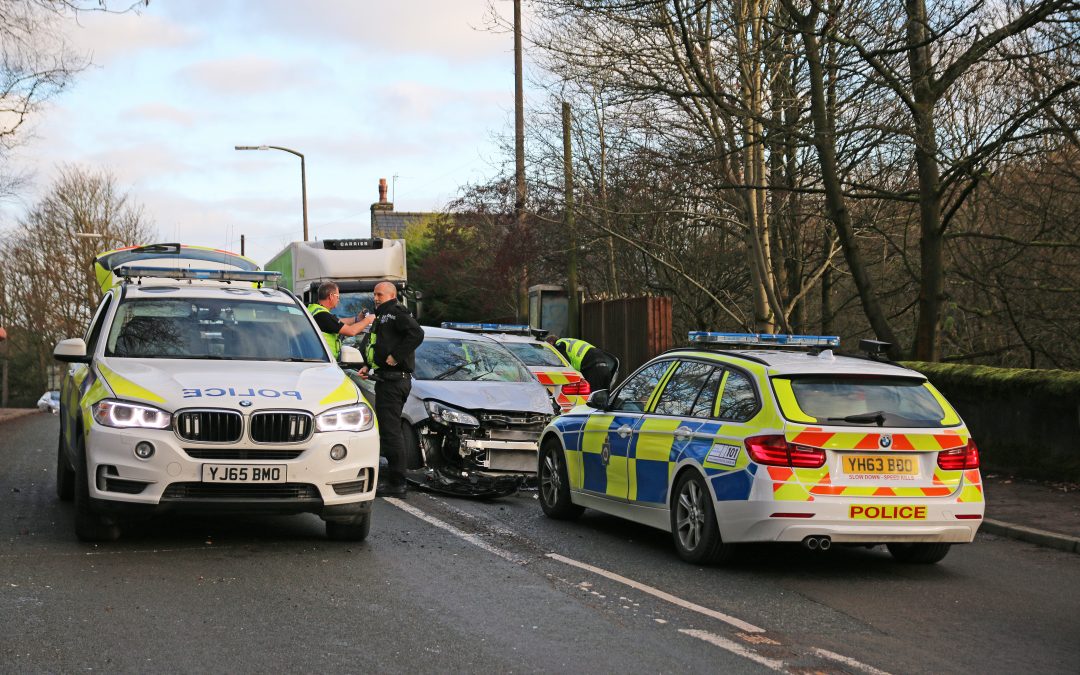
Speeding up by 7% during first lockdown claims Department of Transport

Speeding up by 7% during first lockdown claims Department of Transport

According to data from the Department for Transport’s speed compliance statistics for January to June 2020, it found evidence of an increase in motorists breaking speed limits from mid-March, just as the lockdown was put in place.

The statistics found that 30mph zones were the most frequently exceeded by drivers, rising to 63 per cent during the lockdown compared to 56 per cent over the same period in 2019.

UK traffic levels during the first restrictions fell to as low as 25 per cent of the normal as people were forced to stay home or walk and cycle more often to get around.

MPs, councils, and police reported a growing number of excessive speeding cases. In June, traffic officers caught eight drivers doing more than 130mph and a Porsche doing 163 mph.

On social media a driver was also pursued by the police after posting a video of his Audi reaching 200mph in Kent.

The speed data is compiled using Automatic Traffic Counters put in place across the country by the department.

Exceeding the speed limit by 10mph went up from 13 per cent to 15 per cent on motorways, one per cent to three per cent on single carriageway roads and six per cent to eight per cent on 30mph roads,

Once the lockdown started to relax, breaking the speed limits returned to normal levels even though there was still much less traffic on the road, as if the speeders were looking out for the Police again.

Speeding up

[Image: Shutterstock, Nov 2020]

AA & RAC concerned by speeding

Head of AA Roads Policy Jack Cousens said the DfT’s published figures were ‘worrying’.

‘Of great concern was the increase on 30mph roads, given there were more pedestrians and cyclists exercising or avoiding public transport during the first lockdown’.

However, Mr Cousens say that despite some high-profile law breakers, UK roads did not turn into racetracks during the lockdown as described by some figures.

‘Early in the lockdown, there were incidents of extreme speed on motorways, main roads and even residential streets, particularly around London, as offenders thought the police would be busy enforcing the lockdown.

‘However, through a series of high-profile “arrests” and social media, the police made it clear they were still on the case and that extreme speeders would be targeted. Additionally, and carrying on through the second lockdown, rural police forces have had to crack down on speeding along quieter country roads and villages.’

RAC’s head of roads policy Nicholas Lyes told ThisisMoney that ‘lower traffic volumes sadly led to some shocking levels of speed limit disobedience, particularly on 30mph limit roads. This is dangerous behaviour unnecessarily put lives at risk during the first national lockdown when more people were walking and cycling.

‘Empty roads should not be an excuse to drive dangerously and it would be frightening to think one of the legacies of the lockdown is a complete disregard for speed limits and other road users’ safety.’

As we are into the second lockdown, there is a feeling that we may see a repeat of the speeding behaviour as drivers think the police are busy handling Covid 19 problems. There is an argument to say that in the absence of police, other drivers should make sure they report these speed demons to prevent it becoming a regular occurrence.

Do you think that speeding during lockdowns should be punished more harshly? Would you record and then report someone speeding?

 Let us know in the comments below.