Third of UK drivers cannot afford to buy even the cheapest electric car says CEBR

Third of UK drivers cannot afford to buy even the cheapest electric car says CEBR

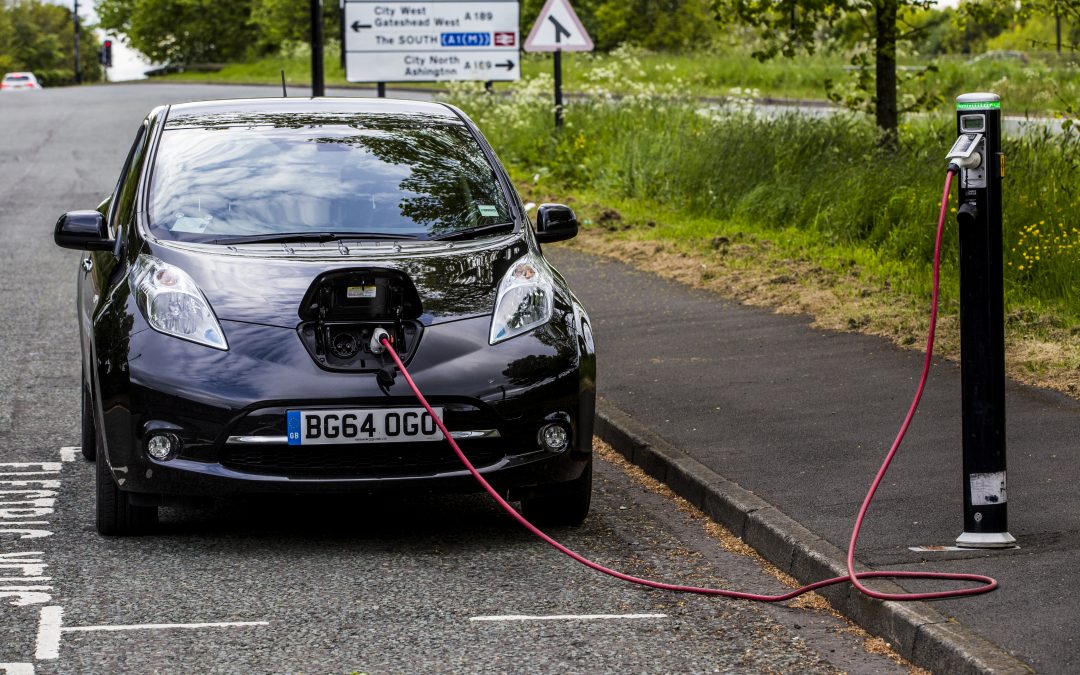
One in three motorists cannot afford to buy and then maintain even the cheapest electric car, according to the economic research group CEBR.

That number equates to ten million households, that cannot afford to buy the cheapest electric car. If you do a quick search on Autotrader, the cheapest is a used 2014 Renault Zoe for £4,895 on a battery lease.

And middle-earning households will also struggle to pay for one of the cheapest leased electric vehicles – which is the £170-a-month Skoda Citigo.

The Centre for Economics and Business Research (CEBR) carried out the research and they showed that drivers need to be spending around £2,100 a year on their current car, including fuel, to afford an electric vehicle.

But low-income households that spend £1,800 or less could afford a plug-in car at a squeeze, but those who spend around £1,400 or less a year will have difficult, which is one third of all drivers on the roads.

CEBR economists said the research proves that ‘access to an electric vehicle is a pipe dream for a third of the population’.

The findings are a bit of a blow to the Government plans to ban sales of new petrol and diesel cars by 2030. Motor groups have described the £12billion plan as ‘incredibly ambitious’ when plug-ins account for just 0.3 per cent of vehicles.
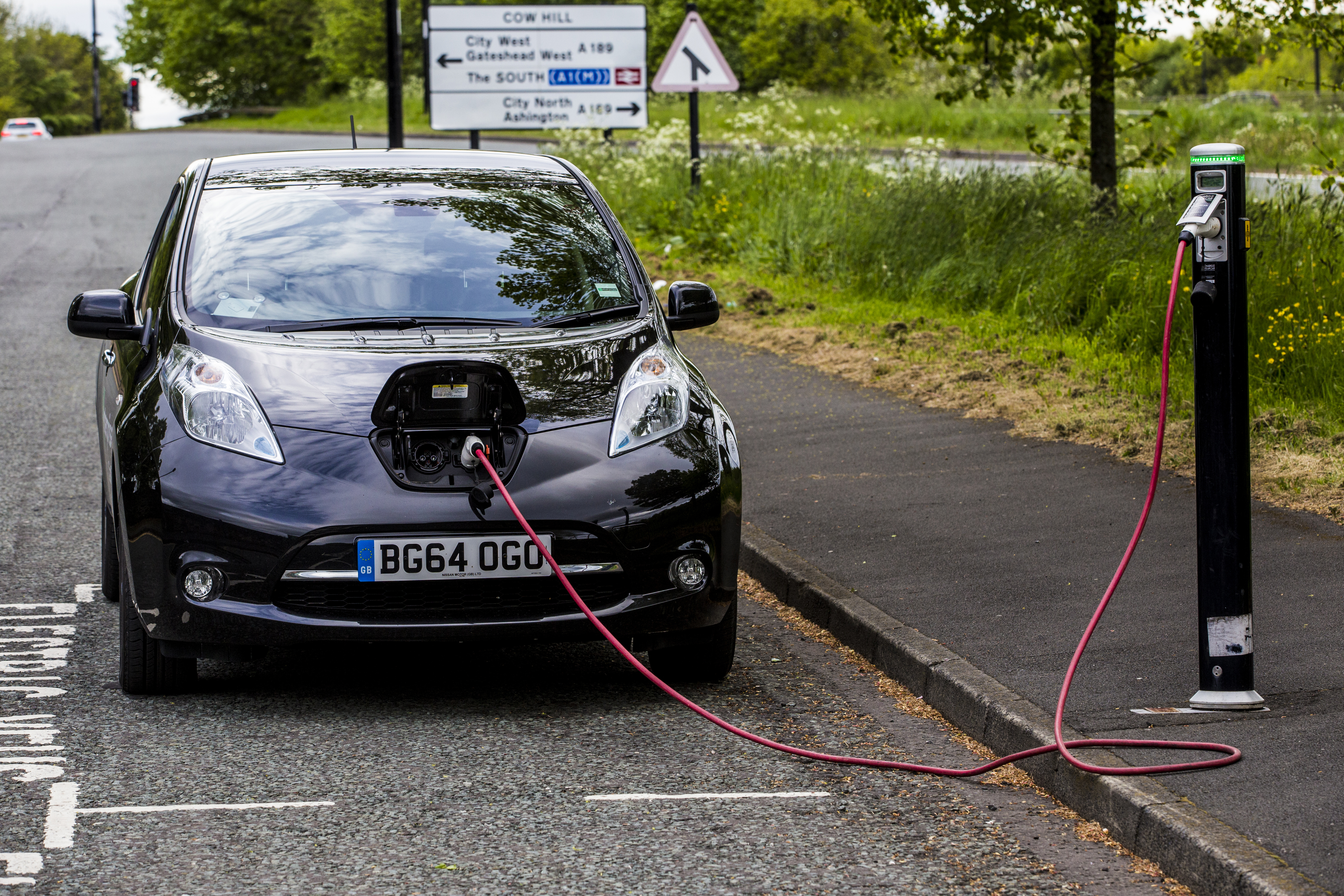
electric cars

[Image: Source Shutterstock, Nov 2020]

High up-front costs and a lack of road chargers have been blamed for stagnating demand; plus, new entry-level electric vehicles are around £5,000 more expensive than equivalent diesel or petrol fuel models.

There is also the hidden cost of servicing and repairs, which is higher for electric cars, and many people rely on the car maker garages because independent mechanics rarely fix electric cars from a range of brands, so costs are usually higher.

Although electric cars have a higher up-front cost, the average lifetime running expense – including purchase – is £52,100, against £53,600 for petrol.

One in six English councils has failed to install chargers on residential roads, even though 2.8million will be needed in the next 10 years.

Howard Cox, founder of the lobby group FairFuelUK, said the plans risk ‘demonising’ petrol and diesel drivers unable to afford the switch to electric. Has the Government asked low income households, families and hard-pressed small businesses if they have signed up to their inequitable green revolution?’

 Do you think the Government’s plan to ban new petrol and diesel cars by 2030 was a bit too early? When are you going to go electric, or will you wait for hydrogen cell vehicles?

 Let us know in the comments below.
Top paramedic warns, new cycle lanes are slowing ambulances down in traffic jams

Top paramedic warns, new cycle lanes are slowing ambulances down in traffic jams

Unless you are a real petrolhead, almost everyone agrees that it is a good idea to reduce the number of journeys by fossil fuel vehicles, which helps reduce road pollution and associated deaths caused by road pollution.

The Government and local councils have thrown everything behind imposing cycle lanes and traffic calming measures on to residents, under the cover of the pandemic, without any consultations or considering alternative measures, such as incentives to not drive, car sharing, park and ride schemes and better electric powered pubic transport.

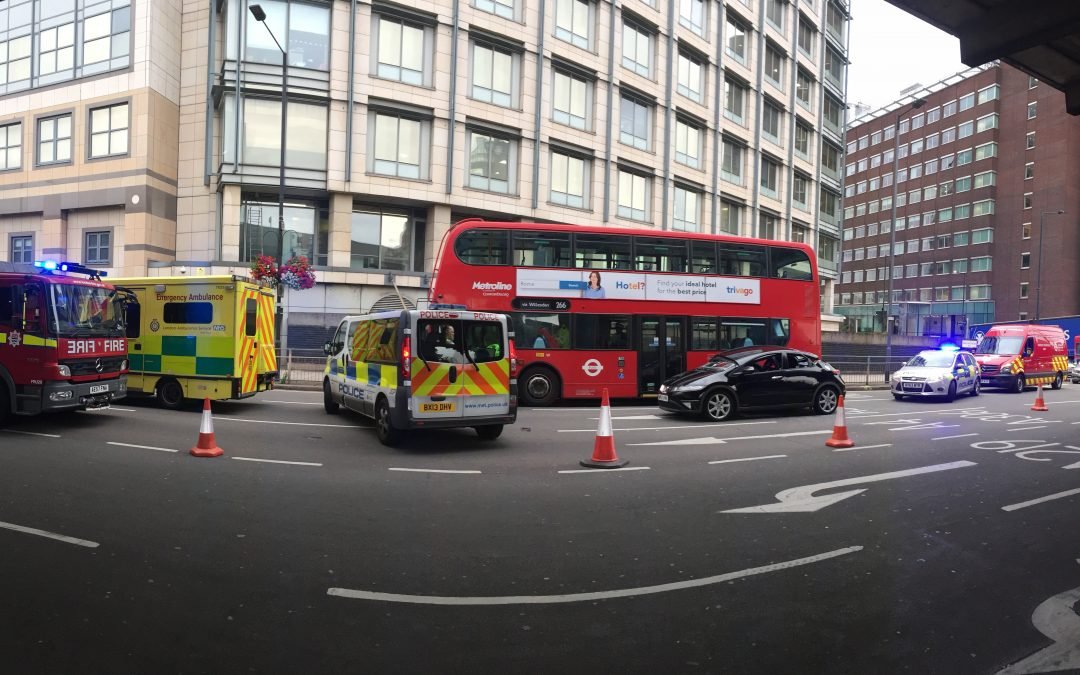
Now we hear that lives are being put in danger because ambulances are stuck in traffic caused by controversial new cycle lanes and this raises some real concerns.

One of Britain’s leading paramedics warned that emergency vehicles are being delayed after councils were handed millions of pounds to turn car lanes into cycle-only routes. They are being rushed out to try to encourage more people to cycle to work rather than use public transport or their cars because of the pandemic.

It does not seem to be about reducing road pollution, there is a very apparent agenda to try to make it harder for people to drive in major towns and cities.

Official figures reveal that the number of people cycling has fallen by 25 per cent since the first lockdown in the spring, but the rollout of cycle routes continues.

Richard Webber, the national spokesman for the College of Paramedics, informed The Mail on Sunday: ‘If you are having a cardiac arrest, your chance of survival decreases by ten per cent for every minute’s delay. If ambulances are stuck waiting for someone to open a barrier or taking a long route around to your house, then you’ve got a big problem.’

‘Lots of areas have segregated roads now in such a way that you physically can’t get down the road and therefore we’ve had to do long detours.

‘In some areas where they once had two lanes, they have now gone down to one lane of traffic and a cycle lane and the problem with that is there is nowhere to go.

‘People can’t get out of the way and ambulances get stuck in traffic. It has been the same in various city centres.’

Mr Webber urged councils to consult with ambulance services: ‘They need to think that if someone was having a heart attack, could the ambulance get to them as quickly as it could now? But I don’t think the councils are thinking like that.’

Ambulance stuck in traffic

[Image source: Shutterstock Nov 2020]

Ambulances get stuck on London roads

There are several eye-witness accounts of emergency vehicles caught up in road congestion.

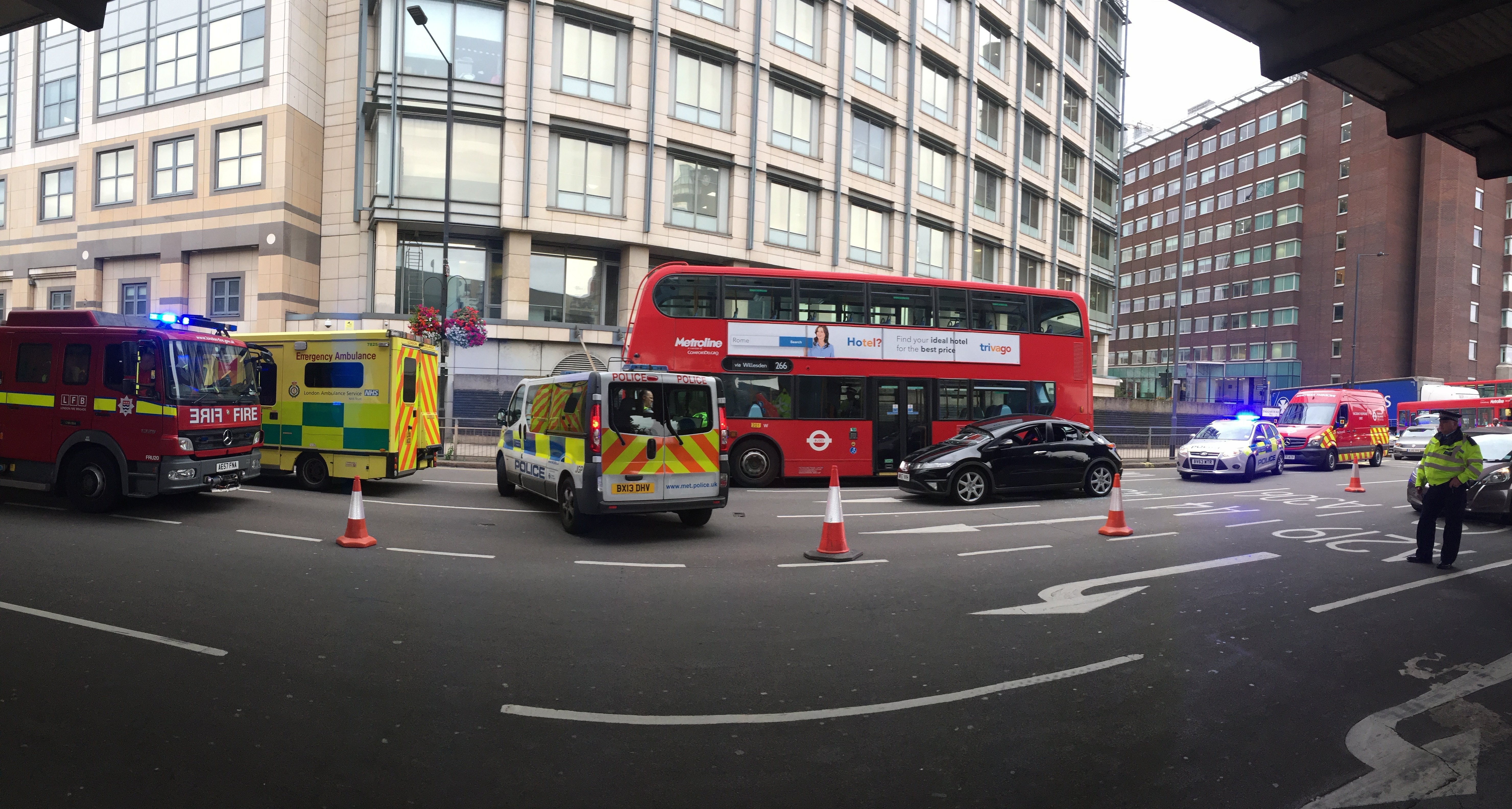
On social media last week, a video showed an ambulance with flashing blue lights unable to pass a long queue of cars on the busy Euston Road in Central London. Vehicles restricted to a single lane were unable to move out of the way because of the new cycle lane bollards.

Another ambulance on an emergency call was pictured stuck in traffic close to Euston Station while the new cycle lane was empty. One furious paramedic was pictured shoving blocks out of the way during an emergency call in Harrow, North-West London.

Some residential roads in the area had been blocked off with barriers to create ‘low traffic’ zones, but the ambulance could not get through. And in the Conservative-led council in Wandsworth, South-West London, scrapped its new cycle lane plans after seeing footage of the problems that ambulances have had in Tooting.

Duncan Dollimore, Cycling UK’s head of campaigns: ‘The Government confirmed on Friday that when councils implement any highway scheme, including cycle lanes, they must consult with emergency services.

‘Cycling UK fully supports this and is available to address the concerns and any evidence the College of Paramedics or any health trust might have. To date no one has contacted us.’

Let us be clear, this is not a cyclist versus motorist issue. All users want to share the highways responsibly, but this is going to lead to the loss of lives. While its important to provide cycle lanes, this must not be at the expense of the existing roadways set aside for cars, especially since cyclists can use the same roads as well.

Do you think the Government and local councils should be allowed to do this without consulting emergency services? Let us know in the comments below.
“Poll tax for motorists” considered to replace £40 billion a year fuel and vehicle excise duty black hole

“Poll tax for motorists” considered to replace £40 billion a year fuel and vehicle excise duty black hole

Now that the Government is expected to announce that the sale of new petrol and diesel cars will end by 2030, the Chancellor is seriously considering a “pay as you drive” tax on motorists to replace the lost future tax income moving away from fossil fuels and into EV as well as hydrogen fuel.

However, campaigners view this idea as a “poll tax for motorists” that will especially hit drivers living in remote parts of the country disproportionally. A similar scheme was ruled out by Labour in 2007 amid uproar that drivers could be charged up to £1.50 a mile.

But the proposed policy has come back, with The AA warning of a driver revolt and urging ministers to come up with a ‘more imaginative solution’.

At present there are only a handful of places where charging is in place, such as the M6 Toll in the Midlands, the Dartford crossing on the M25, London’s Congestion Zone and a handful of small tunnels and bridges.

A nationwide policy is being considered amid fears the switch to electric vehicles will leave a massive tax shortfall, in fuel duty and vehicle excise duty.

However, any move would lead the Government to undermine its own policy to encourage people to drive electric cars because its much cheaper than fossil fuel vehicles.

It came amid reports Boris Johnson is going to reduce the deadline for the sale of new petrol and diesel cars by ten years to 2030 in line with several countries in the EU.

A ban on the sale of new petrol and diesel cars will have a huge impact on the Government’s income, with VAT on fuel currently generating around £6billion a year.

Fuel Duty, currently charged at 57.95p per litre on petrol and diesel vehicles, is on course to raise £27.5billion this financial year.

Finally, Vehicle Excise Duty (VED) – which is charged on the purchase of cars based on their emission levels – generates £7.1billion.

Pay Meters

[Image source: Shutterstock, Nov 2020]

Imaginative solutions needed say AA

Edmund King, AA president, urged the Government not to adopt a road pricing scheme as he warned it would be incredibly unpopular with motorists.

‘While the push toward electric vehicles is good for the environment, it is not good for the Exchequer,’ he said.

‘The Government can’t afford to lose £40bn from fuel duty and car tax when the electric revolution arrives.

‘It is always assumed that road pricing would be the solution but that has been raised every five years since 1964 and is still perceived by most as a “poll tax on wheels”.

‘We need a more imaginative solution and have proposed “Road Miles” whereby every driver gets 3000 free miles, with one third more for those in rural areas, and then a small charge thereafter.

‘Combined with commercialising the roads with an adopt-a-highway scheme with naming rights such as the Minecraft M1, Manchester Utd M6 or Adidas A1, this should be prove a more popular solution.’

There will be increasing pressure next year on the Government to find ways to claw back all the money that has been given out to tackle the Coronavirus pandemic. If a new tax scheme is seen as having green benefits, you can be sure that they will try to introduce it, even though it may be political suicide for the Conservatives.

It seems that even if the Tories lose at the next General Election, the Labour party will continue to do the same thing if they gain power, if not more so. Motorists are already having a hard time at the moment, so to introduce this scheme would see revolt amongst motorists of all kinds and perhaps direct action is needed to make the politicians aware that it will be not accepted by drivers under any circumstances.

 What do you think about a poll tax for motorists? Do you think it is a fair scheme or will it create untold misery for drivers? Would you fight back against it? Let us know in the comments.

Scammers list driveways on parking apps without owners knowledge

Scammers list driveways on parking apps without owners knowledge

Parking app Just Park has been forced to issue an apology to homeowners who have fallen victims to a new scam where fraudsters rent out their driveways and pocket the cash from people who park on their drive without knowing.

The website allows property owners and businesses to rent vacant parking spots to other drivers, but it appears that people who don’t own the car park space or driveway can fraudulently claim to be the owner and rent it out too.

Some owners have returned to their homes to find vehicles parked in their allocated spaces and driveways. The rules around drivers being parked on private land is a gray area, as such it is not technically illegal to park on private land without the owner’s permission, although new legislation may come into force soon to tackle this.

BBC Radio 4 You and Yours show highlighted the scam in their report last weekend.

Just Park is one of a few services that allows people to make money from their unused parking spaces or driveways, which is becoming a nice way to earn income for many homeowners.

These are often near train stations, sporting stadiums and other entertainment venues, a  parking space in a high demand area can attract earnings in excess of £1,000 a year.

Some drivers have discovered that their parking facilities have been advertised on the site without their permission.

Just Park said that cases of this are ‘extremely rare’, though the BBC show spoke to numerous victims of the scam.

Simon Gallagher told the BBC that strangers were parking in bays allocated to owners of flats in his building in Bexleyheath in Greater London.

‘This was going on for about a month or so… until one day somebody had left a note in the window of one of the cars that was parked there with a booking reference for Just Park,’ he said.

‘I looked it up on the website and to my surprise, found a photograph of the flat advertised out for rent’.

Incredibly, scam artists had been charging a £8 daily fee to use the spaces allocated to tenants in the building, and were pocketing the income from the venture without the rightful owner’s – or Just Park’s – knowledge.

Some owners of the parking spaces have now had to install bollards to prevent unsuspecting drivers from using their allocated bays.

Car parked in driveway

[Image source: Shutterstock, November 2020]

The BBC report that homeowners in Edinburgh were also victims of the same scam.

Barbara Oliver, who lives in Edinburgh, came back from holiday to discover that drivers had been parking their cars in front of her garage door.

‘It appeared that these people had used Just Park and had information to say that they could park there, which, as the property’s owner, I knew was not true’, Barbara told the BBC.

Just Park removed the adverts and says it will do the same with immediate effect if other fraudulent activity is identified.

The company’s founder and chief executive officer, Anthony Eskinazi, apologised to both Mr Gallagher and Mrs Oliver for the fraudulent activity carried out on its website.

‘We do have stringent checks in place to prevent spaces from being listed fraudulently. On rare occasions where they are added, we immediately remove them once notified and ensure that our community is not adversely affected.’

Have you been a victim of a similar scam and do you think parking apps should check who they allow to promote their driveways more? Let us know in the comments.

Banning new petrol and diesel cars by 2030 would boost economy and create jobs claims Greenpeace

Banning new petrol and diesel cars by 2030 would boost economy and create jobs claims Greenpeace

The British Government is due to announce a new date it proposes to introduce a ban on the sale of new petrol and diesel cars within the next week, and a new report backed by Greenpeace wants to bring it forward 10 years to 2030.

The current ban is due to come into force in 2040 as various bodies attempt to lobby the Prime Minister to agree to make it even earlier.

A report by Cambridge Econometrics has urged the Government to accelerate the ban to 2030 with claims that it will create more than 30,000 new jobs and provide a £4.2 billion boost to the economy.

Greenpeace has backed the report and called for the deadline to be brought forward to 2030, claiming it would increase employment and  economic activity, providing the government with a £1.9 billion net increase in revenue in a decade’s time.

Activists drove remote-control electric toy cars under the security gates of Downing Street and down towards Number 10 in a demonstration urging the Prime Minister to back a 2030 ban on new petrol, diesel and hybrid cars and vans.

Greenpeace claims that the report shows that by removing a decade off the current 2040 deadline, it would have enough of an impact to reduce emissions to enable the government to meet its current legally binding climate commitments, as well as boost the economy by £4.2 billion and generate 32,000 jobs.

‘Compared to a later 2035 date, moving the ban on sales of new petrol, diesel and hybrid cars and vans forward to 2030 would create 32,000 more jobs across society,’ the report said.

It added that these jobs would be created ‘across a range of sectors directly linked to the rapid transition to electric vehicles’.

As for increased economic spending, it says people will have more disposable income due to the ‘lower overall costs of owning and running an electric vehicle’ – though it fails to acknowledge the fact that electric cars are currently substantially more expensive to purchase than equivalent models with petrol and diesel engines.

The Committee on Climate Change, the government’s independent advisory body, has already urged ministers to adopt an even earlier target of 2030.

This demand was backed by more than 100 Tory MPs earlier this month as part of a plan to ‘build back greener’ after the pandemic.

Banning the sale of new petrol and diesel cars in the next decade would put the UK in line with countries including Ireland, the Netherlands, Denmark and Sweden which have 2030 as their target.

Reports have suggested that ministers could even choose to adopt a two-tier approach, with a ban on pure petrol and diesel cars set for 2030 and the phasing out of hybrids by 2035.

Petrol Pumps

[Image source: Shutterstock, November 2020]

Greenpeace claims that if you move the ban forward to 2030, it would result in 6.5 million more zero emissions vehicles on the road by 2040, than if was reduced to 2035.

A spokesman commented: ‘Greenpeace is calling for capital allowances for investment in conversion of assembly lines in order to make a rapid switch viable for manufacturers, and for the government to work with vehicle manufacturers, unions, devolved nations and local authorities to encourage investment in a UK-based Gigafactory’.

Greenpeace also backed plans for a zero emissions vehicle mandate that forces car makers to sell a rising amount of emission free vehicles each year or face penalties.

However, Greenpeace did not mention anything in relation to the impact of 6.5 million zero emission vehicles would have on the national grid and recent research shows this is a concern amongst drivers.

Drivers concerned by electric switch

AA members were surveyed in September 2020. The survey results said that the impact on the National Grid was one of the three biggest hurdles for drivers when considering a switch to electric cars, 63% said the grid could not cope with millions of cars yet and would need more power stations.

Other two biggest concerns were that electric cars remain too expensive (89%) and charging times for EVs takes too long (72%) which is linked to range anxiety, especially EVs with older battery tech, or entry level cheaper EVs on sale.

Graeme Cooper, electric vehicle project director at National Grid, insisted there was capacity to cope with an increased demand for power. ‘About a third of CO2 emissions in the UK come from transport so the government has to really turbo-charge the decarbonisation plans here to get the UK trajectory to meet the net-zero targets.

‘We are confident that a faster transition is possible and we are suitably robust to cope with the forecast uptake in electric vehicles.’

What do you think about bringing the ban forward from the current 2040 to 2030? Is that too soon, or do you agree with Greenpeace and think sooner the better? Let us know in the comments below.
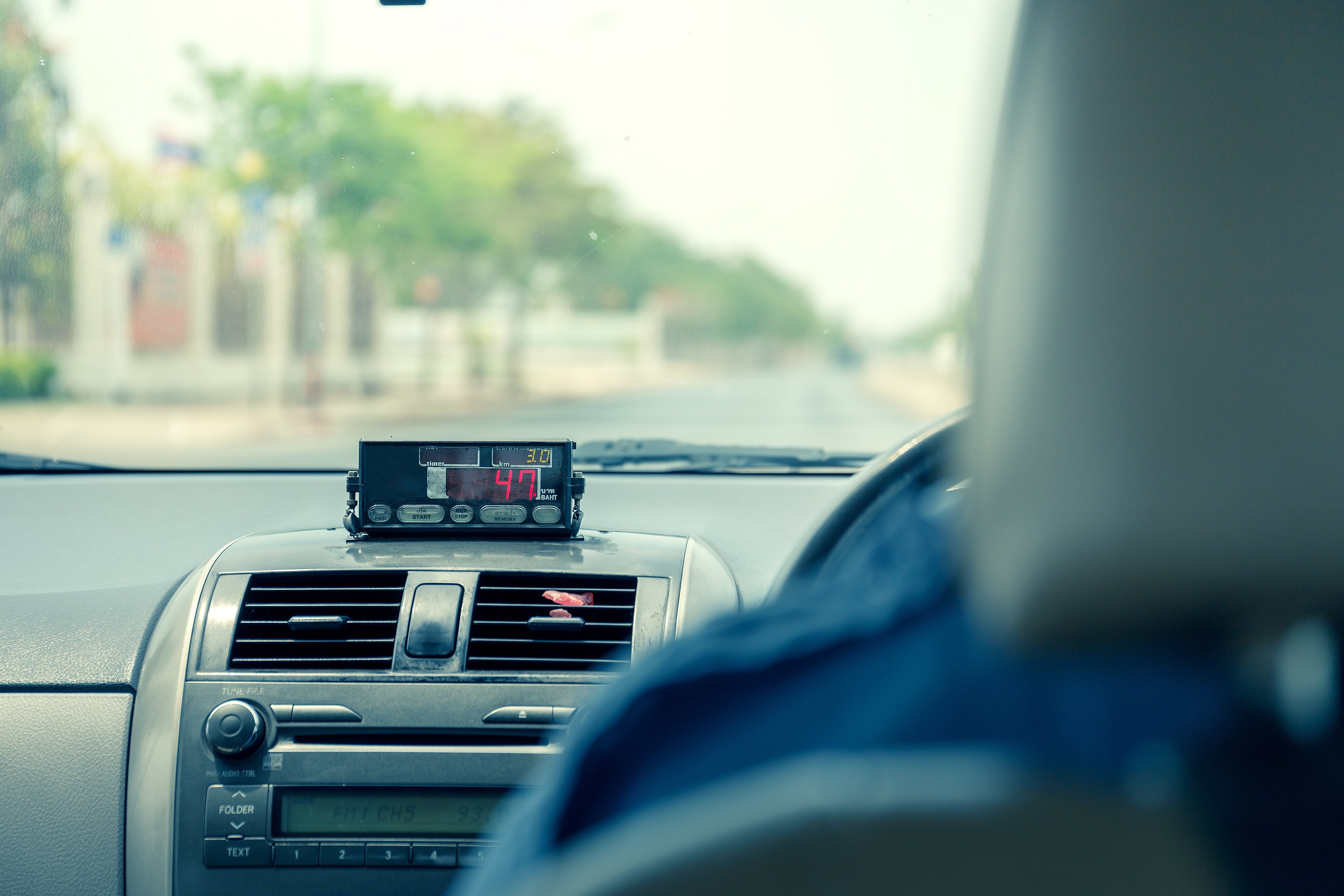
ASDA cuts petrol and diesel prices before second lockdown

ASDA cuts petrol and diesel prices before second lockdown

ASDA has cut the price of petrol by 2p-a-litre and diesel by 3p-a litre before the country enters a second lockdown.

Pump prices will be dropped at all their 322 filling stations on November 3rd 2020 in response to falling wholesale costs being passed direct to customers.

However fuel price experts have confirmed that petrol prices will not fall below £1 as they did in the first lockdown, because there is more certainty around the planned restrictions and higher demand amongst motorists, so wholesale prices are staying more consistent.

From today, drivers filling up at ASDA will pay 108.7p for unleaded and 111.7p per litre for diesel.

Dave Tyrer, ASDA senior fuel buyer: ‘We want to continue to support the nation during this second lockdown by passing on reductions in wholesale cost of fuel to our customers.

‘We hope this will provide some additional support to those essential workers, such as NHS staff and key workers who are still required to make essential travel journeys to and from work.’

Fuel experts claim that retailers have not needed to cut prices recently because wholesale fuel prices have hardly changed since July.

However, last week oil prices fell $4-a-barrel, which should see around 2p in cost saving being passed to drivers.

The falling oil price is as a result of ongoing concern about coronavirus, but also what impact the US election will have on prices in the future.

Luke Bosdet, The AA: ‘Only last week did the cost to the trade fall significantly and the speed with which Asda has slashed its prices is what makes it stand out as the leading supermarket for cheap fuel.’

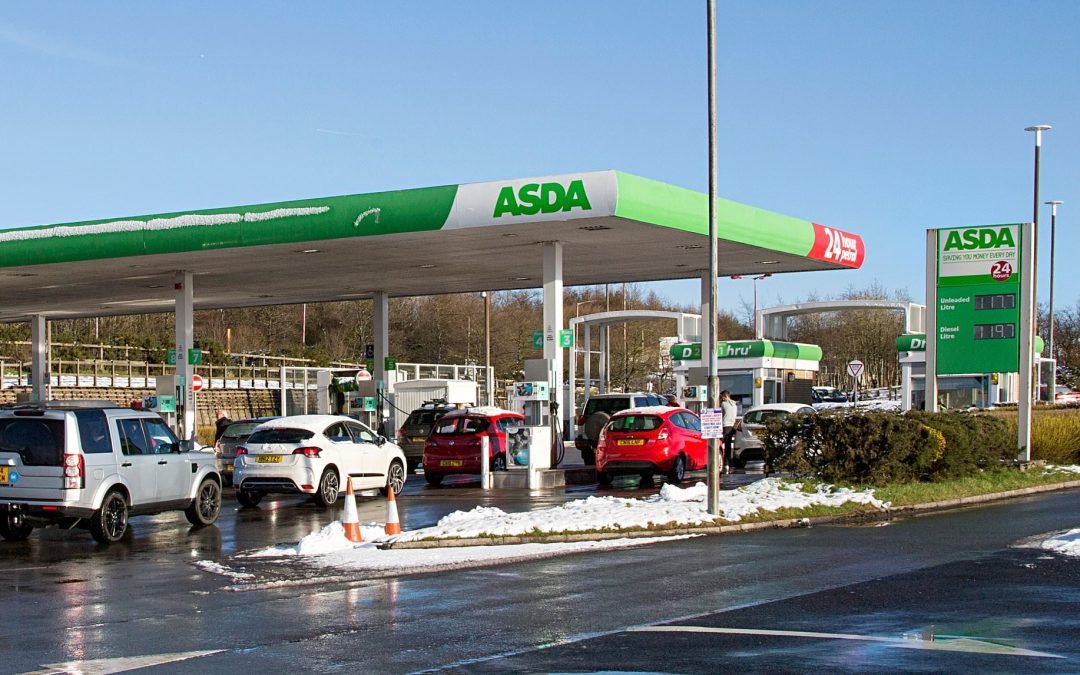
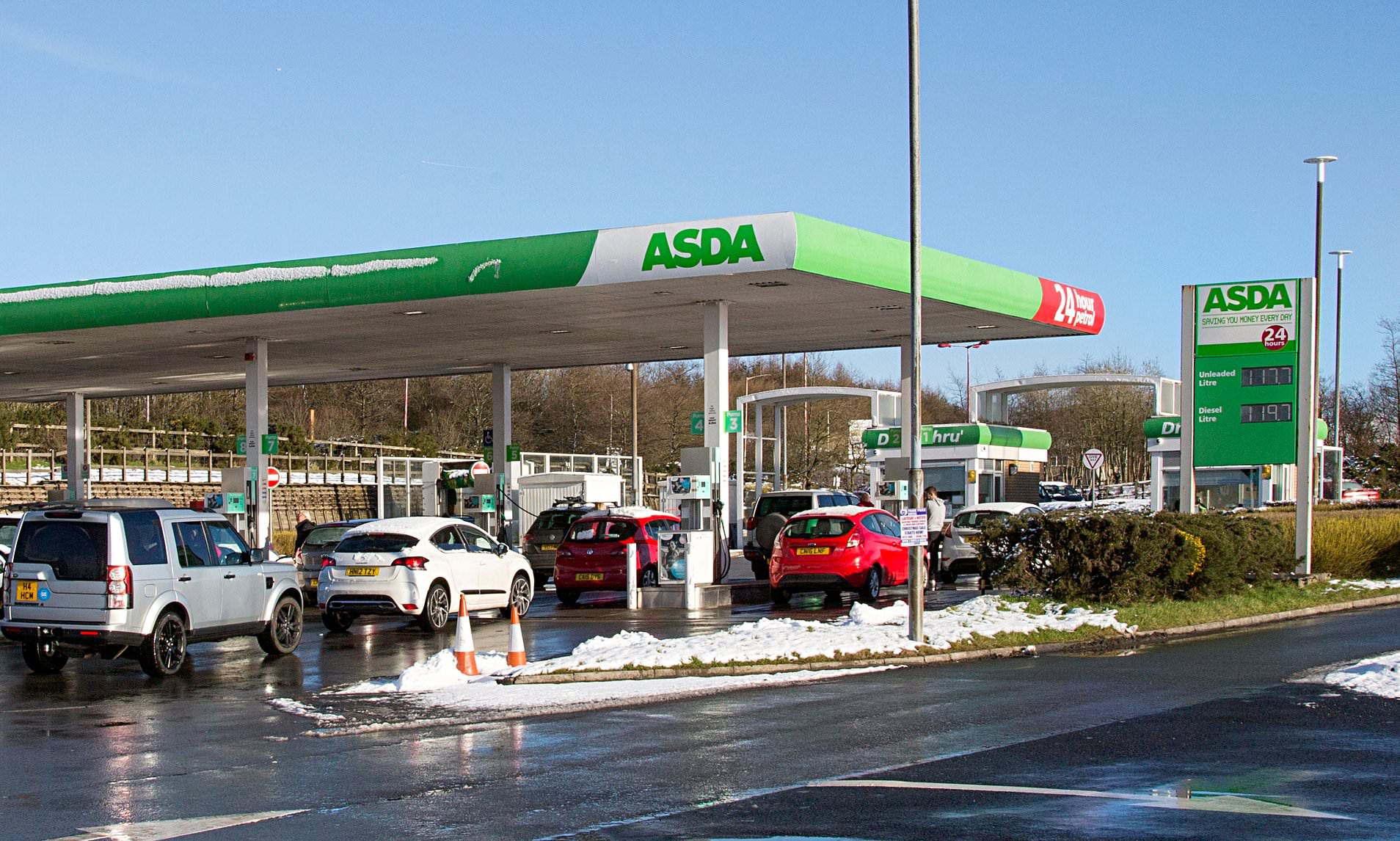
Asda Forecourt

[Source: Thisismoney.co.uk 2020]

Second lockdown will not mean large fuel price reductions

Motorists are unlikely to see fuel prices fall to the same extent as when the Government imposed the first lockdown in Britain earlier in the year in March.

Saudi Arabia and Russia were in the middle of a price war when the latter refused to reduce oil production, which saw oil prices fall by 65 per cent coupled with global demand for oil drop by as much as 80 per cent.

In the UK, the cost of unleaded fell below £1-a-litre for the first time since 2016, and many rural retailers faced closure due to the huge fall in sales, who are so reliant on fuel as well as food sales.

However, Luke Bosdet from The AA does not think we will see the same occur with this lockdown.

‘Although traffic will fall with a second lockdown, there are significant numbers of people who will need to use their cars: school runs, students to their colleges and universities, workers who can’t work from home or their workplaces are now covid secure and, of course, NHS and other emergency service workers,’ Bosdet said.

‘In the last lockdown, many fuel stations held back savings from lower wholesale prices because they said they needed to compensate for lower fuel demand.

‘ASDA’s price cut throws down a challenge to other fuel retailers to do the right thing and, this time, charge a fair price for petrol and diesel.’

Simon Williams from RAC: ‘It’s good to see ASDA leading the way this morning with an initial price cut and we now need other retailers to follow suit as quickly as possible,’

‘While we’re not expecting prices to go as low as last time – March saw petrol prices under £1-a-litre as a result of oil prices falling to a 21st century low – any driver needing to fill up later in November should be greeted by the sight of lower prices, if retailers do the right thing.

However many motorists feel pretty hard done by, since fuel prices have not appeared to change at all this year, while the Government and firms are offering as many different forms of financial support as they can to keep people from losing their livelihoods and keeping roofs over their heads.

You would hope that other retailers will follow ASDA’s lead and drop petrol and diesel prices as they normally do, but we live in strange times and this may not happen if retailers are reliant on what trade is left during the lean winter months under lockdown.

EDIT: Sainsbury’s has announced a price cut on unleaded petrol by up to 2 pence per litre and diesel by up to 3 pence per litre across all of its 315 forecourts from tomorrow (Thursday 5th Nov)


Is this price reduction by ASDA a welcome change before the lockdown or is it irrelevant when most people will be forced to stop driving anyway? Should other petrol retailers drop their prices too? Let us know in the comments below.
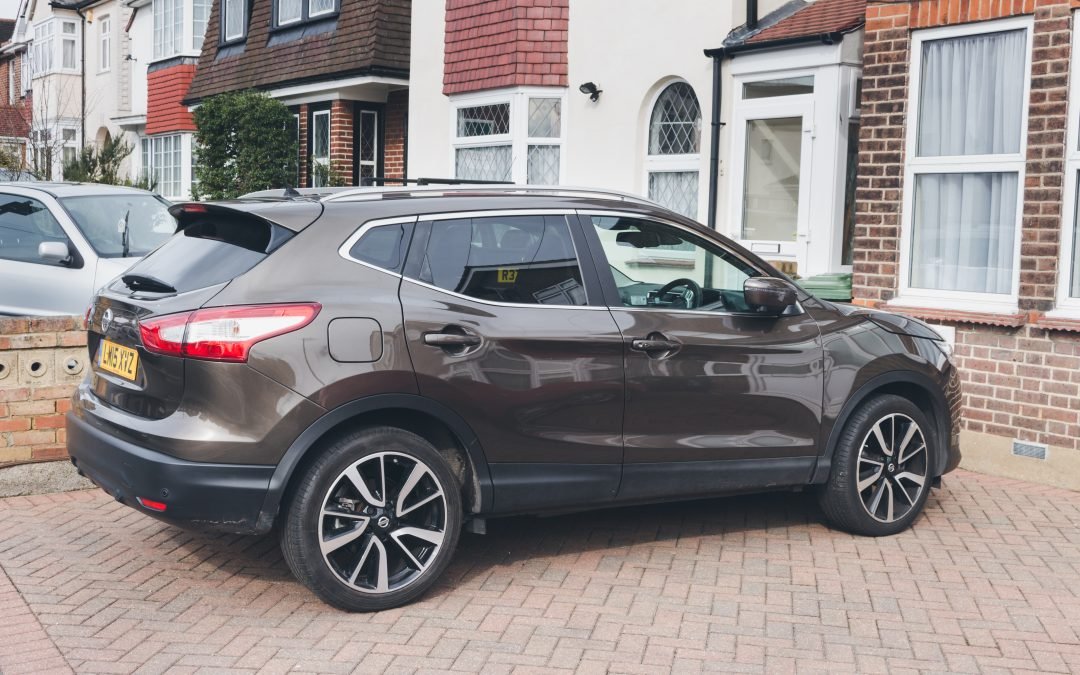
Residents fight back against emergency traffic calming measures

Residents fight back against emergency traffic calming measures

London is one of the busiest cities in the world for road traffic, over 1 million vehicles enter the city every day and the city itself contains 2.6 million vehicles* (* source TfL) .

It relies on a road system that has not changed since medieval times, but this year something has changed leading to what many describe as the “worst traffic jams in London’s history”.

The source of this gridlock is due to the London’s mayor, Sadiq Khan rolling out a new scheme in July at a cost of £250,000, where Transport for London (TfL) imposed new cycle lanes across the city, reducing many roads to a single lane each way for cars, creating massive tailbacks spewing pollution on pedestrians and cyclists.

All of this is part of a £250 million Government initiative to encourage people to travel on bicycles and minimise the use of public transport when the Covid-19 threat was at its most dangerous.

They call it the ‘Emergency Active Travel scheme’, and it was rushed through past Parliament, often without any consultation with local residents or businesses.

Many local authorities have used the funds without any foresight to rapidly increase the number of cycle lanes and impose ‘LTNs — Low Traffic Neighbourhoods — on residential areas, even if not required. This includes bollards and road closures on high traffic roads.

But now it seems that many councils will need to U turn on their active measures and even rip up the cycle lanes and bollards they’ve put down. Even Sadiq Khan has been forced to backtrack on some of London’s schemes. Next month, selected cycle lanes and bollards will be ripped up to the delight of residents and struggling local businesses.

It is a highly embarrassing reversal for the Mayor and TfL, which has admitted that the cost of returning roads to former states is unknown.

Residents fight back across UK

In other parts of Britain, we are seeing councils forced to U-turn due to rising resident pressure.

Councils are desperately trying to work out how quickly they can get rid of their schemes and appease furious residents, some of which are taking to the streets in protest.

All over the country, expensive, traffic calming schemes are being abandoned, months after being built, at a huge cost to the taxpayer.

In many cities and towns, without any consultation, council contractors moved in over the summer to block roads with bollards and planters, turning many residential areas into no-go zones.

In the months since, councils have become alarmed by the groundswell of opposition to their schemes, which in most areas crosses party lines.

In some parts of the country, local businesses are reporting customer losses of up to 80 per cent since the restrictions came into force.

It gets worse, the councils are also being slammed by clean air campaigners, horrified by the ensuing gridlock across towns and cities.

Transport Minister UK

Source: Morningstaronline.com 2020

Department of Transport Defends Schemes

The Department of Transport continues to defend the schemes, but even the Transport Minister is unable to escape the pressure.

Grant Shapps, MP for Welwyn Hatfield, was informed that his local council was presented with a 1,200-signature petition complaining about the new traffic scheme killing the high street. He ended up writing to the council, challenging the policy his own department had put in place.

Shapps also wrote to other local authorities, warning that he might withdraw funding if they continued to abuse the Government scheme.

This week, when interviewed by The Daily Mail he said ‘Clearly there have been individual instances where schemes have fallen well below par. Some emergency measures have been hurried through by councils, with little to no consultation of residents, meaning they have failed to deliver for locals or offer genuine improvements.

‘I’m determined to make sure the schemes rolled out as a result of the next round of funding work from the get-go for the whole community. We’ve been consistently clear that councils must engage with local communities — and have publicly reminded all authorities that plans have to work for everyone.’

The truth is that, at the moment, they’re hardly working for anyone. In a recent survey by Transport Focus, a research agency funded by central Government, cycle use has remained static throughout the pandemic at about seven per cent of traffic.

At a time when local businesses are in dire need of support, the last thing your councils should do is prevent customers from reaching your shops and prevent local residents from coping with the challenges of the pandemic crisis.

What do you think about residents and businesses fighting back against these measures? What are these active measures going to do to towns and cities in the future? Let us know in the comments.

Government urged to force “zero emission mandate” on car manufacturers

Government urged to force “zero emission mandate” on car manufacturers

Car makers could be forced to sell a rising share of electric cars each year in the UK to accelerate the move to zero-emission vehicles, according to reports in the media.

The Times have reported that ministers are considering a California-style ‘zero emission vehicle mandate’, which would be similar to that launched in California in the 1990s and force a minimum volume of plug-in cars to be sold by car makers each and every year.

Some MPs feel that the mandate would be a good way of shifting the UK population towards buying electric vehicles, acting as an additional method of bridging the proposed ban on sale of new petrol, diesel and hybrid cars by the end 2035.

Under a proposed zero emissions mandate, car makers would need to sell an increasing volume of zero emission vehicles as a rising share of their overall sales.

If they fail to meet their sales target, they would be able to purchase credits from other car makers to make up the difference. It is not clear what would happen to a car maker if they don’t earn enough credits through zero emissions sales in a year, one guesses a fine or penalty.

The government has said it would consider a mandate in a response to a Committee on Climate Change report published in the summer. It said that there was a real need to ‘go further than the existing regulatory regime to reduce CO2 emissions from road transport’, and that it was looking into a zero emissions mandate as part of the government’s “Transport Decarbonisation Plan”.

Demand for pure electric cars in 2020 is at a record high. More than 66,600 pure electric vehicles have been bought by the end of September, which is a massive year-on-year increase of 184 per cent. Electric-only cars account for 5.4 per cent of all vehicle registrations in the UK.

If a mandate was put in place to force car makers to sell a rising number of electric only vehicles in their range, it would allow the government to retract subsidies and tax incentives, such as the £3,000 Plug-in Car Grant and VED road tax exemption. The Government has made no secret that it wants to phase out the availability of electric-car deals, which it outlined in its Road to Zero document in summer 2018.

In that report the Government said: ‘As the market becomes better established and more competitive, the need for direct government financial support will decrease. We therefore expect to deliver a managed exit from the grant in due course and to continue to support the uptake of ultra low emission vehicles through other measures.’

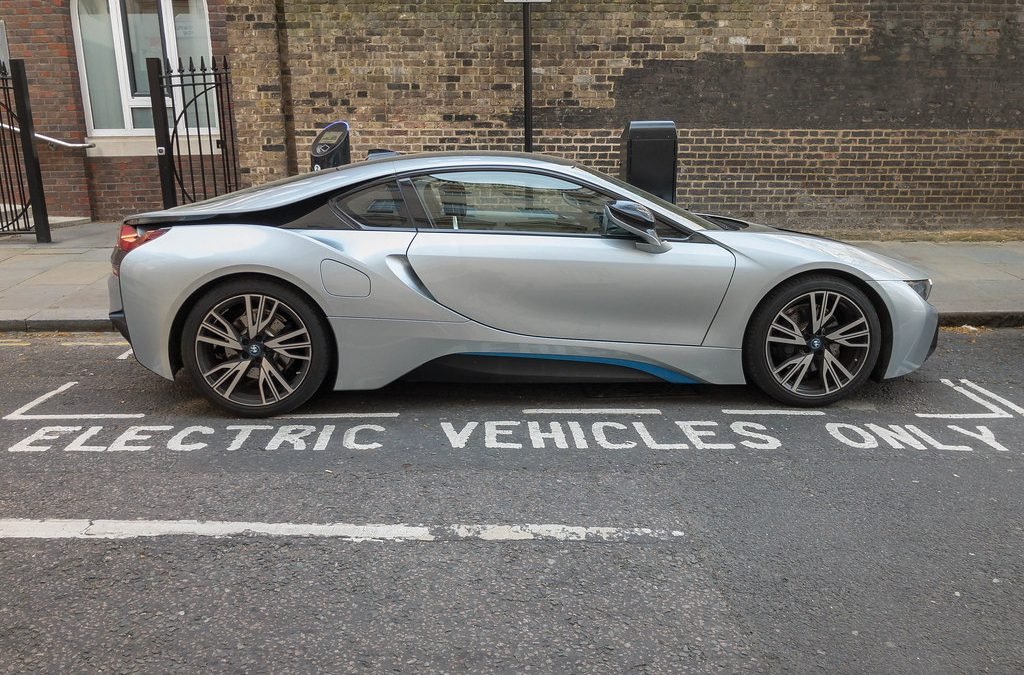
Parked up electric car

[“Parking spot for electric vehicles only” by marcoverch is licensed under CC BY 2.0]

The Government are expected to announce their plans to bring forward the ban on new petrol, diesel, hybrid cars from 2035 to 2030. MPs are urging the Prime Minister to accelerate the ban so that the Government can achieve its target of reaching net zero emissions by 2050.

The plans would dramatically accelerate the transition to zero-emission vehicles, expected to be announced later this year alongside a series of new clean energy policies. Downing Street had intended to unveil the blueprints in September, but the recent health crisis prevented it from occurring.

The change of ban date, backed by the Committee on Climate Change, is likely to be set out by the Government alongside plans for Britain to become a carbon-neutral economy by 2050.

Greenpeace UK’s head of politics, Rebecca Newsom, gave her full support to a mandate. She said: ‘Moving the ban on petrol, diesel and hybrid cars and vans forward to 2030 is an absolute must if the government is to meet its legally binding climate commitments. Any later and it becomes almost impossible.

‘But a ban alone won’t see this change take place without the policies that force it over the line. That’s why a zero emissions vehicle mandate for car manufacturers would be an incredibly smart move to bring new jobs to UK.

In order to dangle the carrot for people buying a new car, the government must use the stick with manufacturers to ensure costs come down and sales go up.’

Car is fueling up

Drivers expect to go electric by 2025

A new survey by breakdown firm Green Flag has said the average UK driver now expects to purchase an electric car within the next four years.

A poll of 1,500 drivers found that more than half (54 per cent) are in favour of electric cars, with fuel savings and being eco-friendly the biggest perks, followed by lower servicing an maintenance costs and the convenience of being able to charge a vehicle at home.

Mark Newberry, commercial director at Green Flag, said: ‘Our research has found that the main concern for drivers converting to electric is running out of charge mid-journey. Try to think back to the last time that you broke down because you ran out of petrol?

‘We want to reassure drivers that it only takes a few small adjustments to enjoy an electric vehicle – if you look after your car, prepare for your journey and drive carefully you should see minimal changes to your driving routines.’

Do you think its a good a idea to force car manufacturers to sell a rising amount of zero emissions vehicles each year and should we ban the sale of new petrol, diesel and hybrid cars forward to 2030? Let us know in the comments below.
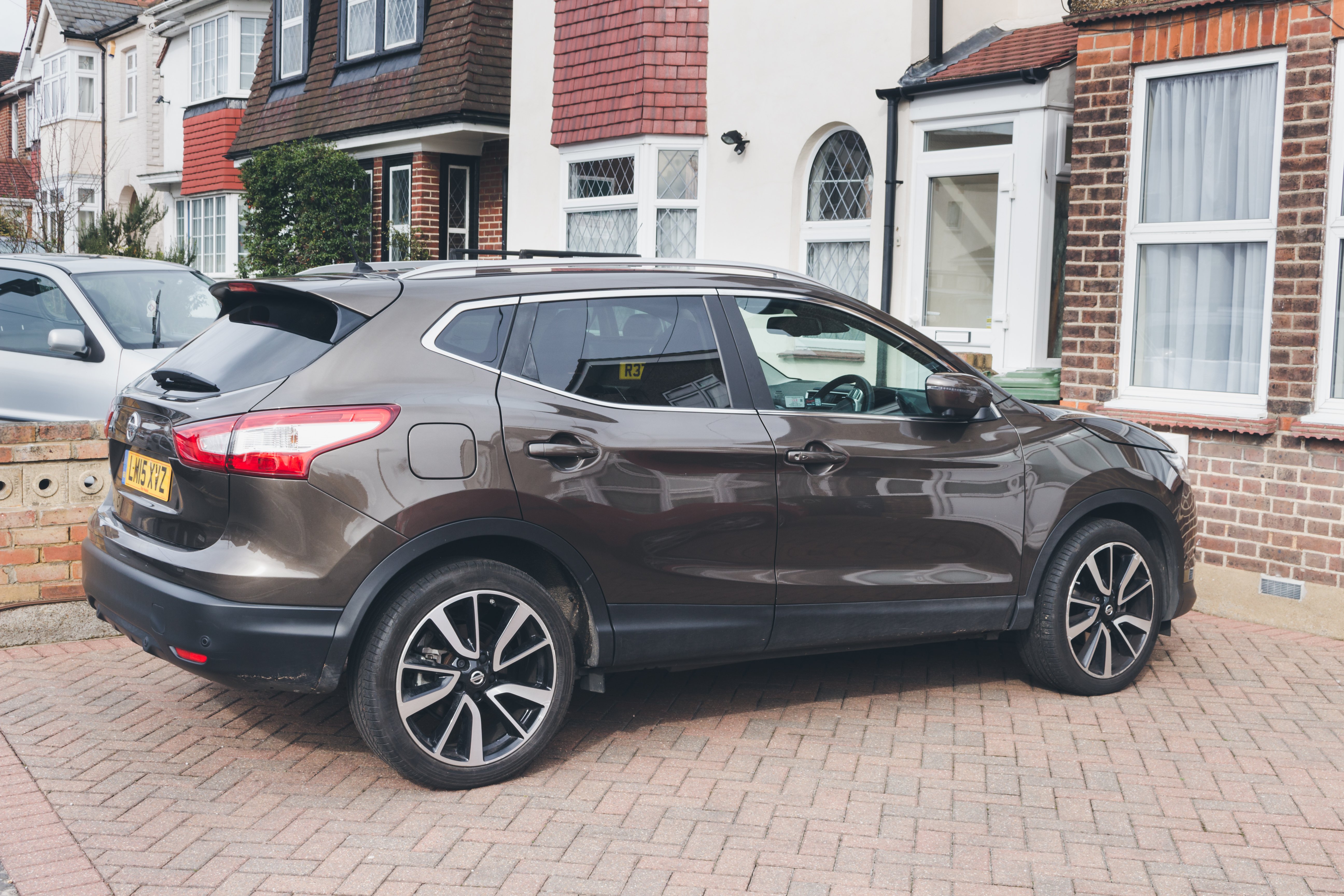
Police to crack down on rubbernecking and using mobile phones

Police to crack down on rubbernecking and using mobile phones

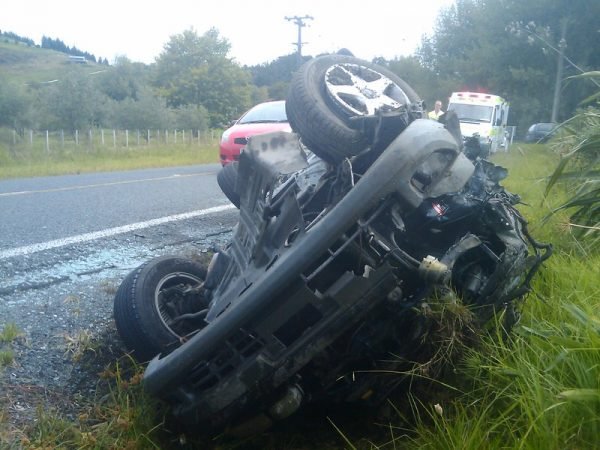
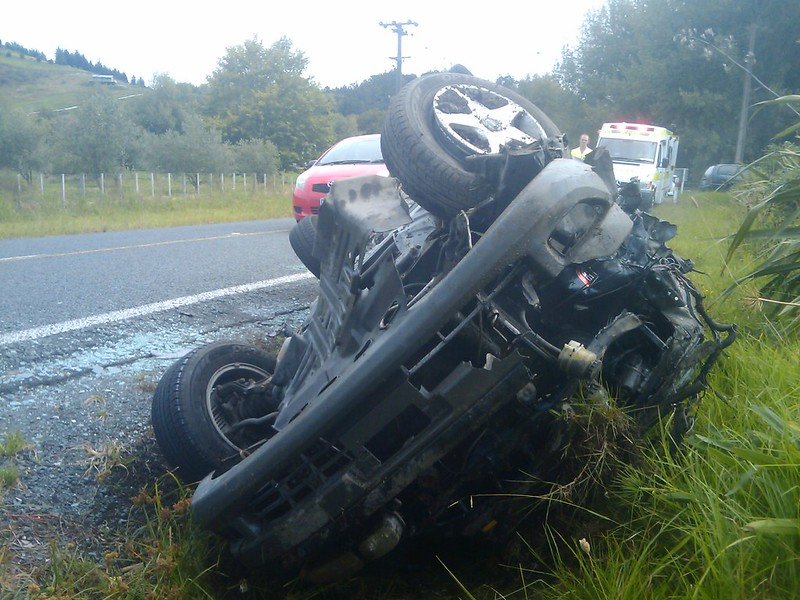
[“Car Crash: 12 march 2009” by jenineabarbanel is licensed under CC BY-NC-SA 2.0]

Police warned a number of ‘rubberneckers’ at a recent accident in Essex to stop filming on their mobiles as they drove past or they will be arrested and charged with using their mobile phones while driving.

Police noticed several drivers using their mobiles to capture the car wreckage, as well as passengers.

Emergency services arrived at the A13 in Thurrock, Essex, where an Audi car had been rear-ended by an HGV causing the vehicle to smash into a flat bed truck.

As a result of the accident, one person sustained injuries and was taken to Queen’s Hospital in Romford. It is not believed their condition was serious.

The crash caused large queues of traffic on the A13 and M25, leading to the road being shut for most of the day.

Essex Police have released a new photo of the incident showing the car involved wedged under a lorry in front, (see below).

The Police issued a severe warning to drivers who used their mobiles to film the incident as they drove past.

‘Thankfully the driver of this car hit from behind by an HGV on the A13 earlier wasn’t seriously hurt. To the 20 or so drivers who drove by one handed to film it with your phones not watching the road ahead, keep an eye on your (mailbox emoji) …as we’ll be in touch.’ taken from a Tweet by the South Essex Road Policing Unit.

In September this year, a 25-year-old man died in a crash on the A1089 shortly before it joins the A13. Emergency services were called to reports of a collision between a blue Volkswagen Crafter van and a stationary HGV. An air ambulance was sent, but sadly the man died at the scene.

Police need to take tougher stance on mobile use at wheel

Since 2006 there have been police powers to stop mobile phone use at the wheel under the Road Safety Act, where motorists can earn 6 points and a £200 fine, but that does not seem to deter people.

In 2018 we saw the roll out of “vulture cameras” on selected roads such the A3, with tech capable of detecting in the day or night if a driver is using a mobile phone while driving, but the deployment is still limited to a handful of locations and drivers soon learn where they are.

The concept of ‘rubbernecking’ at accidents is nothing new, with some motoring bodies suggesting that at least 30% of all traffic jams are caused by rubberneckers on the opposite side of a road slowing down to look at the gory details of the accident, or even a broken down vehicle.

But the combination of ‘rubbernecking’ and mobile phone use at the same time needs to be cracked down upon as much as possible, or we will just see continued lawlessness on Britain’s roads, recorded and posted on You Tube as and when they like.

Do you think the police should crack down hard on ‘rubberneckers’ who film accident scenes on their mobiles? What sort of penalty should they receive? Let us know in the comments below.
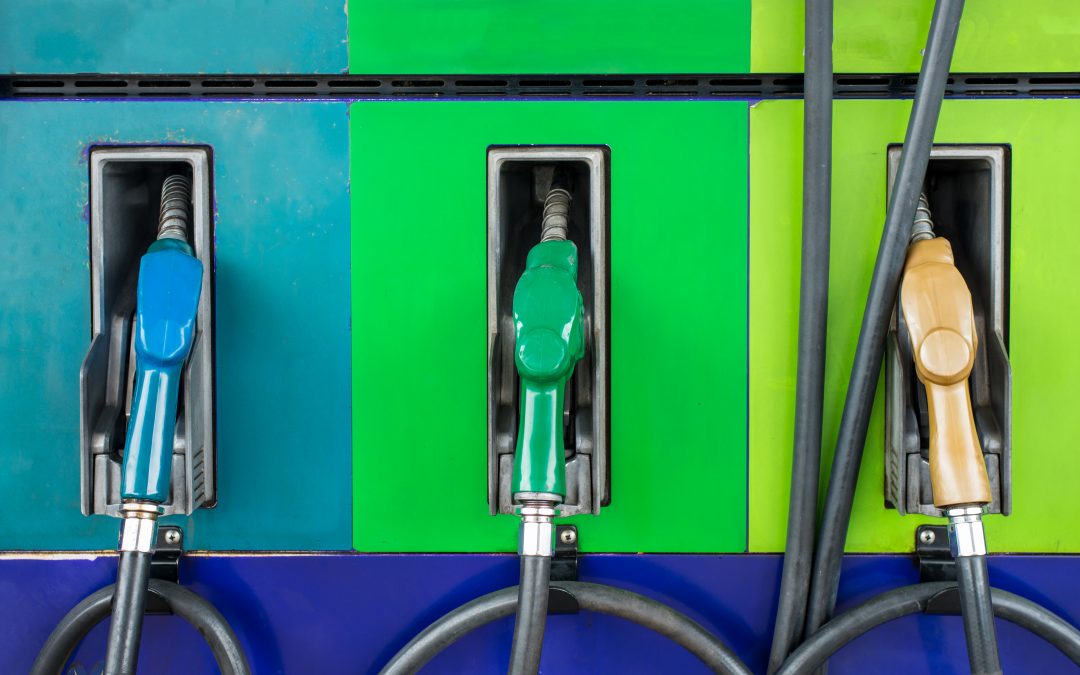
Fuel prices fall for Christmas, but Chancellor may increase fuel duty next year

Fuel prices fall for Christmas, but Chancellor may increase fuel duty next year

Three months of petrol price increases have finished, with motorists set to benefit from more stable fuel prices in October, according to RAC Fuel Watch. In September, unleaded prices fell – 0.17p – on average to 114.61p per litre, while diesel dropped from 118.43p to 118.10p a litre.

The motoring group have predicted that if there are further restriction measures and regional lockdowns by the government, limited demand at the pumps could see prices fall between now and Christmas as petrol retailers try to stimulate demand.

However, the price drops may only last until the New Year, the Chancellor Rishi Sunak is considering raising fuel duty for the first time since 2011, as he faces growing pressure to recoup money that the government has paid out to keep the economy alive and jobs protected.

The average price of petrol sold in September by the big four supermarkets – Asda, Morrisons, Sainsbury’s and Tesco dropped to 109p-a-litre, while diesel was 114p. However, fuel prices on motorways went in the other direction, with services increasing petrol by 2.57p per litre to 126.72p across all sites. Diesel also went up 1.83p to 131.14p.

Based on the UK-wide average price of petrol, it would have cost owners of an average family car with a 55-litre fuel tank £63 to fill up. This is around £7 less than in January, but £5 more than when prices sank to their lowest level in May on the back of dwindling demand caused by the Covid-19 lockdown.

Yet despite the expectation of stabilising fuel prices this month, the RAC says some drivers are being stung with higher costs than they should be incurring. It claims owners of diesel vehicles should be paying 8p-a-litre less than they are at the moment as wholesale prices have been lower than petrol for six weeks, yet its average forecourt price is 3.5p more expensive than unleaded’s.

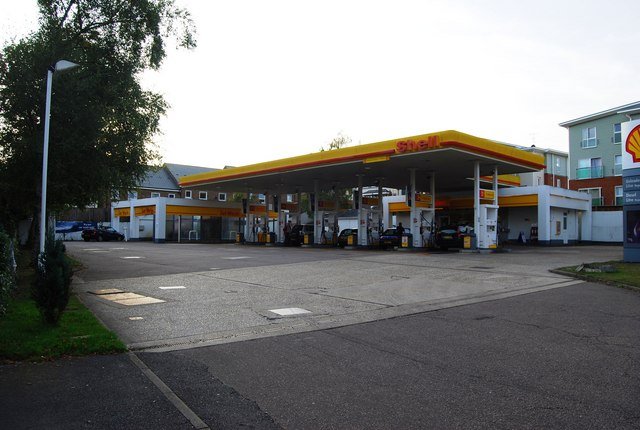
shell forecourt

[Image: “Shell Fuel Station, St John’s Rd” by N Chadwick is licensed under CC BY-SA 2.0]

Based on average fuel prices, retailers are taking 11p per litre margin on diesel, which should be around 5p lower, according to the RAC.

RAC fuel spokesman Simon Williams: ‘Since June when prices stopped falling as a result of the coronavirus, when movement restrictions were being eased, the cost of fuel has been going up steadily. While price rises are never good news, they have not gone back to the high levels seen at the beginning of the year.’

‘Diesel drivers should feel short-changed by the decision of retailers to keep prices artificially high. This must surely be difficult for retailers to justify. We strongly urge them to lower their prices in an effort to restore drivers’ trust.’

Northern Ireland remains the cheapest region in the UK, with average unleaded prices at 111.31p a litre and diesel prices at 114.25p. London is the most expensive location to full up, with average unleaded prices at 115.82p per litre. South East England has the highest average diesel pump price at 119.53p per litre.

petrol pumps

Fuel duty to rise next year?

The Chancellor has hinted that he could end the decade-long freeze on fuel duty next year.

Rishi Sunak was interviewed by The Sun newspaper, and he said he ‘cares about the cost of living’ and ‘fuel is a big part of that’, there is mounting pressure from the Treasury and MPs to recoup some of the huge financial debt caused by the pandemic.

The newspaper suggests he will give the green light for the fuel tax to increase in-line with inflation by 3p, despite MPs pushing for a 5p rise. The tax has been frozen at 57.95p on each litre a motorists fills up with since March 2011, the longest freeze on fuel duty since the fuel duty accelerator began.

Average petrol prices are 114.61p at the end of September, this means that two thirds of the price of fuel is tax, made up of fuel duty and VAT at 20 per cent.

Do you think the Chancellor will raise fuel duty in early 2021 and is it a good idea, or will it impact economic growth? Let us know in the comments below.