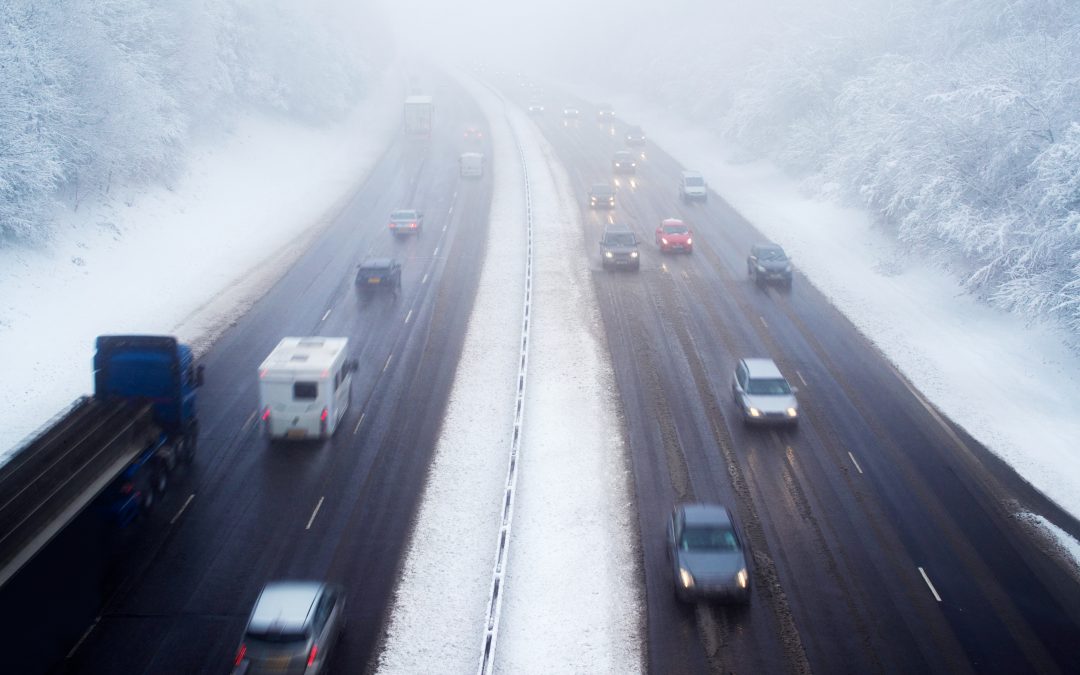
AA expects only 50% of normal traffic for drive back home for Christmas

AA expects only 50% of normal traffic for drive back home for Christmas

The AA expects UK roads to be much quieter this Christmas as far less people intend to visit their families and stay isolated at home.

This is despite the five days of freedom to allow families to get together to celebrate, a poll from the motoring group claims, which measures traffic levels and predicts journey volumes.

They estimate just 24 per cent of drivers are planning a trip in their car between 18 December and 4 January, which equates to 7.9 million drivers.

But last year, around 17million people hit the road over the same period, or more than double that figure.

The survey was conducted by the AA and was completed by 16,486 licence holders in November 2020.

Nearly half of all drivers said they are not planning a car journey over the festive season at all, including New Year’s Eve.

However, 29 per cent said they were undecided and may head out onto the roads for the festive days of freedom from tiered restrictions, operating from 23 to 27 December.

Others said they will wait to see how any changes to tiers will be reviewed on 16 December and the impact on them and their proposed bubbles before making a final decision about travelling to spend the festive season with friends and family.

For the 24 per cent of drivers who said they are planning a journey by car over the five-day restriction break for Christmas, almost half will be travelling on Christmas Eve, the busiest day on the roads this month.

Car journeys estimated to take place during five-day Covid tier restriction break

  • 23 December: 3.5 million
  • 24 December: 3.8 million
  • 25 December: 3.2 million
  • 26 December: 3.1 million
  • 27 December: 2.6 million

Source: AA poll of 16,486 drivers

Based on the poll’s findings, some 3.8 million journeys are expected to be made on 24 December, but this is still more than 50% down on normal years.

Across the five-day Christmas exemption from the tiered system, a total of 16.1 million journeys will be made by those who are planning to drive for return or multiple trips.

The AA has predicted that Saturday 19 December will be the busiest day for shopping traffic, with a fifth of drivers estimated to hit the high street to get their final items for Christmas dinner and gifts for loved ones.

However, the motoring group’s traffic division say congestion could level out for those in lower-tier areas, or if more people take the chance to pick up last-minute gifts when restrictions lift on 23 December.
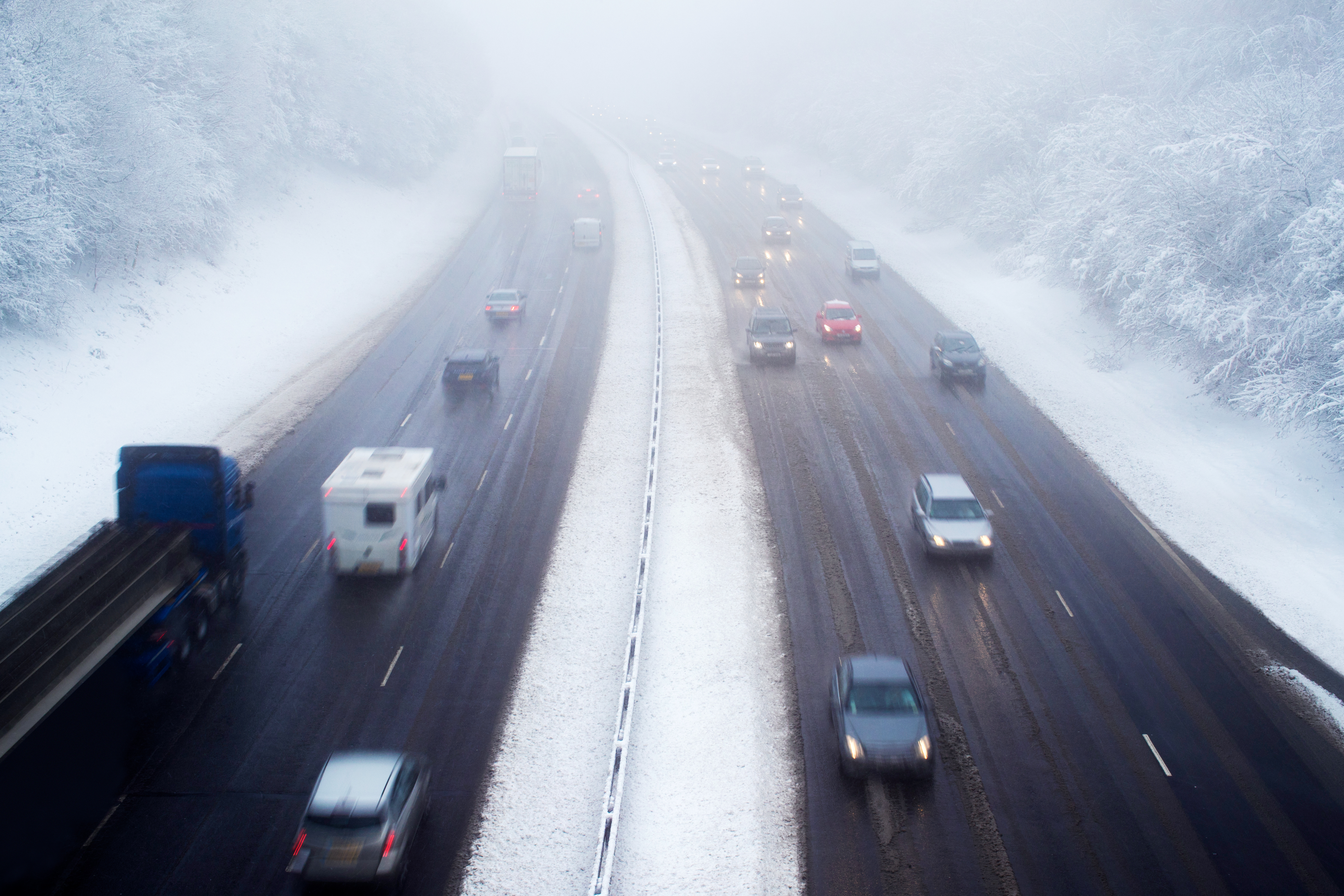
AA petrol

[Image: Source Shutterstock, December 2020]

Ensure vehicle is safe for the winter

The AA has also warned drivers to take extra care to check their vehicles are in working order, given that many would have used their cars far less than usual this year due to the pandemic and many working from home.

Vehicles have been left parked for much longer and there may be some problems that are not apparent until you are on your way, so making sure you run some checks in advance is crucial.

Ben Sheridan, AA Patrol of the Year, suggested: ‘A few basic checks can help avoid a Christmas breakdown; this includes ensuring you have enough fuel, and all the lights are working, checking the engine oil level and topping up the windscreen washer fluid and anti-freeze.

‘Crucially, check the tyre condition, pressures and tread depth for winter driving.

‘Before starting the car, make sure there’s nothing nesting under the bonnet which might have caused damage to pipes or hoses.

‘If your car has been standing unused for a long time, it’s a good idea to arrange a full service once you’re ready to use it again.’

Police have also advised that they will be on the lookout as ever for those who will try and take advantage of less busy roads with speeding, in addition to the festive drink drivers that often create problems during this period.

 Are you planning to drive to see family for Christmas and are you prepared for snow? Is the UK good at winter driving preparation?

 Let us know in the comments below.
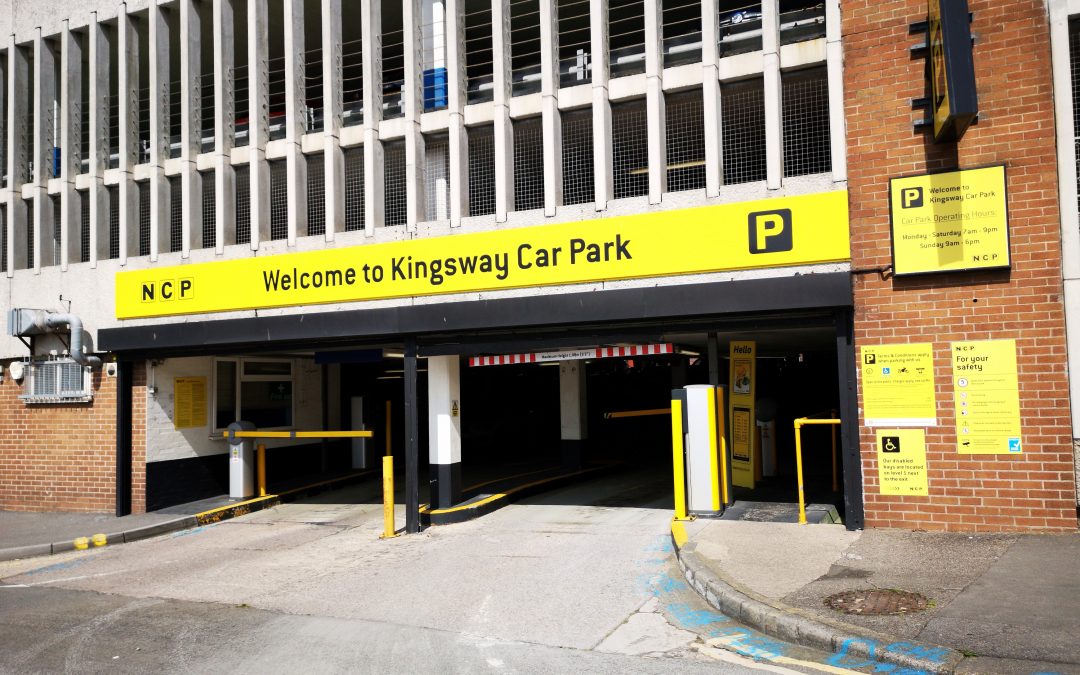
Parking spaces fail to cater to ever-growing vehicles as dimensions stay stuck in the 1970s

Parking spaces fail to cater to ever-growing vehicles as dimensions stay stuck in the 1970s

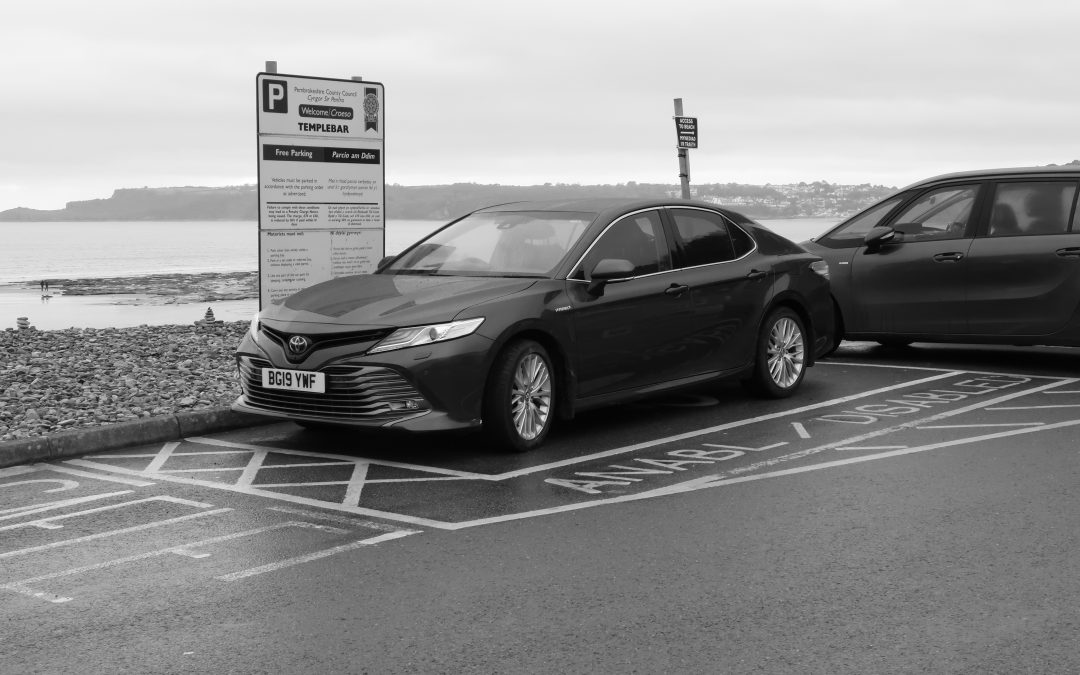
Since the 1970s, car parking spaces have generally stuck to the dimensions suggested by the Institute of Structural Engineers; 8 feet (2.4m) wide by 16 feet (4.8m) long. While these dimensions may have been appropriate once, modern cars are consistently increasing in size, meaning that these small spaces are becoming less viable by the year.

Director of Operations at Accident Exchange, Scott Hamilton-Cooper, sums the issue up by stating that drivers are ‘having to squeeze increasingly large cars into spaces that generally haven’t got any larger for a very long time.’

In fact, studies found that there are now 129 vehicle models that exceed the dimensions of a standard parking bay, including family cars like the Ford Mondeo, Audi A6 and Volvo XC90. Specifically designed to provide families more room, the issue with available space now lies externally with small parking bays, rather than the vehicle itself.

Research shows that larger cars, such as the Range Rover, now take up almost 90% of a regularly sized parking bay, leaving drivers and passengers just 21cm to exit their vehicle. Range Rovers also overhang regular parking bays by 20cm, leaving them vulnerable to scrapes and bumps. Even cars well-known for being compact in size, like the Fiat 500, have increased in size by a massive 47% since the 1970s model.

With an increased need for stricter safety standards, larger crumple zones and reinforcements, it was inevitable that cars would continue to increase in size, which poses the question, why have car parking spaces failed to evolve similarly?

The answer is simple; capacity. While councils and car park operators have the freedom to resize their own bay measures if they wish, many avoid doing this as introducing bigger parking spaces reduces parking capacity overall. With a focus on maximising visitor volume and revenues as much as possible, it is easy to see why there is little incentive to exceed the suggested parking bay dimensions.

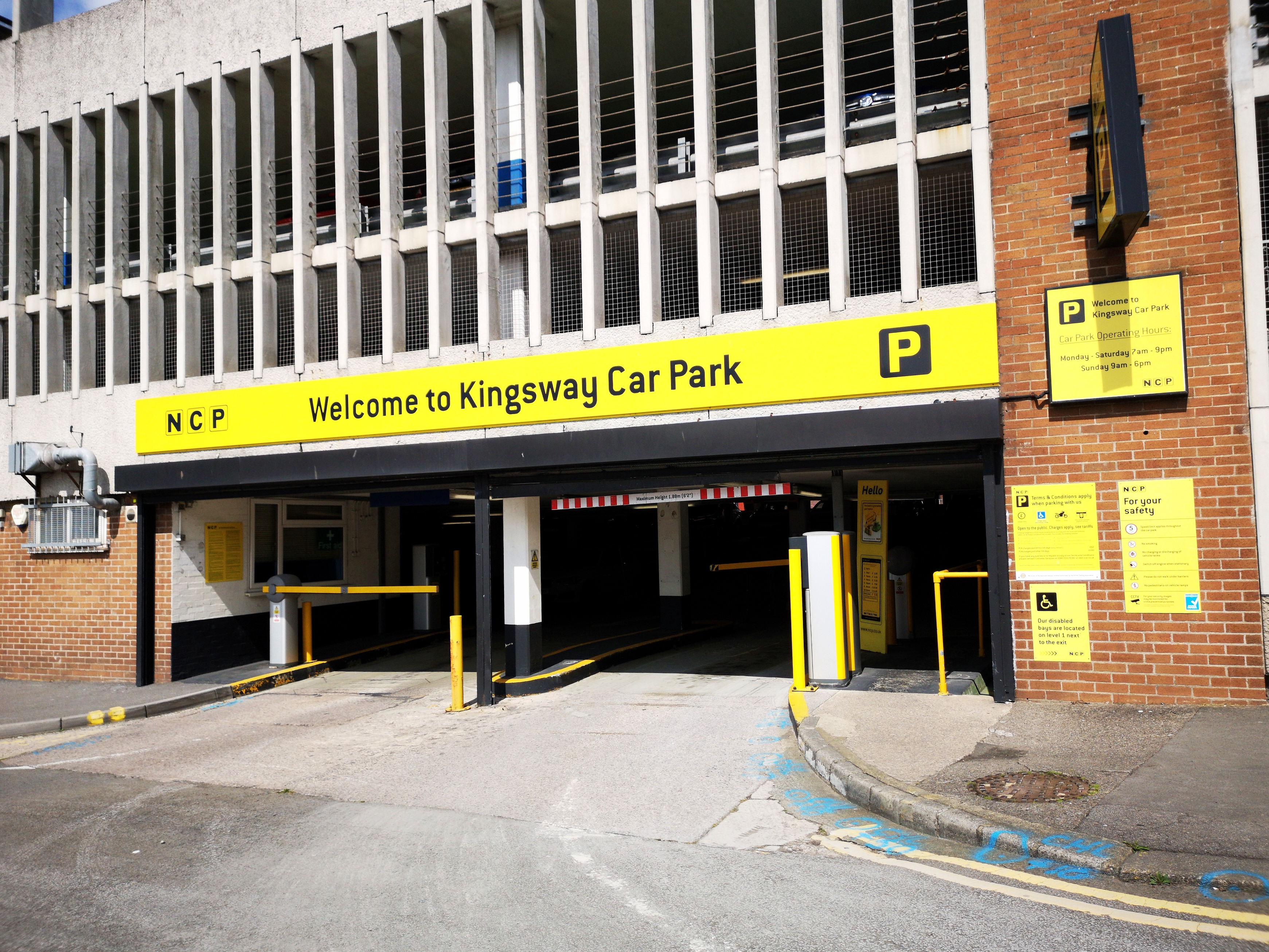
Some NCP car parks, however, have trialled the installation of a number of larger parking spaces in an attempt to reduce the parking space struggle for motorists. Disappointingly, they found that this had a negative knock-on effect on the number of parking spaces available, meaning that parking was still inefficient.

With endeavours to solve the issue with parking bay measurements failing, other problems are beginning to arise.

A study by Accident Exchange claims that parking incidents now account for a worrying 30% of accidents, while over 675,000 parking collisions are now registered every year at huge costs to insurance companies (almost £1.5 billion).

Similarly, when AA polled its members, findings revealed that 43% said they’d had a dent or scratch caused by someone else in a car park.

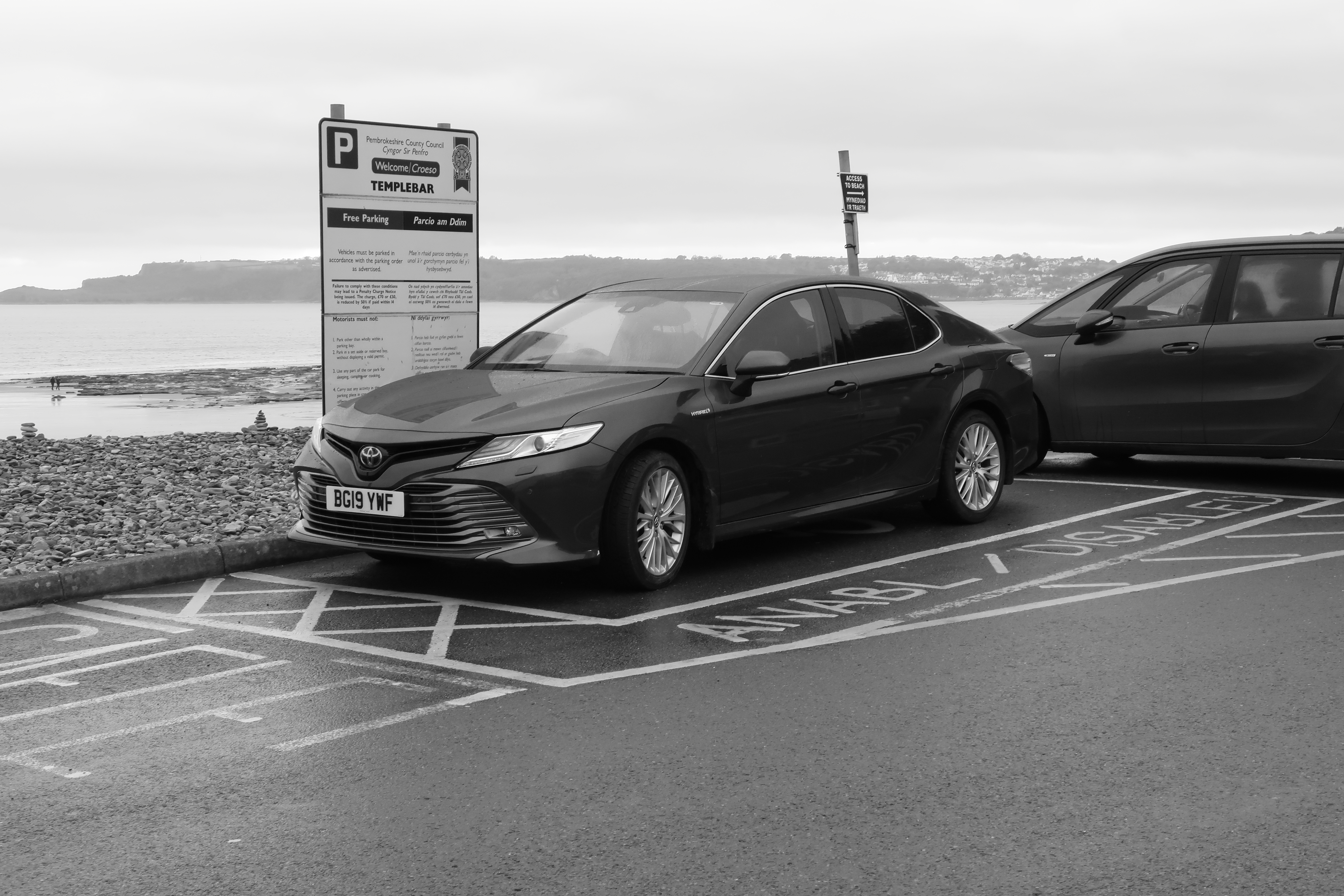
Parking spaces

[Image: Shutterstock, December 2020]

Small Car Park Spaces

Accidents do happen, but a recent study by Halfords showed that while ‘the majority of drivers blamed their scratches on inconsiderate drivers parking too close’, their research concluded that actually ‘the size of the parking spaces left them little choice.’

Their research also found that for each dent or scratch, drivers have to fork out a minimum of £50 in repairs or risk having the value of their vehicle reduced drastically by hundreds of pounds. Car doors were most likely to be damaged, closely followed by bumpers and wing mirrors.

It was also interestingly revealed by Halfords that supermarket car parks were by far worst culprits for small parking spaces, with up to 38% deemed as being too small for most vehicles, particularly when taking into consideration extra space for loading shopping.

And, it’s not just damage to cars that is being caused by small parking spaces. Drivers have also reported sustaining injuries from having to squeeze in and out of cars crammed into tiny parking spaces, with muscle strains and back injuries being the most common complaints.

Although more and more cars are being fitted with parking sensors and cameras, making parking easier, most drivers are still having to deal with the everyday frustrations and anxieties linked to small parking spaces and larger cars. From being unable to find a suitable parking space, to having to fork out for parking-related repairs, or even sustaining parking-related injuries, it is clear that parking spaces designed in the 1970s are no longer sufficient for our ever-growing vehicles.

 What are your thoughts on parking spaces stuck in the 1970s? Has your car been damaged as a result of unviable parking space dimensions?

 Let us know in the comments.

Hybrids are fake electric cars and pollute more than electric cars claims report

Hybrids are fake electric cars and pollute more than electric cars claims report

According to a report by Emissions Analytics, plug-in hybrid cars are worse for the environment than drivers are being led to believe, with some spewing out up to 12 times their claimed carbon dioxide emissions. Plug-in hybrid electric vehicles (i.e. PHEVs) have been hugely popular of late, as they enable drivers to dip their toe in the water with EV but avoid problems with range anxiety that pure EV’s provide. In fact, in many cases, PHEV vehicles claim MPG rates higher than petrol or diesel vehicles because they combine EV fuel efficiency at low speed with petrol and diesel efficiency at higher speeds. However, the report found that even when vehicles have their batteries fully charged and used in the optimum conditions, they can emit up to 89 per cent more CO2 than claimed. A few weeks ago, Boris Johnson unveiled his Green Industrial Revolution plan, headlined by a sales ban for new petrol and diesel cars from 2030. However, PHEVs are likely to not be banned until 2035 according to the latest guidance. British firm Emissions Analytics ran the PHEV tests on behalf of campaign group, Transport & Environment (T&E). They reviewed the BMW X5 45e, which costs from £66,451, the £50,695 Volvo X60 Recharge and the extremely popular £35,815 Mitsubishi Outlander PHEV. When driven under normal road conditions with a full EV battery, the PHEVs emitted between 28 and 89 per cent more CO2 than they car makers claim. And when driven with an empty battery and therefore reliant on their petrol engines, they emitted three to eight times more than official values. And in battery-charging mode, with the combustion engine and regenerative braking system helping to replenish the batteries, the PHEVs emitted three to 12 times more CO2 than officially stated.
Hybrid Cars
[Source: Shutterstock, November 2020]

PHEV and EVs as company cars

Plug-in hybrids have become very popular among businesses and company car drivers because they provide significant tax breaks compared to a conventional petrol or diesel car. Over 50,000 PHEVs have been registered in the UK so far in 2020, with sales up to the end of October showing a year-on-year increase in demand of 91.5 per cent. However, user studies found that many drivers are not using them in the most efficient way. Owners are failing to plug the vehicles into the mains or dedicated electric vehicle chargers to replenish the batteries and are instead relying on the combustion engine for most journeys and when they so this make them bigger polluters than normal petrol vehicles. This also makes plug-in hybrids less economical as the combustion engine has the added burden of shifting heavy battery packs, which in turn burns more fuel than conventional cars. However, this study highlights that governments should not only end the availability of PHEVs sooner than planned but also remove generous tax breaks for plug-in hybrids that, it says, are ‘fuelling another emissions scandal’. Julia Poliscanova, senior director for clean vehicles at T&E, said: ‘Plug-in hybrids are fake electric cars, built for lab tests and tax breaks, not real driving. ‘Our tests show that even in optimal conditions, with a full battery, the cars pollute more than advertised. ‘Unless you drive them softly, carbon emissions can go off the charts. Governments should stop subsidising these cars with billions in taxpayers’ money. Plug-in hybrids are fake electric cars, built for lab tests and tax breaks, not real driving.’ In the study, Emissions Analytics found that once the battery is flat, the three plug-in hybrids can only drive between 7 and 14 miles using the petrol engine before they overshoot their official CO2 emissions. ‘This is contrary to the misleading carmaker narrative that PHEVs on sale today are suited for long journeys,’ says T&E. ‘In fact, they have to be charged much more frequently than battery electric cars, which can cover around 186 miles on a single charge,’ it adds. While carmakers blame customers for using the engine too much, the PHEV models on sale today often lack the necessary EV power, range or charging speed, the report highlighted. The investigation found that two of the three cars analysed – the BMW X5 and Volvo XC60 – cannot fast charge. The Mitsubishi Outlander’s manual also states that the petrol engine may start if the PHEV system is too hot or too cold, if quick acceleration is applied, or if the air conditioning is operating – all of which are very likely scenarios. Julia Poliscanova concluded: ‘Car makers blame drivers for plug-in hybrids’ high emissions. But the truth is that most PHEVs are just not well made. They have weak electric motors, big, polluting engines, and usually can’t fast charge. Selling plug-in hybrids makes it easier for carmakers to meet their EU car CO2 targets as PHEVs are currently given additional credits. T&E said the EU should end this weakening of the regulation when it reviews the targets for 2025 and 2030 next year.

Industry and Car Makers Respond

Mike Hawes, SMMT chief executive, said: ‘There will always be a difference between lab tests and real-world use, but the internationally regulated WLTP and RDE tests prove that plug-in hybrids deliver substantial emission reductions compared to pure petrol or diesel equivalents. ‘PHEVs provide flexibility, with the ability to drive in zero emission mode for typically 25 to 40 miles – more than ample given that 94 per cent of UK car journeys are less than 25 miles. ‘This makes PHEVs perfect for urban commutes while avoiding “range anxiety” over longer journeys, reducing emissions and improving air quality. ‘We can’t comment on unverified, unregulated tests by commercial entities, but even these have found that PHEVs emit at least 25 to 45 per cent less CO2 than their pure ICE [Internal Combustion Engine] counterparts, and of course, they emit 100 per cent less when driven in battery mode.’ Volvo, BMW and Mitsubishi were asked to comment on the report and all doubted the reliability and accuracy of the tests and stated that their labs tests were ‘independently verified and confirmed by leading industry experts’, and questioned the accuracy and veracity of T&E’s claims. Are you surprised that hybrid vehicles are not only less fuel efficient, but also bigger polluters than normal petrol and diesel vehicles? Do you trust the study by T&E or the car makers?  Let us know in the comments below.
Speeding up by 7% during first lockdown claims Department of Transport

Speeding up by 7% during first lockdown claims Department of Transport

According to data from the Department for Transport’s speed compliance statistics for January to June 2020, it found evidence of an increase in motorists breaking speed limits from mid-March, just as the lockdown was put in place.

The statistics found that 30mph zones were the most frequently exceeded by drivers, rising to 63 per cent during the lockdown compared to 56 per cent over the same period in 2019.

UK traffic levels during the first restrictions fell to as low as 25 per cent of the normal as people were forced to stay home or walk and cycle more often to get around.

MPs, councils, and police reported a growing number of excessive speeding cases. In June, traffic officers caught eight drivers doing more than 130mph and a Porsche doing 163 mph.

On social media a driver was also pursued by the police after posting a video of his Audi reaching 200mph in Kent.

The speed data is compiled using Automatic Traffic Counters put in place across the country by the department.

Exceeding the speed limit by 10mph went up from 13 per cent to 15 per cent on motorways, one per cent to three per cent on single carriageway roads and six per cent to eight per cent on 30mph roads,

Once the lockdown started to relax, breaking the speed limits returned to normal levels even though there was still much less traffic on the road, as if the speeders were looking out for the Police again.

Speeding up

[Image: Shutterstock, Nov 2020]

AA & RAC concerned by speeding

Head of AA Roads Policy Jack Cousens said the DfT’s published figures were ‘worrying’.

‘Of great concern was the increase on 30mph roads, given there were more pedestrians and cyclists exercising or avoiding public transport during the first lockdown’.

However, Mr Cousens say that despite some high-profile law breakers, UK roads did not turn into racetracks during the lockdown as described by some figures.

‘Early in the lockdown, there were incidents of extreme speed on motorways, main roads and even residential streets, particularly around London, as offenders thought the police would be busy enforcing the lockdown.

‘However, through a series of high-profile “arrests” and social media, the police made it clear they were still on the case and that extreme speeders would be targeted. Additionally, and carrying on through the second lockdown, rural police forces have had to crack down on speeding along quieter country roads and villages.’

RAC’s head of roads policy Nicholas Lyes told ThisisMoney that ‘lower traffic volumes sadly led to some shocking levels of speed limit disobedience, particularly on 30mph limit roads. This is dangerous behaviour unnecessarily put lives at risk during the first national lockdown when more people were walking and cycling.

‘Empty roads should not be an excuse to drive dangerously and it would be frightening to think one of the legacies of the lockdown is a complete disregard for speed limits and other road users’ safety.’

As we are into the second lockdown, there is a feeling that we may see a repeat of the speeding behaviour as drivers think the police are busy handling Covid 19 problems. There is an argument to say that in the absence of police, other drivers should make sure they report these speed demons to prevent it becoming a regular occurrence.

Do you think that speeding during lockdowns should be punished more harshly? Would you record and then report someone speeding?

 Let us know in the comments below.
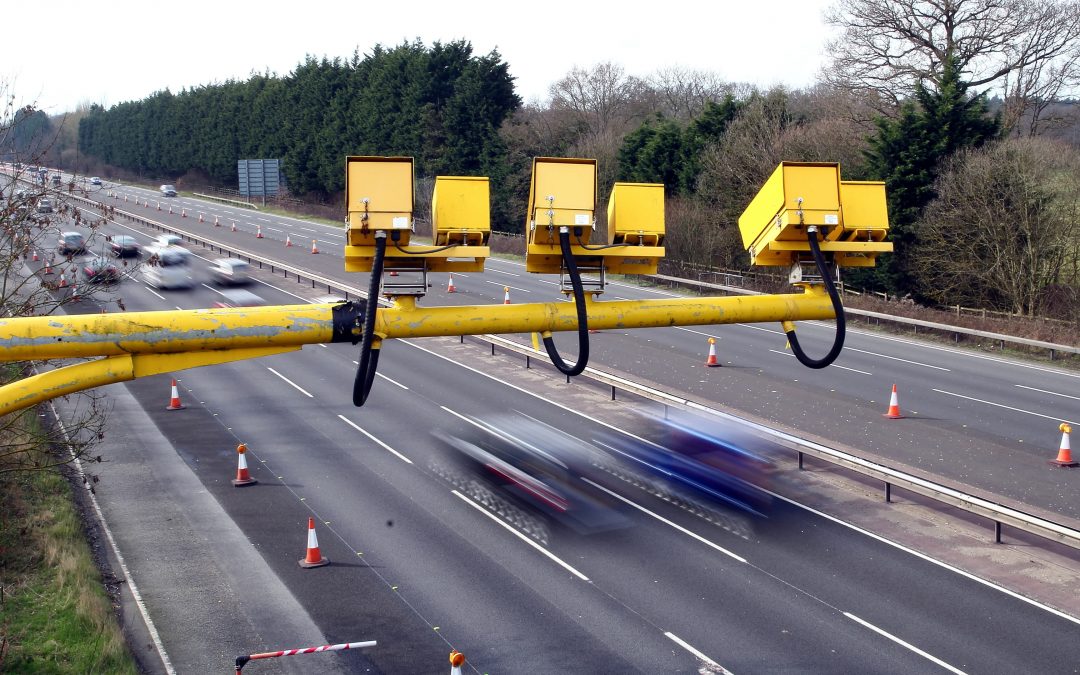
Third of UK drivers cannot afford to buy even the cheapest electric car says CEBR

Third of UK drivers cannot afford to buy even the cheapest electric car says CEBR

One in three motorists cannot afford to buy and then maintain even the cheapest electric car, according to the economic research group CEBR.

That number equates to ten million households, that cannot afford to buy the cheapest electric car. If you do a quick search on Autotrader, the cheapest is a used 2014 Renault Zoe for £4,895 on a battery lease.

And middle-earning households will also struggle to pay for one of the cheapest leased electric vehicles – which is the £170-a-month Skoda Citigo.

The Centre for Economics and Business Research (CEBR) carried out the research and they showed that drivers need to be spending around £2,100 a year on their current car, including fuel, to afford an electric vehicle.

But low-income households that spend £1,800 or less could afford a plug-in car at a squeeze, but those who spend around £1,400 or less a year will have difficult, which is one third of all drivers on the roads.

CEBR economists said the research proves that ‘access to an electric vehicle is a pipe dream for a third of the population’.

The findings are a bit of a blow to the Government plans to ban sales of new petrol and diesel cars by 2030. Motor groups have described the £12billion plan as ‘incredibly ambitious’ when plug-ins account for just 0.3 per cent of vehicles.

electric cars

[Image: Source Shutterstock, Nov 2020]

High up-front costs and a lack of road chargers have been blamed for stagnating demand; plus, new entry-level electric vehicles are around £5,000 more expensive than equivalent diesel or petrol fuel models.

There is also the hidden cost of servicing and repairs, which is higher for electric cars, and many people rely on the car maker garages because independent mechanics rarely fix electric cars from a range of brands, so costs are usually higher.

Although electric cars have a higher up-front cost, the average lifetime running expense – including purchase – is £52,100, against £53,600 for petrol.

One in six English councils has failed to install chargers on residential roads, even though 2.8million will be needed in the next 10 years.

Howard Cox, founder of the lobby group FairFuelUK, said the plans risk ‘demonising’ petrol and diesel drivers unable to afford the switch to electric. Has the Government asked low income households, families and hard-pressed small businesses if they have signed up to their inequitable green revolution?’

 Do you think the Government’s plan to ban new petrol and diesel cars by 2030 was a bit too early? When are you going to go electric, or will you wait for hydrogen cell vehicles?

 Let us know in the comments below.
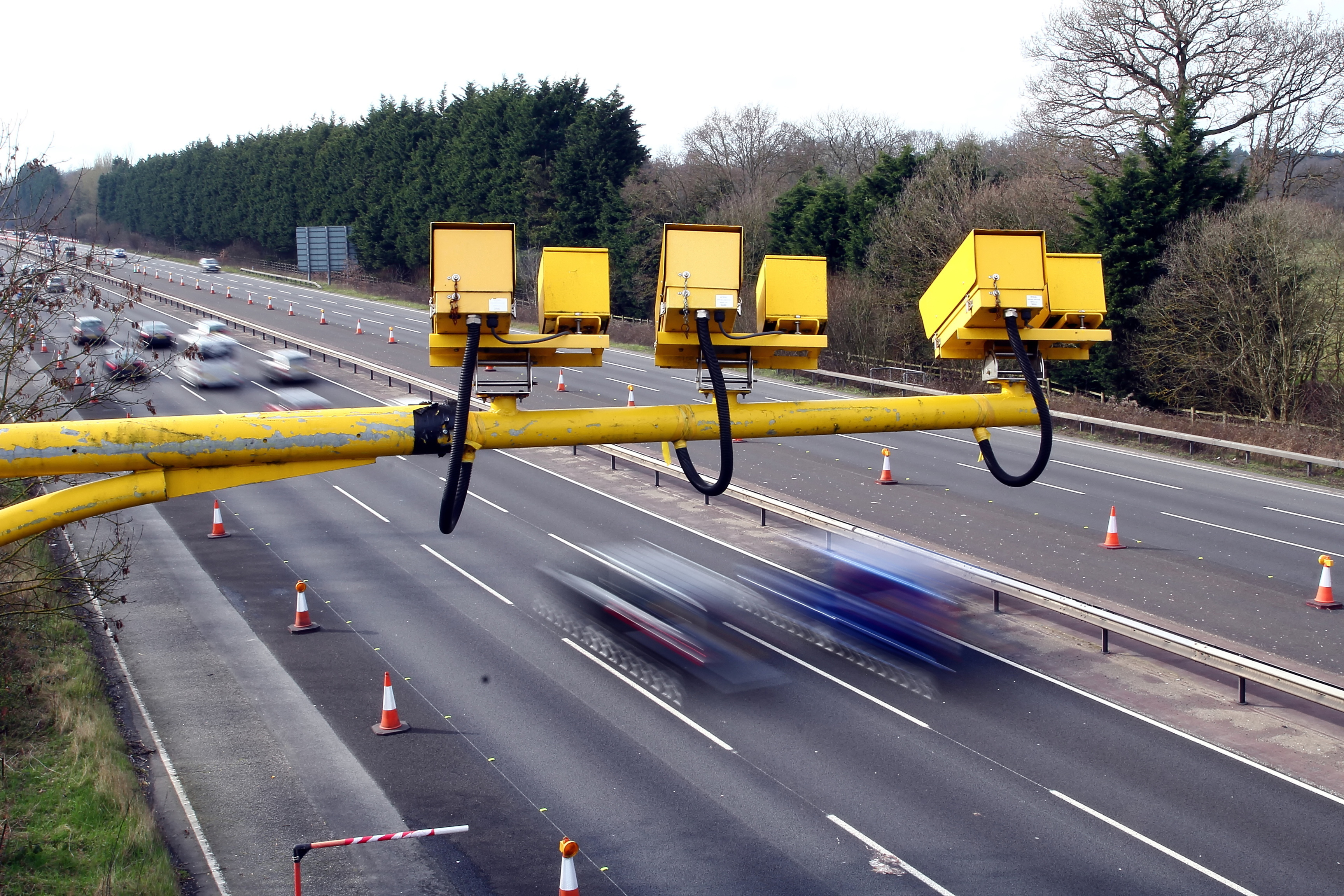
Top paramedic warns, new cycle lanes are slowing ambulances down in traffic jams

Top paramedic warns, new cycle lanes are slowing ambulances down in traffic jams

Unless you are a real petrolhead, almost everyone agrees that it is a good idea to reduce the number of journeys by fossil fuel vehicles, which helps reduce road pollution and associated deaths caused by road pollution.

The Government and local councils have thrown everything behind imposing cycle lanes and traffic calming measures on to residents, under the cover of the pandemic, without any consultations or considering alternative measures, such as incentives to not drive, car sharing, park and ride schemes and better electric powered pubic transport.

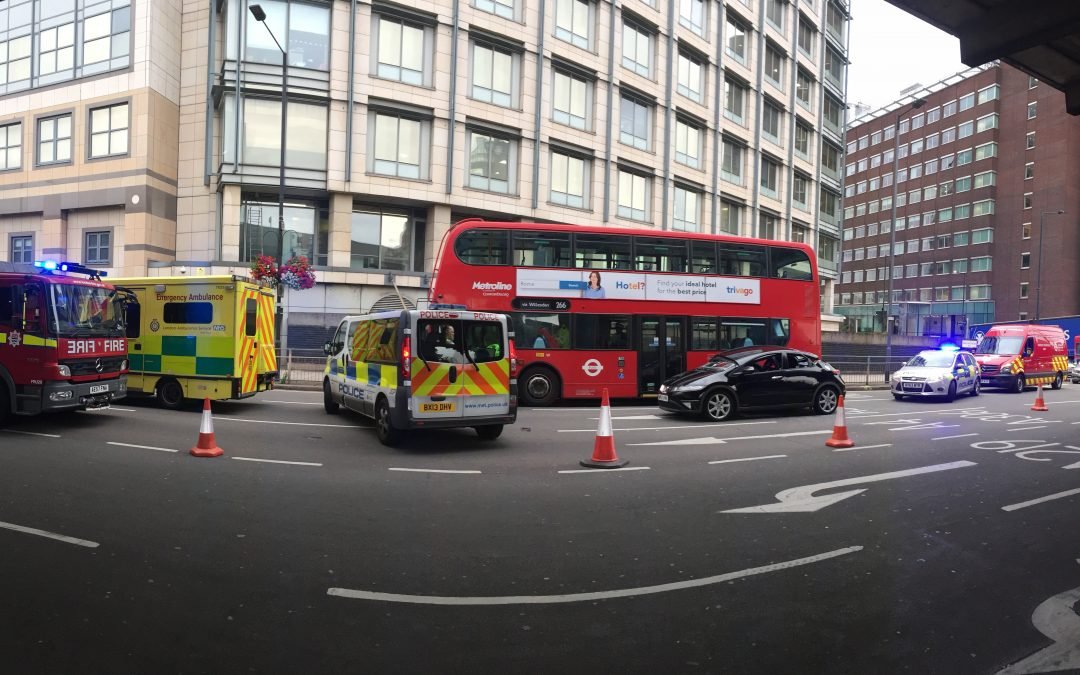
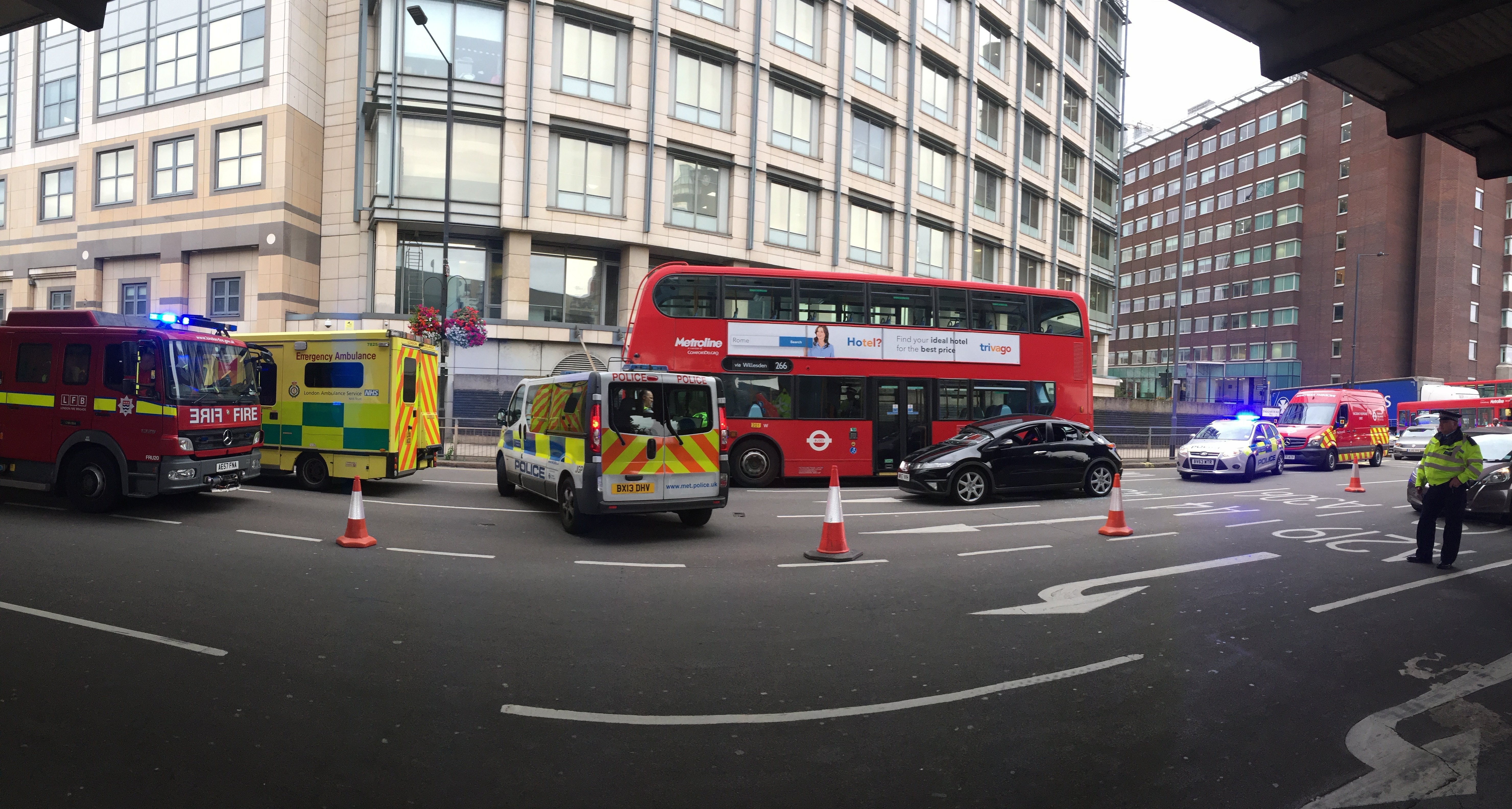
Now we hear that lives are being put in danger because ambulances are stuck in traffic caused by controversial new cycle lanes and this raises some real concerns.

One of Britain’s leading paramedics warned that emergency vehicles are being delayed after councils were handed millions of pounds to turn car lanes into cycle-only routes. They are being rushed out to try to encourage more people to cycle to work rather than use public transport or their cars because of the pandemic.

It does not seem to be about reducing road pollution, there is a very apparent agenda to try to make it harder for people to drive in major towns and cities.

Official figures reveal that the number of people cycling has fallen by 25 per cent since the first lockdown in the spring, but the rollout of cycle routes continues.

Richard Webber, the national spokesman for the College of Paramedics, informed The Mail on Sunday: ‘If you are having a cardiac arrest, your chance of survival decreases by ten per cent for every minute’s delay. If ambulances are stuck waiting for someone to open a barrier or taking a long route around to your house, then you’ve got a big problem.’

‘Lots of areas have segregated roads now in such a way that you physically can’t get down the road and therefore we’ve had to do long detours.

‘In some areas where they once had two lanes, they have now gone down to one lane of traffic and a cycle lane and the problem with that is there is nowhere to go.

‘People can’t get out of the way and ambulances get stuck in traffic. It has been the same in various city centres.’

Mr Webber urged councils to consult with ambulance services: ‘They need to think that if someone was having a heart attack, could the ambulance get to them as quickly as it could now? But I don’t think the councils are thinking like that.’

Ambulance stuck in traffic

[Image source: Shutterstock Nov 2020]

Ambulances get stuck on London roads

There are several eye-witness accounts of emergency vehicles caught up in road congestion.

On social media last week, a video showed an ambulance with flashing blue lights unable to pass a long queue of cars on the busy Euston Road in Central London. Vehicles restricted to a single lane were unable to move out of the way because of the new cycle lane bollards.

Another ambulance on an emergency call was pictured stuck in traffic close to Euston Station while the new cycle lane was empty. One furious paramedic was pictured shoving blocks out of the way during an emergency call in Harrow, North-West London.

Some residential roads in the area had been blocked off with barriers to create ‘low traffic’ zones, but the ambulance could not get through. And in the Conservative-led council in Wandsworth, South-West London, scrapped its new cycle lane plans after seeing footage of the problems that ambulances have had in Tooting.

Duncan Dollimore, Cycling UK’s head of campaigns: ‘The Government confirmed on Friday that when councils implement any highway scheme, including cycle lanes, they must consult with emergency services.

‘Cycling UK fully supports this and is available to address the concerns and any evidence the College of Paramedics or any health trust might have. To date no one has contacted us.’

Let us be clear, this is not a cyclist versus motorist issue. All users want to share the highways responsibly, but this is going to lead to the loss of lives. While its important to provide cycle lanes, this must not be at the expense of the existing roadways set aside for cars, especially since cyclists can use the same roads as well.

Do you think the Government and local councils should be allowed to do this without consulting emergency services? Let us know in the comments below.
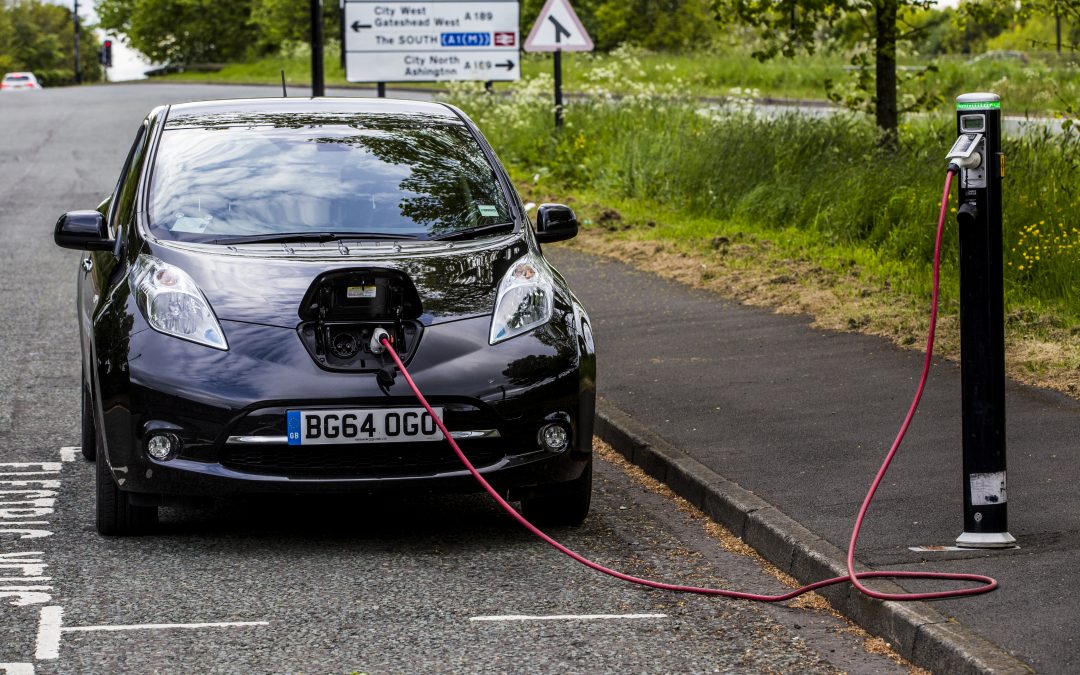
“Poll tax for motorists” considered to replace £40 billion a year fuel and vehicle excise duty black hole

“Poll tax for motorists” considered to replace £40 billion a year fuel and vehicle excise duty black hole

Now that the Government is expected to announce that the sale of new petrol and diesel cars will end by 2030, the Chancellor is seriously considering a “pay as you drive” tax on motorists to replace the lost future tax income moving away from fossil fuels and into EV as well as hydrogen fuel.

However, campaigners view this idea as a “poll tax for motorists” that will especially hit drivers living in remote parts of the country disproportionally. A similar scheme was ruled out by Labour in 2007 amid uproar that drivers could be charged up to £1.50 a mile.

But the proposed policy has come back, with The AA warning of a driver revolt and urging ministers to come up with a ‘more imaginative solution’.

At present there are only a handful of places where charging is in place, such as the M6 Toll in the Midlands, the Dartford crossing on the M25, London’s Congestion Zone and a handful of small tunnels and bridges.

A nationwide policy is being considered amid fears the switch to electric vehicles will leave a massive tax shortfall, in fuel duty and vehicle excise duty.

However, any move would lead the Government to undermine its own policy to encourage people to drive electric cars because its much cheaper than fossil fuel vehicles.

It came amid reports Boris Johnson is going to reduce the deadline for the sale of new petrol and diesel cars by ten years to 2030 in line with several countries in the EU.

A ban on the sale of new petrol and diesel cars will have a huge impact on the Government’s income, with VAT on fuel currently generating around £6billion a year.

Fuel Duty, currently charged at 57.95p per litre on petrol and diesel vehicles, is on course to raise £27.5billion this financial year.

Finally, Vehicle Excise Duty (VED) – which is charged on the purchase of cars based on their emission levels – generates £7.1billion.

Pay Meters

[Image source: Shutterstock, Nov 2020]

Imaginative solutions needed say AA

Edmund King, AA president, urged the Government not to adopt a road pricing scheme as he warned it would be incredibly unpopular with motorists.

‘While the push toward electric vehicles is good for the environment, it is not good for the Exchequer,’ he said.

‘The Government can’t afford to lose £40bn from fuel duty and car tax when the electric revolution arrives.

‘It is always assumed that road pricing would be the solution but that has been raised every five years since 1964 and is still perceived by most as a “poll tax on wheels”.

‘We need a more imaginative solution and have proposed “Road Miles” whereby every driver gets 3000 free miles, with one third more for those in rural areas, and then a small charge thereafter.

‘Combined with commercialising the roads with an adopt-a-highway scheme with naming rights such as the Minecraft M1, Manchester Utd M6 or Adidas A1, this should be prove a more popular solution.’

There will be increasing pressure next year on the Government to find ways to claw back all the money that has been given out to tackle the Coronavirus pandemic. If a new tax scheme is seen as having green benefits, you can be sure that they will try to introduce it, even though it may be political suicide for the Conservatives.

It seems that even if the Tories lose at the next General Election, the Labour party will continue to do the same thing if they gain power, if not more so. Motorists are already having a hard time at the moment, so to introduce this scheme would see revolt amongst motorists of all kinds and perhaps direct action is needed to make the politicians aware that it will be not accepted by drivers under any circumstances.

 What do you think about a poll tax for motorists? Do you think it is a fair scheme or will it create untold misery for drivers? Would you fight back against it? Let us know in the comments.

Scammers list driveways on parking apps without owners knowledge

Scammers list driveways on parking apps without owners knowledge

Parking app Just Park has been forced to issue an apology to homeowners who have fallen victims to a new scam where fraudsters rent out their driveways and pocket the cash from people who park on their drive without knowing.

The website allows property owners and businesses to rent vacant parking spots to other drivers, but it appears that people who don’t own the car park space or driveway can fraudulently claim to be the owner and rent it out too.

Some owners have returned to their homes to find vehicles parked in their allocated spaces and driveways. The rules around drivers being parked on private land is a gray area, as such it is not technically illegal to park on private land without the owner’s permission, although new legislation may come into force soon to tackle this.

BBC Radio 4 You and Yours show highlighted the scam in their report last weekend.

Just Park is one of a few services that allows people to make money from their unused parking spaces or driveways, which is becoming a nice way to earn income for many homeowners.

These are often near train stations, sporting stadiums and other entertainment venues, a  parking space in a high demand area can attract earnings in excess of £1,000 a year.

Some drivers have discovered that their parking facilities have been advertised on the site without their permission.

Just Park said that cases of this are ‘extremely rare’, though the BBC show spoke to numerous victims of the scam.

Simon Gallagher told the BBC that strangers were parking in bays allocated to owners of flats in his building in Bexleyheath in Greater London.

‘This was going on for about a month or so… until one day somebody had left a note in the window of one of the cars that was parked there with a booking reference for Just Park,’ he said.

‘I looked it up on the website and to my surprise, found a photograph of the flat advertised out for rent’.

Incredibly, scam artists had been charging a £8 daily fee to use the spaces allocated to tenants in the building, and were pocketing the income from the venture without the rightful owner’s – or Just Park’s – knowledge.

Some owners of the parking spaces have now had to install bollards to prevent unsuspecting drivers from using their allocated bays.

Car parked in driveway

[Image source: Shutterstock, November 2020]

The BBC report that homeowners in Edinburgh were also victims of the same scam.

Barbara Oliver, who lives in Edinburgh, came back from holiday to discover that drivers had been parking their cars in front of her garage door.

‘It appeared that these people had used Just Park and had information to say that they could park there, which, as the property’s owner, I knew was not true’, Barbara told the BBC.

Just Park removed the adverts and says it will do the same with immediate effect if other fraudulent activity is identified.

The company’s founder and chief executive officer, Anthony Eskinazi, apologised to both Mr Gallagher and Mrs Oliver for the fraudulent activity carried out on its website.

‘We do have stringent checks in place to prevent spaces from being listed fraudulently. On rare occasions where they are added, we immediately remove them once notified and ensure that our community is not adversely affected.’

Have you been a victim of a similar scam and do you think parking apps should check who they allow to promote their driveways more? Let us know in the comments.

Banning new petrol and diesel cars by 2030 would boost economy and create jobs claims Greenpeace

Banning new petrol and diesel cars by 2030 would boost economy and create jobs claims Greenpeace

The British Government is due to announce a new date it proposes to introduce a ban on the sale of new petrol and diesel cars within the next week, and a new report backed by Greenpeace wants to bring it forward 10 years to 2030.

The current ban is due to come into force in 2040 as various bodies attempt to lobby the Prime Minister to agree to make it even earlier.

A report by Cambridge Econometrics has urged the Government to accelerate the ban to 2030 with claims that it will create more than 30,000 new jobs and provide a £4.2 billion boost to the economy.

Greenpeace has backed the report and called for the deadline to be brought forward to 2030, claiming it would increase employment and  economic activity, providing the government with a £1.9 billion net increase in revenue in a decade’s time.

Activists drove remote-control electric toy cars under the security gates of Downing Street and down towards Number 10 in a demonstration urging the Prime Minister to back a 2030 ban on new petrol, diesel and hybrid cars and vans.

Greenpeace claims that the report shows that by removing a decade off the current 2040 deadline, it would have enough of an impact to reduce emissions to enable the government to meet its current legally binding climate commitments, as well as boost the economy by £4.2 billion and generate 32,000 jobs.

‘Compared to a later 2035 date, moving the ban on sales of new petrol, diesel and hybrid cars and vans forward to 2030 would create 32,000 more jobs across society,’ the report said.

It added that these jobs would be created ‘across a range of sectors directly linked to the rapid transition to electric vehicles’.

As for increased economic spending, it says people will have more disposable income due to the ‘lower overall costs of owning and running an electric vehicle’ – though it fails to acknowledge the fact that electric cars are currently substantially more expensive to purchase than equivalent models with petrol and diesel engines.

The Committee on Climate Change, the government’s independent advisory body, has already urged ministers to adopt an even earlier target of 2030.

This demand was backed by more than 100 Tory MPs earlier this month as part of a plan to ‘build back greener’ after the pandemic.

Banning the sale of new petrol and diesel cars in the next decade would put the UK in line with countries including Ireland, the Netherlands, Denmark and Sweden which have 2030 as their target.

Reports have suggested that ministers could even choose to adopt a two-tier approach, with a ban on pure petrol and diesel cars set for 2030 and the phasing out of hybrids by 2035.

Petrol Pumps

[Image source: Shutterstock, November 2020]

Greenpeace claims that if you move the ban forward to 2030, it would result in 6.5 million more zero emissions vehicles on the road by 2040, than if was reduced to 2035.

A spokesman commented: ‘Greenpeace is calling for capital allowances for investment in conversion of assembly lines in order to make a rapid switch viable for manufacturers, and for the government to work with vehicle manufacturers, unions, devolved nations and local authorities to encourage investment in a UK-based Gigafactory’.

Greenpeace also backed plans for a zero emissions vehicle mandate that forces car makers to sell a rising amount of emission free vehicles each year or face penalties.

However, Greenpeace did not mention anything in relation to the impact of 6.5 million zero emission vehicles would have on the national grid and recent research shows this is a concern amongst drivers.

Drivers concerned by electric switch

AA members were surveyed in September 2020. The survey results said that the impact on the National Grid was one of the three biggest hurdles for drivers when considering a switch to electric cars, 63% said the grid could not cope with millions of cars yet and would need more power stations.

Other two biggest concerns were that electric cars remain too expensive (89%) and charging times for EVs takes too long (72%) which is linked to range anxiety, especially EVs with older battery tech, or entry level cheaper EVs on sale.

Graeme Cooper, electric vehicle project director at National Grid, insisted there was capacity to cope with an increased demand for power. ‘About a third of CO2 emissions in the UK come from transport so the government has to really turbo-charge the decarbonisation plans here to get the UK trajectory to meet the net-zero targets.

‘We are confident that a faster transition is possible and we are suitably robust to cope with the forecast uptake in electric vehicles.’

What do you think about bringing the ban forward from the current 2040 to 2030? Is that too soon, or do you agree with Greenpeace and think sooner the better? Let us know in the comments below.
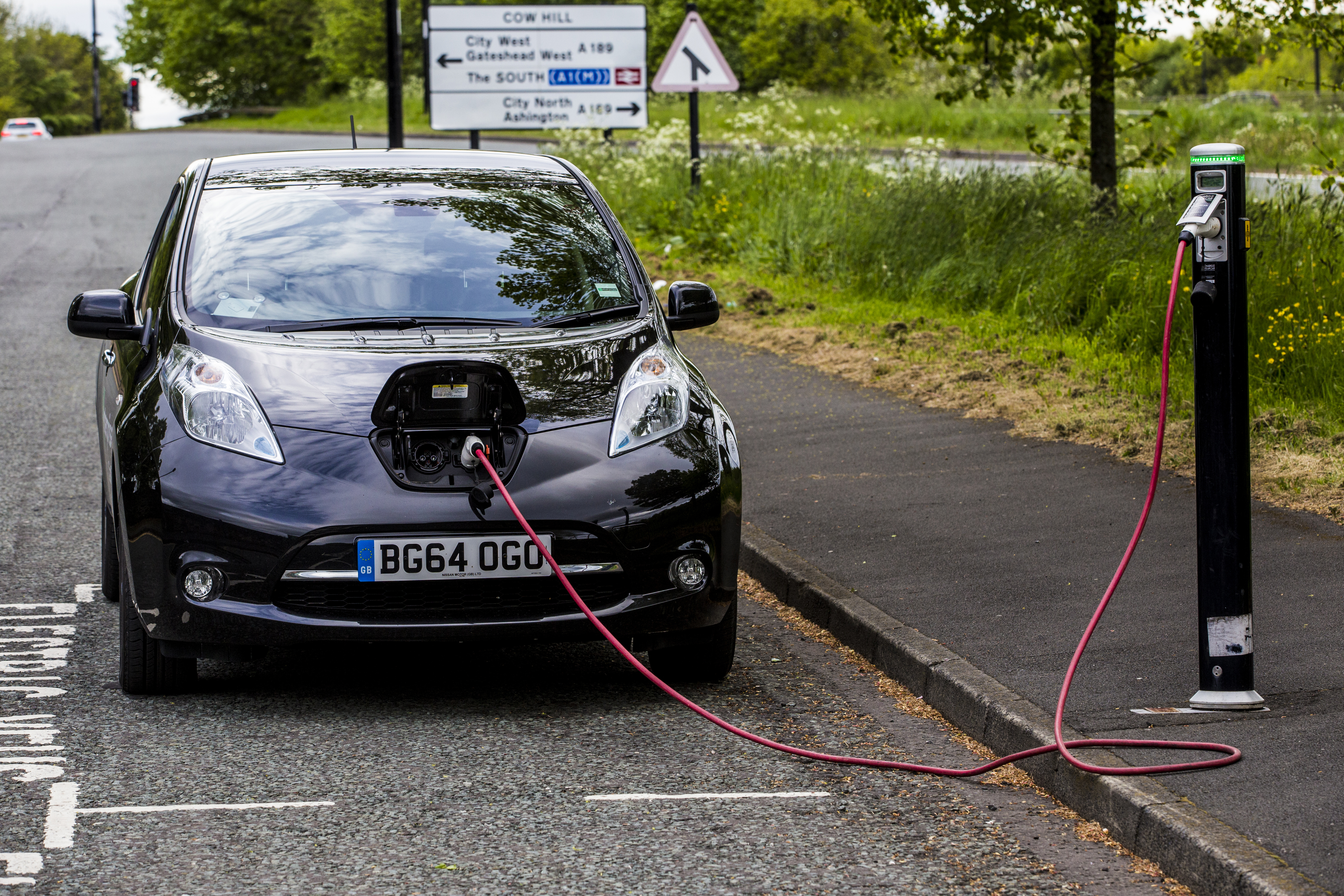
ASDA cuts petrol and diesel prices before second lockdown

ASDA cuts petrol and diesel prices before second lockdown

ASDA has cut the price of petrol by 2p-a-litre and diesel by 3p-a litre before the country enters a second lockdown.

Pump prices will be dropped at all their 322 filling stations on November 3rd 2020 in response to falling wholesale costs being passed direct to customers.

However fuel price experts have confirmed that petrol prices will not fall below £1 as they did in the first lockdown, because there is more certainty around the planned restrictions and higher demand amongst motorists, so wholesale prices are staying more consistent.

From today, drivers filling up at ASDA will pay 108.7p for unleaded and 111.7p per litre for diesel.

Dave Tyrer, ASDA senior fuel buyer: ‘We want to continue to support the nation during this second lockdown by passing on reductions in wholesale cost of fuel to our customers.

‘We hope this will provide some additional support to those essential workers, such as NHS staff and key workers who are still required to make essential travel journeys to and from work.’

Fuel experts claim that retailers have not needed to cut prices recently because wholesale fuel prices have hardly changed since July.

However, last week oil prices fell $4-a-barrel, which should see around 2p in cost saving being passed to drivers.

The falling oil price is as a result of ongoing concern about coronavirus, but also what impact the US election will have on prices in the future.

Luke Bosdet, The AA: ‘Only last week did the cost to the trade fall significantly and the speed with which Asda has slashed its prices is what makes it stand out as the leading supermarket for cheap fuel.’

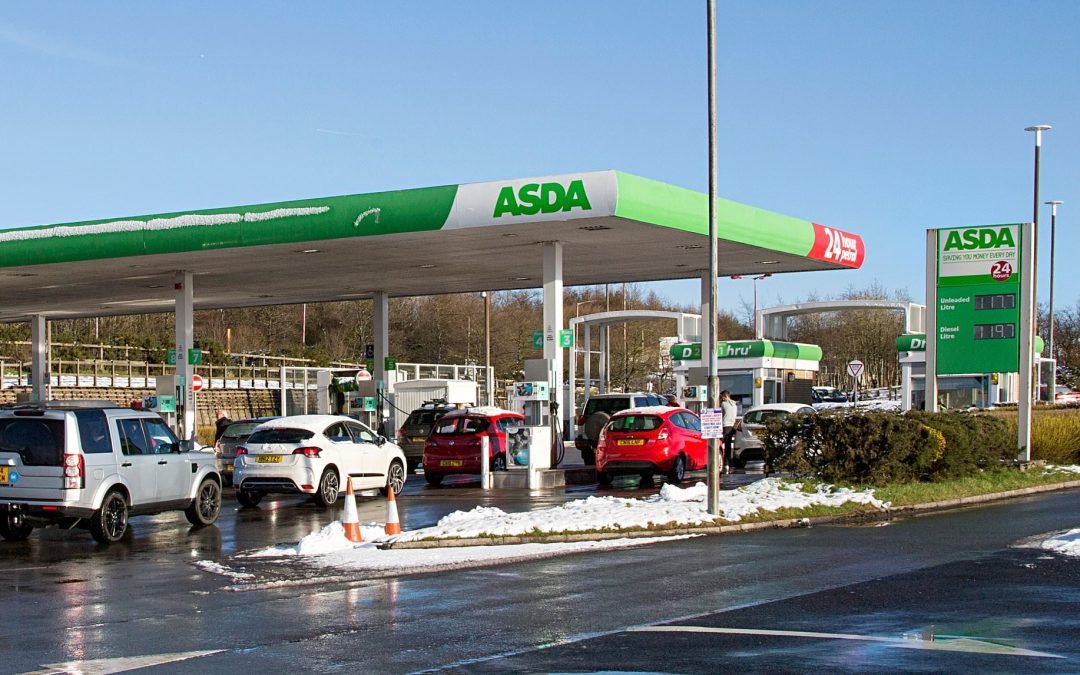
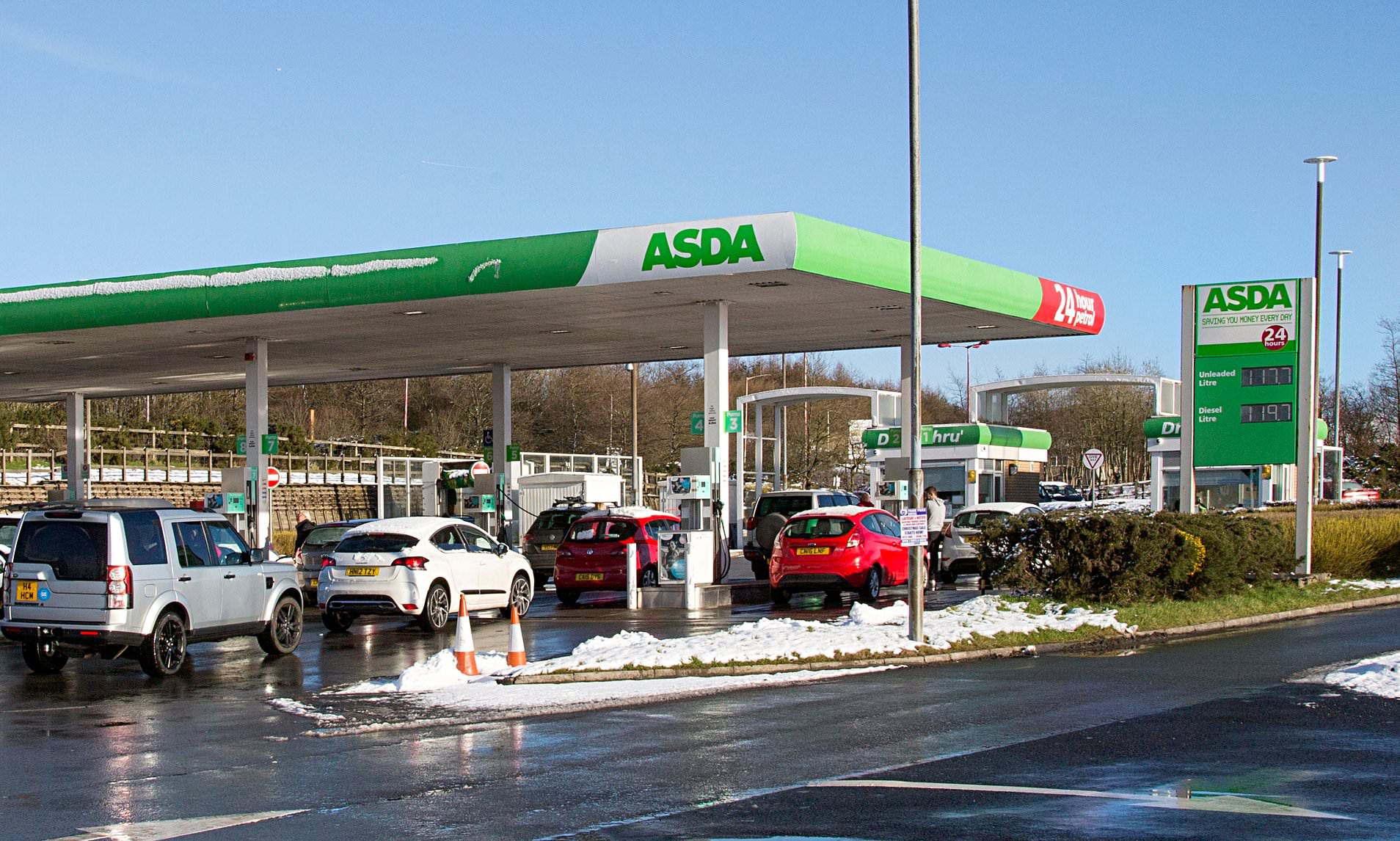
Asda Forecourt

[Source: Thisismoney.co.uk 2020]

Second lockdown will not mean large fuel price reductions

Motorists are unlikely to see fuel prices fall to the same extent as when the Government imposed the first lockdown in Britain earlier in the year in March.

Saudi Arabia and Russia were in the middle of a price war when the latter refused to reduce oil production, which saw oil prices fall by 65 per cent coupled with global demand for oil drop by as much as 80 per cent.

In the UK, the cost of unleaded fell below £1-a-litre for the first time since 2016, and many rural retailers faced closure due to the huge fall in sales, who are so reliant on fuel as well as food sales.

However, Luke Bosdet from The AA does not think we will see the same occur with this lockdown.

‘Although traffic will fall with a second lockdown, there are significant numbers of people who will need to use their cars: school runs, students to their colleges and universities, workers who can’t work from home or their workplaces are now covid secure and, of course, NHS and other emergency service workers,’ Bosdet said.

‘In the last lockdown, many fuel stations held back savings from lower wholesale prices because they said they needed to compensate for lower fuel demand.

‘ASDA’s price cut throws down a challenge to other fuel retailers to do the right thing and, this time, charge a fair price for petrol and diesel.’

Simon Williams from RAC: ‘It’s good to see ASDA leading the way this morning with an initial price cut and we now need other retailers to follow suit as quickly as possible,’

‘While we’re not expecting prices to go as low as last time – March saw petrol prices under £1-a-litre as a result of oil prices falling to a 21st century low – any driver needing to fill up later in November should be greeted by the sight of lower prices, if retailers do the right thing.

However many motorists feel pretty hard done by, since fuel prices have not appeared to change at all this year, while the Government and firms are offering as many different forms of financial support as they can to keep people from losing their livelihoods and keeping roofs over their heads.

You would hope that other retailers will follow ASDA’s lead and drop petrol and diesel prices as they normally do, but we live in strange times and this may not happen if retailers are reliant on what trade is left during the lean winter months under lockdown.

EDIT: Sainsbury’s has announced a price cut on unleaded petrol by up to 2 pence per litre and diesel by up to 3 pence per litre across all of its 315 forecourts from tomorrow (Thursday 5th Nov)


Is this price reduction by ASDA a welcome change before the lockdown or is it irrelevant when most people will be forced to stop driving anyway? Should other petrol retailers drop their prices too? Let us know in the comments below.