1 in 10 Petrol Stations are selling Diesel at or below the price of Unleaded

1 in 10 Petrol Stations are selling Diesel at or below the price of Unleaded

Since 2003, diesel has consistently been priced higher than unleaded fuel on UK forecourts. However, a significant shift has occurred recently, as diesel prices have dropped below unleaded prices at an increasing number of locations.

In 2022, diesel prices peaked just below £2.00 per litre with a difference of over 13 pence per litre (ppl) compared to unleaded fuel. Both unleaded and diesel have dropped since July 2022; however, the difference between the two grades reached over 24ppl in November 2022. In March 2023, the wholesale diesel market experienced a notable decrease, while unleaded prices remained relatively stable, with a slight increase. Both have continued to drop through April, resulting in the wholesale diesel price falling below unleaded.

As these reductions in diesel prices gradually make their way to the pumps, our users have reported diesel being sold at or below unleaded prices at 1 in 10 petrol stations over the past week. Notably, leading supermarket chain Tesco has emerged as a key player in this price shift, with 15% of reported petrol stations offering diesel at or below unleaded prices. Sainsbury’s and Asda follow closely with 12% and 7% respectively, while Costco members enjoy both some of the lowest prices and with 32% of petrol stations offering diesel below unleaded.

In addition to the major retailers, several smaller brands and independent petrol stations are leading the way in reducing diesel prices. Brands such as GO, Solo, Scottish Fuel, Nicholl Fuels, Star, Total Energies, and Circle K boast over 33% of their sites selling diesel at or below unleaded prices.
Diesel v Unleaded Map

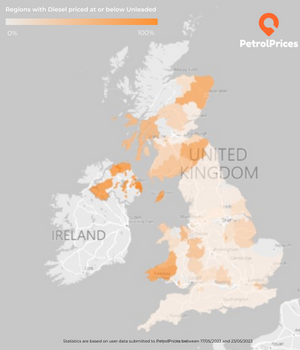
However, it is worth noting that the availability of lower diesel prices varies significantly across different regions of the UK. For instance, in Greater London, only 4% of reported prices show diesel being sold at or below unleaded prices. In contrast, drivers in Northern Ireland can expect to see stations offer diesel at or below unleaded prices with 80% of reported petrol stations offer diesel at or below unleaded prices. Aberdeenshire and the Highland regions also demonstrate a high proportion of petrol stations with lower diesel prices, with only 43% of stations selling unleaded above diesel. Meanwhile, in Carmarthenshire, diesel users are likely to find prices equal to or below unleaded at 71% of stations. Unfortunately, in Devon and Cornwall, most stations (96%) have diesel prices above unleaded, leaving drivers paying more for their fuel.

Diesel and unleaded prices are charging quickly currently, and competition is helping to drive down prices and ensure that UK drivers are being charged a fair price for their fuel. If you see a price that has changed, please consider updating it on the PetrolPrices app to help other motorists save on their fuel costs.
New Trade Organisation for EV Charging

New Trade Organisation for EV Charging

A new trade body for the electric vehicle (EV) charging industry, ChargeUK, was launched in late April and revealed investment plans up to 2030. ChargeUK brings together 18 of the UK’s largest charge point operators (CPOs), which have announced they will invest more than £6 billion in installing and operating new EV charging infrastructure by 2030.

Ian Johnston, chair of ChargeUK and CEO of Osprey Charging Network, said, “We will continue to be a proactive partner to government as we deliver a world-class charging infrastructure, giving the nation’s drivers confidence to transition to electric vehicles.”

Transport decarbonisation and technology minister Jesse Norman said, “The launch of ChargeUK shows how industry working together, alongside the Government, can release private investment, improve delivery, raise standards and promote the use of electric vehicle charging infrastructure for drivers across the country.”

Fiona Howarth, CEO of Octopus EV, added: “Charging infrastructure is the key to the EV revolution, and it’s great to see government and industry come together to supercharge the rollout. The government has set the direction, and investors are pumping in much-needed capital. With over 23,000 public charging locations and rapid chargers almost doubling every year, UK drivers can enjoy the benefits of EVs: tech-on-wheels with low-cost fuel. The UK has a real chance to charge ahead in the race to zero emissions transport.”

The 18 founding members of ChargeUK are Be.EV, Believe, BP Pulse, Char.gy, ChargePoint, Connected Kerb, ESB, Equans, Evyve, Fastned, Gridserve, Ionity, Mer, Osprey, Pod Point, PoGo Charge, Shell Recharge and Raw Charging.

The new body will have to address the four areas the UK Government identified in its consultation on the consumer experience at public chargepoints as those that are crucial in encouraging people to switch to EVs:

  1. Making it easier to pay, with a minimum standard for payment across all chargepoints.
  2. Opening up chargepoint data to enable users to identify available chargers.
  3. Using a single payment metric; standardising on pence-per-kilowatt hour (kWh)
  4. Ensuring a reliable network

As the switch to EVs continues, it is clear that the availability and reliability of chargepoints is a crucial factor in how fast the movement away from fossil fuels will be. Hopefully, Charge UK members will address the concerns expressed in an RAC survey from October 2022, where 60% of those surveyed said they wouldn’t switch to EV because there weren’t enough public chargepoints, and 49% were waiting for the technology to improve.

Be Bank Holiday Ready with Start Rescue

Be Bank Holiday Ready with Start Rescue

Sponsored content

With spring and summer comes warmer weather, Bank Holidays, and an increase in the number of people making road trips – all of which can see the UK’s motorways become jam-packed with cars.

Failing to plan properly for a road trip could mean the whole day or weekend is spoilt, so here’s Start Rescue’s guide to help you avoid traffic nightmares if you’re planning to hit the road on Bank Holidays.

Research the journey

Take the time to research your journey before setting off. Spending a few minutes using a service like Google Maps to plan your journey can help you map a route and get a rough estimate as to how long it would take to get to your destination on a normal day.

Of course, as we know, Bank Holiday traffic can often mean a longer journey time compared to what you would normally expect.  Setting off as early as possible is a good idea, helping to reduce the amount of time you’ll spend in queues of traffic.

Keep in mind that the worst congestion is likely to be in the vicinity of airports, ports, coasts, national parks and the south-west of England – so if you’re planning on heading to any of these, add extra time to your journey and expect delays.

Checking local news is also a good idea, as this will let you know if there have been any accidents en route to your destination, allowing you the time needed to re-plan your journey.

Carry out our pre-journey vehicle checks

Check your tyres

Figures from National Highways report that 1 in 5 motorway breakdowns are caused by tyre problems, highlighting the importance of checking your tyre tread and pressure.

Ensure your tyres have at least 3mm of tread (the legal UK minimum).
Also check your tyres are pressured to the manufacturer’s guidelines.

Underinflated or low-tread tyres make your vehicle harder to control and uses more fuel more quickly. They will also increase your stopping distance when braking.

Check your oil level

It’s always advisable to check your car’s oil level before heading off on any long journey.

Oil is essential to ensure your car’s engine works smoothly and effectively.

Its main function is to lubricate the engine’s internal moving parts, but it also helps cool the engine by evenly distributing heat.

Top up your screenwash

Bird droppings, bugs, or dirt from rain showers can all impair your vision when driving.

Ensure that your screenwash levels are topped up before setting off on any journey, to make sure you have a clear view of the road.

Water and coolant.

Your engine’s coolant level should be checked regularly to avoid causing serious damage to your engine. 

Low levels of water and coolant can lead to your engine overheating, especially in the warmer months so it is always a good idea to check the levels ahead of making any long journeys.

Keeping costs down

When undertaking long journeys in the car, drivers are advised to take regular breaks from the road, which can prove costly if all these are taken in motorway service stations.

Fill up your fuel tank before you set off at a local garage to avoid inflated prices.

Taking packed lunches with you will avoid the need to buy food when you stop.

Keeping the family entertained

Long car journeys can see children become bored and agitated, which can make the driver stressed. Therefore, it’s an idea to pack plenty of toys and books to keep youngsters entertained.

Playing games in the car is always a great way to pass the time and keep the kids happy.

You should also encourage them to have a nap on the way, as this will help them to be well-rested by the time you get to your final destination.

Start Rescue’s guide to help you avoid traffic nightmares if you're planning to hit the road on Bank Holidays.

Ensure you have suitable breakdown cover

Whilst pre-journey vehicle checks can help lessen the likelihood of a breakdown, having suitable cover in place can help to ensure that help is on hand should it be required.

A Which? Recommended Provider for Breakdown Services for four years running, policies from Start Rescue are available from as little as £19.75 per year.

Rated excellent on Trustpilot, Start Rescue repair over 80% of vehicles at the roadside.

With unlimited callouts, misfuel cover and accident recovery included as standard, arranging breakdown cover with Start Rescue will provide you with peace of mind ahead of setting out on your Bank Holiday road trip.

For more information or to get a quote, visit www.startrescue.co.uk

Ford’s Hands-Free Self-Driving System Approved For Use in the UK

Ford’s Hands-Free Self-Driving System Approved For Use in the UK

Drivers will be legally allowed to take their hands off the steering wheel on Britain’s motorways for the first time as long as they watch the road after the government approved another step on the path to self-driving cars.

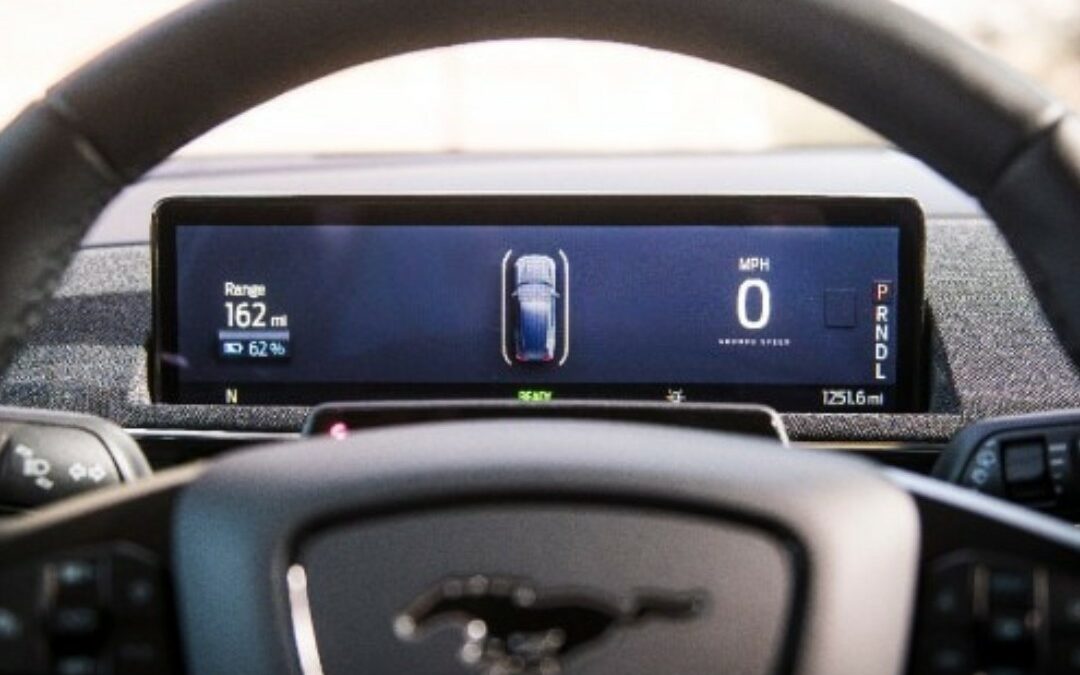
Ford has released “hands-off, eyes-on” driver-assistance technology in the UK, with Department of Transport approval for use on select roads, with 2,300 miles of pre-mapped motorways in England, Scotland, and Wales, designated as “Blue Zones”.

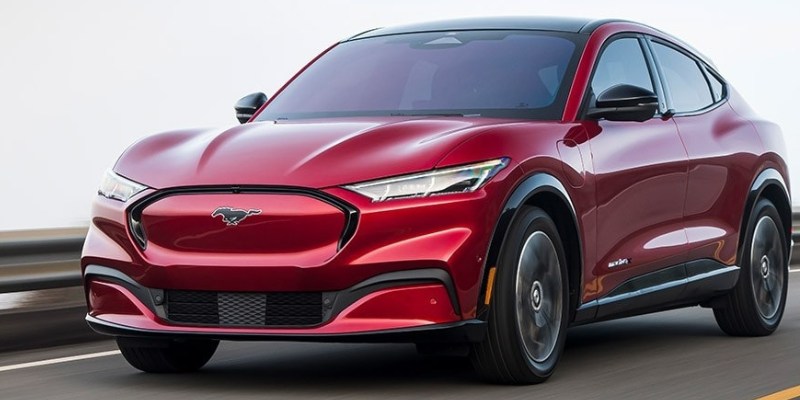
The subscription technology, called Ford BlueCruise, will initially only be available for 2023 models of Ford’s electric Mustang Mach-E SUV. According to Ford, the vehicle, which has a maximum speed of 80 mph, uses five radars to detect and track the position and speed of other vehicles on the road. Though the car can handle tasks like acceleration, braking, lane positioning, and steering independently, Ford requires the driver to be capable of taking control of the vehicle at any time and be fully aware of what’s going on for BlueCruise to function.

A forward-facing camera will detect lane markings and speed signs. At the same time, the car’s system uses an infrared driver-facing camera located below the instrument cluster to check the driver’s eye gaze and head pose to ensure their attention remains focused on the road. If the system detects that the driver is inattentive, warning messages will be displayed in the instrument cluster, followed by audio alerts and brake activations, before the vehicle finally slows down while maintaining steering control.

According to Ford, similar actions are performed if the driver fails to place their hands back on the steering wheel when prompted when leaving a Blue Zone.

Ford E-Mach

Increasing the Number of Self-Drive Cars

BlueCruise represents what’s known as a Level 2 driver-assistance system and is broadly comparable to Tesla’s Autocar offerings. It has been available since 2021 in USA and Canada, and in that time, more than 190,000 Ford and Lincoln vehicles have covered more than 60 million miles using the technology.

After a 90-day trial, BlueCruise will cost £17.99 per month. While self-driving technology might be considered an expensive and niche pursuit, UK government research predicts that by 2035, 40 per cent of new cars in the UK could have such capabilities. In August last year, the government said that a much wider rollout of self-driving vehicles could be expected as soon as 2025.

BlueCruise has two significant differences from Tesla Autopilot. First, the Ford system is designed to allow drivers to leave their hands off the steering wheel for long periods while driving on motorways that have been pre-mapped in detail. Second, BlueCruise uses an infrared camera inside the car to monitor the driver’s face and ensure they pay attention to the road ahead.

Jim Holder, the editorial director of Autocar, said the BlueCruise announcement was “another step on the road to autonomy, although the language Ford is using is a lot more cautious than Tesla’s”. He added: “It’s a good test of how much Britain’s drivers want this technology and are willing to pay for it. A lot of research shows people are pretty suspicious, and there’s a long journey to persuade people that they want it – and to pay a monthly fee to unlock benefits on top of the £50k they’ve already paid for a car.”

How Waves is cleaning up the hand car wash industry

How Waves is cleaning up the hand car wash industry

From the outside, it may seem that cleaning cars is a simple business, but the Car Wash Association released a report showing the size of the industry with an estimated 110m hand car washes every year.  The industry is highly fragmented and largely unregulated, tarnished by well-publicised variations in operating standards and high-profile investigations into modern slavery, labour exploitation and tax evasion.

So how can customers make a responsible choice for their provider? 

We caught up with Abby Holdsworth, Franchise & Innovation Director at Waves, one of the UK’s largest and most respected providers of hand car wash.  Waves operates from 275 high profile sites across the UK predominantly in supermarket car parks and for nearly a decade they have invested in bespoke software systems that have become key to managing the network. 

Technology is changing our business in a number of ways, explains Abby.

Customer choice

Technology gives our customers choice in how they interact with us:  they can use our App to find a car wash, pre-book, pay and collect loyalty points. On site the customer experience is simple: with check-in through our electronic booking in system, using ANPR technology to speed up the process and provide a seamless customer service.  To minimise waiting times, we message our customers once their car is ready. On the move, the customer can download receipts, check loyalty points, explore the range of services, leave a review and more.

Financial transparency

Historically, hand car wash has been a notoriously non-compliant sector. At Waves we use technology to deliver a transparent and compliant model:  electronic booking-in, integrated contactless payment technology and financial reporting improves the transparency of our business, providing reassurance to customers and landlords.

Wave Hand Car Wash

Ethical employment practices

Similarly, our employment practices are best-in-class thanks to our bespoke software systems.  Real-time information about our network’s 2,000 employees allows us to track trends, monitor pay and conditions, ensure training levels are attained and ensure attendance is logged for every member of staff.  Our technology gives particular reassurance to our Landlords (including Tesco, ASDA and Sainsbury’s) as well as an unparalleled labour insight into our network.

Business management

The data collected through the systems is collated to provide an end-to-end business management tool for our Franchise Partners who can track and compare trading levels, wash trends and customer purchasing patterns to manage their businesses more effectively.  They can centrally manage fleet accounts, take pre-bookings and run personalised marketing campaigns tailored for their business needs.  Technology gives our Franchise Partners flexibility to manage their businesses remotely, or on the ground. 

Cleaning cars will always be our passion, but thanks to technology we offer more to our customers: knowledge that we run a cleaner business as well as improved consumer choice.   Car washing has come a long way indeed.

Unleaded Prices Drop to Jan 2022 Level While Diesel Remains Higher

Unleaded Prices Drop to Jan 2022 Level While Diesel Remains Higher

Unleaded prices have continued to fall during 2023, with the average reported price falling below 145ppl for the first time since January 2022. Unleaded prices peaked in the summer of 2022, hitting 190ppl, but have dropped back 24% since July 2022.

Diesel users are not seeing the same reduction at the pumps as prices remain over 161ppl, up from 149ppl in January 2022. Diesel has only dropped by around 15% since the July 2022 peak. As a result, diesel users are paying more than 17ppl more than petrol; this compares to just 4-5ppl a little over a year ago.

However, this difference is reducing. Since the start of 2023, unleaded prices have dropped by 5ppl while diesel prices have dropped back in the region of 10ppl. Reductions in unleaded, diesel and other energy sources have started to help steady the inflation rate.

As well as seeing a reduction in prices, the range of prices is also narrowing. Fuel prices can vary significantly between petrol stations. This variation is especially true when there are significant changes in wholesale prices. As wholesale prices have become more stable, we have seen a reduction in price variations across unleaded and diesel. There has been a 4ppl reduction in this spread since the start of the year. However, shopping around for the best prices can still bring significant savings.


fuel-price


Two major reasons we are seeing this increase in diesel prices compared to unleaded are how we source diesel and unleaded and how diesel demand has grown.

The latest refining figures from gov.uk show the UK refineries produced over 4.1 million tonnes of unleaded in the third quarter of 2022, but the demand was only 2.8 million tonnes, meaning that the UK is a net exporter of unleaded. In comparison, the UK only produced 3.2 million tonnes of diesel but had a demand of 5.7 million tonnes, so it needed to import the shortfall. This can put pressure on the diesel supply chain and result in higher costs. The UK has also shifted away from Russian imports in favour of imports from the Netherlands, Belgium and Kuwait.

In addition, diesel demand increased by 5.2% compared to the third quarter of 2021, while unleaded fell by 3.9%.

Other factors that can influence the prices are refinery and forecourt margins. These continuously change depending on market conditions. Using the PetrolPrices mobile app and website remains the best tool to compare UK fuel prices and help drive competition between fuel retailers.

Hydrogen Filling Station UK Network Development

Hydrogen Filling Station UK Network Development

Hydrogen Filling Station UK Network Development

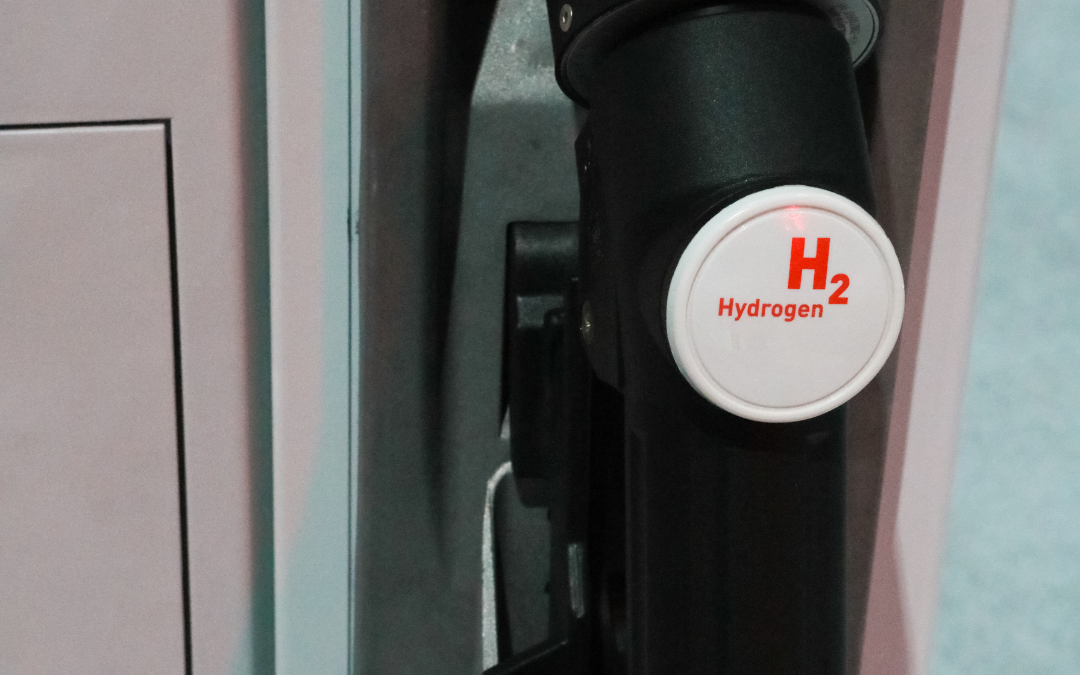
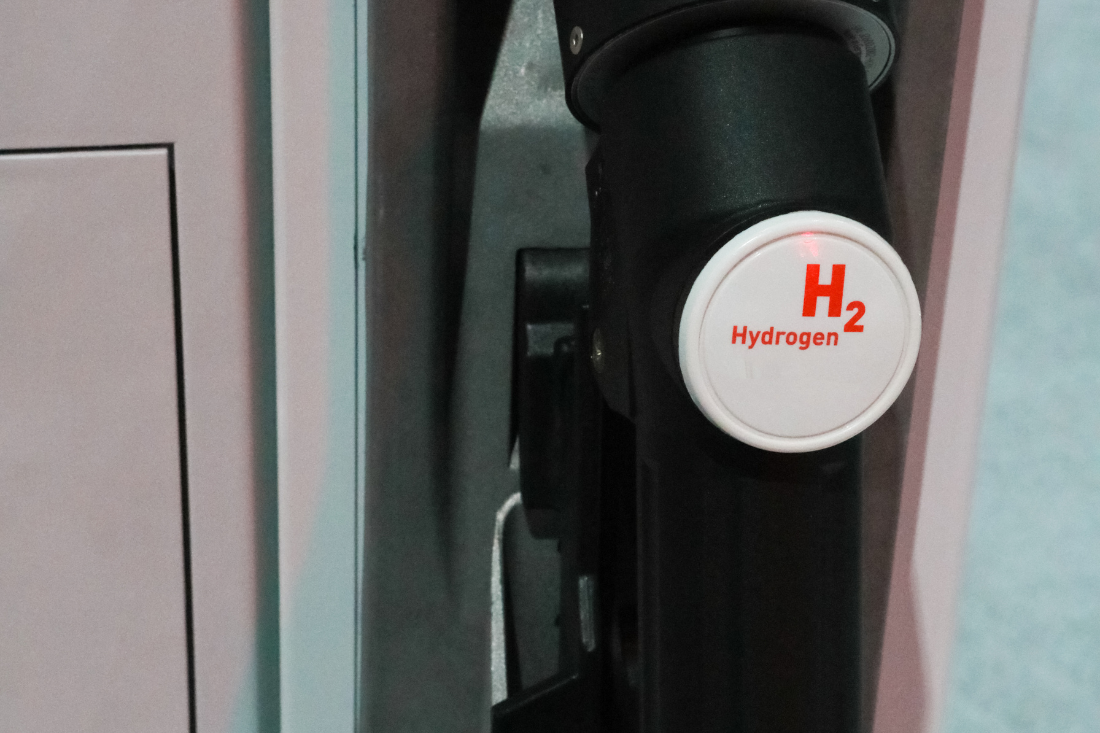
Two hydrogen pumps are included in plans for a service station development submitted by the forecourt dealer group Euro Garages to Aberdeenshire Council. The company has applied for planning permission for a service station adjacent to the A90 comprising a petrol filling station, EV charging and hydrogen refuelling.

A planning statement with the application states that the hydrogen refuelling station will be supplied by Element 2, a UK company aiming to develop a network of hydrogen refuelling stations across the UK. The statement adds: “Element 2 see the application site as being a strategic location for the provision of a hydrogen refuelling station as it is located on the main road transport route from the central belt to the north-east of Scotland, passing through the major cities of Dundee and Aberdeen. This will be one of a few hydrogen refuelling stations in the UK that can serve both HGVs and cars….The refuelling area will comprise two refuelling bays located under a canopy, accommodating two vehicles, with space behind the bays for additional queueing vehicles.”

The new site in Aberdeenshire follows the Euro Garage group’s investment of £25m in a UK company developing a hydrogen fuel cell heavy goods vehicle (HGV) in October of last year. HVS (Hydrogen Vehicle Systems Ltd) has already completed its first hydrogen medium commercial vehicle (MCV) prototype and is well underway in developing its second flagship HGV.

The two companies said they aim to advance the UK government’s declaration to become the first country in the world to commit to phasing out new non-zero emission HGVs. With their partnership, they said, EG Group has the potential to provide hydrogen refuelling infrastructure nationwide. At the same time, HVS offers zero-emission freight vehicles, working together to bring hydrogen to the market.

EG Group initially invested £5m into HVS in 2021 and has now injected a further £25m.

hydrogen-pump

The UK Hydrogen Refuelling Market

There are currently 15 hydrogen filling stations in the UK. An earlier government and industry forecast estimated there would be 65 refuelling stations in Britain by 2020, a plan that has not been met. However, there have been some developments in recent months that have highlighted a more confident and expansionist mood for hydrogen enthusiasts.

The UK will have a nationwide network of hydrogen refuelling stations operational at the end of this year as plans by British start-up Element 2 take effect. The initial push is to service heavy trucks and light commercial vehicles, but private cars like the Toyota Mirai, Hyundai Nexo and the new BMW iX5 Hydrogen will be able to use Element 2’s pumping technology.

Trucks and buses are the number-one priority for Element 2’s hydrogen because the 600,000 trucks operating daily in the UK contribute 18% to road transport emissions. There’s also a better business case for refuelling stations focused on trucks and buses since a truck typically consumes 50kg of hydrogen per day, a bus 20kg and a car just 1kg. Given that 1kg of hydrogen costs £15, including 20% VAT (but no fuel duty), just 1,000 trucks moving to hydrogen will generate £750,000 of revenue per day.

So far, Element 2 has made rapid progress with £6.5 million of investment, but two further funding rounds totalling £100m are planned for this year. Ultimately, investment is likely to hit £1 billion by 2027.

The hydrogen fuel cell has been tomorrow’s technology since the mid-1990s, but Carbon Zero policies have accelerated their introduction in heavy trucks, soon to be followed in light commercial vans and pick-ups.

“From all we hear from operators, about 30% of operations, mainly urban work, can be met by battery-electric haulage. For other operations, it’s the fuel cell that can replace the internal combustion engine,” said Brendan Bilton, chief technology officer at Element 2.

Element 2 is concentrating its network on the UK’s 147 truck stops to fulfil this emerging demand. It estimates it needs 800 individual nozzles – about five per truck stop – by 2027 to provide comprehensive national coverage. Last July, it announced its first two sites with planning permission approved, one at Coneygarth on the A1 near Northallerton and a second on the M6 near Carlisle.

At its truck-stop sites, the hydrogen pumps will be located on their forecourts, away from petrol/diesel areas. They will be fed by 40-foot-long compressed-gas tanker trailers towed from a central depot. Element 2 has a hydrogen supply contract with chemicals giant Ineos from its Runcorn plant on Merseyside.

5.3 million drivers are risking running out of fuel when driving, new research finds

5.3 million drivers are risking running out of fuel when driving, new research finds

Sponsored content 

Over half of motorists could be at risk of costly repairs because they wait too long to fill up their vehicle, a new study reveals.

Research carried out by Motorpoint found that 42% of drivers wait until their fuel light comes on before putting fuel in their car, and a further 16% admitted trying to use up every mile of fuel before refilling – risking damage to their engine.

Explaining why you shouldn’t wait for your fuel light to come on before filling up, Tim Rodie, driving expert at Motorpoint said: “You don’t need to wait for the fuel light to come on to visit the petrol station – it’s something I would encourage drivers to get out of the habit of doing.

“Whether you have a petrol or diesel vehicle, regularly running your car close to empty can cause a range of issues that can be expensive to fix. It’s important to remember that the fuel warning light is designed to make it clear that you must fill up your car, nothing good can come from trying to run down your remaining mileage.”

motorway

How much fuel is left when the warning light comes on?

The fuel light is designed to warn drivers that they are beginning to run low on fuel and help prevent unnecessary breakdowns.

As Tim Rodie explains: “As a general rule, the warning light will only come on when the total capacity of your fuel tank drops below 10 – 15% – how far this will get you is completely dependent on how good your fuel economy is and the way you drive.

“There isn’t a standard distance you’ll be able to travel with your fuel warning light on, so it’s always better to be cautious and fill up as soon as possible. The longer you leave it to fill up, the greater the risk is that you’ll unknowingly cause damage to your engine – which will cost you much more in the long run to fix.”

Is it illegal to drive with low fuel?

While it isn’t illegal to drive with your fuel light on, if your car breaks down as a result of not filling up and causes an obstruction or accident, you could find yourself on the wrong side of the law.

According to the Highway Code, if you run out of fuel when driving and cause an obstruction or accident, this can be viewed as ‘careless and inconsiderate driving’, which carries an unlimited fine and between three and nine penalty points.1

Based on current driving habits, Motorpoint predicts that 5.3 million drivers will be at risk of running out of fuel in 2023.

Tim said: “As a motorist, you have a responsibility to drive in a way that won’t put yourself or other road users at risk and running out of fuel can be dangerous. Breaking down and having to wait at the side as a result of your fuel running out is completely avoidable and can lead to accidents – particularly if it were to happen on a motorway or other busy road.”

What can happen if you drive with low fuel? 

Beyond the risk of breaking down and having to call for help, driving with low fuel can damage parts of your engine, warns Tim. 

“Making a habit of driving with low fuel can affect the health of your whole fuel system, but particularly the fuel pump and filter, which are both essential to keep your car running smoothly. 

“When it comes to your fuel pump, there are a couple of things you need to be aware of if you make a habit of going too long between fuelling up. Not only can air be drawn into your fuel system, which can lead to your vehicle stalling or refusing to start, but your fuel pump isn’t designed to work without fuel running through it, which can cause it to overheat.” 

“As your fuel level starts to run low, any debris that has collected at the bottom of your tank can be picked up and run through your fuel system. Over time, this debris can clog your fuel filter, limiting the amount of fuel that makes it to your engine, potentially causing a failure. 

When should you be filling up your car? 

Rather than waiting for the fuel light to come on, Tim recommends filling up your tank when it gets below a quarter full. 

“It might seem counterintuitive to head back to the petrol station while you still have fuel in your tank, but it really is the best thing you can do for your vehicle and might even save you miles, as you can plan to fill up when passing a petrol station rather than needing to go out of your way. 

“No one likes holding their breath and wondering if you have enough miles left to get to the nearest petrol station, so always having some fuel in your tank is the safest way to drive. Not only is it the only way to prevent running out and any of the other issues that can arise from driving on empty, but it could also save you a costly repair bill down the line.”


For more information, visit:  https://www.motorpoint.co.uk/press/uk-motorists-will-see-nearly-400-added-to-fuel-bills-new-report-finds  

Survey conducted by SurveyGoo on behalf of Motorpoint with a sample of 2,083 UK car owners in January 2023. All statistics and findings have been rounded to the nearest whole number. A full data set is available on request. 

1) https://www.highwaycodeuk.co.uk/penalty-table.html

Tim Rodie

With over a decade’s experience in the automotive industry, Tim heads up Motorpoint’s YouTube and TikTok channels, where he reviews a huge range of nearly new cars, pointing out their useful features, flaws and surprising extras.

Check out his latest video here: https://www.youtube.com/@motorpoint

Motorpoint  

Established in 1998 Motorpoint is the UK’s largest independent retailer of nearly new cars and vans. All vehicles are under 30,000 miles and less than four years old.

Proposed MOT Changes Raise Safety Issues

Proposed MOT Changes Raise Safety Issues

In mid-January 2023, the Department for Transport (DfT) launched a consultation to seek views on changing MOTs in light of changes in vehicle technology. The department said they would seek opinions regarding the need to update MOT testing for cars, motorbikes and vans to ensure roadworthiness checks continue to balance costs on motorists while ensuring road safety, keeping up with advancements in vehicle technology, and tackling vehicle emissions.

The consultation seeks responses to proposals to require most vehicles to have their first MOT four years after they are registered. Under existing regulations, most vehicles in England, Scotland and Wales that are three years old or over must have a current MOT test certificate. It must be renewed annually at a maximum legal cost of £54.85 for a car and £29.65 for a standard motorcycle. The MOT test comprehensively checks everything from windscreen wipers and headlights to structural bodywork condition and handbrake efficacy. In Northern Ireland, tests are compulsory after four years. Drivers who do not have a valid certificate can be fined up to £1,000.

The DfT said delaying the first test for new vehicles could save around £100m a year for motorists. Officials added that significant developments in vehicle technology had increased road safety since MOTs were introduced in 1960. DfT figures show 26 people were killed in crashes on Britain’s roads in 2021 when vehicle defects were a contributory factor. The department said the number of casualties in crashes caused by vehicle defects is low and government analysis shows delaying the first MOT should not impact road safety.

Any changes to the MOT will be supported by an information campaign led by the Department for Transport and the Driver and Vehicle Standards Agency (DVSA) to inform drivers of the updates to MOTs and remind them of their responsibility to keep vehicles roadworthy. Undertaking roadworthiness testing four years after the vehicle’s registration is already standard practice across many European countries, including Belgium, Denmark, France, Italy, Spain, and Portugal.


mot

Concerns raised by motoring organisations and retailers


Several motoring organisations and retailers have raised concerns about the proposed changes. The AA president Edmund King argued, “With one in 10 cars failing their first MOT, we strongly discourage the Government from extending a car’s first MOT to the fourth anniversary due to road safety concerns. When this proposal was last considered in 2017-18, the four-year policy did not obtain public support, with many citing concerns over vehicle safety as the main reason for opposing the move. We do not believe this to have changed over time. Safety items like tyres and brakes can often be deficient after three years.”

The RAC’s head of road policy, Nicholas Lyes, added: “While we’re not opposed to delaying a new vehicle’s first MOT, we believe there should be a requirement for particularly high mileage vehicles to be tested sooner. If the Government is looking to improve the MOT, now is the ideal time to take into account how much a vehicle is driven, alongside the number of years it’s been on the road. We’re also disappointed the Government is still entertaining the idea of increasing the time between MOTs. Our research clearly shows drivers don’t agree with this and believe it’s dangerous. It would also likely increase the number of unroadworthy vehicles on our roads – putting lives at risk – and not save drivers any money as they would likely end up with bigger repair bills as a result.”

A recent article in the Times raised the spectre that almost a quarter of a million dangerous vehicles would be allowed on the roads yearly if MOTs for new cars were delayed. Motoring groups and mechanics have hit back at the plans, warning that, on average, 14 per cent of vehicles fail their first MOT at three years. With new car sales averaging 1.6 million a year for the past three years, they argue that 225,000 vehicles that reach their third year of registration will likely be in a dangerous condition.

Halfords, the motoring and bicycle business, said that worn tyres, brake pads, and faulty steering and suspension are among the most common reasons cars fail their first MoT.

“The government is right to look at ways to save motorists money, but that cannot come at the expense of safety,” said Graham Stapleton, the chief executive of Halfords. “There are other steps they could take, such as extending the 5p a litre cut on fuel duty. Many of the issues spotted at the first MoT are easy and inexpensive to fix, but if left to fester, they could turn into an expensive repair, meaning it could be a false economy for many motorists.”

The DfT consultation runs until 1st March 2023.

London and Nottingham revealed as top EV cities

London and Nottingham revealed as top EV cities

Sponsored content

Analysis by the used-car marketplace Motorway has revealed that London and Nottingham are the top two cities in the UK for electric vehicles (EVs). London has been named the city leading the charge on electric vehicle adoption, with EVs representing almost 25% of new and used car sales. It also paves the way with 8,600 public charging points. However, when it comes to charging availability, London ranks at 15, with the ratio of chargers to people standing at 1 to 1,672. Nottingham ranks second on the index, compiled by reviewing EV sales data by region, charging point availability and clean air policies of cities and towns across the UK.

With the 2030 electric switchover fast approaching, motorists are making a conscious effort with their car choices. Bedford ranked third for electric-vehicle readiness, following the development of its extensive net-zero strategy and its focus on installing public charging points. Meanwhile, Newcastle upon Tyne has been named as an electric vehicle hotspot with more electric cars sold in 2022 than anywhere else in the UK.


The top 10 electric car cities and towns revealed by Motorway:

  1. London
  2. Nottingham
  3. Bedford
  4. Manchester
  5. Newcastle upon Tyne
  6. Milton Keynes
  7. Bristol
  8. Oxford
  9. Coventry
  10. Southampton

To read more about the research and results of the analysis of EV cities leading the charge, visit motorway best EV cities

For an estimated valuation of your car, visit motorway.co.uk