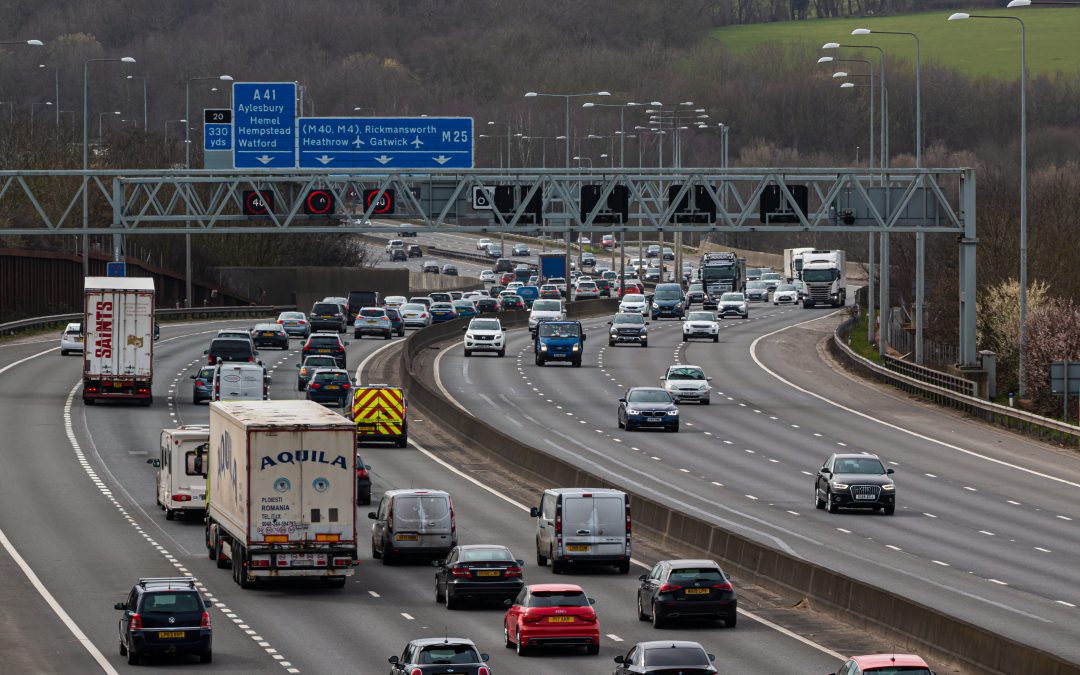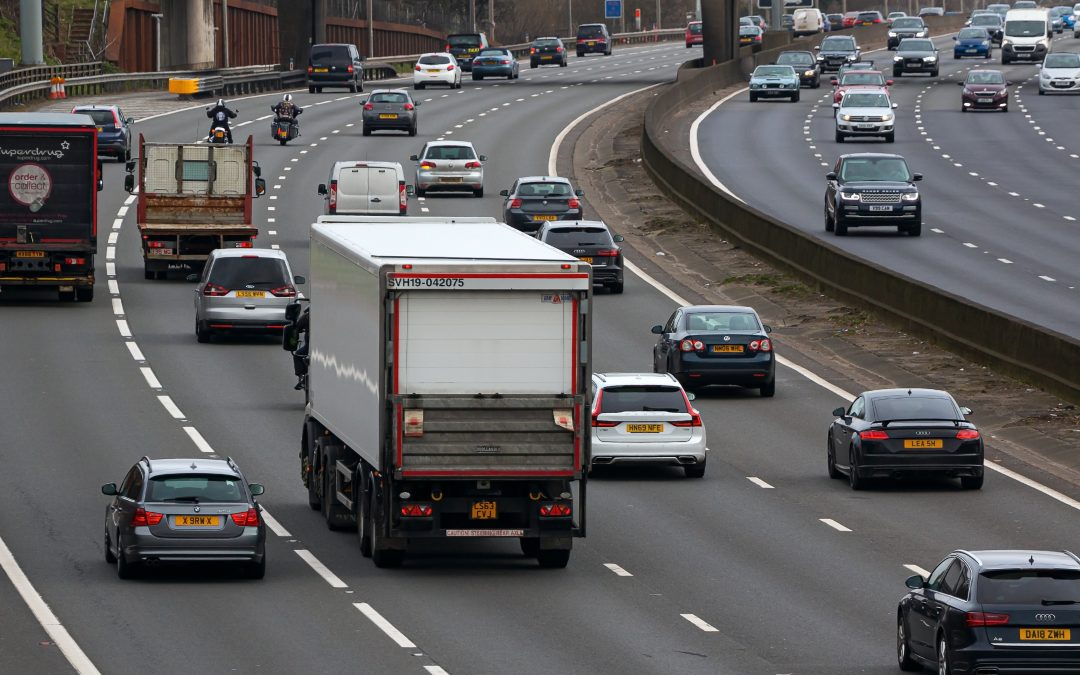
Motorists blamed for misunderstanding smart motorways

Motorists blamed for misunderstanding smart motorways

It has been announced this week that instructions for using smart motorways will be added to The Highway Code after Highways England suggest they become dangerous when motorists misunderstand how to use them safely.

Head of Road Safety at Highways England, Jeremy Phillips, stated that:

‘We know more needs to be done to help motorists understand exactly how modern motorways and high-speed roads operate.

‘The updated edition of The Highway Code will help inform the next generation of road users as well as giving important updates to those with many miles under their belt, to help us all stay safer.’

The announcement has been met with contempt, however, as those impacted by smart motorway accidents brand the development ‘insulting.’

Claire Mercer’s husband, Jason, 44, lost his life on a stretch of the M1 with no hard shoulder in 2019. She has spoken out against the comments made by Phillips:

‘They keep referring to “educating users”, but how do you educate someone who’s broken down in a car in a live lane of traffic with lorries zooming past? We need action that will result in tangible change. Everyone keeps saying, “It’s not my responsibility”.

‘This change to The Highway Code is just too little, too late. There are 44 people dead already. The fact it’s taken them a year is even more ridiculous.’

Updates to The Highway Code concerning smart motorways could include instructions on what to do if your vehicle breaks down in a live lane, how motorway operators warn of broken-down vehicles ahead with signage, and how to use emergency refuge areas safely if necessary.
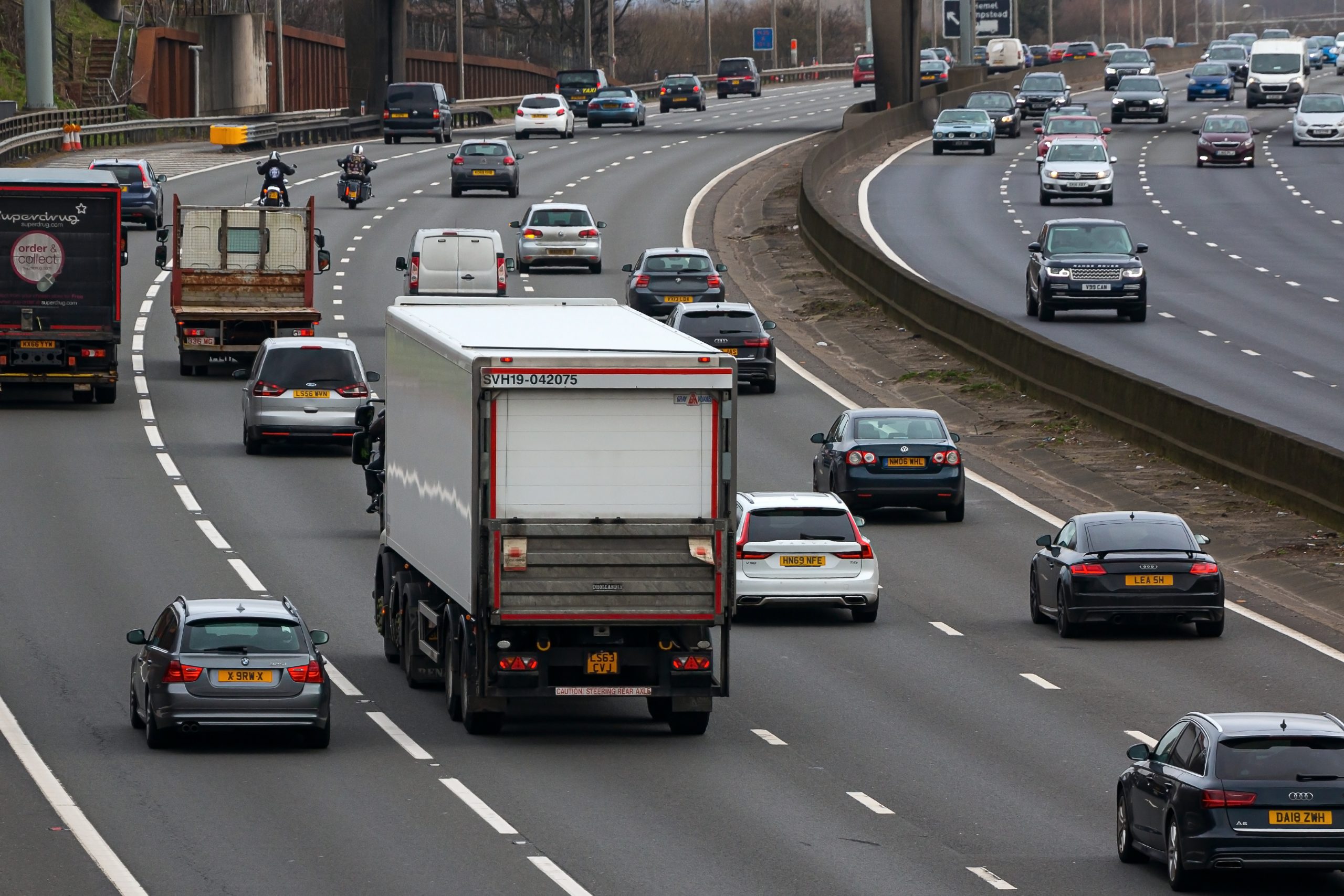
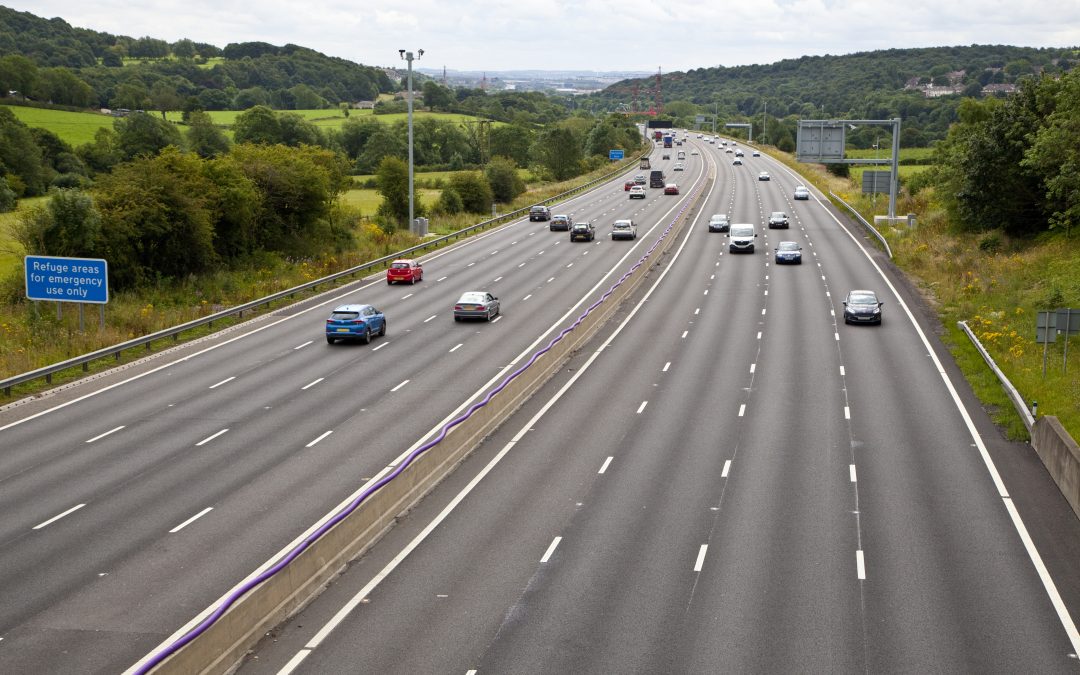
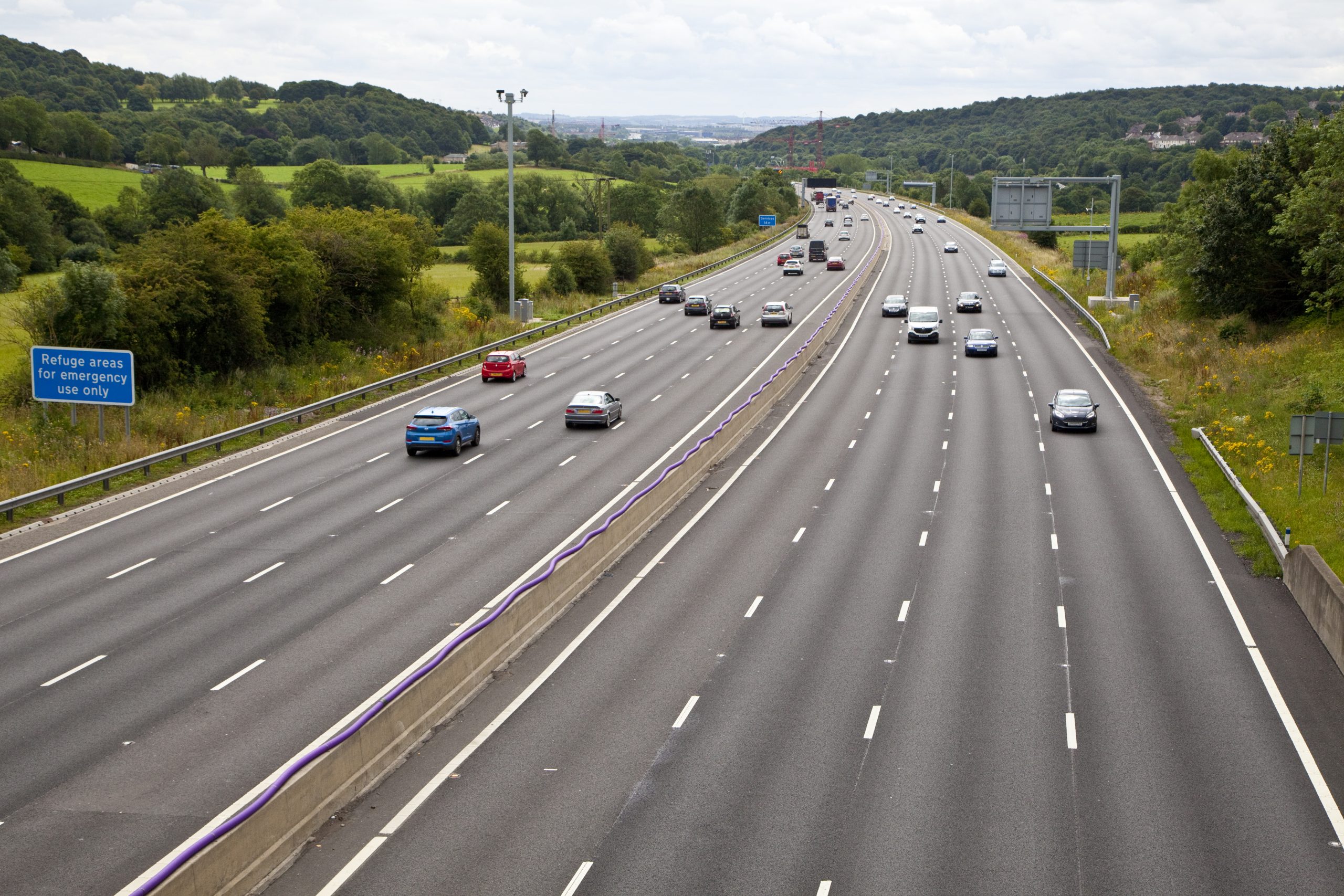
Motorists to blame for misunderstanding smart motorways

[Image Source: Shutterstock, March 2021]

Is updating The Highway Code enough to improve smart motorway safety?

Currently, refuge areas on smart motorways are 1.5 miles apart, and high-tech safety measures such as cameras that identify stationary vehicles have yet to be rolled out on many miles of smart motorway.

Advice for motorists broken down in a live lane of a smart motorway includes attempting to reach an emergency refuge area if possible, turning on hazard lights and exiting the vehicle (through the passenger door) to stand behind the crash barrier.

If done successfully, this still leaves a stationary vehicle in the path of fast-moving oncoming traffic.

Over the last few months, issues with smart motorway safety have been frequently addressed, and the update to The Highway Code is just one step in the government’s 18-point plan to reduce the risk of accidents.

Motoring experts are still concerned, however, that updating The Highway Code or making any other small changes to smart motorways when other safety measures are already lacking will not be enough to prevent further tragedy, and instead have suggested that smart motorways should be scrapped altogether:

‘How many people must die before you will make a decision and immediately suspend the use of the hard shoulder for driving traffic? Enough is enough,’ questioned shadow Transport Secretary Jim McMahon, earlier this year when announcements for smart motorways to stay were made.

Rotherham Labour MP, Sarah Champion, has also previously commented that: ‘The government needs to grasp that there is nothing ‘smart’ about creating death traps.’

However, Transport Secretary, Grant Shapps, has insisted that scrapping smart motorways altogether would do more harm than good: ‘I don’t think there’s a route to simply undo it. We’ve got to make what’s there safe.’

Instead, Mr Shapps feels that ‘an update of The Highway Code to provide more guidance’ will be a positive step forwards in improving the safety measures on smart motorways.

A spokesman for the Department for Transport spoke to support Mr Shapps decision, despite public concern: ‘The safety of the drivers and passengers using these routes remains the Transport Secretary’s personal priority. He will press Highways England to deliver improvements as soon as possible.’ 

While improving motorway safety may be a priority, experts like RAC head of roads policy Nicholas Lyes have still been left wondering whether any changes made will prove successful in reassuring road users that smart motorways are safe:

‘Even when all these issues are addressed, we wonder whether they will go far enough to overcome people’s fear about the permanent removal of the hard shoulder on these schemes.’

Is driver misunderstanding to blame for smart motorway safety issues? Do you think enough is being done to keep prevent further smart motorway deaths? Or do you think the issue will persist until smart motorways are scrapped?

Let us know in the comments.
Petrol prices set to stay high after lockdown ends

Petrol prices set to stay high after lockdown ends

With petrol prices already high despite the current restrictions on driving, the RAC has warned that they may not yet have reached their peak and could soar after lockdown ends.

The concern comes after the revelation that the price of petrol in the week beginning 15th February was up to 122p-a-litre, jumping from 114p-a-litre in December.

During the first half of the pandemic, back in March 2020, petrol prices reached a low of just 106.48p-a-litre due to travel restrictions and lack of demand, but the price has been rising steadily ever since. For example, just in January of this year, it was revealed that motorists were paying up to £3 more than they were in March 2020 to fill up the average family-sized car with a 55-litre tank.

As restrictions begin to lift, however, and demand increases, petrol prices are set to sky-rocket.

After the current lockdown ends, we could see these numbers rise again to record highs of 143p-a-litre for petrol and 148p-a-litre for diesel, says the RAC.

Reasoning behind the sharp predicted rise is based on the assumed jump in the cost of oil due to the rolling out of the global Covid vaccination programme, which will have increased travel and pushed prices upwards.

Some analysts have predicted that this year, the price of oil could reach $80-a-barrel, while JPMorgan has indicated that in 2022, it may reach highs of $100-a-barrel, resulting in those much higher petrol and diesel prices.

Expert motoring organisations are concerned that, with the impact of Covid and lockdowns on people’s personal finances, the hike in petrol prices may not be viable for many motorists up and down the country.

The AA’s fuel price spokesman, Luke Bosdet, stated that: ‘As they struggle to get their working lives and family financiers back on an even keel after Covid, there is going to be a real sense of being under assault for needing to drive a car.

‘The bonus that the fuel trade is giving itself is just part of the financial pressure likely to be heaped on drivers this year – particularly those on lower incomes.’

There are also concerns that when the Chancellor announces the Budget next week, the freeze on fuel duty could come to an end, causing the price of petrol to rise further and pose even more of an issue for those struggling financially.

AA fuel price spokesman, Simon Williams, commented that: ‘With the Chancellor’s Budget now less than two weeks away, the last thing drivers, and possibly the economy, need is a fuel duty increase – not least as petrol prices have been rising for thirteen consecutive weeks.

‘A hike in duty at a time of rising fuel prices could put unprecedented pressure on lower-income households and might have a negative effect of forcing everyone who depends on their cars to consider cutting back on other spending.’

Petrol prices set to stay high after lockdown ends

[Image Source: Shutterstock, February 2021]

What impact will fuel duty have on petrol prices?

Fuel duty has been frozen since March 2011, saving motorists around £1,2000 in the last decade, but the freeze may no longer be possible, with Chancellor, Rishi Sunak, saying that ‘we can no longer afford’ to do so.

Reports state that fuel duty, if unfrozen, could rise by 5p-a-litre in next month’s Budget.

As aforementioned, this has understandably raised concerns about the impact this would have on petrol prices, particularly in a time of such economic hardship due to the pandemic.

The RAC’s Simon Williams explained that: ‘The Chancellor faces a difficult decision as to whether to pile further misery on drivers by raising fuel duty when pump prices are on this rise and many household incomes are being squeezed.’

When speaking to ITV News, Mr Williams also commented that: ‘Storm clouds are once again gathering over UK forecourts.’

‘Ironically and rather unfortunately, as economic confidence grows as measures to combat the coronavirus take effect it is likely to mean drivers end up paying more to fill up in the coming weeks.’

While the loosening of pandemic induced restrictions is a positive step forward in many ways, it seems that the motorists will have to bear the brunt of the impact Covid-19 has had on the price of petrol.

Are you concerned that petrol prices will remain high after the lockdown ends? Do you think now is the right time for Rishi Sunak to revoke the freeze on fuel duty?

Let us know your thoughts in the comments.

Drivers to give up cars for cash in government’s go green plan

Drivers to give up cars for cash in government’s go green plan

Would you give up your car for £3,000?

In a new government proposal to cut emissions and ban the sale of new petrol and diesel cars by 2030, drivers could be given cash in return for swapping their car for more environmentally friendly travel options like electric scooters and bicycles. It will form an essential part of the government’s go green plan.

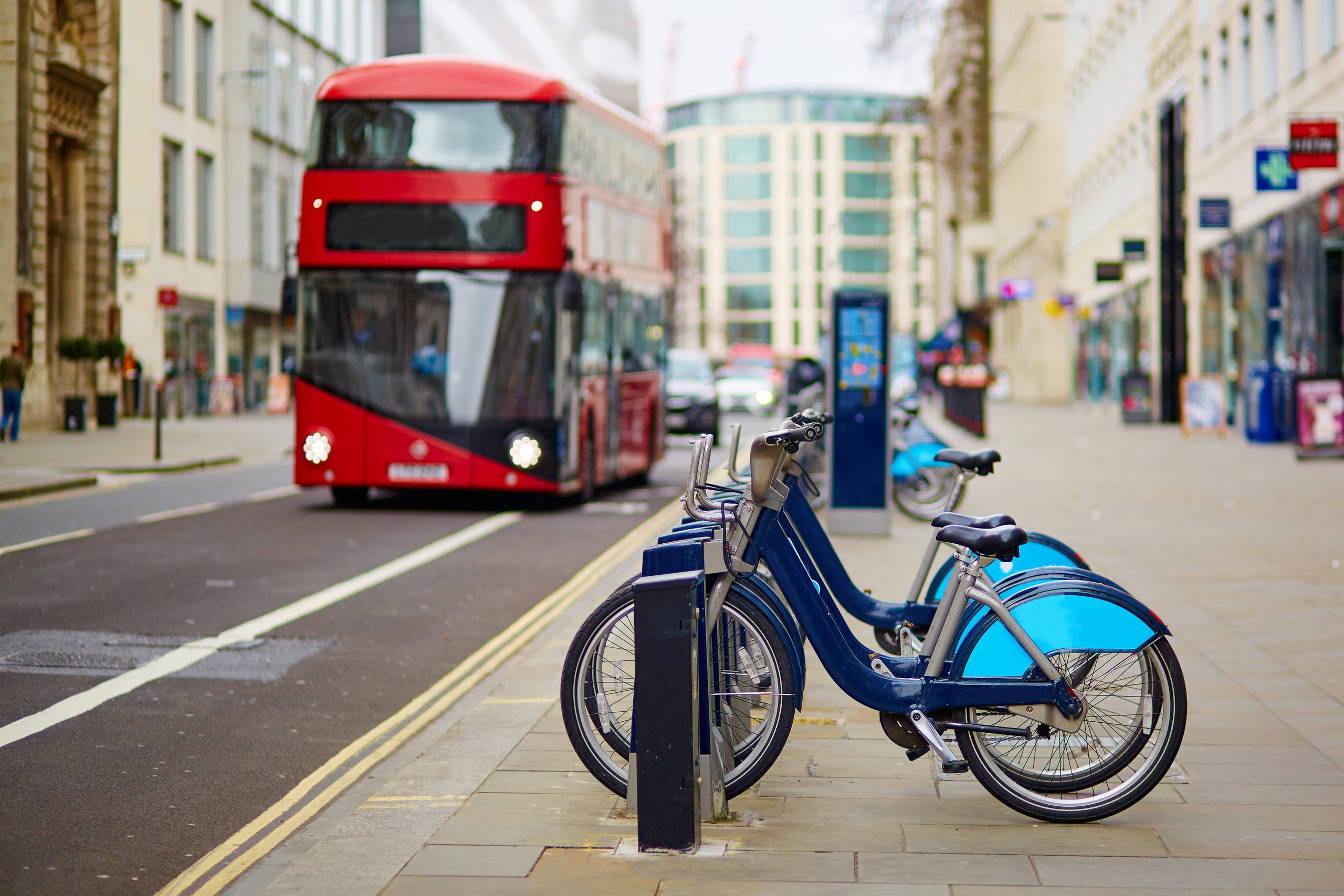
The scheme will be particularly prevalent in more built-up areas and offer motorists ‘credits’ to be used on alternative modes of transport, like buses, bicycles and electric scooters.

The government hopes that this scheme will reduce car dependency and help the country gradually move towards the end goal in 2030.

It is thought that a trial roll-out of the scheme will first take place in the West Midlands before moving further afield.

Candidates were asked to volunteer to test out the new scheme, and West Midlands mayor, Andy Street, has been pleased with the uptake thus far: ‘We have a number of candidates lined up in Coventry following a public appeal for volunteers last year and are putting processes in place to allow them to scarp their own cars in exchange for transport credits later this Spring.’

The trial will be part of a £22 million initiative to improve the way travel happens within this area, with an overall goal of significantly reducing emissions by promoting the use of congestion-easing modes of transport.

The plan has been well received by some organisations with the chief executive of Sustrans cycling and walking charity, Xavier Brice, stating that: ‘It is great to see local authorities considering new ways to reduce car dependency, including mobility credit… better, more affordable, public transport is critical to combatting air pollution and carbon emissions.’

However, others feel that the initiative is an unusual one, with concerns raised about the impracticality and wasted efforts.

AA president, Edmund King, suggested that: ‘The money probably would be better spent on providing electric charging points for those without off-street parking rather than giving mobility credits for services that people will use when they need to or feel safe to.’

His comment could refer to the recent announcement from Jaguar that their vehicles will move to pure-electric within the next five years. Other car companies are following suit, with Ford declaring that they will sell only electric cars in Europe in 2030, in line with the government’s 2030 ban on new petrol and diesel cars.

The comment also refers to concerns that local councils are falling behind with implementing necessary measures like installing enough EV charging points to accommodate the electric shift.

While the cash for cars initiative may have good intentions, it seems it may be unnecessary amongst the changes that are already taking place.

Drivers to give up cars for cash in government's go green plan

[Image Source: Shutterstock, February 2021]

What is the government’s go green plan?

All of these initiatives feed into the pledge that Prime Minister, Boris Johnson, has begun to lay out over the last few years, in what experts are calling an ‘ambitious’ target.

In a video addressing the need for a move towards greener living, Mr Johnson set out that the UK is ‘going further and faster than ever before with a new target to cut emissions by at least 68 per cent by 2030.’

He hopes that this target will set the country ‘on course to hit net zero by 2050’ and stressed his pride in the fact that the UK was the ‘first economy to pass a law requiring us to reach net zero.’

While every step taken towards making this challenging target a reality will eventually have a positive impact on the environment overall, there are already many hurdles to jump.

It was revealed recently that a large proportion of drivers are reluctant to make the switch to electric vehicles because of impracticality caused by lack of charging points within their area, which could impact the efficacy of the 2030 petrol and diesel ban.

There have also been concerns raised about the number of electric vehicles that could be on the roads compared to the amount of specialist mechanics trained to work on them, with just 5% of mechanics currently being able to do so.

The uncertainty over the practicality of initiatives already in place has left some organisations questioning whether this new cash for cars initiative will prove to be worthwhile or not.

How would you feel about giving up your car for cash? Do you think the go green initiatives in place so far are working?

Let us know in the comments.
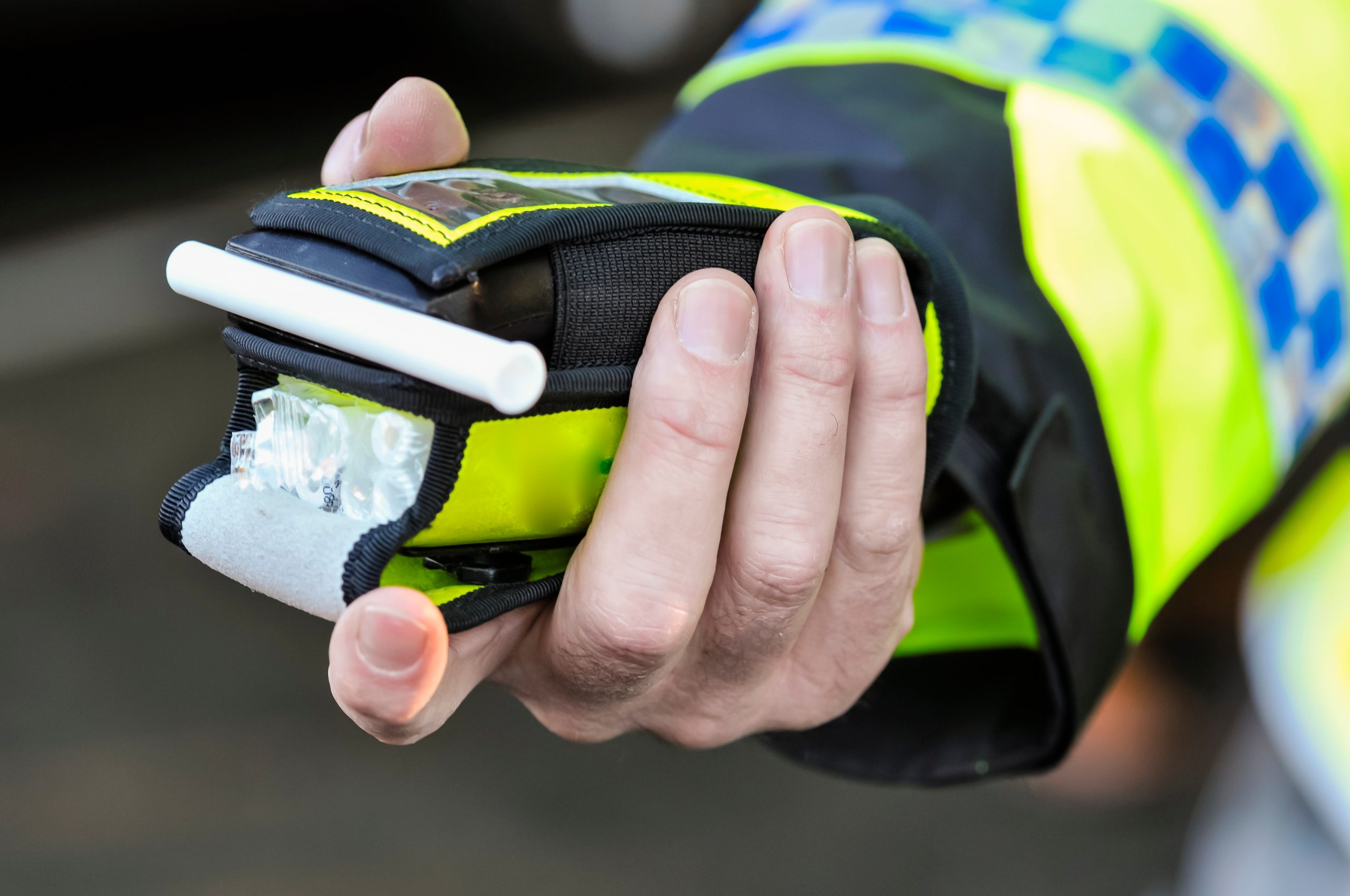
Drink-driving related deaths reach highest level in 10 years

Drink-driving related deaths reach highest level in 10 years

Statistics have been revealed this week that show deaths related to drink-driving have reached their highest levels in a decade.

A ‘central estimate’ from the Department for Transport found that on average 280 people were killed on the road in 2019 in casualties that involved one or more drivers being over the limit.

This is an increase of 17% on the previous year and is the highest drink-driving death rate since 2009.

Understandably, this revelation has left motoring groups concerned about what the rise means, and what may need to be done to keep the trend from continuing.

‘This report really moves the debate on when it comes to drink-driving in the UK. The plain fact is that there has been virtually no progress in reducing drink-driving deaths for nearly a decade, so something different clearly needs to be done,’ says RAC spokesman, Simon Williams, in response to the release of the statistics.

He continued by offering advice on what the government could be doing in order to make a positive change: ‘The UK Government should consider all options, including increasing enforcement at the roadside, the use of alco-locks for those already convicted of driving under the influence and even looking into the merits of reducing the drink-drive limit in England and Wales to bring it in line with most other European countries,’ says RAC road safety spokesman, Simon Williams.

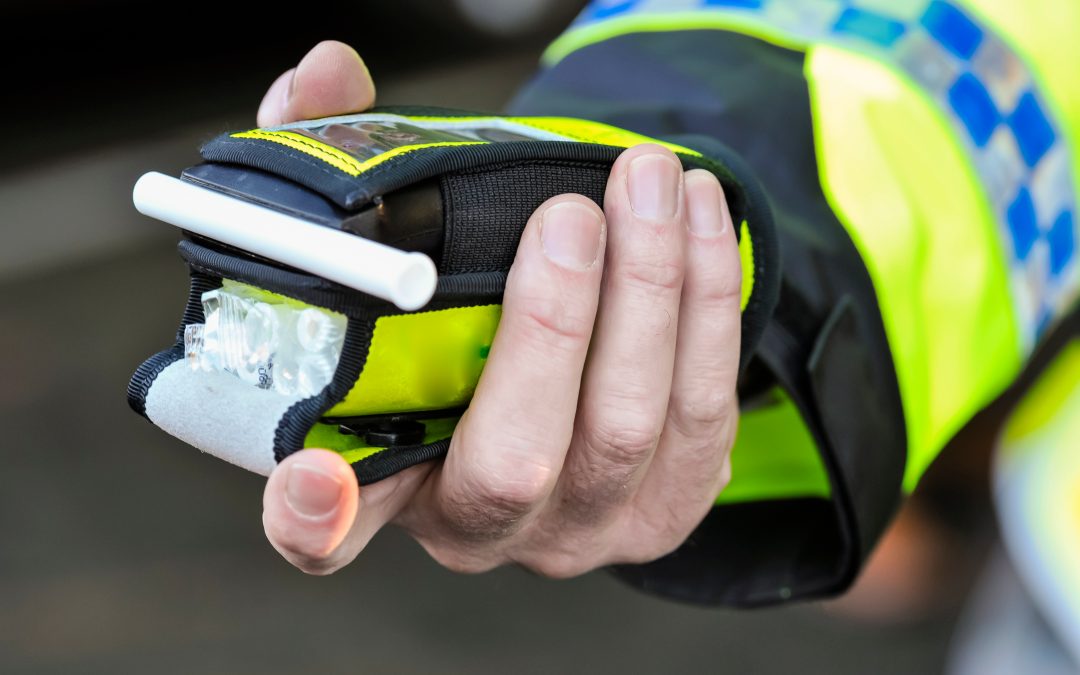
The introduction of alco-locks for previously convicted drivers means that drivers would have to take a self-breathalyser test before being able to start their engine. If the test was failed, their ignition could lock for up to 24 hours, preventing them from driving and potentially causing accidents.

Other countries, including France and the USA, already make use of the alco-lock system in an attempt to curb drink driving levels, leaving England and Wales to catch up:

‘Arguably, given that England and Wales now have the dubious distinction of having the most lenient drink-drive limit in Europe, there is also a good case for the Government to examine the merits of bringing it down. A lower limit is something our research shows the majority of drivers would be in favour of.’

Drink-driving levels rise and stricter reinforcements called for

[Image Source: Shutterstock, February 2021]

Legal limit should be lowered, but will that be enough?

Currently, the alcohol limit in England, Wales and Northern Ireland stands at 80 milligrams of alcohol per 100 millilitres of blood, 35 micrograms per 100 millilitres of breath and 107 milligrams per 100 millilitres of urine. However, some experts are calling for these levels to be changed as a direct result of these most recent drink-driving statistics.

Scotland currently has a lower limit – 22 micrograms in breath and 50 milligrams in 100ml of blood.

Executive Director at PACTS, David Davies, stated that: ‘The legal limit should be reduced in England and Wales, police should be given additional powers to test drivers, the High Risk Offender scheme should be reformed, and rehabilitation courses should be designed for those with mental health and alcohol problems.’

Mr Davies made it clear that it would be a combination of these factors that would reduce drink-driving casualties and that the government should not rely on lowering the legal limit alone:

‘A lower limit is not a magic bullet, but government policies to reduce drink driving will lack credibility as long as they avoid this change.’

It has also been suggested that, in combination with limits that are too high, repeat offenders are playing a large part in the increased casualties. In a study conducted by the RAC, it was revealed that since 2010, nearly one in five drink driving charges were committed by a repeat offender.

In a comment on the high levels of repeat offenders, Simon Williams said: ‘Seeing as the level of reoffending is so high, we believe this needs to be tackled as a matter of urgency. A year and a half ago the government said it was looking at the benefits of so-called ‘alco-locks’ to reduce reoffending, so it is high time a clear plan was put together that sets out how this technology will now be introduced to reduce future deaths.’

While it is still uncertain as to how the government will rise to the challenge of quickly and effectively reducing alcohol-related road casualties, it is clear that something needs to be done imminently.

Do you think the government is doing enough to tackle drink-driving? Are alco-locks the answer, or should they be looking at lowering the legal limit?

Tell us in the comments.

From petrol to pure-electric: Jaguar’s big plans for 2025

From petrol to pure-electric: Jaguar’s big plans for 2025

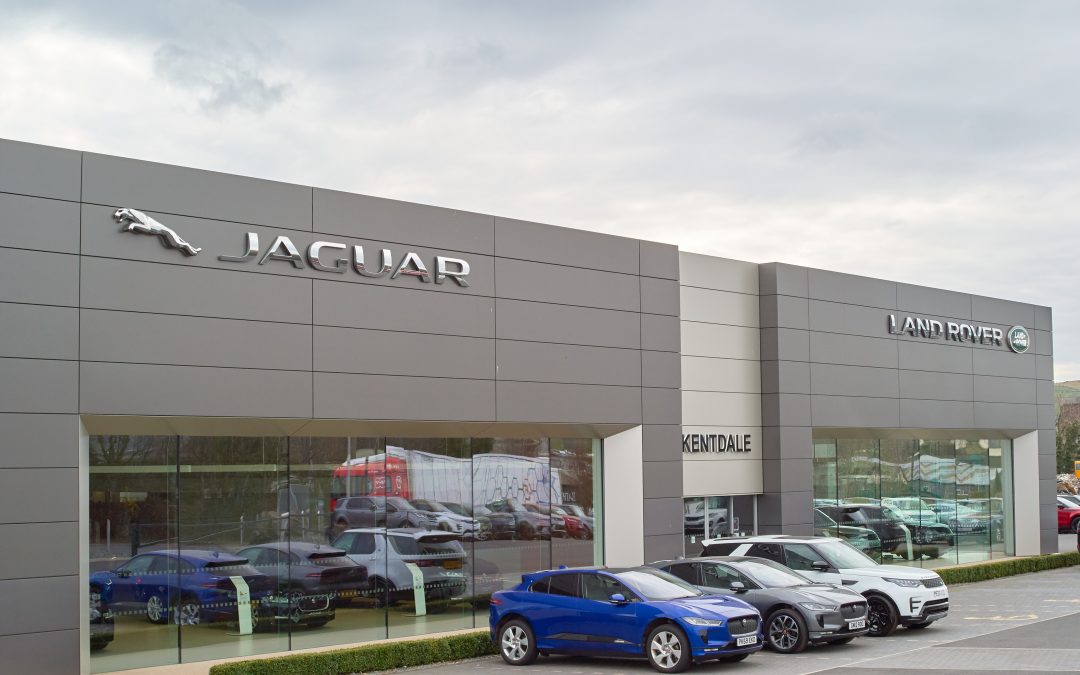
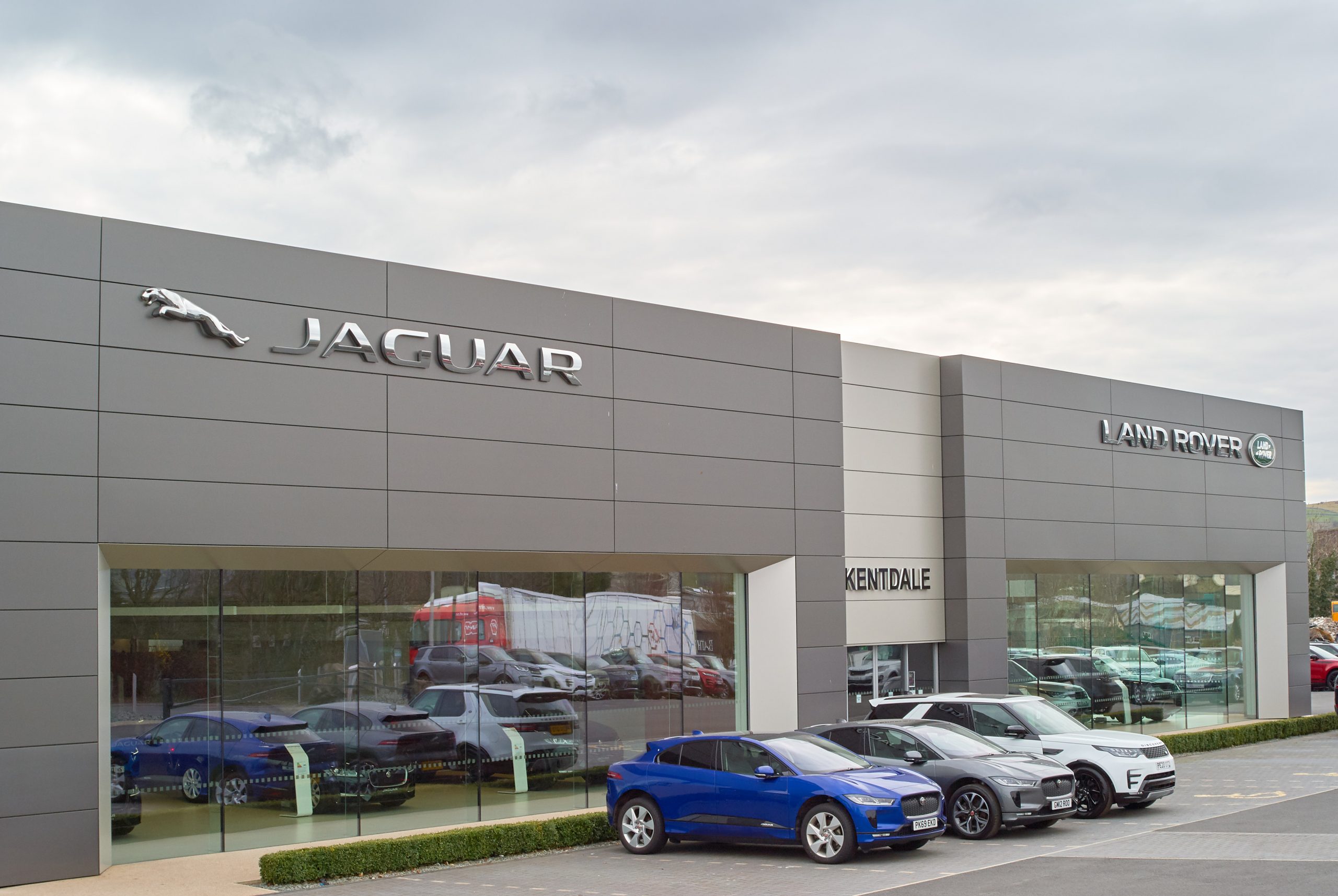
In another exciting step towards the 2030 petrol and diesel ban, Jaguar has this week announced that by 2025 it will become a ‘pure-electric luxury brand.’

Within the next four years, all petrol engines will be dropped entirely, making way for a range of fully electric vehicles, including six new pure-electric models for Land Rover.

JLR CEO Thierry Bollore announced Jaguar’s plans in a statement on Monday, dubbing the mission a ‘Reimagine’ strategy and describing it as a ‘renaissance’:

‘By the middle of the decade, Jaguar will have undergone a renaissance to emerge as a pure-electric luxury brand with a dramatically beautiful new portfolio of emotionally engaging and pioneering next-generation technologies.’

He went on to pledge that: ‘Jaguar will exist to make life extraordinary by creating dramatically beautiful automotive experiences that leave its customers feeling unique and rewarded.’

It was also noted that this move will put Jaguar in direct competition with Tesla, which is currently a force to be reckoned with on the EV market.

Despite the significant changes on the horizon, however, motoring groups were pleased to hear that Jaguar intends to retain its production facilities in the UK, stating that ‘core manufacturing facilities’ will remain open: ‘From a core manufacturing perspective that means Jaguar and Land Rover will retain its plant and assembly facilities in the home UK market and around the world.’

In response to the announcement, editorial director at Autocar, Jim Holder said: ‘While details were scarce in today’s announcement, it is clear that Jaguar Land Rover, in common with most car-makers, has come to the realisation that its business model needed to be ripped up in order for it to have any chance and thriving into the future.’

Other experts also weighed in on the news, including the Society of Motor Manufacturers and Traders chief executive, Mike Hawes. He described the as being ‘an injection of confidence into the wider sector’ and believes it is a step in the right direction for the motoring industry:

‘Its roadmap to a future that is built around sustainability, with electrified and hydrogen models as well as investment in connected and digital technologies, aligns with Government ambition and increasing consumer expectations.’

Jaguar makes the switch from petrol to pure-electric

Jaguar may be ready for 2025, but are we?

While Jaguar and other manufactures are making steps designed to be in keeping with the government’s plan to ban the sale of new petrol and diesel vehicles by 2030, some motoring organisations are concerned that drivers, councils and mechanics are unprepared for the change.

Back in January, it was revealed that very few councils had put plans in place to install plug-in charging points to accommodate this change despite large numbers of electric vehicles being registered. It is a concern that this will act as a deterrent to drivers, meaning that Jaguar and other manufacturers’ efforts to reduce emissions may be in vain.

Amanda Stretton, Sustainable Transport Editor at Centrica, urged that there is a ‘need for all UK councils to play their part in helping to achieve the 2030 ban’ in order for it to be successful. She also revealed that, for drivers, the lack of accessible charging points is the ‘main reason for preventing them from purchasing an EV.’

Concerns have also been raised about the lack of re-training available to mechanics as working on an electric vehicle without appropriate training could lead to ‘serious death or injury’.

This warning came from the Institute of the Motor Industry after it was revealed that currently, just 5% of mechanics are trained to work on electric vehicles. The IMI are concerned that if this is not rectified, it could have a detrimental impact on the success of the proposed 2030 ban:

‘The automotive workforce is already behind in the skills required for these emerging technologies – through no fault of their own.’

‘Employers need support and incentives to get more of their technicians trained and to re-ignite recruitment and apprenticeship plans.’

Without immediate attention, the IMI worries that ‘the plan will be compromised and – much more important – the UK won’t meet its net-zero target, and we’ll imperil out next generation’s future.’

Jaguar’s move is clearly a positive one, but the success of their campaign, it seems, will rely heavily on the ability of other influencing parties to keep up.

How do you feel about Jaguar’s announcement? Do you think the lack of EV plug-in points and re-training opportunities will impact their plan?

Tell us in the comments.

Smart motorways set to stay despite danger claims

Smart motorways set to stay despite danger claims

‘How many more people must die before you will make a decision and immediately suspend the use of the hard shoulder for driving traffic? Enough is enough,’ says shadow transport secretary, Jim McMahon, as the smart motorway danger dispute continues.

The plea was written in a letter sent to transport secretary, Grant Shapps, last week after he announced that smart motorways are set to stay as removing them would do more harm than good. 

Mr McMahon’s concerns are shared by many motoring organisations after it was revealed that 44 people have died on smart motorways over the last five years, potentially due to the lack of hard shoulder. Some also suggest that the roads were poorly designed, with designated refuge areas too far apart and smart technology used to spot stationary vehicles too slow to be installed.

Despite the fact that smart motorways were designed originally to improve driving experience across Britain, reducing congestion and better controlling traffic, it seems that these roads have failed to live up to their ‘smart’ name.

‘Why these things were ever called smart motorways when they seem to be anything but, I think was a misnomer,’ said Mr Shapps, when addressing the issue this week.

He went on to acknowledge the well-known problems with smart motorways, and admitted that he would like to see some things changed: ‘I don’t want to carry on with what we’ve seen of smart motorways, the system I’ve inherited… I wouldn’t have gone about it like this, and I don’t approve of the fact that emergency areas were being spaced way too far apart.’

‘I’d have said they have to be ideally three-quarters of a mile apart, no more than a mile, and I’ve ordered Highways England to get on with it.’

While it is clear that Mr Shapps is keen to make some alterations to these roads to improve their overall safety levels, he warned that scrapping them all together would not be possible without significant disruption.

Smart motorways set to stay

[Image Source: Shutterstock, Feb 2021]

What would scrapping smart motorways entail?

When asked to give reason for his lack of commitment to reversing smart motorways, Mr Shapps suggested that this process would be less than ‘desirable’ as it would involve destroying large swathes of Green Belt, causing massive disruption for nearby homes:

‘A lot of people say just undo it, and I’ve looked at that, and it would require the equivalent of land of 700 Wembley stadium-sized football pitches to somehow undo all of this, and we’d have to buy people’s homes, destroy acres of Green Belt – I don’t think there’s a route through to simply undo it. We’ve got to make what’s there safe.’

He also suggested that to reverse smart motorways altogether would be going against the evidence as statistics show death rates are lower on smart motorways than on conventional motorways.

 ‘I’m not sure it would be desirable, given the death rates are higher on conventional motorways, so you would be essentially doing so going against the evidence, which would be the wrong thing to do.’

Instead, he offered a solution that would enable smart motorways to stay while reducing the risk to driver safety: ‘I think the right thing to do is put all these additional safety measures in place.’

These measures would include installing technology that can rapidly identify stationary vehicles, as well as decreasing the gap between refuge areas.

Regardless of the growing controversy surrounding these motorways, others have stepped out in support of Grant Shapps and his plans to improve their safety without revising them entirely:

‘As soon as the Transport Secretary took office he recognised the concerns around smart motorway safety and commissioned an urgent stocktake of the evidence, which we published a year ago – along with a £500-million, 18-point, action plan to make them safer still,’ said a spokesman for the Department of Transport.

AA president, Edmund King, also showed support for the decision by saying: ‘To give the Transport Secretary some credit, he is the only minister to date who has taken the safety of ‘smart’ motorways seriously and has pushed Highways England to make them safer.’

‘In the meantime, we hope he wastes no time in making these motorways the safest they can possibly be, be retrofitting more emergency laybys.’

Mr Shapps concluded by reassuring concerned parties that he is ‘not going to build things called smart motorways, but I want all of our motorways to be a lot better, a lot safer.’

Do you think smart motorways should be reversed? Or are you happy that they’re set to stay with imporved safety meausres?

Tell us in the comments.

Pay to pass: clean air zone charges too high for most motorists

Pay to pass: clean air zone charges too high for most motorists

As the 2025 ban on new petrol and diesel cars looms closer, more and more flaws within the plan are beginning to surface.

This week, concerns have been raised about the prices motorists will have to enter certain areas in eco-friendly cities, like London and Birmingham, that have designated clean air zones.

As the name suggests, clean air zones are being implemented to improve local air quality and support the government’s plan to ‘go green’. As it stands, if your vehicle exceeds emission standards, you will have to pay a charge to drive in a clean air zone.

With only 9% of motorists planning on buying an electric vehicle as their next vehicle, these charges will impact over half a million drivers in these areas. And the charges are anything but cheap.

To drive in a clean air zone in Birmingham, motorists will have to pay £8 each time they wish to travel through the area from June of this year. In London, where clean air zone charges are already in place, the price will be upped to £12.50 from October this year.

An online introduction to clean air zones from Birmingham City Council explains the main reason behind their decision to introduce these zones and their charges: ‘Our population is growing, new buildings are growing up…and we have the Commonwealth games to look forward to in 2022. All these things are great for the city and region. We want everyone to enjoy them, now and in the future. Improving air quality will mean more people, especially children, live healthier lives.’

‘We need cleaner air as soon as possible and have already started to make positive changes.’

They also explain the concept of a clean air zone in the hopes of aiding the understanding of the reasoning behind their implementation: ‘A clean air zone is an area where targeted action is taken to improve air quality, in particular by discouraging the most polluting vehicles from entering the zone.’

They conclude by reassuring motorists that ‘no vehicle will be banned’ from entering these zones, however ‘those which do not have clean enough engines will have to pay a daily charge to travel within the area.’

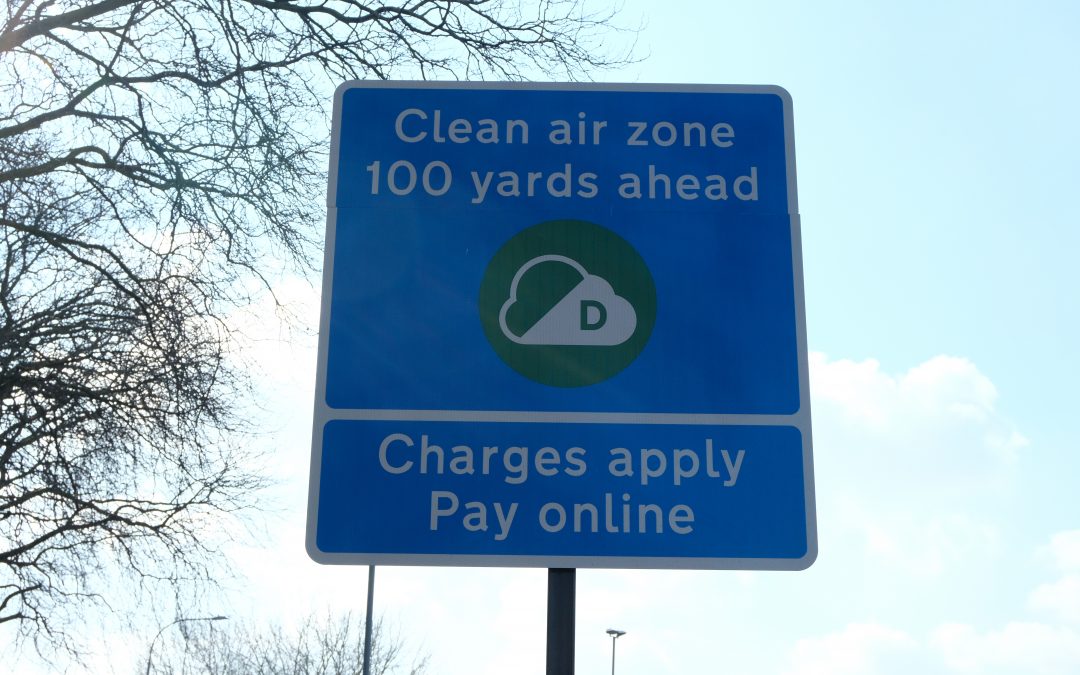
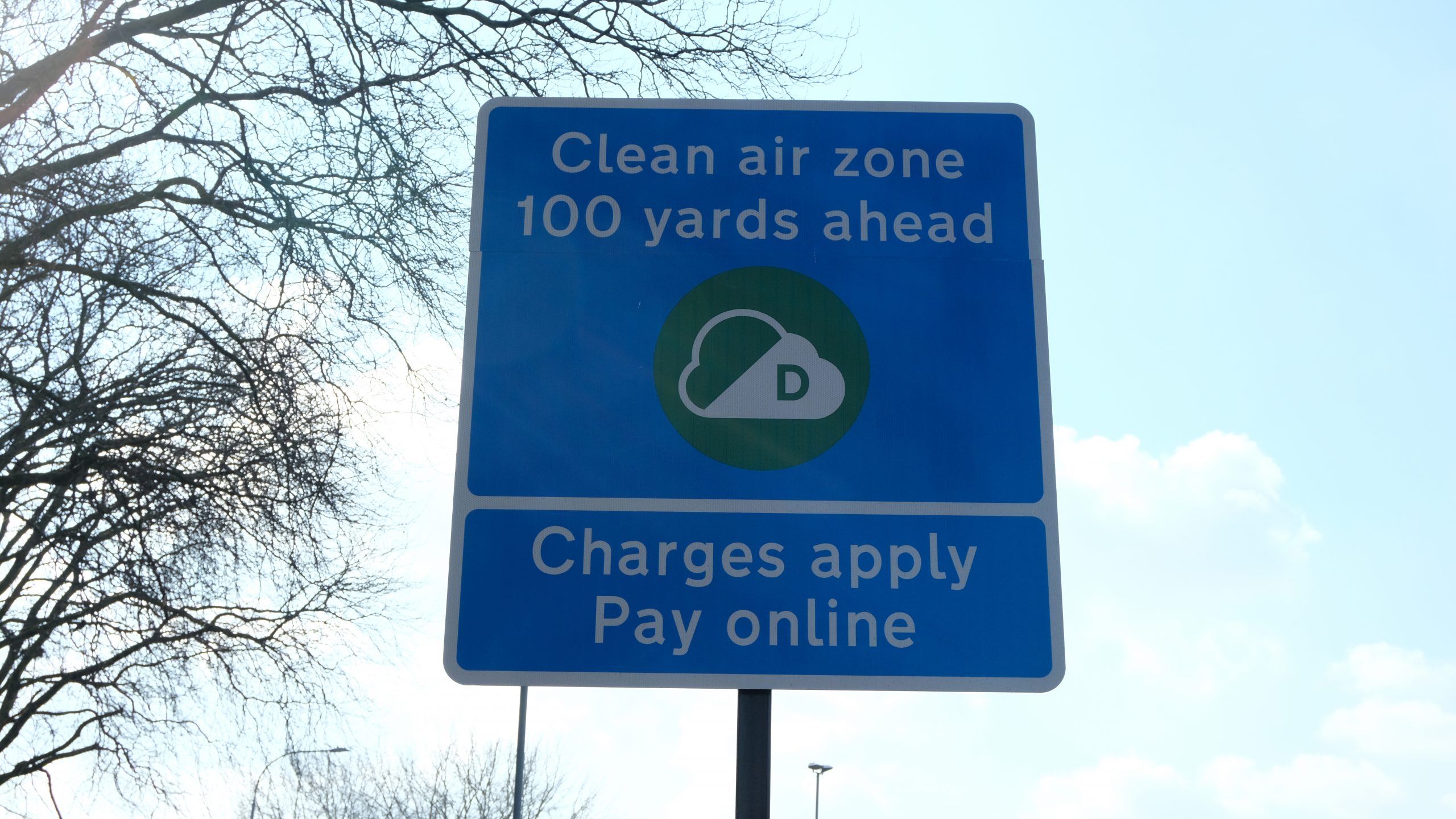
Clean air zone sign in London

[Image Source: Shutterstock, Feb 2021]

The impact of clean air zone charges on motorists

While there is no dispute that clean air zones are necessary to protect our planet’s future, it is the rate of the charge and the number of drivers who will be forced to pay it that has caused concern.

In London, up to 250,000 vehicles may be non-compliant with emissions regulations, and in Birmingham, a further 100,000 may face the same issue, AA conducted research suggests.

AA president, Edmund King, addressed the concerns that many motorists will not be able to afford the clean air zone charges by saying: ‘Millions of drivers in London will find themselves on the wrong side of the road when the scheme is expanded.’

‘There is a very real risk that many people who rely on their car for essential journeys will be priced off the road.’

He also added that the impact of the lockdown could cause further issue with clean air zones: ‘With the whole country back in lockdown, this is likely to have an even bigger impact than previously thought as more people will be trying to avoid public transport by using private cars.’

It seems that other motorists share this concern and have found already found a loophole for potentially outsmarting the scheme to avoid charges.

After green number plates for electric vehicles went on sale late last year, it has since surfaced that some organisations have allowed motorists to purchase these without being required to show any form of documentation to confirm their eligibility.

Head of roads policy at the AA has dubbed the illegal scheme to be ‘very worrying’ and suggested that there may be a ‘Wild West situation on our hands’ if the scheme was allowed to continue.

A DVLA spokesperson reminded motorists: ‘It is illegal for motorists to incorrectly display a number plate and those breaking the law could be fined up to £1000.’

While the loophole is in the process of being shut down and cannot be condoned, it does go to show the extent of the pressure and concern motorists are feeling about the upcoming clean air zone charges and the petrol and diesel ban of 2025.

Would you be happy to pay to enter a clean air zone or do you think clean air zone charges are too high?  Do you think the government’s ‘green’ plan is unrealistic for the majority of motorists?

Tell us in the comments.

£93 million makeover for local roads, but is it enough?

£93 million makeover for local roads, but is it enough?

What are the roads like in your area? Plagued by potholes? Congested and unsafe? Well, that could be about to change as transport secretary, Grant Shapps, gives the go-ahead for a £93 million makeover for local roads in some areas.

His pledge to ‘make journeys safer and more reliable for motorists’ will begin in Yorkshire, Hampshire and the West Midlands and will involve the addition of new routes to avoid dangerous landslips, expanded islands and structural improvements to bridges.

While this may be a positive step forwards for Britain’s roads, some organisations feel that it may be too little too late.

The roads of the nation ‘desperately need more investment filtering down to local levels as the more local you go, the worse the picture is,’ says the AA in response to the news.

The AA has also warned that there is a severe amount of underestimation on the government’s part when it comes to the public’s view on roads. Their latest poll revealed that 83% of motorists ranked the quality of routes as a top priority.

Jack Cousens, head of roads policy for the AA, warned of the urgency of the situation as local road surfaces continue to deteriorate in many areas across England, with motorists picking up on their ‘state of disrepair’ and calling for imminent improvements to protect themselves and their vehicles.

Mr Cousens explained that: ‘a third (32 per cent) of drivers ranked trunk road surfaces as ‘good’, whereas one in five (19 per cent) felt they could say the same for main roads and fewer still for residential streets (15 per cent),’

He went onto suggest that ‘It’s not just the moon-like craters on our roads that need fixing, but worn-away markings too.’

‘Just one fifth (20 per cent) said road marking on local roads were ‘good’, as opposed to nearly two fifths that said markings were good on trunk roads (37 per cent).’

Mr Cousens concluded by saying: ‘If we are going to ‘build back better’ (in reference to the government’s post-Covid pledge to improve transport) then improvements need to reach every street and avenue.’

Although the ongoing issues on local roads are beginning to be addressed, it is clear that many expert organisations do not think enough is being done to restore our roads.

Roadworks in Birmingham, UK

[Image Source: Shutterstock, Feb 2021]

What could local road improvements mean for your area?

In North Yorkshire, a brand-new carriageway will be constructed to help motorists avoid dangerous and inconvenient landslips that have been an issue on the A59 for many years. Frequent road closures and unsafe conditions have boosted this project to the top of the priority list and will cost the government £56 million in total.

Meanwhile, in Birmingham, the Birchley Island roundabout, which is notorious for causing high levels of congestion, will be given a £24 million expansion to increase the number of lanes in an attempt to reduce traffic build-up.

Finally, Hampshire locals can expect structural improvements to the Redbridge Causeway bridges on which concerns have been raised about stability and damage to concrete. These improvements will cost the government £13 million.

With only £93 million in the fund to begin with, it seems that these three improvements will eat into the majority of it, leaving the rest of the country wondering when and how their local roads will be improved.

Despite concerns over funding, Grant Shapps reassures motorists and experts alike that this is a positive step forwards in the restoration of Britain’s roads. He said: ‘I am delighted to announce this significant funding package which will ensure millions of people can continue to travel easily and safely.’

‘It’s further proof of this government delivering on its promise to level up the country – putting transport at the heart of our efforts to build back better from Covid-19.’

In referring to the projects taking place within the £93 million budget, he said that their main aim is to ‘help people access work and education, as well as ensuring vital connectivity for local businesses.’

Steve Barclay, chief secretary to the Treasury, concludes by saying: ‘Upgrading the country’s roads doesn’t just help drivers – it’ll mean more jobs, safer journeys and more reliable access to things like education and work.’

 Is this £93 million makeover for local roads a step in the right direction? Or should more funding be made available to ensure more areas benefit from local road improvements?

Tell us in the comments.

Pandemic petrol prices reach peak of £1.20-a-litre

Pandemic petrol prices reach peak of £1.20-a-litre

Back in March 2020, during the first national lockdown, petrol prices reached lows of just 106.48p per litre. A decline in demand, oversupply and up to 80% less traffic on the roads was the cause, with motorists told to stay home and reduce travel to short, essential journeys only.

Now, ten months on, our situation remains mostly unchanged. A third national lockdown has meant restrictions are still in place and motorists have once again had their journeys capped. One thing that has changed during this lockdown, however, is the price of petrol.

Reaching heights of 120.1p-a-litre in some areas of England, petrol prices are now above what they were even before the pandemic began and are still increasing. In fact, as of this week, the cost of petrol is 5p more expensive than it was a month ago.

This is Money found that on average, motorists are currently paying £3 more than previous lockdown prices to fill up the average family-sized car with a 55-litre tank.

While journeys and traffic levels may be reduced, motorists are still having to make multiple short, essential journeys weekly and may still be travelling to and from essential jobs, meaning that they will most definitely be feeling the sting of these hiked-up prices.

AA spokesman, Luke Bosdet, acknowledged the situation motorists in lockdown are facing: ‘Many drivers in lockdown are using their cars for short trips, such as to the supermarket, and are filling up much less often than usual.’

‘If this week they have gone to the fuel station for the first time since December, they will have seen a 4p to 5p-a-litre leap in petrol and diesel prices.

‘This will be a nasty surprise and compound their lockdown frustrations.’

Currently, petrol prices in London and the South East are topping the scales at 120.32p and 120.76p-a-litre respectively, while diesel prices I similar areas are reaching highs of up to 123.71p.

Research also shows that not only are petrol prices on the rise in areas all across England, but they may also differ between forecourts. In some areas prices differed by up to 10p at a range of forecourts in the same place. This has meant that motorists are being forced to do their research before filling up in order to avoid paying more than they need to for their fuel.

But what is it that has caused this increase? And is the upward trend set to continue?

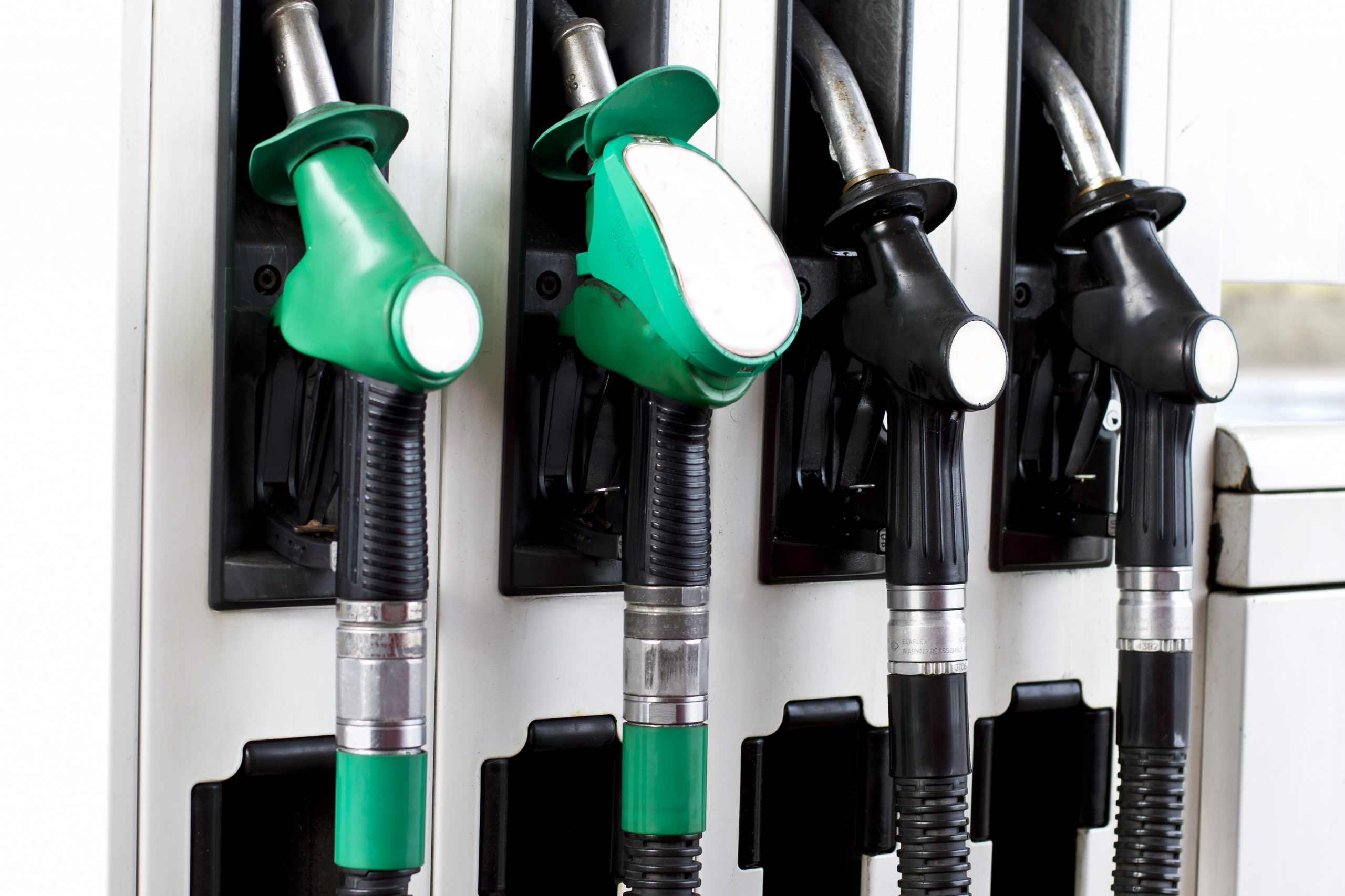
Car being filled up with petrol

[Image Source: Shutterstock, Feb 2021]

What is causing the peak in prices?

One factor that could be to blame for the significant rise in petrol prices during this third lockdown is the cost of oil. The AA pointed out that, over the last month, the price of oil has risen by $5 to $6-a-barrell, clearly having a direct impact on the prices set for petrol.

It has also been suggested that supermarkets have played a part in the rise in pandemic petrol prices, with some organisations accusing them of taking advantage of the lockdown.

The AA suggests that a $2 increase in the price of oil is usually matched by a 1p-a-litre rise in the price of petrol. If this is the case, some retailers appear to be adding a small amount more to their prices. The AA has dubbed this a ‘lockdown bonus’ for fuel sellers.

With supermarkets making the most of this ‘lockdown bonus’, non-supermarket retailers have also been forced to up their prices to keep up with the competition, meaning that motorists are paying extra for their petrol, no matter where they get it from.

The Petrol Retailers Association chairman, Brian Madderson, explains that: ‘Petrol stations are rightly regarded as ‘essential’ businesses by the government yet the independent sector struggles for financial sustainability as fuel volumes plummet again during this latest lockdown.’

He suggested that non-supermarket retailers have struggled during this time, and have been forced to make every effort to keep their services running: ‘Unlike the big supermarkets buoyed by massive increases to grocery sales, independents have to hold onto every penny of margin to avoid cutting staff and reducing service levels in a tight market.’

As the pandemic continues, it is uncertain as to whether the upward trend in petrol prices will continue, but in the meantime, it is motorists already struggling with the economic hardships of a global pandemic who will suffer the consequences.

Do you think the rise in petrol prices during this stage of the pandemic is justified? Were you surprised at the price of petrol last time you filled up?

Tell us in the comments.

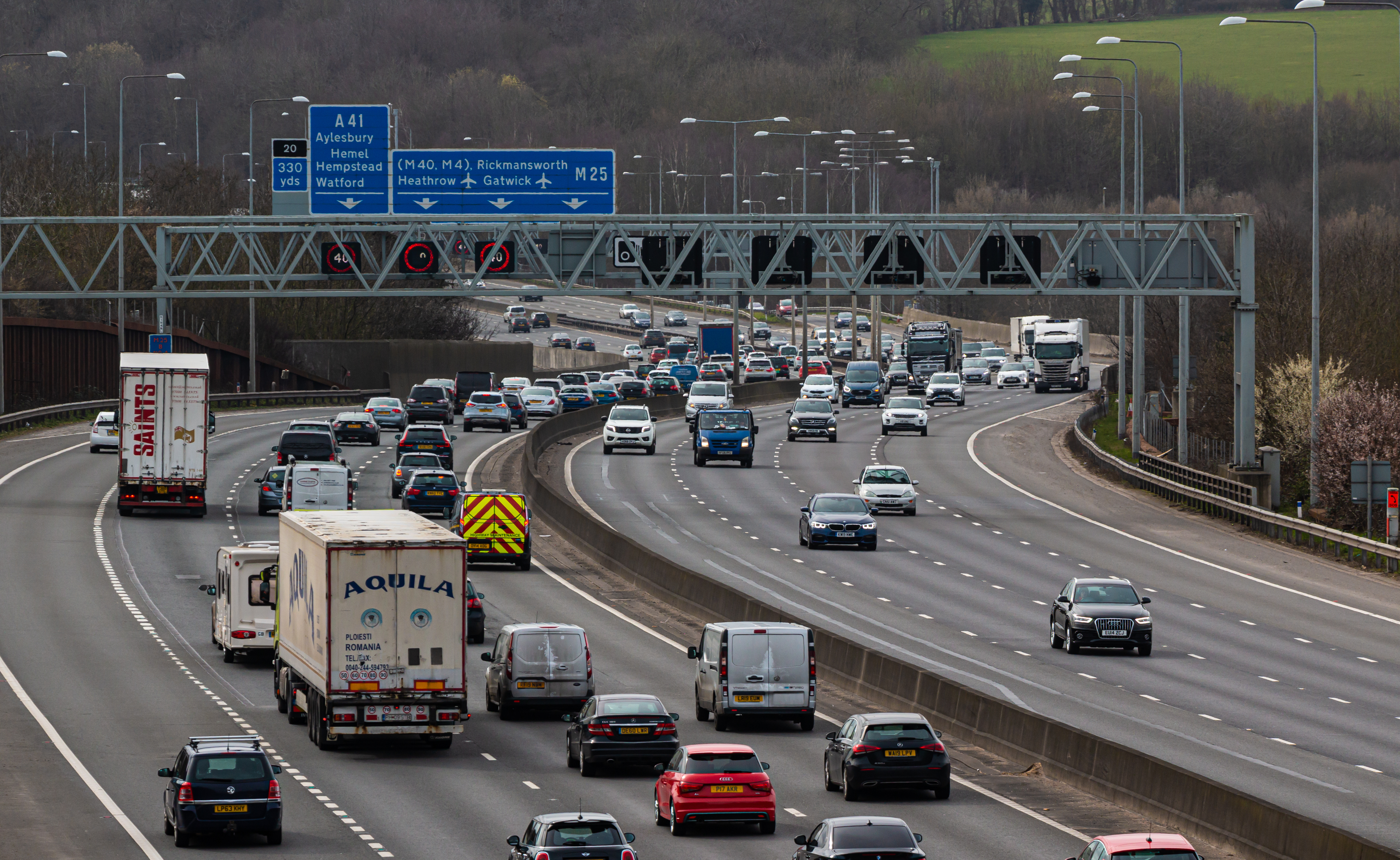
Smart motorways centre of attention again as death-preventing safety measures fast-tracked

Smart motorways centre of attention again as death-preventing safety measures fast-tracked

Smart motorways have long been a point of controversy since being introduced over a decade ago, but this week they have once again forced back into the spotlight after a coroner ruled that they present an ‘ongoing risk of future deaths.’

This comes after the deaths of two drivers on the M1 were deemed to be caused by the lack of safety measures on smart motorways. When delivering a verdict of unlawful killing, a coroner ruled that ‘the lack of a hard shoulder contributed to the deaths of two M1 drivers.’

It is this ruling that has kick-started the discussion on whether or not the safety measures already in place are doing enough to protect motorists.

Currently, emergency laybys or refuge areas are 1.5 miles apart despite calls from motoring groups to have them more frequently spaced. To add to this, only 83.6 miles of motorway has been installed with potentially life-saving technology so far.

As a result, crisis talks with Transport Secretary, Grant Shapps, are now taking place, confirms a Department for Transport spokesperson: ‘In light of the findings from the coroner, the Transport Secretary has called an urgent meeting with Highways England.’

An 18-point blueprint plan was demanded by Roads Minister, Baroness Vere, this weekend in the hope of improving driver safety as quickly and as efficiently as possible. It is thought that the meeting will have covered plans on how to ramp up the rollout of preventative safety measures across all 500 miles of smart motorways in the UK.

However, some experts believe that this may be too little, too late. Reports reveal that concerns were, in fact, raised back in 2011 about the safety of smart motorways by several Department of Transport (DfT) lawyers.

In information revealed by the Daily Mail, DfT lawyer, Farah Japanwalla – during a 2011 meeting about smart motorways – questioned whether ‘corporate manslaughter had been considered as part of the design and the potential liability of the agency if a road user was killed due to the operation of the network.’

Unfortunately, the concern was dismissed as a computer simulator used to test driver behaviour confirmed that it would be safe to proceed.

In light of the recent deaths caused by smart motorways, however, MP Karl McCartney, a member of the Commons’ Transport Committee admitted: ‘It seems we were right to suspect the policy [of smart motorways] was ill-thought-out and unsafe.’

AA President, Edmund King, also commented: ‘Questions were asked by government lawyers ten years ago when the plans to remove the hard shoulder were discussed.’

‘Had our calls for more emergency laybys been listened to a decade ago, we may not be in this position.’

 While recognising an ongoing issue with smart motorways is a positive move forward, it leaves motorists questioning whether recent tragedies might have been avoided if concerns from a decade ago had been taken seriously. It also poses the question: who is to blame?

smart motorway, crisis, accidents

[Image Source: Shutterstock, Jan 2021]

What new safety measures can we expect to see?

Highways England has reassured motorists that they can expect to see new smart motorway safety measures being rolled out as soon as possible: ‘We are determined to do all we can to make our roads as safe as possible and are already addressing many of the points raised by the coroner.’ But what might these measures entail?

The new safety technology to be installed on all smart motorways will be the continuation of a system that has already been in use on over 37 miles.

It takes the form of a radar system that is able to rapidly detect the location of broken-down vehicles on smart motorways. Within 20 seconds, it will identify a stationary vehicle, allowing other preventative measures to be swiftly put into place to protect the driver of the vehicle and other motorway users.

On smart motorways where this technology has yet to be installed, stationary vehicles’ identification relies on CCTV. This is a much slower process and leaves broken-down vehicles trapped in live traffic lanes without an escape route.

While plans are in place to roll this technology out over all 500 miles of smart motorway by 2023, it still leaves motorists wondering how many more fatal accidents may occur between now and then?

Do you think it should have taken this long to install better safety measures on smart motorways? Are you fearful of using them because of the risks they pose?

Tell us in the comments.